

Co zawiera oferta
- 2-godzinna wycieczka z przewodnikiem z ekspertem w dziedzinie historii sztuki
- Bilet z opcją bez kolejki do Muzeum Capodimonte
- Mała grupa
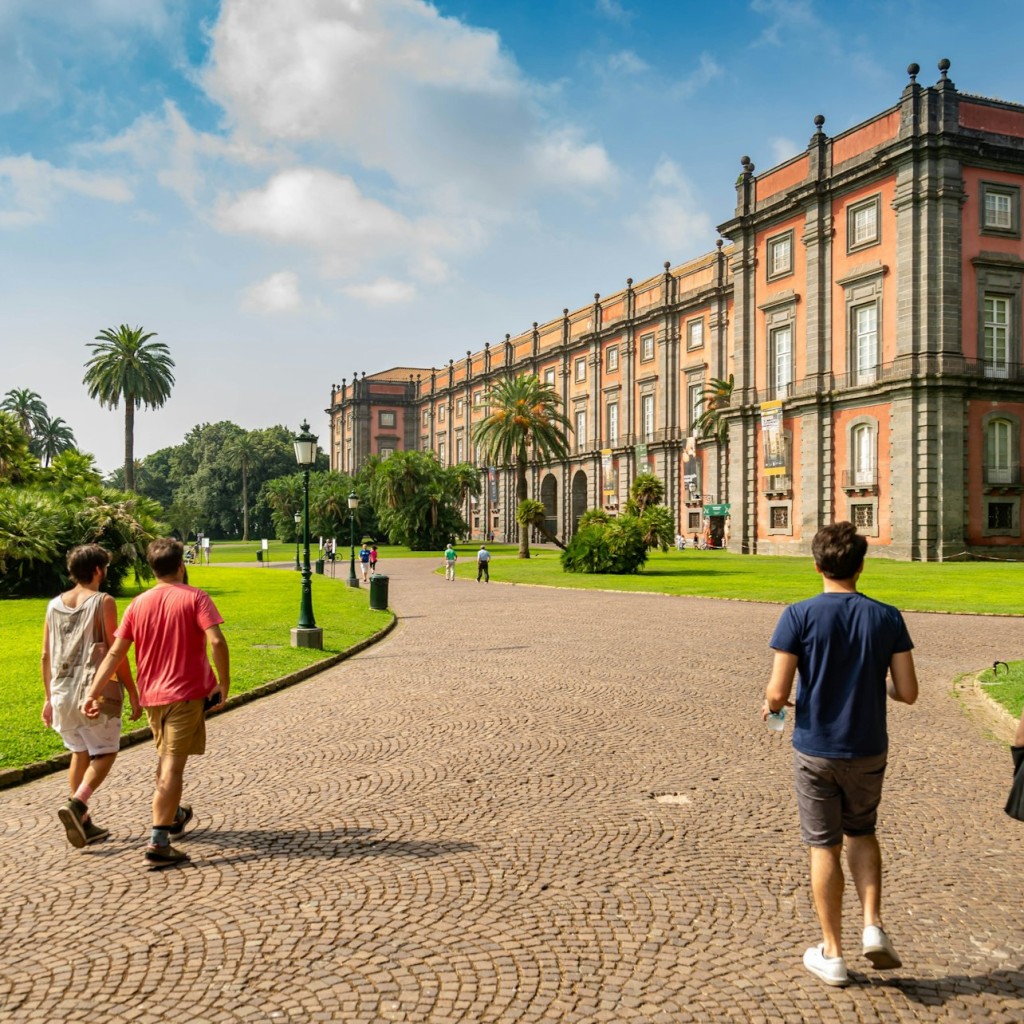
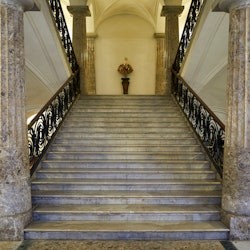
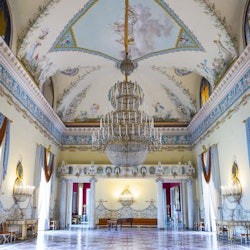
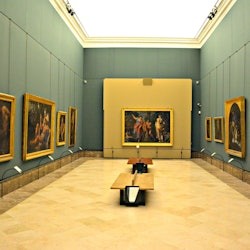
Odkryj wizualną podróż przez Muzeum Capodimonte dzięki tym inspirującym fotografiom, prezentującym jego wspaniałe kolekcje, królewskie komnaty i oszałamiający otaczający park.
Położone na wzgórzu z widokiem na Neapol, Muzeum Capodimonte mieści się w majestatycznym Pałacu Burbonów w Capodimonte, dawnej rezydencji królewskiej. Oferuje ono wyjątkową podróż przez sztukę i historię, prezentując jedną z najważniejszych kolekcji sztuki we Włoszech. Odwiedzający mogą podziwiać arcydzieła z okresu renesansu i baroku, zwiedzać wystawne Apartamenty Królewskie i spacerować po rozległym parku otaczającym pałac, oferującym zapierające dech w piersiach widoki na miasto i Zatokę Neapolitańską. To wieloaspektowe miejsce łączy artystyczny splendor ze znaczeniem historycznym, czyniąc je niezbędnym celem podróży dla każdego, kto odkrywa bogactwo kulturowe Południowych Włoch.
Nie ma ścisłego kodeksu ubioru do zwiedzania Muzeum Capodimonte. Jednakże, jako instytucja kulturalna mieszcząca się w zabytkowym pałacu królewskim, zalecany jest wygodny, ale szanujący strój. Swobodny strój jest ogólnie akceptowalny. W cieplejszych miesiącach odpowiednie są lekkie ubrania, natomiast w chłodniejszych porach roku zalecane jest ubieranie się warstwowo, ponieważ temperatury wewnątrz mogą się różnić.
Muzeum Capodimonte słynie z rozległych i różnorodnych kolekcji, obejmujących wieki ekspresji artystycznej. Kolekcja Farnese, odziedziczona przez Burbonów, stanowi rdzeń jego zbiorów, prezentując dzieła takich tytanów jak Tycjan, Rafael, Botticelli i Caravaggio. Oprócz tych renesansowych i barokowych skarbów, muzeum mieści również sztukę neapolitańską od XIII do XVIII wieku, ukazując lokalny geniusz artystyczny. Ważną częścią doświadczenia jest zwiedzanie Apartamentów Królewskich, które zostały zachowane tak, aby odzwierciedlały ich pierwotny splendor, wraz z meblami z epoki, gobelinami i sztuką dekoracyjną, oferując wgląd w życie królewskie. Dodatkowo, muzeum prezentuje fascynującą kolekcję sztuki współczesnej oraz imponującą zbrojownię. Otaczający Królewski Park Capodimonte, zaprojektowany jako rezerwat łowiecki, stanowi spokojną ucieczkę z historycznymi budynkami, ścieżkami i bujną zielenią, idealny na relaksujący spacer przed lub po wizycie w muzeum.
Rezerwacja biletów do Muzeum Capodimonte online oferuje wiele korzyści, zapewniając płynniejszą i przyjemniejszą wizytę. Bilety online często zapewniają wstęp z rezerwacją lub dostęp bez kolejki, co pozwala ominąć długie rzędy, zwłaszcza w szczycie sezonu. Pozwala to zaoszczędzić cenny czas i gwarantuje, że możesz rozpocząć zwiedzanie kolekcji bez opóźnień. Ponadto wcześniejszy zakup pomaga w planowaniu trasy i czasami może obejmować oferty łączone lub wycieczki z przewodnikiem, poprawiając ogólne wrażenia. Zabezpiecz swój wstęp z wyprzedzeniem i skup się na zanurzeniu się we wspaniałej sztuce i historii bez stresu związanego z zakupem biletów na miejscu.
Historia Capodimonte rozpoczyna się w 1738 roku, kiedy król Karol VII Neapolu i Sycylii (późniejszy Karol III Hiszpanii) zlecił budowę pałacyku myśliwskiego na wzgórzu Capodimonte. Ten początkowy projekt szybko ewoluował w wspaniały pałac, mający pomieścić ogromną Kolekcję Farnese, którą Karol odziedziczył po swojej matce, Elżbiecie Farnese. Przez wieki pałac służył jako rezydencja królewska dla dynastii Burbonów, a później Sabaudzkich, z których każda pozostawiła swój ślad na jego architekturze i wnętrzach. Po zjednoczeniu Włoch pałac nadal pełnił funkcje rezydencji królewskiej aż do 1920 roku, kiedy to został przekazany państwu włoskiemu. Oficjalnie otwarto go jako muzeum w 1957 roku, łącząc kolekcję Farnese, Galerię Neapolitańską oraz inne znaczące dzieła sztuki i historyczne artefakty, tworząc jedną z najważniejszych instytucji kulturalnych Włoch. Jego przekształcenie z królewskiej rezydencji w muzeum publiczne stanowiło znaczący krok w udostępnianiu tych skarbów wszystkim.
Muzeum Capodimonte jest zazwyczaj otwierane rano i zamykane późnym popołudniem. Zazwyczaj jest zamknięte we wtorki z powodu konserwacji. Konkretne godziny otwarcia i zamknięcia mogą się różnić w zależności od sezonu, dlatego zaleca się uwzględnienie tych potencjalnych zmian podczas planowania wizyty. Ostatnie wejście zazwyczaj odbywa się na godzinę przed zamknięciem. Park ma zazwyczaj dłuższe godziny otwarcia niż samo muzeum.
Aby w pełni cieszyć się Muzeum Capodimonte i jego spokojnym otoczeniem, rozważ wizytę w dzień powszedni, krótko po otwarciu lub późnym popołudniem. Weekendy, zwłaszcza niedzielne popołudnia, mogą być bardziej zatłoczone. Wizyta wiosną lub jesienią (kwiecień-maj, wrzesień-październik) oferuje przyjemną pogodę na zwiedzanie rozległego parku przed lub po wycieczce po muzeum, co poprawia ogólne wrażenia. Wczesne poranki często zapewniają spokojniejszą atmosferę, umożliwiając bardziej intymne oglądanie sztuki.
Wewnątrz Muzeum Capodimonte napotkasz niezwykłą gamę sztuki i historycznych artefaktów na wielu piętrach. Pierwsze piętro jest poświęcone głównie Kolekcji Farnese, prezentującej ikoniczne dzieła Botticellego, Belliniego, Tycjana oraz potężne „Biczowanie Chrystusa” Caravaggia. Królewskie Apartamenty na drugim piętrze przeniosą Cię w czasie dzięki oryginalnym meblom, porcelanie, arrasom i wykwintnej kolekcji z Królewskiej Manufaktury w Capodimonte. Na trzecim piętrze znajduje się Galeria Neapolitańska, prezentująca dzieła lokalnych artystów od XIII do XVIII wieku, a także znaczącą kolekcję sztuki współczesnej. Nie przegap imponującej zbrojowni, prezentującej broń i zbroje z różnych okresów, zapewniającej kompleksową perspektywę historyczną.
Załóż wygodne buty, ponieważ będziesz dużo chodzić po muzeum i prawdopodobnie po rozległym parku. Szafki są zazwyczaj dostępne do przechowywania dużych toreb i plecaków, które często nie są dozwolone w salach wystawowych. Fotografowanie jest ogólnie dozwolone do użytku osobistego w większości obszarów, ale fotografowanie z lampą błyskową jest zazwyczaj zabronione, a ograniczenia mogą dotyczyć niektórych dzieł sztuki. Poświęć odpowiednią ilość czasu na wizytę, ponieważ kolekcje są obszerne. Rozważ zakup audioprzewodnika, aby uzyskać głębszy wgląd w dzieła sztuki i historię. Na miejscu dostępne są napoje i toalety.
Aby zachować dzieła sztuki i zapewnić wszystkim przyjemne wrażenia, zwiedzający proszeni są o przestrzeganie pewnych zasad. Duże torby, plecaki i parasole należy przechowywać w szatni lub szafkach. Jedzenie i napoje są niedozwolone w salach wystawowych. Dotykanie dzieł sztuki lub eksponatów jest surowo zabronione. Prosimy o zachowanie odpowiedniej głośności i unikanie biegania wewnątrz muzeum. Szkicowanie jest dozwolone ołówkami, ale tusz lub farba są niedozwolone. Wycieczki grupowe mogą podlegać określonym wytycznym w celu zapewnienia płynnego przepływu.
Muzeum Capodimonte jest bezsprzecznie warte odwiedzenia dla każdego, kto interesuje się sztuką, historią lub włoską kulturą. Oferuje rzadką okazję do zobaczenia światowej klasy arcydzieł artystów renesansu i baroku w autentycznym otoczeniu dawnego pałacu królewskiego. Unikalne połączenie obszernej galerii sztuki, zachowanych apartamentów królewskich i pięknego parku zapewnia bogate i zróżnicowane doświadczenie, które przemawia do szerokiego grona zwiedzających. Jego spokojna lokalizacja i wspaniałe widoki również przyczyniają się do niezapomnianej wycieczki kulturalnej, czyniąc go wyróżniającym się miejscem w Neapolu.
Muzeum mieści głównie Kolekcję Farnese, Galerię Neapolitańską, Apartamenty Królewskie oraz kolekcje sztuki współczesnej i zbrojownię.
Tak, starsze dzieci zainteresowane sztuką i historią mogą cieszyć się kolekcjami. Rozległy park to także świetne miejsce dla rodzin do relaksu.
Tak, bilety można kupić przy wejściu, ale często zaleca się wcześniejszą rezerwację online, aby uniknąć kolejek, zwłaszcza w przypadku opcji z zarezerwowanym wejściem.
Ograniczony parking może być dostępny w pobliżu muzeum lub w Królewskim Parku. Transport publiczny jest często używanym sposobem dotarcia na miejsce.
Tak, często dostępne są różne opcje wycieczek z przewodnikiem, czasami w pakiecie z biletami bez kolejki, oferujące głębsze spojrzenie na kolekcje i historię pałacu.
Muzeum zazwyczaj zapewnia udogodnienia dla osób z ograniczoną sprawnością ruchową, w tym windy i rampy. Zaleca się zapytanie o konkretne trasy dostępu po przyjeździe.
Nie, jedzenie i napoje zazwyczaj nie są dozwolone w obszarach wystawowych muzeum. Na miejscu mogą być dostępne wyznaczone kawiarnie lub miejsca z napojami.
Muzeum Capodimonte znajduje się na wzgórzu, w niewielkiej odległości od centrum Neapolu. Można do niego dotrzeć komunikacją miejską, zazwyczaj autobusem, który kursuje bezpośrednio do wejścia do muzeum. Szukaj linii autobusowych, które obsługują obszar Capodimonte z kluczowych punktów w mieście, takich jak Piazza Garibaldi (dworzec centralny w Neapolu) lub Piazza Dante. TakSówka lub usługa wspólnych przejazdów oferuje bezpośrednią i wygodną opcję, zwłaszcza dla tych, którzy wolą nie korzystać z transportu publicznego.
Nie ma ścisłego kodeksu ubioru do zwiedzania Muzeum Capodimonte. Jednakże, jako instytucja kulturalna mieszcząca się w zabytkowym pałacu królewskim, zalecany jest wygodny, ale szanujący strój. Swobodny strój jest ogólnie akceptowalny. W cieplejszych miesiącach odpowiednie są lekkie ubrania, natomiast w chłodniejszych porach roku zalecane jest ubieranie się warstwowo, ponieważ temperatury wewnątrz mogą się różnić.