Co zawiera oferta
- Wstęp bez kolejki do Narodowego Muzeum Archeologicznego w Neapolu
- Cyfrowy przewodnik (dostępny przez telefon/tablet/urządzenie elektroniczne)
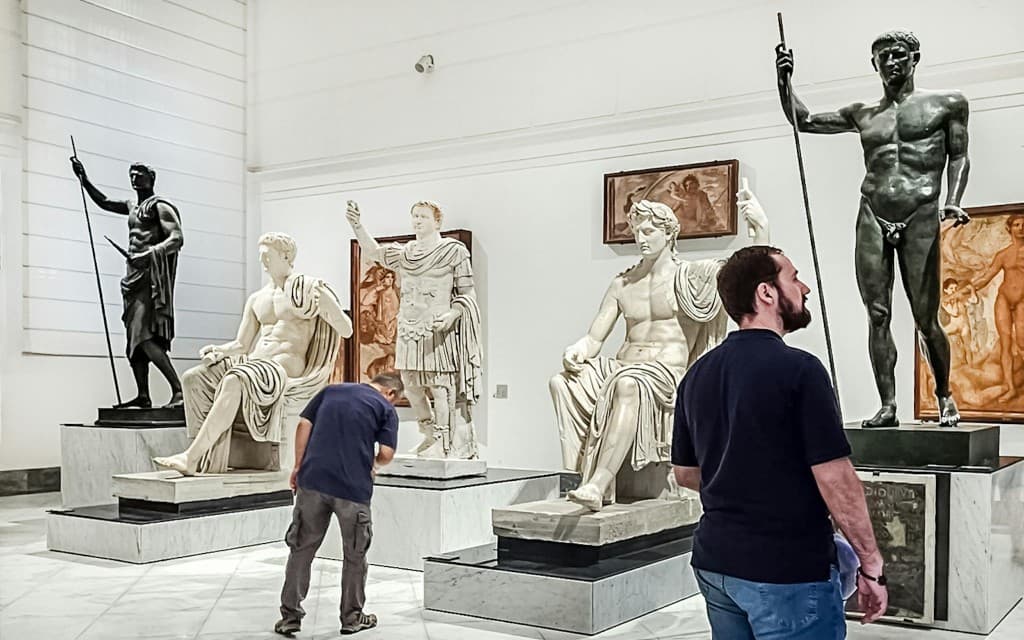
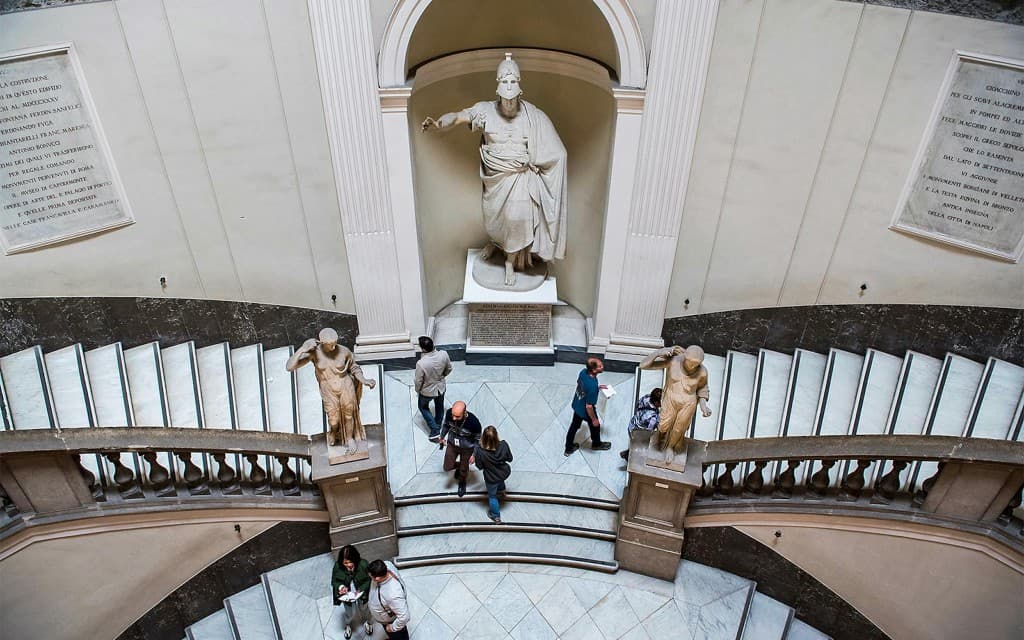
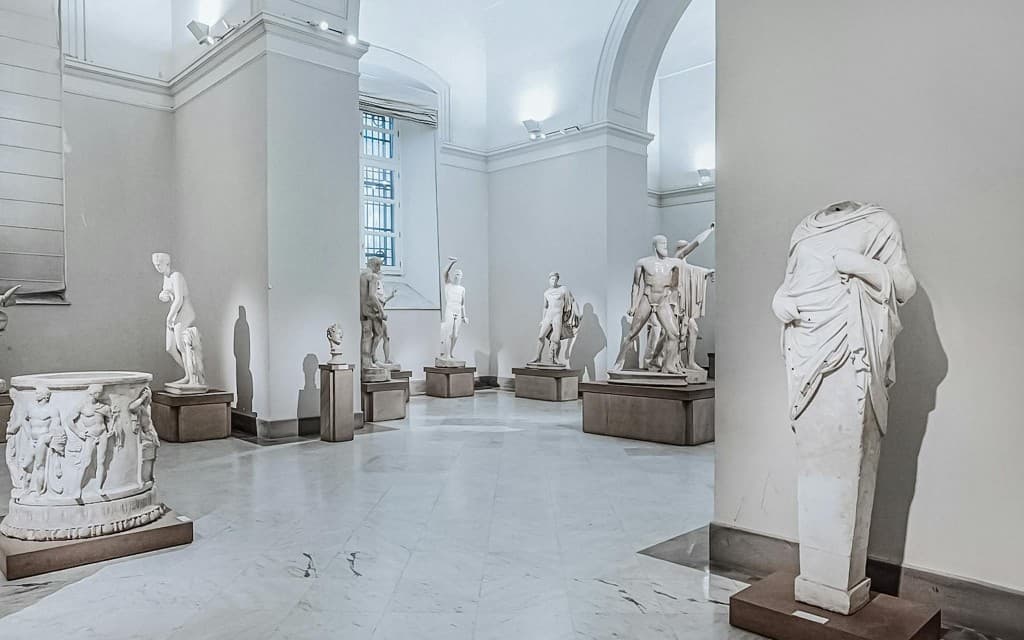
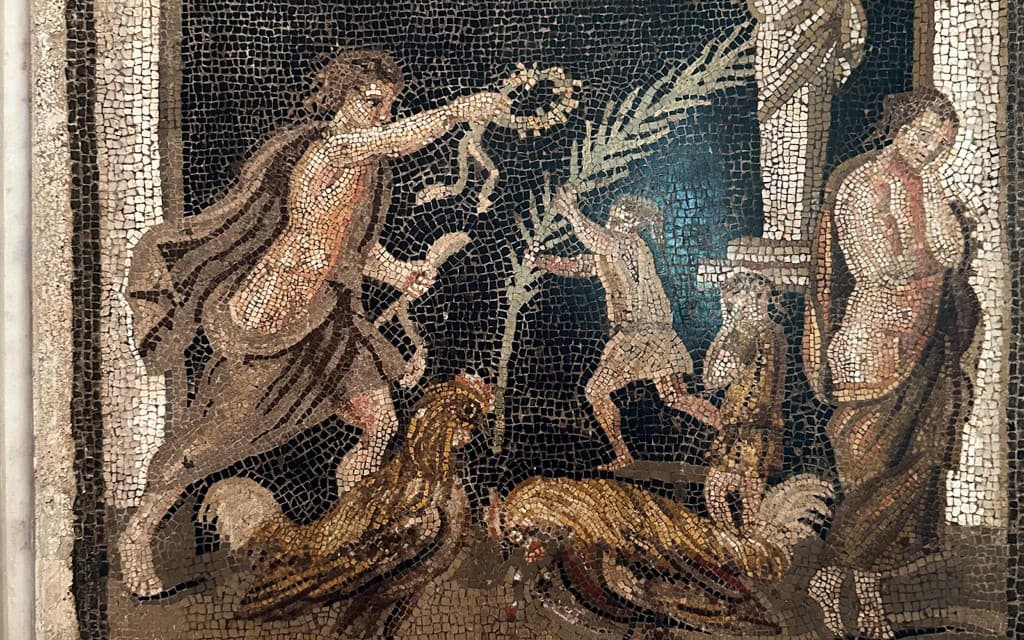
Odkryj wizualną podróż przez starożytny świat dzięki tym urzekającym obrazom z Narodowego Muzeum Archeologicznego w Neapolu.
Narodowe Muzeum Archeologiczne w Neapolu (MANN) jest jedną z najważniejszych instytucji archeologicznych na świecie, mieszcząc niezrównaną kolekcję artefaktów ze starożytnego Rzymu, Pompei, Herkulanum i Stabii. Odwiedzający mogą wyruszyć w fascynującą podróż przez starożytność, podziwiając wykwintne rzeźby, misterne mozaiki i przedmioty codziennego użytku, które oferują głęboki wgląd w życie starożytnych cywilizacji. Jest to niezbędne miejsce dla każdego, kto interesuje się historią Rzymu i niezwykle zachowanymi skarbami miast wezuwiańskich, ożywiając klasyczny świat dla każdego gościa.
Nie ma ścisłego kodeksu ubioru do zwiedzania Narodowego Muzeum Archeologicznego w Neapolu. Wskazane jest jednak, aby ubrać się z szacunkiem, zwłaszcza biorąc pod uwagę znaczenie kulturowe miejsca. Zalecane są wygodne ubrania i buty, ponieważ będziesz dużo chodzić i stać przez dłuższy czas, aby zwiedzić obszerne kolekcje.
Nie trać czasu w kolejkach po bilety: poznaj jedną z najwspanialszych na świecie kolekcji sztuki klasycznej i artefaktów grecko-rzymskich w Narodowym Muzeum Archeologicznym w Neapolu. Pobierz poręczny przewodnik kieszonkowy, aby uzyskać dodatkowe korzyści.
Pierwsze kroki
Udaj się do wejścia do muzeum, zweryfikuj swój bilet, omiń kolejkę oczekujących i rozpocznij zwiedzanie. Skorzystaj z cyfrowego przewodnika tekstowego, aby poznać muzeum i jego historię oraz inne przydatne informacje dotyczące nawigacji.
Narodowe Muzeum Archeologiczne w Neapolu
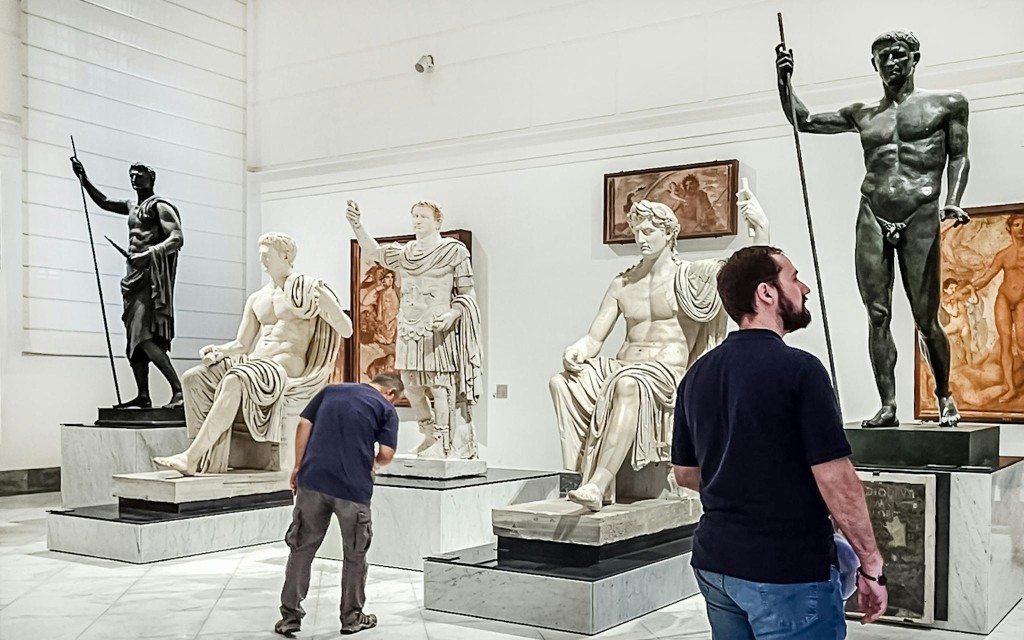
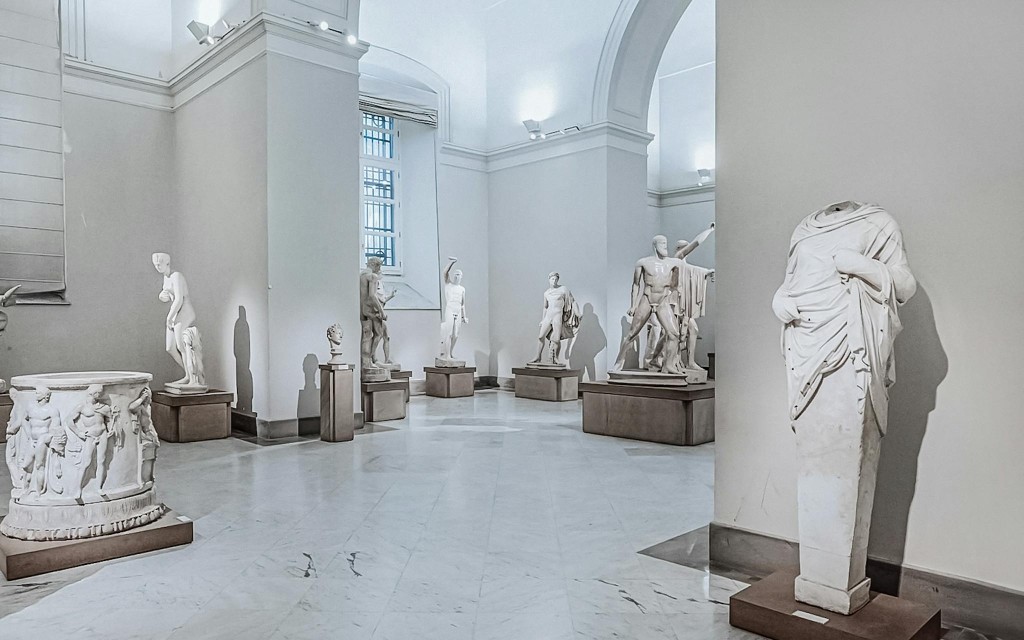
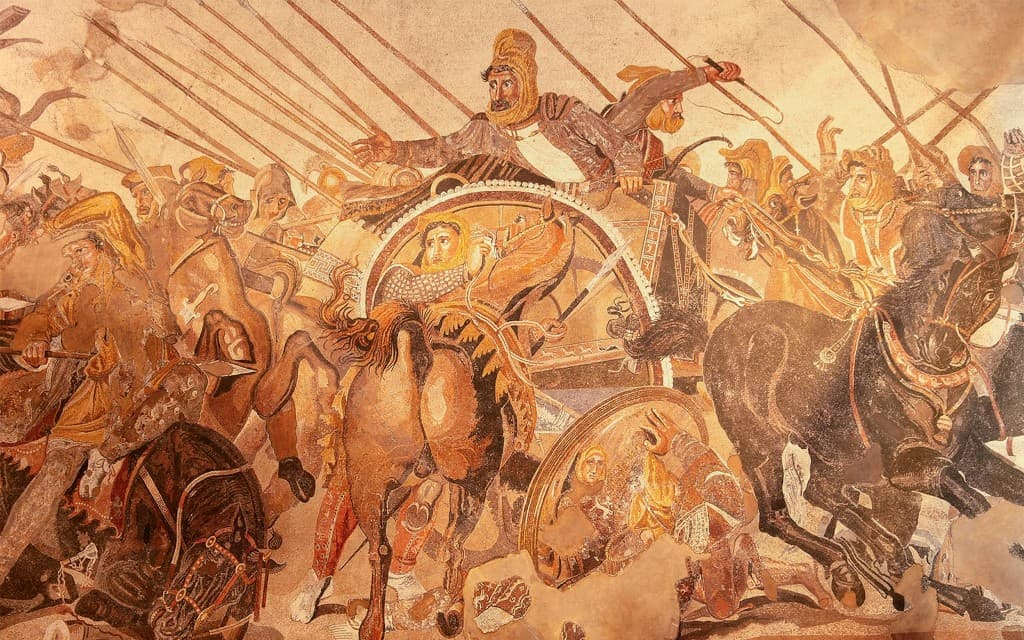
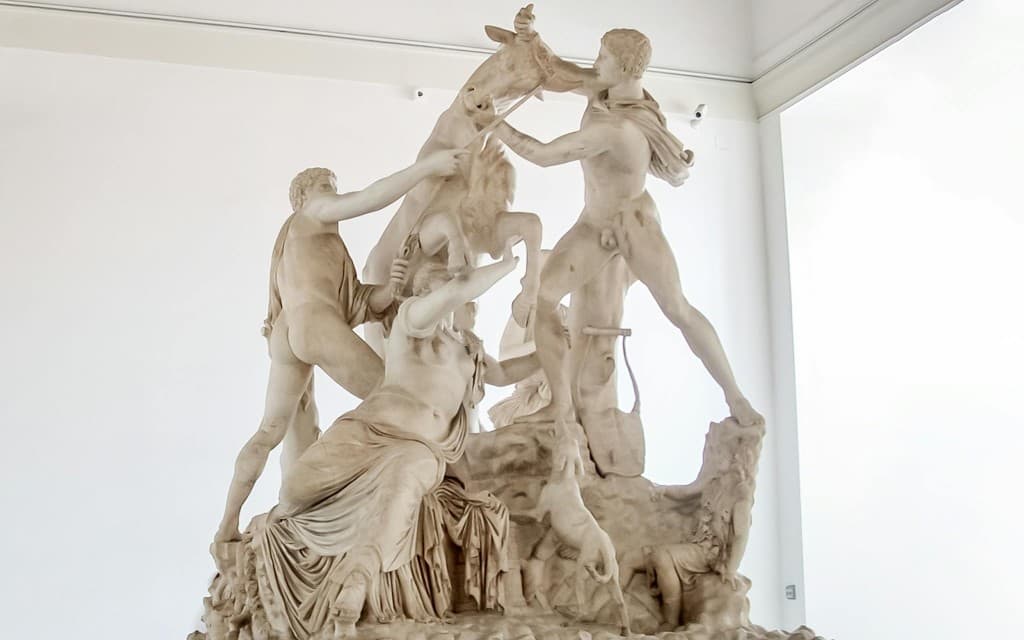
To jedno z najbardziej znanych muzeów we Włoszech oferuje imponującą i cenną kolekcję archeologicznych dzieł sztuki i artefaktów pochodzących z Włoch, a konkretnie z regionu Wezuwiusza. Zobacz niezwykłą mozaikę przedstawiającą pokonanie Persów przez Aleksandra Wielkiego, zatrać się w przepychu pompejańskich murów i podziwiaj arcydzieła klasycznej rzeźby, takie jak Byk Farnese i Atlas.
Główne punkty
Od monet po inskrypcje - prześledź ewolucję finansowej, politycznej, społecznej i kulturowej historii ludzkości w czasach starożytnego Rzymu.
Zobacz imponującą kolekcję egipskich artefaktów, od heiroglifów po sarkofagi.
Twój cyfrowy przewodnik tekstowy rzuca światło na najpopularniejsze instalacje tego muzeum, od kolosalnego Byka Farnese po prace Aleksandra nad słynną mozaiką.
Wejdź do najbardziej intrygującej sekcji muzeum: Secret Cabinet. Tutaj znajdziesz kolekcję erotycznych artefaktów zebranych z barów, domów publicznych i domów w Pompejach, od seksownych fresków po zaskakujący układ fallicznych amuletów na szczęście.
Ponieważ nie będziesz musiał czekać w kolejce, będziesz miał cały czas na zwiedzanie wielu charakterystycznych kolekcji, które to muzeum ma do zaoferowania. Bonus: Twój cyfrowy przewodnik kieszonkowy może służyć jako przewodnik, który pomoże Ci docenić znaczenie ukrytych perełek i popularnych wystaw.
Ciekawi Cię pikantna strona historii? Nie przegap pokoju Secret Room na pierwszym piętrze, prezentującego starożytną sztukę erotyczną Pompei i Herkulanum.
Pobierz cyfrowy podręcznik z wyprzedzeniem. Sygnał komórkowy w środku może być słaby, a będziesz chciał mieć bezproblemowy dostęp do swojego przewodnika.
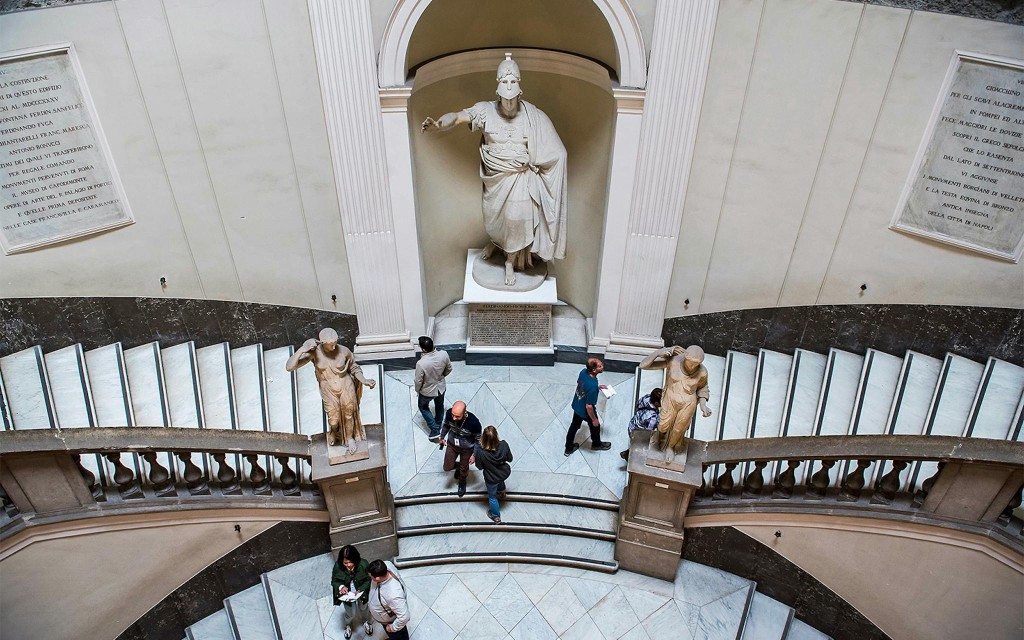
Narodowe Muzeum Archeologiczne w Neapolu, czyli MANN, to skarbnica sztuki klasycznej i archeologii, mieszcząca się w XVII-wiecznym budynku, który pierwotnie służył jako koszary kawalerii, a później jako siedziba Uniwersytetu w Neapolu. Jego rozległe kolekcje pochodzą głównie z Kolekcji Farnese, odziedziczonej przez królów Burbonów, oraz z zadziwiających odkryć z wykopalisk w Pompejach, Herkulanum i innych miejscach pogrzebanych przez erupcję Wezuwiusza w 79 roku n.e. Muzeum oferuje wyczerpujący przegląd rzymskiego życia, sztuki i kultury, prezentując bogatą mozaikę mozaik, fresków, posągów i przedmiotów domowych. Poza artefaktami wezuwiańskimi, posiada również znaczące kolekcje egipskie i epigraficzne. Każda galeria stanowi okno na przeszłość, ilustrując wyrafinowanie i codzienne rutyny starożytnych ludów, co czyni MANN kluczowym miejscem do zrozumienia świata klasycznego i jego trwałego dziedzictwa.
Rezerwacja biletów do Narodowego Muzeum Archeologicznego w Neapolu online zapewnia wygodę i może pomóc zaoszczędzić czas po przyjeździe. Zabezpieczając bilet wstępu z wyprzedzeniem, często można ominąć długie kolejki, zwłaszcza w szczycie sezonu turystycznego, co pozwala na płynniejszy początek wizyty. Opcje online często obejmują podstawowe bilety wstępu lub rozszerzone doświadczenia, takie jak bilety w pakiecie z cyfrowym przewodnikiem lub wycieczką z przewodnikiem, zapewniające głębsze zrozumienie bogatych zbiorów muzeum. To proaktywne podejście zapewnia preferowany dostęp do tej światowej klasy instytucji.
Początki Narodowego Muzeum Archeologicznego w Neapolu sięgają połowy XVIII wieku, za panowania króla Karola VII Neapolitańskiego (późniejszego Karola III Hiszpańskiego). Rozpoczął on wykopaliska w Pompejach i Herkulanum oraz zaczął gromadzić odkryte artefakty. Rdzeń kolekcji muzeum został znacznie wzbogacony przez dziedzictwo Kolekcji Farnese, ogromnego zbioru klasycznych rzeźb i sztuki zgromadzonej przez papieża Pawła III i jego potomków, która przybyła do Neapolu w 1734 roku. Samo muzeum zostało założone w dawnych koszarach kawalerii, a następnie w budynku uniwersytetu w 1777 roku, ewoluując w Real Museo Borbonico (Królewskie Muzeum Burbonów). W ciągu XIX i XX wieku muzeum kontynuowało powiększanie swoich zbiorów, szczególnie o obiekty z dalszych wykopalisk w Kampanii i innych stanowisk archeologicznych we Włoszech, umacniając swój status jako wiodącej instytucji do zrozumienia starożytnych cywilizacji, zwłaszcza tych ze świata rzymskiego.
Narodowe Muzeum Archeologiczne w Neapolu zazwyczaj przyjmuje zwiedzających od połowy rana do późnego popołudnia. Zwykle jest otwarte sześć dni w tygodniu, przy czym wtorek jest zazwyczaj dniem zamknięcia. Konkretne godziny otwarcia i zamknięcia, a także wszelkie specjalne godziny świąteczne lub tymczasowe zamknięcia, mogą ulec zmianie. Zaleca się planowanie wizyty z ogólną znajomością tych wzorców, pamiętając, że muzeum dąży do obsługi szerokiego grona odwiedzających przez cały rok.
Aby zwiedzić Narodowe Muzeum Archeologiczne w Neapolu z mniejszą liczbą turystów, rozważ wizytę w okresach poza sezonem, wiosną (kwiecień-maj) lub jesienią (wrzesień-październik). Pogoda jest również zazwyczaj przyjemna w tych miesiącach. Dni powszednie, zwłaszcza od wtorku do czwartku, są zazwyczaj mniej zatłoczone niż weekendy. Przybycie tuż po otwarciu muzeum rano jest często najlepszą strategią, aby cieszyć się galeriami, zanim staną się bardziej zatłoczone. Poniedziałki i niedziele mogą być szczególnie ruchliwe, więc odpowiednio zaplanuj wizytę w te dni.
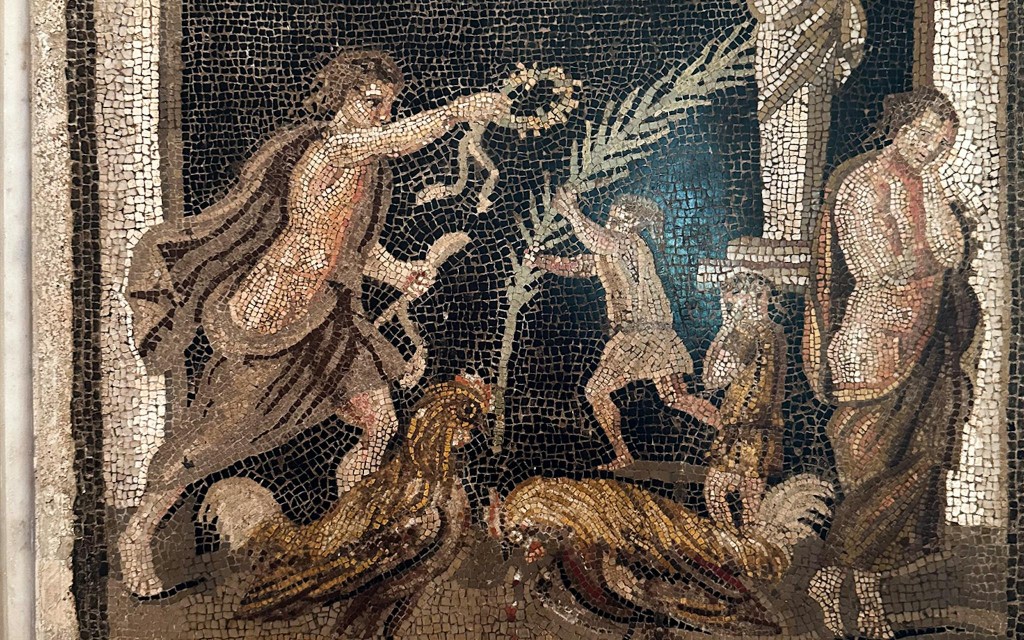
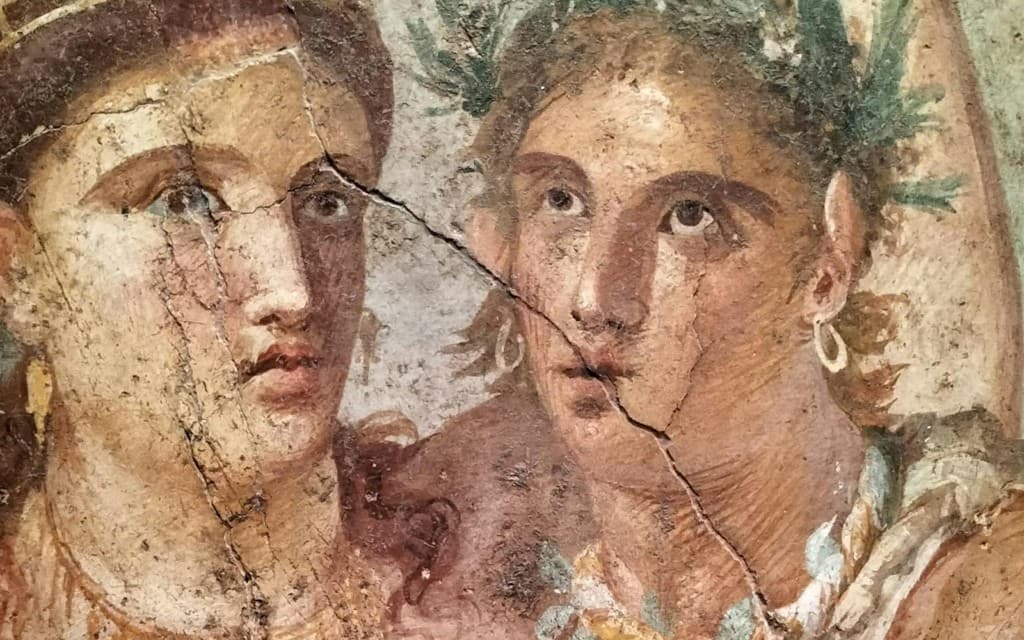
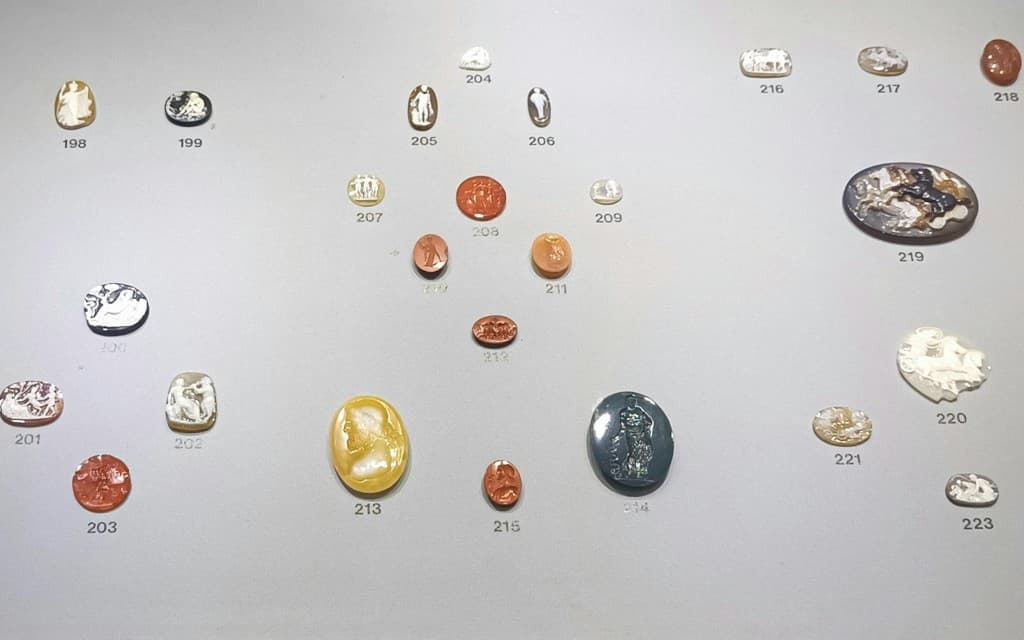
Wewnątrz Narodowego Muzeum Archeologicznego w Neapolu na zwiedzających czeka niezwykła gama artefaktów rozsianych po wielu piętrach i skrzydłach. Na parterze często znajduje się wspaniała Kolekcja Farnese, prezentująca monumentalne greckie i rzymskie rzeźby. Wspinając się na wyższe piętra, można odkryć zapierające dech w piersiach freski i mozaiki skrupulatnie usunięte z willi Pompejów i Herkulanum, ilustrujące codzienne życie, mitologię i rzymską sztukę. Gabinetto Segreto, czyli Tajny Gabinet, oferuje unikalne spojrzenie na erotyczne aspekty kultury rzymskiej. Ponadto muzeum prezentuje bogate zbiory poświęcone starożytnym egipskim artefaktom, wczesnym cywilizacjom italskim oraz znaczącą sekcję numizmatyczną. Każda wystawa jest starannie dobrana, zapewniając kompleksową narrację o świecie starożytnym poprzez jego kulturę materialną.
Zaplanuj poświęcenie co najmniej 3-4 godzin na dokładne zwiedzenie obszernych kolekcji. Przewodniki audio są zazwyczaj dostępne do wypożyczenia, oferując szczegółowe informacje o artefaktach. Muzeum posiada sklep z pamiątkami i kawiarnię, gdzie można się posilić. Załóż wygodne buty, ponieważ będziesz dużo chodzić. Fotografowanie bez lampy błyskowej jest zazwyczaj dozwolone w większości obszarów, ale zawsze zwracaj uwagę na oznakowanie. Rozważ zwiedzanie różnych sekcji w logicznej kolejności, aby w pełni docenić narrację historyczną. Szafki na rzeczy osobiste mogą być dostępne, co może zwiększyć komfort podczas wizyty.
Odwiedzający są zobowiązani do przestrzegania ogólnych zasad etykiety muzealnej, w tym powstrzymywania się od dotykania eksponatów i zachowania szacownej ciszy. Duże torby i plecaki mogą wymagać oddania do szatni lub przechowania w szafkach. Jedzenie i napoje są zazwyczaj niedozwolone w obszarach wystawowych. Fotografowanie jest zazwyczaj dozwolone bez lampy błyskowej do użytku osobistego, ale statywy i fotografowanie z lampą błyskową mogą być ograniczone. Zawsze zwracaj uwagę na znaki i instrukcje personelu muzeum, aby zapewnić przyjemne i bezpieczne wrażenia dla wszystkich.
Narodowe Muzeum Archeologiczne w Neapolu jest bezsprzecznie warte odwiedzenia dla każdego, kto interesuje się historią starożytną, sztuką i archeologią. Jego niezrównane kolekcje z Pompejów i Herkulanum oferują intymny i żywy obraz życia rzymskiego, jak nigdzie indziej na świecie. Sama skala i jakość jego artefaktów, od monumentalnych rzeźb po delikatne mozaiki i narzędzia codziennego użytku, zapewniają edukacyjne i inspirujące doświadczenie. Jest to niezastąpione uzupełnienie wizyty w samych stanowiskach archeologicznych, ponieważ wiele z najlepiej zachowanych i najważniejszych znalezisk znajduje się tutaj, zapewniając głębsze zrozumienie tych starożytnych cywilizacji.
Główne kolekcje muzeum obejmują artefakty z Pompejów i Herkulanum, Kolekcję Farnese rzeźb klasycznych, kolekcję egipską oraz znaleziska epigraficzne.
Gabinet Sekretny (Gabinetto Segreto) jest ogólnie dostępny, ale ze względu na jego treści, może podlegać ograniczeniom wiekowym lub wymagać specjalnego zapytania przy wejściu.
Dokładne zwiedzanie zazwyczaj wymaga od 3 do 4 godzin, aby zapoznać się z bogatymi kolekcjami, ale krótsze wizyty są możliwe, aby skupić się na wybranych eksponatach.
Tak, bilety zazwyczaj można kupić przy wejściu do muzeum, ale zaleca się rezerwację online z wyprzedzeniem, aby uniknąć potencjalnych kolejek, zwłaszcza w okresach wzmożonego ruchu turystycznego.
Fotografowanie bez lampy błyskowej jest zazwyczaj dozwolone do użytku osobistego w większości obszarów, ale mogą obowiązywać ograniczenia dotyczące niektórych eksponatów. Zawsze należy przestrzegać wywieszonych znaków.
Muzeum zazwyczaj zapewnia udogodnienia dla osób niepełnosprawnych, w tym windy i dostępne trasy. Wskazane jest, aby wcześniej sprawdzić szczegółowe informacje dotyczące dostępności.
Tak, Narodowe Muzeum Archeologiczne w Neapolu zazwyczaj posiada kawiarnię lub punkt gastronomiczny, gdzie zwiedzający mogą zrobić sobie przerwę i kupić przekąski oraz napoje.
Narodowe Muzeum Archeologiczne w Neapolu jest dogodnie zlokalizowane i dostępne transportem publicznym. Możesz dojechać metrem linii 1, wysiadając na stacji „Museo”, która jest bezpośrednio połączona z muzeum. Alternatywnie, różne lokalne linie autobusowe mają przystanki w odległości spaceru. Dla osób zatrzymujących się w centrum miasta, może to być również przyjemny spacer, w zależności od punktu początkowego.
Nie ma ścisłego kodeksu ubioru do zwiedzania Narodowego Muzeum Archeologicznego w Neapolu. Wskazane jest jednak, aby ubrać się z szacunkiem, zwłaszcza biorąc pod uwagę znaczenie kulturowe miejsca. Zalecane są wygodne ubrania i buty, ponieważ będziesz dużo chodzić i stać przez dłuższy czas, aby zwiedzić obszerne kolekcje.