

Co zawiera oferta
- Wstęp do katedry w Pizie
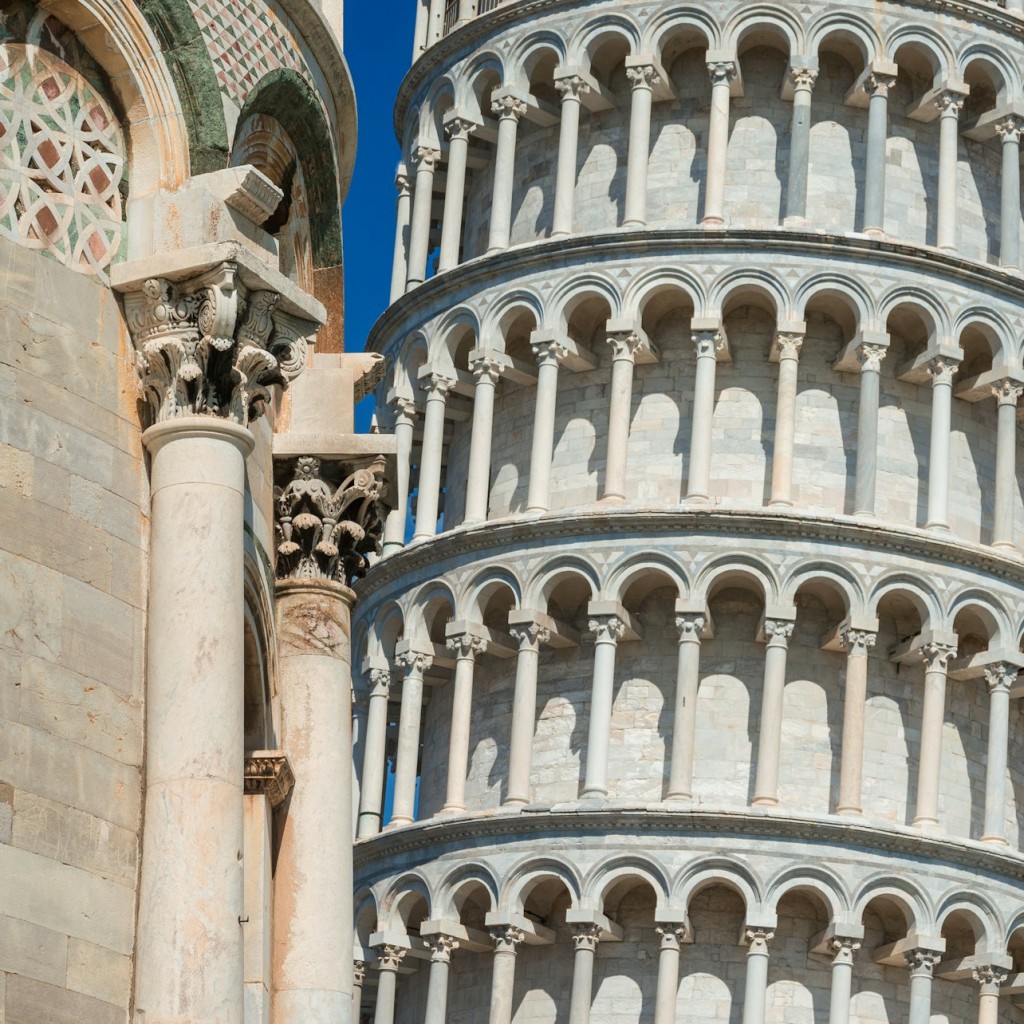
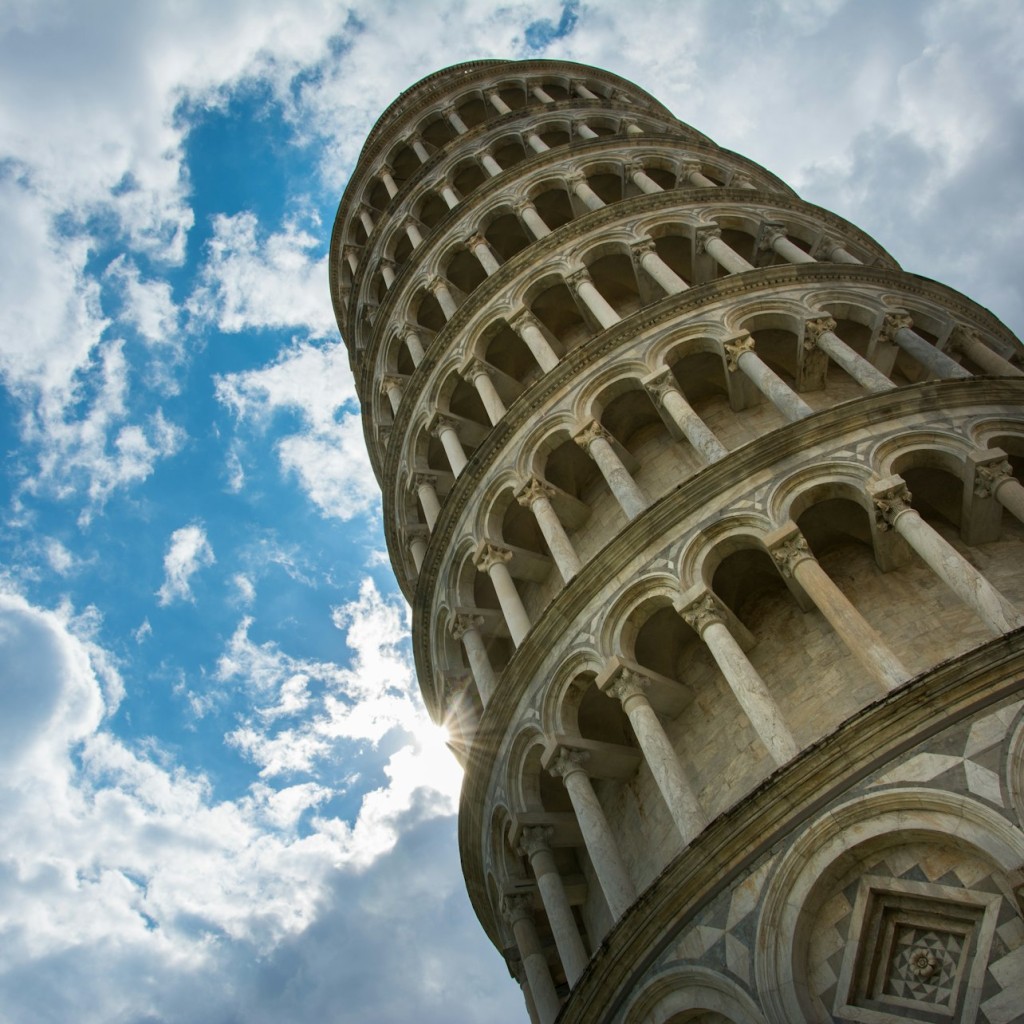
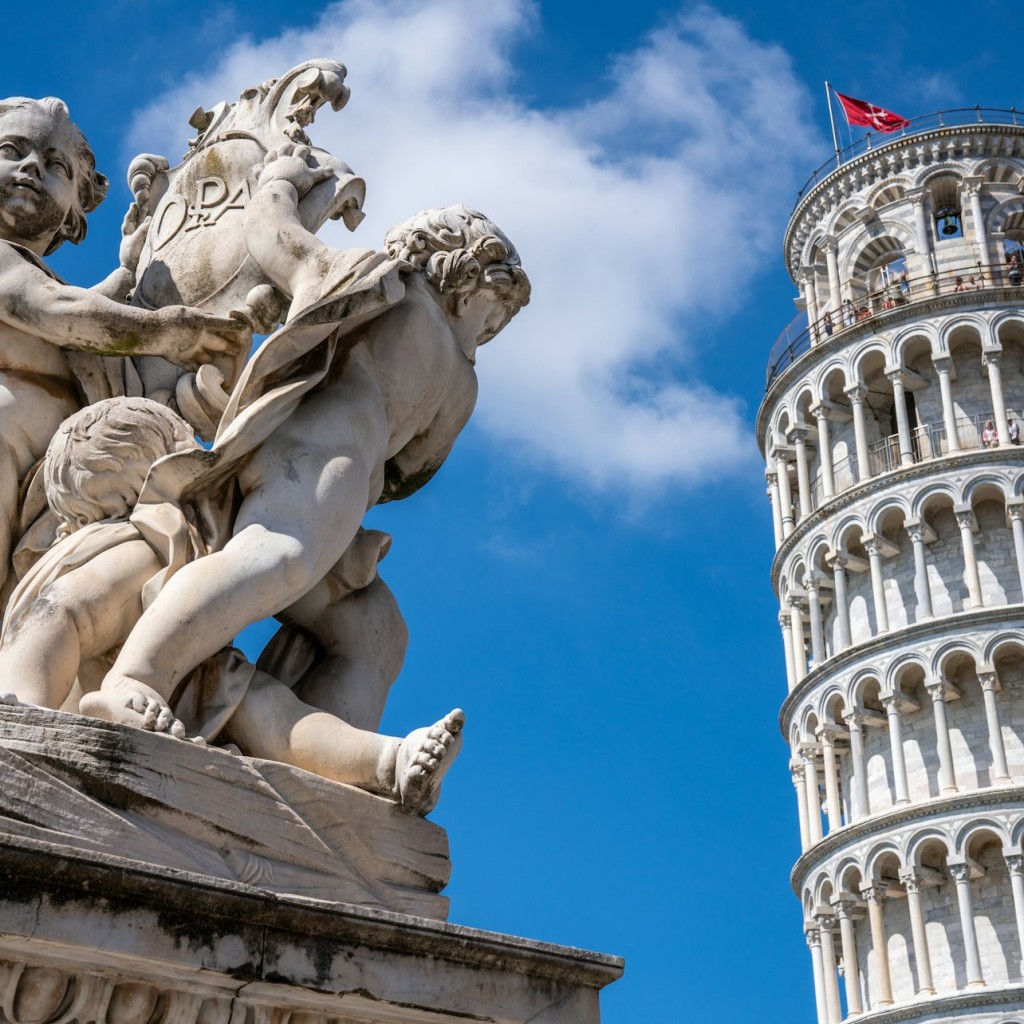
Explore a gallery of captivating images showcasing the architectural splendor and artistic treasures of Pisa Cathedral, from its stunning exterior to its magnificent interior details.
The Pisa Cathedral, or Duomo di Pisa, stands as the central jewel of the Piazza dei Miracoli (Square of Miracles), a UNESCO World Heritage site. This magnificent structure is a prime example of Pisan Romanesque architecture, renowned for its striking marble facade, intricate details, and profound artistic heritage. Consecrated in 1118, the Cathedral has witnessed centuries of history and continues to captivate visitors with its grandeur and spiritual significance. Its prominent dome and a wealth of art inside, including mosaics and a renowned pulpit, make it an essential part of any visit to Pisa, offering a deep dive into medieval Italian artistry and faith.
Pisa Cathedral, being a sacred site, requires visitors to adhere to a respectful dress code. Shoulders and knees should be covered. This means avoiding excessively revealing clothing such as tank tops, shorts, and mini-skirts. It is advisable to wear attire that is suitable for a religious environment to ensure entry and show proper respect.
Before purchase
* Nieodpowiednie dla dzieci poniżej 8 lat oraz osób z upośledzeniem ruchowym i problemami z sercem.Must know
Zapoznaj się z voucherem, aby uzyskać szczegółowe informacje na temat dostępu do atrakcjiPisa Cathedral is a breathtaking testament to the wealth and power of the Maritime Republic of Pisa in the Middle Ages. Its construction began in 1063, funded by the spoils of a naval victory against the Saracens, and it was consecrated in 1118. The design by Buscheto skillfully blends elements of classical, Byzantine, and Islamic architecture, reflecting Pisa's extensive trade connections. The exterior features tiers of arcades, richly sculpted portals, and an extensive use of white and colored marble, creating a dazzling effect. Inside, visitors are greeted by a vast nave with rows of Corinthian columns, a gilded coffered ceiling, and a stunning apse mosaic depicting Christ in Majesty. The Cathedral is not just an architectural marvel but also a repository of significant artworks, including the celebrated pulpit carved by Giovanni Pisano and Galileo's lamp, which is believed to have inspired his theory of the pendulum. Its harmonious integration within the Piazza dei Miracoli alongside the Leaning Tower, Baptistery, and Camposanto Monumentale creates an unparalleled architectural ensemble.
Booking your tickets for Pisa Cathedral online offers numerous advantages. It allows you to secure your entry in advance, saving valuable time by bypassing potential queues, especially during peak travel seasons. Online booking often provides access to a variety of ticket options, including combined tickets for the entire Pisa Monumental Complex which may include the Leaning Tower, Baptistery, and Camposanto Monumentale. This ensures a smoother and more organized visit, allowing you to focus on the experience rather than logistics. Many online options also include guided tours in various languages, enhancing your understanding of this historic site.
The history of Pisa Cathedral is deeply intertwined with the prosperity and ambition of the Maritime Republic of Pisa. Its construction began in 1063 under architect Buscheto, following a significant naval victory against the Saracens in Palermo. This victory brought immense wealth to Pisa, which was then invested in this grand project, symbolizing the city's power and devotion. The Cathedral was consecrated by Pope Gelasius II in 1118, though construction continued for many more years, with additions by architects like Rainaldo, who designed the elaborate facade. Over the centuries, the Cathedral suffered from fires, notably in 1595, which led to significant restoration and the addition of the magnificent gilded ceiling. Despite these challenges, it has retained its original Pisan Romanesque character, integrating elements from various cultures that Pisa encountered through its trade. It has been the seat of the Archbishop of Pisa and a focal point for the city's religious and civic life for over nine centuries.
The opening hours for Pisa Cathedral are subject to seasonal changes and specific religious events. Typically, the Cathedral opens in the morning, around 10:00 AM, and closes in the evening, usually between 6:00 PM and 8:00 PM, with variations for Sundays and holidays. It is generally open every day of the week. For the most current schedule, especially during specific seasons, visitors should consult up-to-date local information upon arrival.
To fully appreciate the beauty and tranquility of Pisa Cathedral, consider visiting early in the morning, shortly after opening, or later in the afternoon before closing. These times typically see fewer visitors, allowing for a more reflective experience and better photo opportunities. Weekdays are generally less crowded than weekends. Visiting during the shoulder seasons (spring and fall) can also offer pleasant weather and fewer tourists compared to the peak summer months.
Inside Pisa Cathedral, visitors will encounter a treasure trove of art and architectural splendor. The vast five-aisled nave, lined with elegant Corinthian columns, leads to the transept and apse. The gilded coffered ceiling, added in the 17th century, is a sight to behold, replacing an earlier timber roof. One of the most significant artworks is the magnificent marble pulpit by Giovanni Pisano, intricately carved with scenes from the New Testament. The apse houses a stunning mosaic of Christ Pantocrator, a Byzantine-influenced masterpiece. Look for the bronze lamp in the nave, famously known as 'Galileo's Lamp,' said to have inspired the scientist's work on the pendulum. Various chapels and altars throughout the Cathedral also feature impressive frescoes and sculptures, contributing to its rich artistic tapestry.
When visiting Pisa Cathedral, remember that entry to the interior is free for those who obtain a complimentary access pass, which can be part of a combined ticket for other monuments in the complex or obtained separately. Photography without flash is generally permitted inside. Plan your visit to include time for other attractions in the Piazza dei Miracoli, such as the Leaning Tower, Baptistery, and Camposanto Monumentale. Accessibility for visitors with mobility impairments may be limited in some areas due to the historic nature of the building.
As a place of worship, visitors are requested to maintain a respectful demeanor and silence inside the Pisa Cathedral. Large bags and backpacks may need to be stored in lockers before entry, especially during busy periods. Eating, drinking, and smoking are strictly prohibited within the Cathedral premises. Group tours are asked to keep their voices down to avoid disturbing others. Touching of artworks or architectural elements is not permitted.
Pisa Cathedral is undeniably worth visiting for anyone exploring Tuscany. It is not merely a religious building but a powerful symbol of Pisan history, art, and architectural innovation. Its stunning Romanesque facade, intricate interior details, and a rich collection of medieval art, including a world-renowned pulpit, offer a profound cultural experience. Its location within the Piazza dei Miracoli, alongside the iconic Leaning Tower, enhances its appeal, making it an integral part of one of Italy's most famous and beautiful squares. The blend of history, artistry, and spirituality makes it a truly memorable destination.
Entry to Pisa Cathedral is generally free, but you need an access pass. This pass is often included with tickets for other monuments in the Piazza dei Miracoli (like the Leaning Tower or Baptistery) or can be obtained separately at the ticket office.
The best way is to book online in advance, especially if you plan to visit multiple attractions like the Leaning Tower, Baptistery, and Camposanto Monumentale. This ensures your entry and can save time.
While the ground floor of Pisa Cathedral is largely accessible, some areas might have steps or uneven surfaces due to its historical nature. It is advisable to inquire locally for specific accessibility information upon arrival.
Photography without flash is generally permitted inside Pisa Cathedral. However, visitors are asked to be respectful and avoid disturbing others or using tripods.
As a religious site, a respectful dress code is required. Shoulders and knees must be covered. Avoid wearing tank tops, shorts, or mini-skirts to ensure entry.
A typical visit to Pisa Cathedral usually takes about 1 to 1.5 hours. This allows sufficient time to admire the architecture, artworks, and absorb the atmosphere.
Yes, various guided tours are available, often as part of a larger tour of the Piazza dei Miracoli. These can be booked online and are offered in multiple languages, providing deeper insights into the Cathedral's history and art.
The Pisa Cathedral is situated within the Piazza dei Miracoli, a short distance from Pisa Centrale train station. From the station, you can reach the square by a leisurely 20-25 minute walk, following signs for 'Torre Pendente' (Leaning Tower). Alternatively, local bus services, such as the LAM Rossa line, connect the train station to stops near the Piazza dei Miracoli, from where the Cathedral is just a few minutes' walk.
Pisa Cathedral, being a sacred site, requires visitors to adhere to a respectful dress code. Shoulders and knees should be covered. This means avoiding excessively revealing clothing such as tank tops, shorts, and mini-skirts. It is advisable to wear attire that is suitable for a religious environment to ensure entry and show proper respect.