

Co zawiera oferta
- Transport klimatyzowanym autokarem
- Darmowe Wi-Fi i bezpłatna mapa
- Wycieczka z przewodnikiem po centrum Lukki (jeśli wybrano)
- Wejście do Krzywej Wieży (jeśli wybrano)
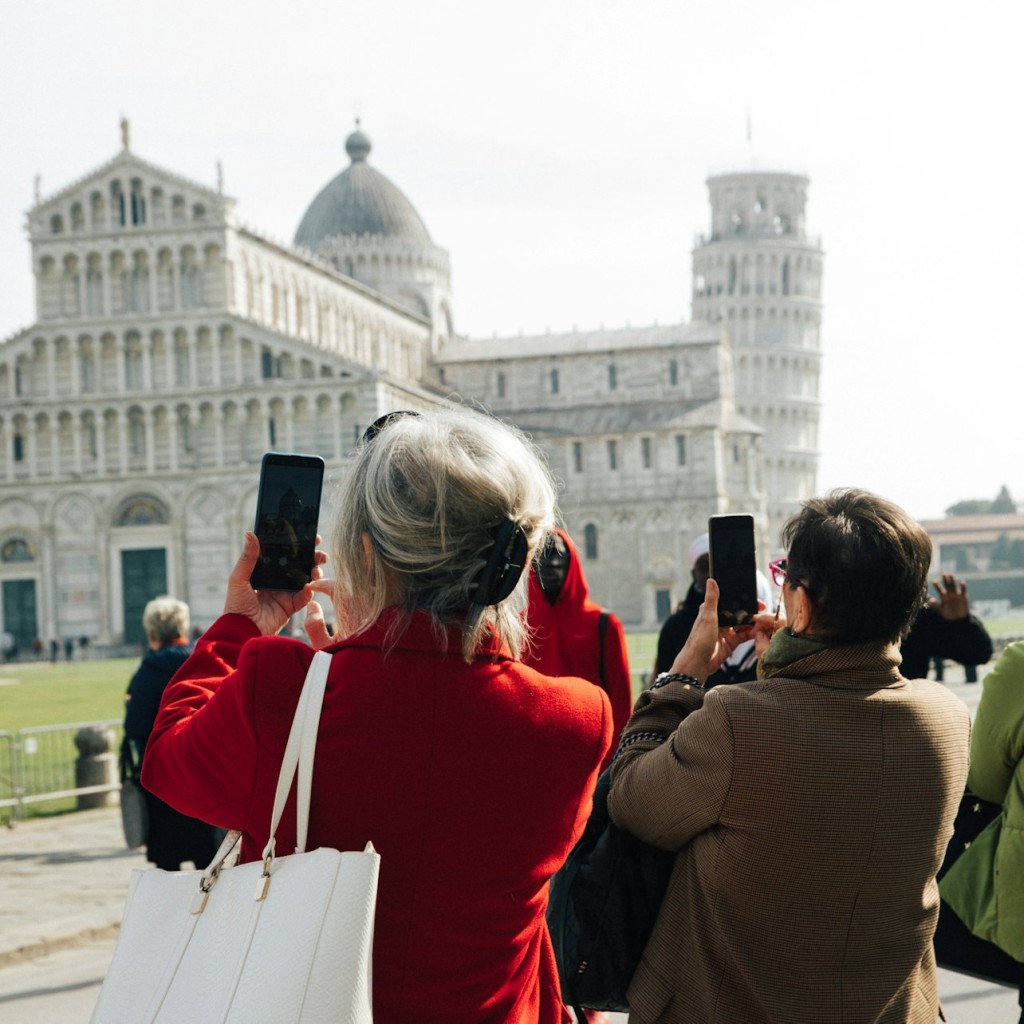
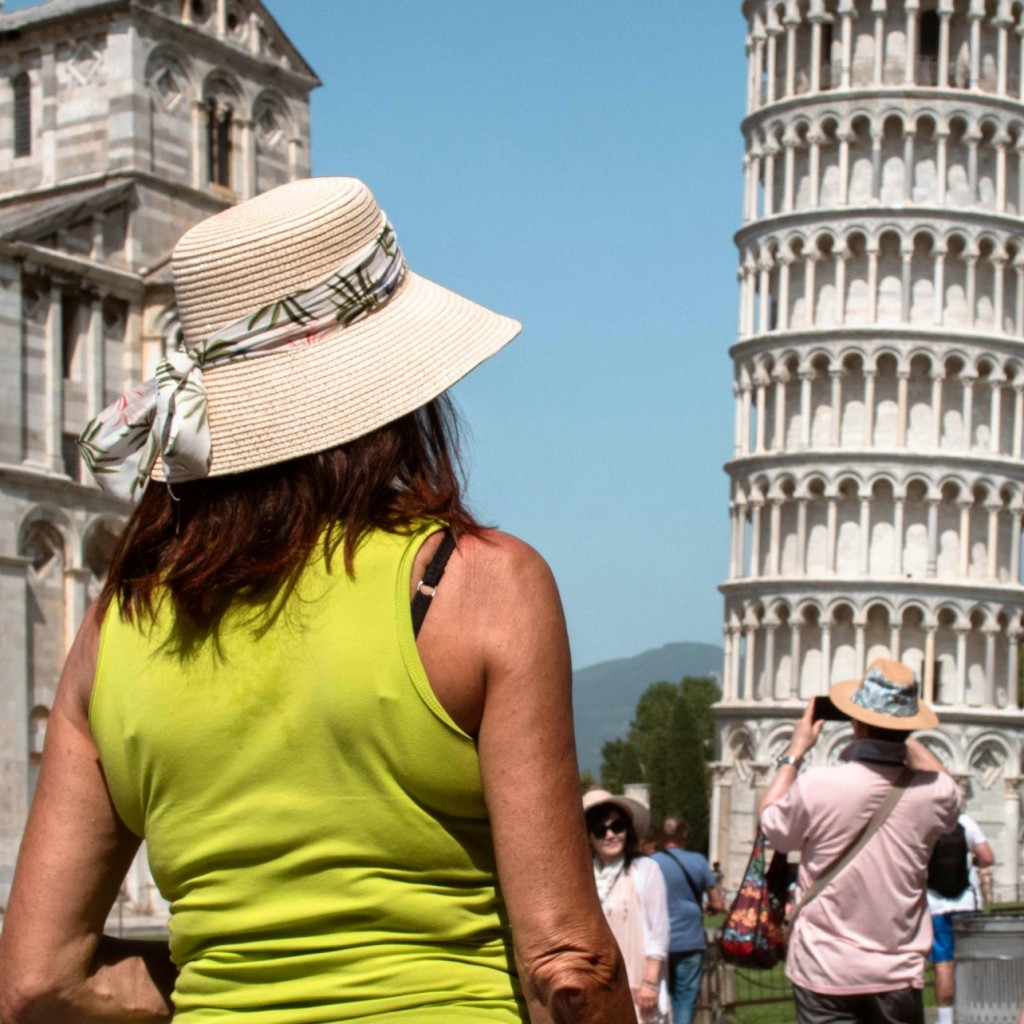
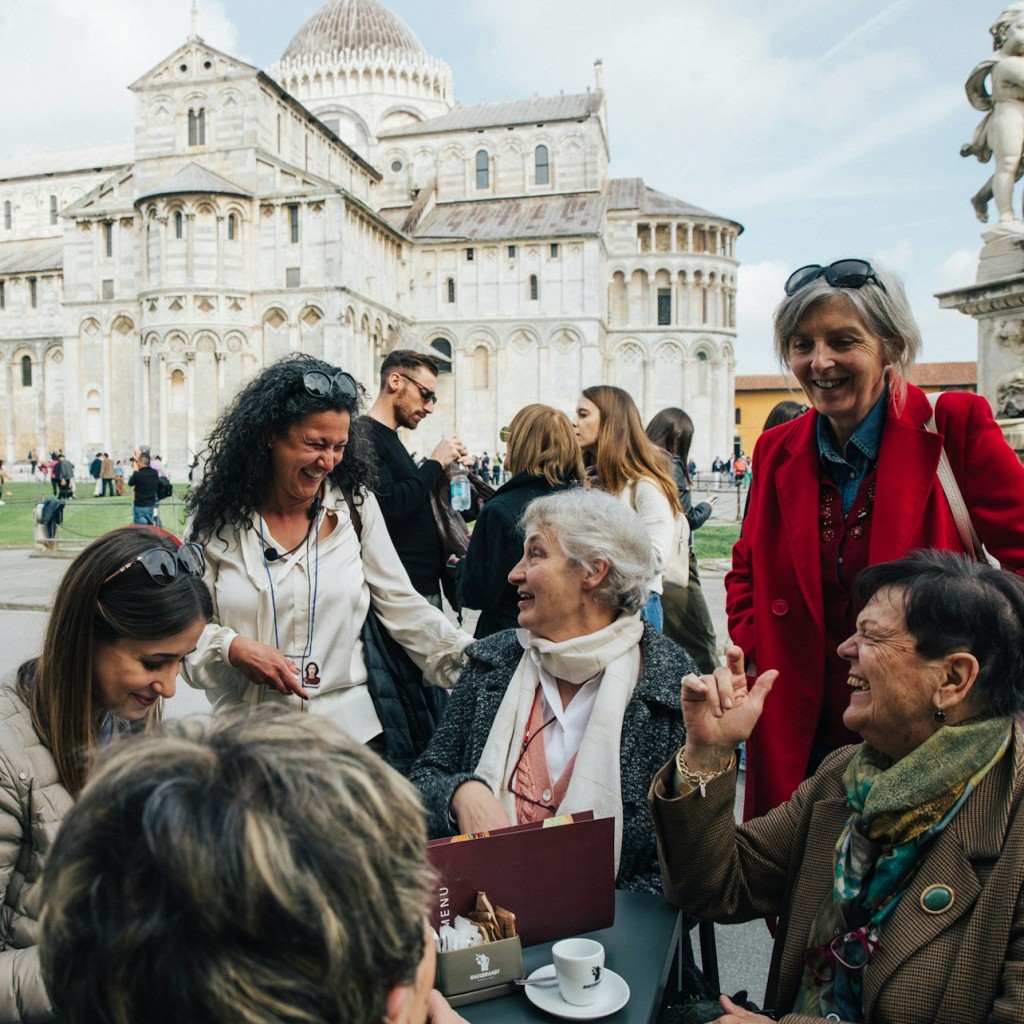
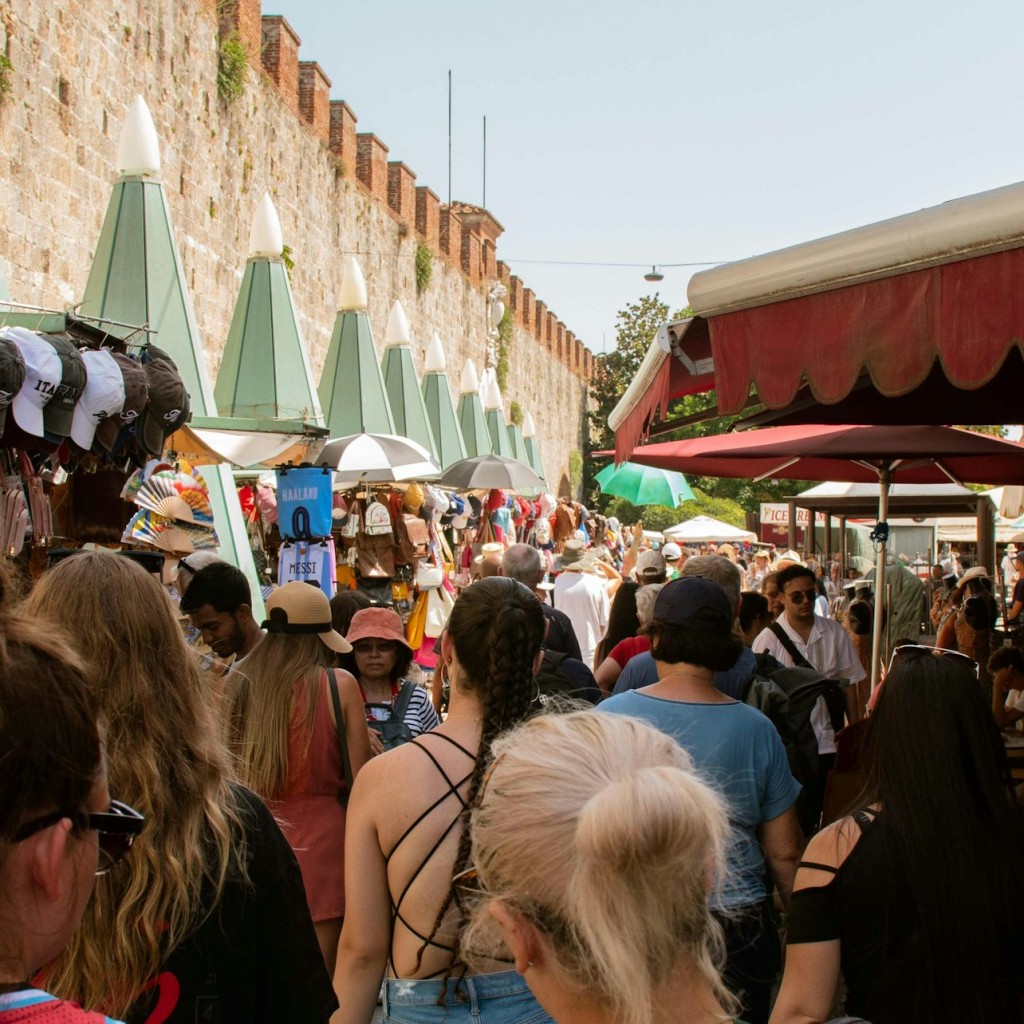
Odkryj wizualną podróż przez urzekające widoki Pizy. Od ikonicznej Krzywej Wieży po misterne detale Katedry i urok jej historycznych uliczek, te obrazy prezentują piękno, które czeka na Ciebie podczas pieszej wycieczki.
Wyrusz w wzbogacającą podróż po Pizie podczas pieszej wycieczki z przewodnikiem, to idealny sposób na odkrycie ikonicznych zabytków miasta i ukrytych skarbów. Od słynnej na cały świat Krzywej Wieży po majestatyczną Katedrę w Pizie i historyczny Plac Cudów, te wycieczki oferują kompleksowe zwiedzanie. Prowadzone przez doświadczonych lokalnych przewodników, zagłębisz się w wieki historii, podziwiasz oszałamiającą architekturę romańską i odkryjesz tętniącą życiem kulturę, która definiuje ten toskański klejnot. Piesza wycieczka zapewnia intymną perspektywę, pozwalając wchłonąć atmosferę jej starożytnych ulic i doświadczyć Pizy poza zwykłymi szlakami turystycznymi, co czyni wizytę niezapomnianą.
Na pieszą wycieczkę po Pizie, zwłaszcza podczas odwiedzania miejsc sakralnych, takich jak Katedra i Baptysterium, zaleca się skromny strój. Należy zakryć ramiona i kolana. Chociaż nie jest to ściśle egzekwowane we wszystkich obszarach zewnętrznych, zaleca się ubieranie z szacunkiem. Wygodne buty do chodzenia są niezbędne do poruszania się po brukowanych uliczkach i pokonywania odległości. Praktyczne są również warstwy odzieży, co pozwala dostosować się do zmieniających się warunków pogodowych przez cały dzień.
Piza, miasto celebrowane na całym świecie ze względu na swoją charakterystyczną Krzywą Wieżę, to znacznie więcej niż jeden cud architektury. Piesza wycieczka po jego historycznym sercu odkrywa bogatą mozaikę historii, sztuki i tętniącego życiem lokalnego życia. Rozpocznij zwiedzanie na Piazza dei Miracoli, miejscu wpisanym na Listę Światowego Dziedzictwa UNESCO, gdzie znajdują się Duomo (Katedra), Baptysterium i Cmentarz Monumentalny, obok ikonicznej Wieży. Te wspaniałe budowle prezentują wykwintny romański styl pizański, świadectwo przeszłości miasta jako potężnej republiki morskiej. Poza słynnym placem, wycieczka z przewodnikiem poprowadzi Cię przez urocze średniowieczne uliczki, obok historycznych pałaców i wzdłuż rzeki Arno, oferując wgląd w akademickie dziedzictwo Pizy i życie Galileusza. Możesz odkryć Plac Rycerzy (Piazza dei Cavalieri), niegdyś centrum polityczne, teraz centrum dla Scuola Normale Superiore. Przewodnicy zapewniają fascynujący komentarz, ożywiając historie stojące za architekturą, wybitnymi postaciami i wydarzeniami, które ukształtowały Pizę. Niezależnie od tego, czy jesteś entuzjastą historii, miłośnikiem architektury, czy po prostu szukasz wciągającego doświadczenia kulturalnego, piesza wycieczka oferuje głębokie połączenie z tym ukochanym toskańskim miastem.
Rezerwacja pieszej wycieczki po Pizie online zapewnia wygodę i spokój ducha. Zabezpiecz swoje miejsce z wyprzedzeniem, zwłaszcza w przypadku popularnych wycieczek, które obejmują bilety na wejście na Krzywą Wieżę, które często szybko się wyprzedają. Rezerwacja online gwarantuje ominięcie kolejek po bilety, oszczędzając cenny czas podczas wizyty. Otrzymasz natychmiastowe potwierdzenie i często skorzystasz z elastycznych zasad anulowania rezerwacji. Ponadto, porównanie różnych opcji wycieczek i przeczytanie recenzji z wyprzedzeniem pomoże Ci wybrać idealne doświadczenie dopasowane do Twoich zainteresowań, zapewniając płynny początek Twojej pizańskiej przygody z doświadczonym przewodnikiem.
Historia Pizy jest tak samo wspaniała i fascynująca, jak jej ikoniczne zabytki. Pierwotnie starożytna osada liguryjska, Piza zyskała na znaczeniu jako rzymska baza morska. Jej złoty wiek nastał jednak w średniowieczu, kiedy stała się jedną z potężnych Republik Morskich Włoch, obok Genui, Wenecji i Amalfi. Od XI do XIII wieku Piza dowodziła rozległym morskim i handlowym imperium w basenie Morza Śródziemnego, finansując budowę swojego wspaniałego Piazza dei Miracoli. W tym okresie potęga architektoniczna miasta osiągnęła swój zenit, tworząc charakterystyczny styl pizańskiego romańskiego. Upadek miasta rozpoczął się od bitwy pod Melorią w 1284 roku, niszczącej klęski morskiej zadanej przez Genuę. Później, w XV wieku, Piza znalazła się pod panowaniem Florencji, choć zachowała znaczenie kulturowe, zwłaszcza dzięki swojemu uniwersytetowi, jednemu z najstarszych w Europie. Galileusz, jedna z najsłynniejszych postaci w historii nauki, urodził się i studiował w Pizie, podobno przeprowadzając eksperymenty z spadającymi obiektami z Krzywej Wieży. Dziś Piza nadal przyciąga miliony turystów, nie tylko ze względu na swoją słynną wieżę, ale także ze względu na swoje trwałe dziedzictwo jako miasto o znaczeniu historycznym, artystycznym i naukowym.
Dostępność pieszych wycieczek po Pizie zmienia się w ciągu roku. W szczytowych sezonach turystycznych, zwłaszcza latem, wycieczki odbywają się częściej, często kilka razy dziennie, od rana do późnego popołudnia. Poza sezonem wycieczki mogą być rzadsze, dlatego zaleca się wcześniejsze sprawdzenie konkretnych rozkładów wycieczek. Same zabytki na Piazza dei Miracoli, takie jak Katedra, Baptysterium i Krzywa Wieża, mają własne godziny otwarcia, które również mogą się różnić w zależności od sezonu i są zazwyczaj przestrzegane podczas wycieczki z przewodnikiem.
Optymalny czas na wizytę w Pizie na pieszą wycieczkę to wiosna (kwiecień-maj) lub jesień (wrzesień-październik). Te pory roku oferują przyjemne temperatury, co sprawia, że spacery są komfortowe, a miasto jest mniej zatłoczone w porównaniu do ruchliwych miesięcy letnich. Wizyta wcześnie rano lub późnym popołudniem może również pomóc uniknąć największych tłumów na Piazza dei Miracoli i cieszyć się łagodniejszym światłem do fotografowania. Lato (czerwiec-sierpień) może być bardzo gorące i zatłoczone, natomiast zima (listopad-marzec) jest chłodniejsza i spokojniejsza, choć niektóre usługi mogą być ograniczone.
Podczas kompleksowej pieszej wycieczki po Pizie będziesz głównie zwiedzać Campo dei Miracoli, znane również jako Piazza dei Miracoli. Tutaj poznasz majestatyczną Katedrę w Pizie (Duomo), arcydzieło pizańskiego stylu romańskiego, z jej misterną fasadą i oszałamiającym wnętrzem. Obok niej stoi Baptysterium, słynące z akustyki i imponujących rozmiarów. Słynna Krzywa Wieża w Pizie jest oczywiście główną atrakcją, a wiele wycieczek oferuje wcześniej zarezerwowane bilety na wejście na szczyt, zapewniając panoramiczne widoki. Zobaczysz także Cmentarz Monumentalny (Camposanto Monumentale), starożytne miejsce pochówku z pięknymi freskami i sarkofagami. Poza tym centralnym placem, wycieczki często zapuszczają się w historyczne centrum miasta, odkrywając urocze średniowieczne uliczki, tętniący życiem Piazza dei Cavalieri z Palazzo della Carovana oraz malownicze Lungarni (nadbrzeżne promenady) wzdłuż rzeki Arno, ukazując pełniejszy obraz Pizy.
Planując pieszą wycieczkę po Pizie, załóż wygodne buty, ponieważ będziesz dużo chodzić. Zabierz ze sobą butelkę wody, zwłaszcza w cieplejszych miesiącach, oraz rozważ kapelusz i krem z filtrem. Chociaż wycieczki zazwyczaj odbywają się niezależnie od pogody, sprawdź prognozę i zabierz parasol lub lekką kurtkę przeciwdeszczową, jeśli zajdzie taka potrzeba. Uważaj na swoje rzeczy w zatłoczonych miejscach. Niektóre wycieczki mogą obejmować wchodzenie po schodach, zwłaszcza jeśli w planach jest Krzywa Wieża, więc oceń swoją kondycję fizyczną. Przewodnicy to eksperci; nie wahaj się zadawać pytań, aby wzbogacić swoje doświadczenie. Na koniec upewnij się, że aparat lub telefon są naładowane, aby uwiecznić piękno Pizy.
Odwiedzający podczas pieszych wycieczek są zobowiązani do przestrzegania ogólnych zasad zachowania w miejscach publicznych oraz specyficznych zasad dla każdego obiektu. W miejscach sakralnych, takich jak Katedra, wymagane jest zachowanie ciszy i szacunku. Fotografowanie jest zazwyczaj dozwolone w większości obszarów zewnętrznych, ale mogą obowiązywać ograniczenia wewnątrz niektórych zabytków lub wystaw. Duże torby lub plecaki mogą wymagać zdeponowania w szafkach przed wejściem do niektórych atrakcji, takich jak Krzywa Wieża. Zawsze postępuj zgodnie z instrukcjami przewodnika, zwłaszcza w kwestii bezpieczeństwa i poruszania się grupy, aby zapewnić płynne i przyjemne doświadczenie dla wszystkich.
Piza jest niezaprzeczalnie warta odwiedzenia, oferując znacznie więcej niż tylko okazję do zrobienia zdjęcia z jej ikoniczną Krzywą Wieżą. Piesza wycieczka pozwala zagłębić się w bogatą historię miasta jako potężnej republiki morskiej i centrum kulturalnego. Poza Piazza dei Miracoli odkryjesz urocze średniowieczne uliczki, imponujące pałace i malownicze widoki nad rzeką. Doświadczenie spacerowania po tych historycznych miejscach z doświadczonym przewodnikiem ożywia miasto, oferując wgląd w jego sztukę, architekturę i życie postaci takich jak Galileusz. To wciągający sposób, aby docenić unikalny urok i trwałe dziedzictwo Pizy.
Tak, większość pieszych wycieczek po Pizie jest zaprojektowana tak, aby była dostępna dla osób w różnym wieku. Jednak niektóre wycieczki mogą wiązać się ze sporą ilością chodzenia i stania, a konkretne aktywności, takie jak wspinaczka na Krzywą Wieżę, wymagają pewnego poziomu sprawności fizycznej. Zawsze najlepiej jest sprawdzić szczegóły konkretnej wycieczki pod kątem ograniczeń wiekowych lub ruchowych.
Niektóre piesze wycieczki po Pizie obejmują wcześniej zarezerwowane bilety na wspinaczkę na Krzywą Wieżę, podczas gdy inne mogą skupiać się na zewnętrznej stronie zabytków na Piazza dei Miracoli. Zawsze dokładnie zapoznaj się z opisem wycieczki, aby zrozumieć, co jest wliczone w cenę, zwłaszcza w odniesieniu do opłat za wstęp do konkretnych atrakcji.
Wygodne buty do chodzenia są niezbędne. Ponadto, odwiedzając miejsca kultu religijnego, takie jak Katedra i Baptysterium, należy nosić ubranie zakrywające ramiona i kolana. Zaleca się również ubranie warstwowe, aby dostosować się do zmieniających się warunków pogodowych.
Chociaż wiele części historycznego centrum Pizy jest stosunkowo płaskich, niektóre obszary mogą mieć nierówne brukowane ulice lub ograniczoną dostępność ze względu na historyczną architekturę. Zaleca się bezpośredni kontakt z organizatorem wycieczki w celu uzyskania informacji na temat konkretnych opcji dostępności i tras dla użytkowników wózków inwalidzkich.
Większość pieszych wycieczek odbywa się niezależnie od pogody. W przypadku deszczu przewodnicy zazwyczaj kontynuują wycieczkę, a zaleca się zabranie parasola lub płaszcza przeciwdeszczowego. Jeśli ekstremalne warunki pogodowe stwarzają zagrożenie dla bezpieczeństwa, operator wycieczki zazwyczaj dostarcza informacje na temat zmiany terminu lub zwrotów pieniędzy.
Generalnie fotografowanie jest dozwolone w większości obszarów zewnętrznych i przestrzeni publicznych podczas wycieczki. Jednakże, w niektórych zabytkach lub muzeach mogą obowiązywać szczególne ograniczenia, zwłaszcza dotyczące fotografii z fleszem. Twój przewodnik poinformuje Cię o wszelkich takich ograniczeniach.
Tak, dostępne są różne opcje pieszych wycieczek po Pizie, od standardowych wycieczek grupowych po bardziej wyspecjalizowane doświadczenia, takie jak wycieczki prywatne, wycieczki kulinarne lub wycieczki skupiające się na konkretnych aspektach historycznych. Często można znaleźć opcje obejmujące transport z pobliskich miast lub łączące Pizę z innymi toskańskimi miejscami docelowymi, takimi jak Lukka.
Piza jest dobrze połączona kolejowo z głównymi włoskimi miastami. Główna stacja, Pisa Centrale, znajduje się około 20-25 minut spacerem od Piazza dei Miracoli. Alternatywnie, lokalne autobusy (linia LAM Rossa) często kursują ze stacji bezpośrednio w rejon Wieży. Jeśli przyjeżdżasz samochodem, poza centrum miasta dostępnych jest kilka płatnych parkingów, skąd można dojść pieszo lub skorzystać z krótkiej przejażdżki autobusem. Wiele wycieczek podaje konkretne miejsce zbiórki, często centralnie położone i łatwo dostępne transportem publicznym lub pieszo.
Na pieszą wycieczkę po Pizie, zwłaszcza podczas odwiedzania miejsc sakralnych, takich jak Katedra i Baptysterium, zaleca się skromny strój. Należy zakryć ramiona i kolana. Chociaż nie jest to ściśle egzekwowane we wszystkich obszarach zewnętrznych, zaleca się ubieranie z szacunkiem. Wygodne buty do chodzenia są niezbędne do poruszania się po brukowanych uliczkach i pokonywania odległości. Praktyczne są również warstwy odzieży, co pozwala dostosować się do zmieniających się warunków pogodowych przez cały dzień.