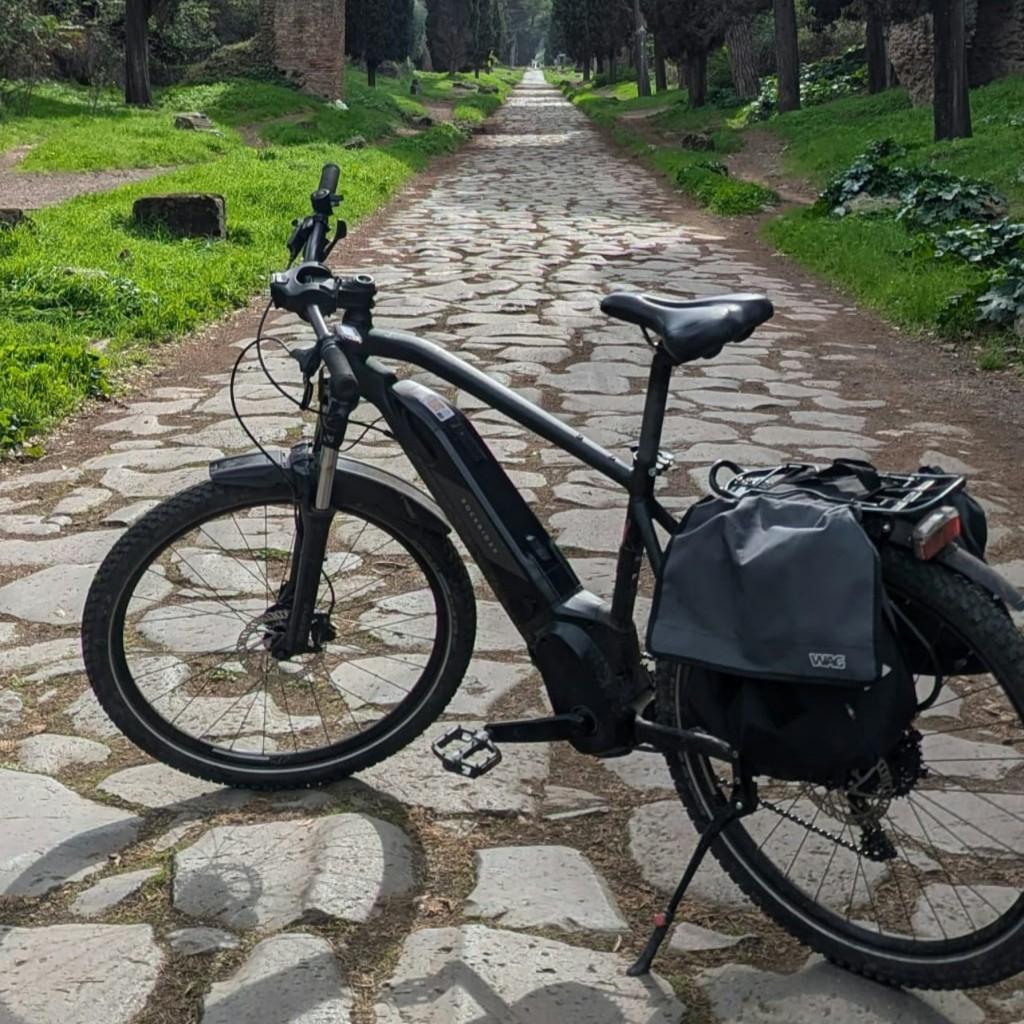
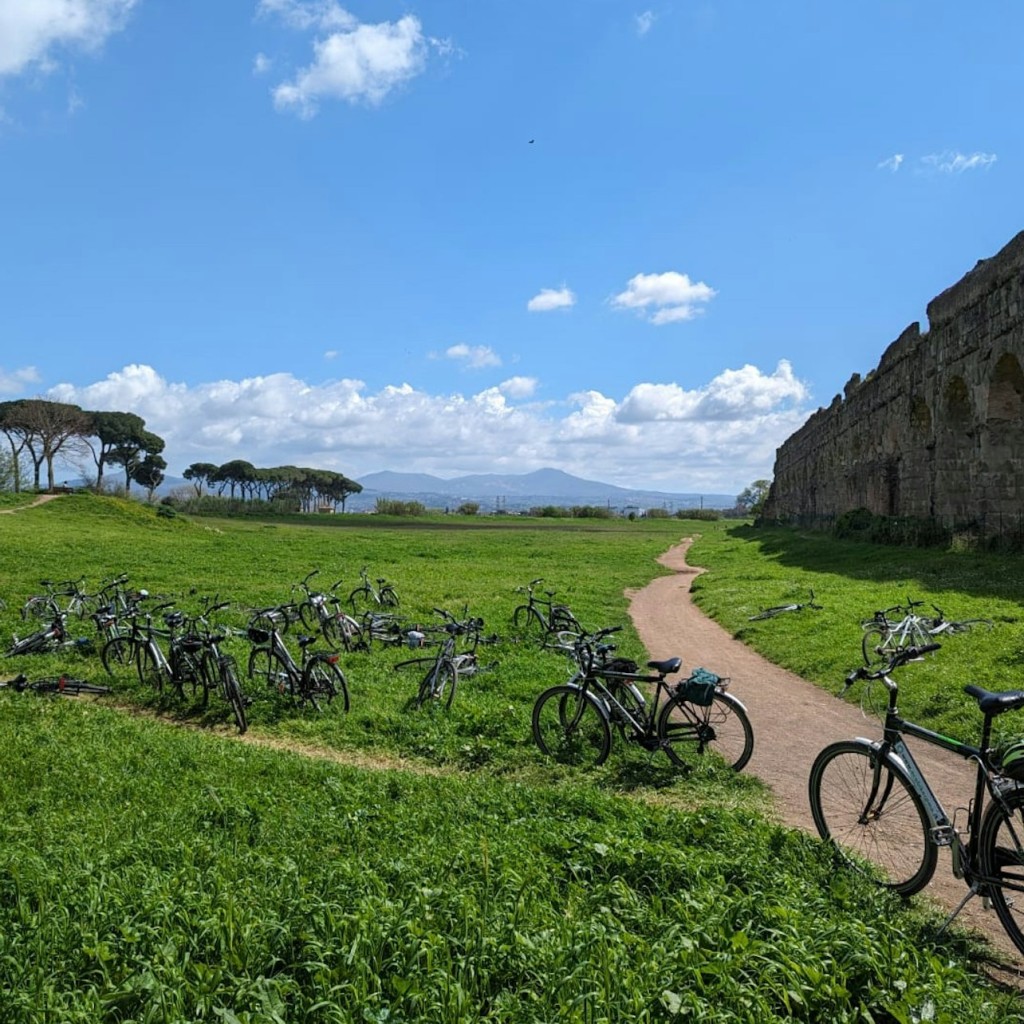
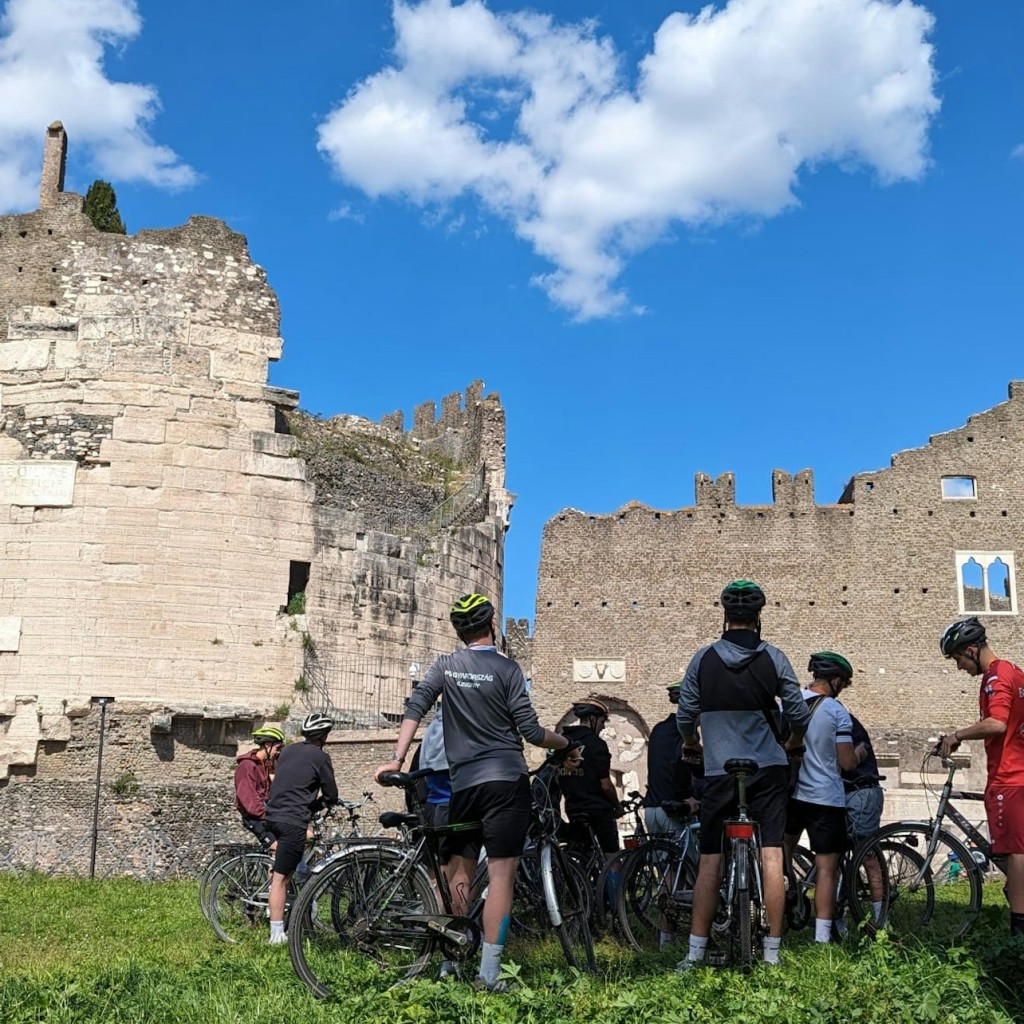
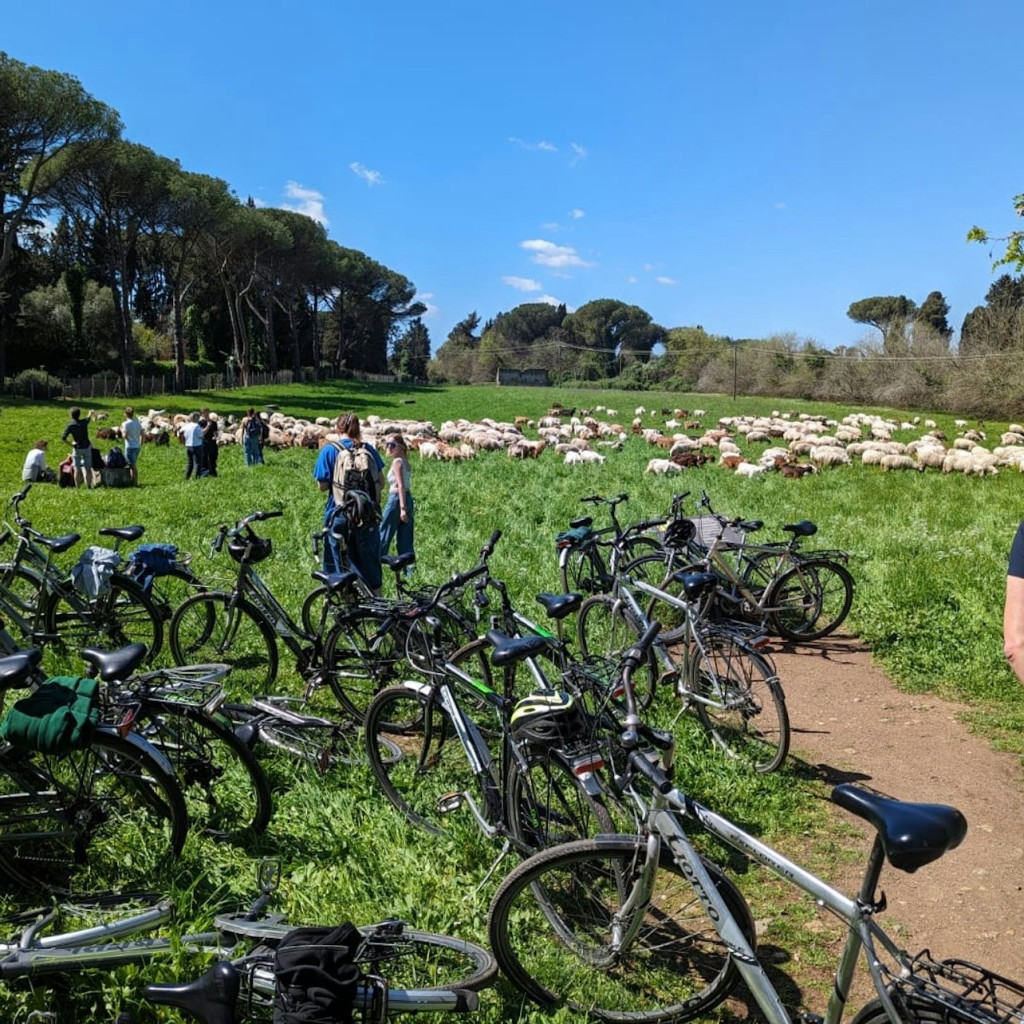


Co zawiera oferta
- Wysokiej jakości wypożyczalnia rowerów (rozmiar koła 26", 27,5" lub 28")
- Kaski i zamki rowerowe
Odkryj ponadczasowe piękno i historyczną wielkość Via Appia Antica dzięki tym urzekającym obrazom.
Appia Antica, czyli Droga Appijska, jest jedną z najbardziej znaczących historycznie starożytnych dróg w Rzymie, oferującą wyjątkową podróż przez ponad dwa tysiąclecia historii. Ten cud rzymskiej inżynierii, niegdyś kluczowa arteria wojskowa i gospodarcza, obecnie służy jako niezwykłe muzeum na świeżym powietrzu. Odwiedzający mogą zwiedzać rozległy park archeologiczny, idąc śladami cesarzy, żołnierzy i kupców. Niezależnie od tego, czy zdecydujesz się na spacer, jazdę na rowerze, czy wycieczkę z przewodnikiem, Appia Antica obiecuje wciągające doświadczenie wśród starożytnych ruin, wspaniałych mauzoleów, podziemnych katakumb i spokojnej rzymskiej wsi. To idealna ucieczka od zgiełku miasta, zapraszająca do eksploracji i refleksji nad trwałym dziedzictwem Rzymu.
Podczas wizyty na Via Appia Antica, zdecydowanie zaleca się swobodny i wygodny strój. Biorąc pod uwagę, że większość doświadczenia polega na chodzeniu lub jeździe na rowerze na zewnątrz po nierównych powierzchniach, praktyczne ubrania i solidne, wygodne buty są niezbędne. W cieplejszych miesiącach wskazane są lekkie, oddychające tkaniny i nakrycie głowy dla ochrony przed słońcem. W chłodniejszych porach roku najlepiej ubierać się warstwowo. Jeśli planujesz odwiedzić jakiekolwiek katakumby lub miejsca sakralne po drodze, z szacunku należy założyć ubranie zakrywające ramiona i kolana.
Appia Antica to znacznie więcej niż tylko starożytna droga; to świadectwo potęgi inżynieryjnej i głębi historycznej Cesarstwa Rzymskiego. Oddana do użytku w 312 roku p.n.e. przez Appiusza Klaudiusza Cenzora, droga pierwotnie rozciągała się z Rzymu do Kapui, ostatecznie docierając do Brindisi, czyniąc ją kluczowym połączeniem dla ruchów wojskowych i handlowych na Półwyspie Apenińskim. Dziś w dużej mierze zachowała się jej oryginalna, brukowana nawierzchnia, zapraszając odwiedzających do przemierzania krajobrazu usianego skarbami archeologicznymi. Regionalny Park Appii Antica chroni to bezcenne dziedzictwo, obejmując nie tylko samą drogę, ale także ważne miejsca, takie jak Katakumby Kaliksta i Domicelli, Grobowiec Cecylii Metelli, Cyrk i Willę Maksencjusza oraz fragmenty starożytnych akweduktów. Zwiedzanie Appii Antica oferuje spokojne, a jednocześnie głębokie połączenie z przeszłością Rzymu, pozwalając na cichą kontemplację wśród monumentalnych ruin i malowniczych krajobrazów. To idealne miejsce dla tych, którzy szukają połączenia historii, natury i aktywnej eksploracji, z dala od miejskiego zgiełku.
Rezerwacja wizyty na Via Appia Antica online zapewnia wygodę i dostęp do różnorodnych wycieczek i wypożyczalni, umożliwiając dostosowanie zwiedzania. Możesz wybrać się na wycieczki z przewodnikiem, które obejmują transfery i wstęp do znaczących miejsc, takich jak katakumby, lub zdecydować się na wycieczki e-rowerem, które pokrywają większy obszar, rozciągając się do rzymskiego podziemia, akweduktów, a nawet Castel Gandolfo. Rezerwacja z wyprzedzeniem oszczędza czas, gwarantuje miejsce i często zapewnia lepsze ceny niż zakupy na miejscu. Opcje takie jak wycieczka z przewodnikiem po Via Appia Antica i Katakumbach św. Kaliksta, wycieczka e-rowerem po Via Appia Antica i Rzymskim Podziemiu, czy proste wypożyczenie roweru na 1 godzinę są łatwo dostępne, aby wzbogacić Twoją eksplorację.
Via Appia Antica, często nazywana „Królową Dróg”, została otwarta w 312 roku p.n.e. przez cenzora Apuliusza Klaudiusza Cecusa. Jej początkowym celem był cel wojskowy, zapewniający rzymskim legionom bezpośrednią trasę z Rzymu do Kapui w Kampanii podczas wojen samnickich. Przez wieki była rozbudowywana dalej na południe, ostatecznie docierając do Brindisi w Apulii, co uczyniło ją najważniejszą arterią handlową i wojskową w Republice Rzymskiej i Cesarstwie. Budowa drogi była cudem inżynierii, charakteryzującym się dużymi, ściśle dopasowanymi kamieniami wulkanicznymi (bloki bazaltowe) ułożonymi na solidnej podstawie, z których niektóre są widoczne do dziś. Wzdłuż jej ścieżki zamożni Rzymianie budowali imponujące grobowce, mauzolea i wille, przekształcając pobocze w wielką nekropolię i symbol statusu. Po upadku zachodniego Cesarstwa Rzymskiego droga w wielu sekcjach popadła w ruinę i zapomnienie, ale jej znaczenie historyczne przetrwało. W czasach nowożytnych podjęto wysiłki w celu zachowania i ochrony tego bezcennego dziedzictwa, co doprowadziło do utworzenia Regionalnego Parku Appia Antica, który chroni jego krajobraz archeologiczny i naturalny dla przyszłych pokoleń.
Jako rozległy park archeologiczny, sama Via Appia Antica nie ma tradycyjnych godzin otwarcia i zamknięcia, co oznacza, że droga i jej naturalne otoczenie są dostępne przez cały dzień. Jednak liczne stanowiska archeologiczne i katakumby położone wzdłuż Drogi Apijskiej, takie jak Katakumby Kaliksta czy Grobowiec Cecylii Metelli, działają w określonych godzinach dla zwiedzających. Miejsca te zazwyczaj otwierają się rano i zamykają późnym popołudniem, a wiele z nich jest zamkniętych w poniedziałki, niedziele lub na przerwy obiadowe. Zaleca się wzięcie pod uwagę godzin otwarcia wszelkich konkretnych atrakcji wewnętrznych, które chcesz odwiedzić, planując swoją podróż wzdłuż Via Appia Antica.
Idealny czas na eksplorację Via Appia Antica to wiosna (kwiecień-maj) i jesień (wrzesień-październik), kiedy pogoda jest łagodna, a naturalny krajobraz jest szczególnie piękny. Poranki są zazwyczaj najlepsze, aby uniknąć upału w południe, zwłaszcza latem, i doświadczyć starożytnej drogi w spokojniejszej, bardziej refleksyjnej atmosferze, zanim pojawią się większe tłumy. Dni powszednie mogą oferować spokojniejsze doświadczenie w porównaniu do weekendów. Odwiedzanie w tych okresach zapewnia również komfortowe warunki do spacerów lub jazdy na rowerze, co ułatwia docenienie rozległego otoczenia historycznego i naturalnego.
Wzdłuż Via Appia Antica czeka na odkrycie mnóstwo starożytnych miejsc. Kluczowe atrakcje to Katakumby Kaliksta, jedno z najważniejszych i najlepiej zachowanych wczesnochrześcijańskich miejsc pochówku, oraz Katakumby Domitylli, znane z rozległej sieci podziemnych przejść i fresków. Dalej, monumentalny Grobowiec Cecylii Metelli stoi jako wspaniałe mauzoleum z I wieku p.n.e., uderzający przykład rzymskiej architektury grobowej. W pobliżu znajdują się ruiny Cyrku Maksencjusza, niezwykle dobrze zachowanego rzymskiego toru wyścigów rydwanów, oraz pozostałości Cesarskiej Willi Maksencjusza. Via Appia Antica przechodzi również przez lub w pobliżu części Parco degli Acquedotti, gdzie można zobaczyć kolosalne starożytne rzymskie akwedukty, prezentujące osiągnięcia inżynierii hydraulicznej Rzymu.
Planując wizytę na Via Appia Antica, niezbędne są wygodne buty do chodzenia, zwłaszcza jeśli zamierzasz odkrywać starożytne bruki pieszo. Zdecydowanie zaleca się zabranie wody, przekąsek i ochrony przeciwsłonecznej (czapka, krem z filtrem), ponieważ cień może być ograniczony na niektórych odcinkach. Rozważ wypożyczenie roweru lub e-roweru, aby efektywniej pokonać dużą odległość i zobaczyć więcej miejsc. Wiele wypożyczalni znajduje się w pobliżu wejścia do parku. Mapa lub urządzenie z GPS i trasą jest przydatne do nawigacji. Aby głębiej zrozumieć historię i miejsca, dołączenie do wycieczki z przewodnikiem jest bardzo korzystne, ponieważ doświadczeni przewodnicy mogą ożywić starożytne ruiny fascynującymi historiami i kontekstem historycznym.
Odwiedzających Regionalny Park Appia Antica zachęca się do poszanowania środowiska historycznego i naturalnego. Prosimy o pozostawanie na wyznaczonych ścieżkach, aby chronić starożytne ruiny i roślinność. Zaśmiecanie jest surowo zabronione; wszelkie odpady należy wyrzucać prawidłowo. Pikniki są dozwolone w wyznaczonych miejscach, ale otwarte ogniska nie. Jazda na rowerze jest dozwolona na głównej drodze, ale na niektórych mniejszych stanowiskach archeologicznych lub w wrażliwych obszarach może być wymagane zejście z roweru. Psy są zazwyczaj dozwolone, ale muszą być trzymane na smyczy. Zawsze pamiętaj o innych odwiedzających i nie zakłócaj spokoju parku.
Via Appia Antica jest absolutnie warta odwiedzenia dla każdego, kto szuka głębokiego połączenia ze starożytną historią Rzymu i orzeźwiającej ucieczki w naturę. Oferuje wyjątkową okazję do spacerowania lub jazdy na rowerze bezpośrednio po ścieżkach cesarzy i gladiatorów, odkrywając niezrównane muzeum pod gołym niebem, wypełnione monumentalnymi grobowcami, historycznymi willami i wczesnochrześcijańskimi katakumbami. W przeciwieństwie do tętniącego życiem centrum miasta, Via Appia Antica zapewnia spokojne otoczenie, gdzie historia rozwija się wśród malowniczych krajobrazów. To idealne miejsce dla entuzjastów historii, miłośników przyrody i tych, którzy szukają aktywnego, wzbogacającego doświadczenia poza typowymi atrakcjami turystycznymi.
Appia Antica, czyli Droga Apijska, to jedna z najstarszych i najbardziej znaczących historycznie dróg rzymskich, zbudowana w 312 roku p.n.e. Dziś to rozległy park archeologiczny, który umożliwia zwiedzającym odkrywanie starożytnych ruin, katakumb i pomników.
Wizyta może trwać od 3 do 5 godzin, w zależności od tego, czy spacerujesz, czy jeździsz na rowerze, oraz ile miejsc chcesz zbadać. Wycieczki na rowerach elektrycznych mogą pokonać większy obszar w krótszym czasie.
Tak, jazda na rowerze to bardzo popularny sposób na zwiedzanie Appia Antica. Rowery lub rowery elektryczne można wypończyć w pobliżu wejścia do parku lub dołączyć do zorganizowanej wycieczki na rowerach elektrycznych.
Tak, dostępnych jest wiele wycieczek z przewodnikiem, często obejmujących transfery z Rzymu, wynajem rowerów oraz wstęp do kluczowych miejsc, takich jak katakumby. Te wycieczki dostarczają cennych informacji historycznych.
Główne atrakcje to Katakumby Kaliksta i Domicylli, Grobowiec Cecylii Metelli, Cyrk Maksencjusza, Willa Kwintyliuszów oraz widoczne fragmenty starożytnych akweduktów.
Regionalny Park Appia Antica sam w sobie nie pobiera opłat za wstęp, ponieważ jest to otwarta przestrzeń publiczna. Jednakże, poszczególne stanowiska archeologiczne i katakumby wzdłuż drogi, takie jak Katakumby Kaliksta, wymagają osobnych biletów.
Początek Appia Antica znajduje się zaledwie kilka kilometrów na południowy wschód od centrum Rzymu, łatwo dostępny transportem publicznym lub transferami turystycznymi.
Aby dotrzeć na Via Appia Antica, można skorzystać z transportu publicznego z centrum Rzymu. Popularnym rozwiązaniem jest autobus linii 118 lub 218 z centrum miasta, który dowiezie Cię w pobliże początkowego odcinka Drogi Apijskiej i jej wybitnych miejsc, takich jak Katakumby Kaliksta czy Centrum Turystyczne Parku Appia Antica. Alternatywnie, wiele wycieczek z przewodnikiem obejmuje bezpośrednie transfery, oferując wygodny sposób dotarcia do punktów początkowych i kluczowych atrakcji bez konieczności korzystania z transportu publicznego. Po dotarciu na miejsce, jazda na rowerze jest również popularnym sposobem zwiedzania.
Podczas wizyty na Via Appia Antica, zdecydowanie zaleca się swobodny i wygodny strój. Biorąc pod uwagę, że większość doświadczenia polega na chodzeniu lub jeździe na rowerze na zewnątrz po nierównych powierzchniach, praktyczne ubrania i solidne, wygodne buty są niezbędne. W cieplejszych miesiącach wskazane są lekkie, oddychające tkaniny i nakrycie głowy dla ochrony przed słońcem. W chłodniejszych porach roku najlepiej ubierać się warstwowo. Jeśli planujesz odwiedzić jakiekolwiek katakumby lub miejsca sakralne po drodze, z szacunku należy założyć ubranie zakrywające ramiona i kolana.