

Co zawiera oferta
- Wstęp do muzeum (jeśli wybrano)
- Dostęp do wystawy czasowej „Impresjonizm i poza nią” (jeśli wybrano)
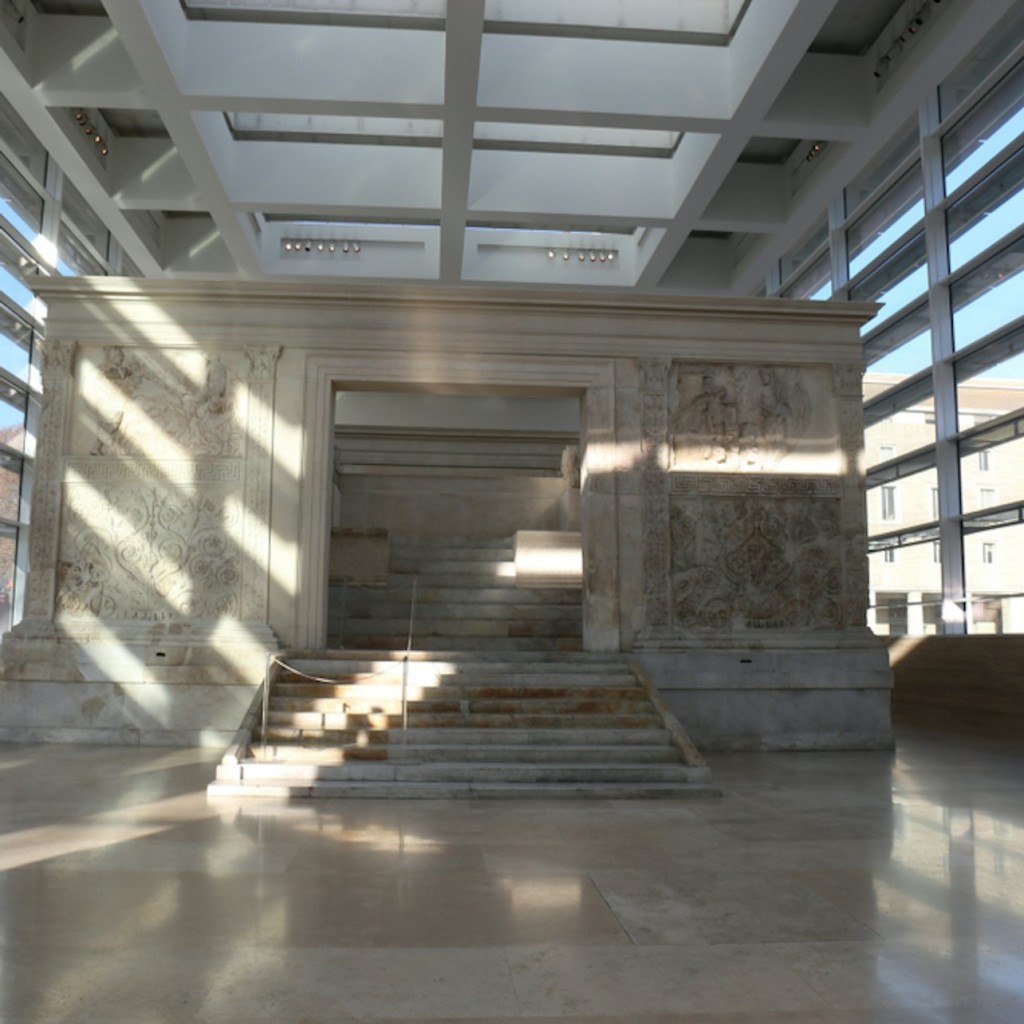
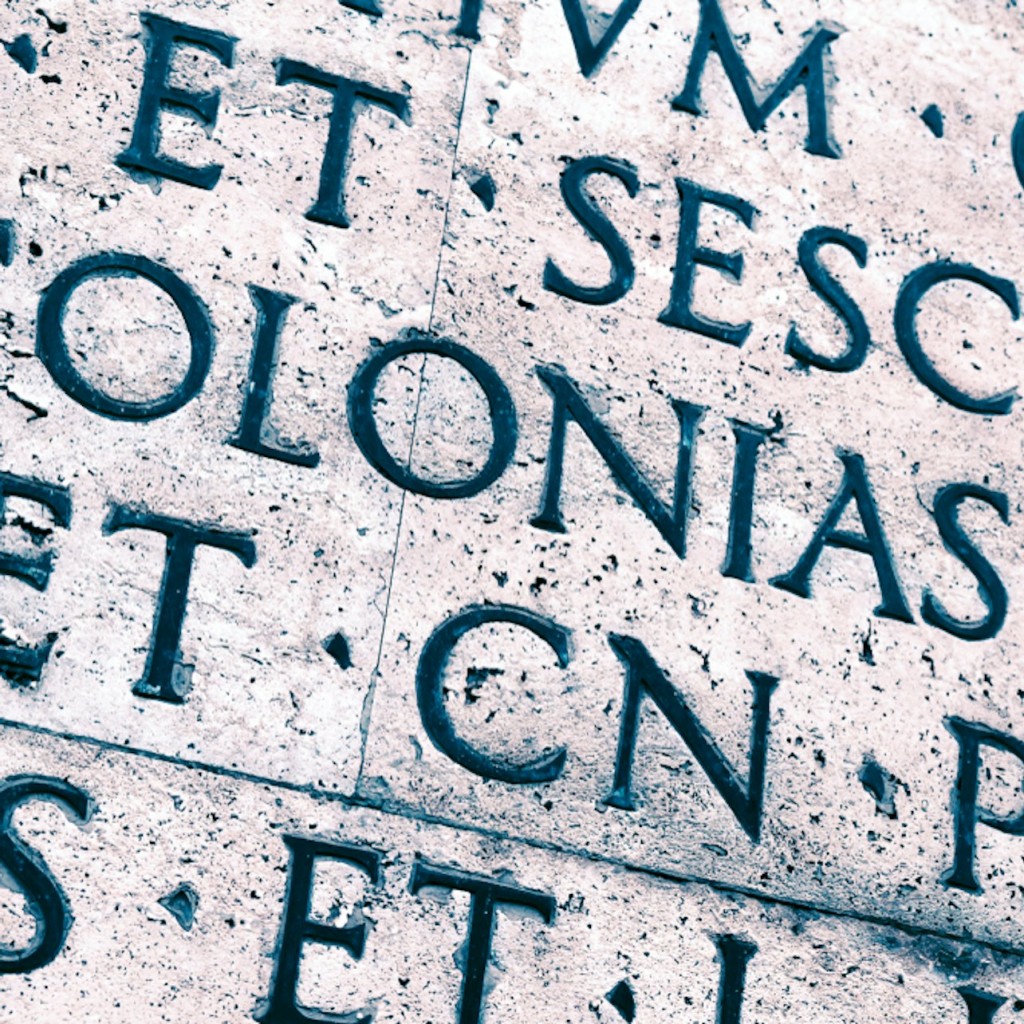
Odkryj piękno Muzeum Ara Pacis i jego wspaniałego ołtarza poprzez te obrazy, prezentujące zarówno jego starożytne płaskorzeźby, jak i nowoczesne otoczenie architektoniczne.
Wejdź do wyjątkowego cudu architektury, mieszczącego jeden z najważniejszych starożytnych skarbów Rzymu: Ara Pacis Augustae. Muzeum Ara Pacis, zaprojektowane przez Richarda Meiera, oferuje wyjątkowe połączenie klasycznej starożytności i nowoczesnego designu. Służy jako ochronna obudowa dla Ołtarza Pokoju Augusta, oszałamiającego pomnika zleconego przez cesarza Augusta. Zwiedzający mogą podziwiać misternie rzeźbione reliefy marmurowe, przedstawiające sceny historyczne i mitologiczne, oferujące głęboki wgląd w Pax Romana. Muzeum gości również fascynujące wystawy czasowe, takie jak „Impresjonizm & Poza nim”, wzbogacając doświadczenie zwiedzających o różnorodne perspektywy artystyczne w tym ikonicznym otoczeniu.
Nie ma konkretnego, ścisłego kodu ubioru wymaganego do odwiedzenia Muzeum Ara Pacis, ponieważ jest to muzeum świeckie. Zawsze jednak zaleca się ubieranie wygodnie i z szacunkiem. Strój codzienny jest w pełni akceptowalny. Biorąc pod uwagę, że możesz dużo chodzić zarówno w muzeum, jak i w drodze do niego, zalecane jest wygodne obuwie.
Muzeum Ara Pacis to coś więcej niż tylko muzeum; to współczesny gmach stworzony do konserwacji i prezentacji Ara Pacis Augustae, arcydzieła rzeźby rzymskiej i symbolu pokoju. Poświęcony w 9 roku p.n.e., ołtarz upamiętnia zwycięstwa militarne cesarza Augusta i wynikły z nich pokój, znany jako Pax Romana. Muzeum, otwarte w 2006 roku, jest uderzającym przykładem nowoczesnej architektury w Rzymie, strategicznie położonym w pobliżu Mauzoleum Augusta. Jego przezroczysta konstrukcja pozwala naturalnemu światłu oświetlać ołtarz, tworząc potężny dialog wizualny między sztuką starożytną a współczesną przestrzenią. Poza samym ołtarzem, muzeum dostarcza kompleksowych informacji na temat jego historii, budowy i znaczenia panowania Augusta. Regularnie prezentuje wystawy czasowe, które obejmują szeroki zakres tematów artystycznych i kulturalnych, przyciągając zróżnicowaną publiczność i oferując świeże perspektywy na sztukę i historię w kontekście historycznym. To połączenie starego i nowego sprawia, że Muzeum Ara Pacis jest fascynującym miejscem dla każdego zainteresowanego rzymską historią, architekturą i sztuką.
Rezerwacja biletów do Muzeum Ara Pacis online oferuje kilka zalet, zapewniając płynną i przyjemną wizytę. Rezerwacja online często pozwala ominąć kolejki do kas biletowych, oszczędzając cenny czas, zwłaszcza w szczycie sezonu turystycznego. Gwarantuje wejście, zapewniając spokój ducha i elastyczność w planowaniu trasy. Ponadto, niektóre platformy internetowe mogą oferować specjalne pakiety lub bilety łączone z innymi atrakcjami, potencjalnie zapewniając lepszą wartość. Zabezpieczenie biletów z wyprzedzeniem oznacza, że po przybyciu możesz całkowicie skupić się na zanurzeniu się w starożytnych cudach i nowoczesnej sztuce muzeum.
Historia Ara Pacis Augustae rozpoczyna się w 13 roku p.n.e., kiedy to Senat Rzymski zlecił jego budowę ku czci triumfalnego powrotu cesarza Augusta z kampanii w Hiszpanii i Galii. Poświęcony 30 stycznia 9 roku p.n.e., ołtarz symbolizował pokój i dobrobyt zapoczątkowany przez panowanie Augusta, znany jako Pax Romana. Pierwotnie zlokalizowany na Polu Marsowym, był to wspaniały monument na świeżym powietrzu. Przez wieki ołtarz był zasypywany przez kolejne powodzie Tybru i stopniowo popadł w zapomnienie. Fragmenty Ara Pacis zaczęto odkrywać na nowo w XVI wieku podczas prac budowlanych. Jednak dopiero na początku XX wieku, szczególnie za reżimu Mussoliniego, rozpoczęto systematyczne prace wykopaliskowe i rekonstrukcyjne. Rozproszone fragmenty zostały skrupulatnie połączone, aw 1938 roku zbudowano tymczasową konstrukcję, aby pomieścić zrekonstruowany ołtarz. Nowoczesne Muzeum Ara Pacis, zaprojektowane przez amerykańskiego architekta Richarda Meiera, zostało zbudowane w latach 2000-2006, zastępując obudowę z epoki faszystowskiej. Nowa struktura miała na celu zapewnienie najnowocześniejszego, klimatyzowanego środowiska dla kruchego monumentu, a także stworzenie znaczącej przestrzeni publicznej, która integrowałaby starożytne rzymskie dziedzictwo ze współczesną ekspresją architektoniczną.
Muzeum Ara Pacis jest zazwyczaj otwarte od rana do późnego popołudnia, siedem dni w tygodniu. Typowe godziny otwarcia to od 9:30 do 19:30. Godziny otwarcia i zamknięcia mogą jednak ulec zmianie, zwłaszcza w czasie świąt państwowych lub podczas wydarzeń specjalnych. Zazwyczaj ostatnie wejście odbywa się na godzinę przed oficjalnym zamknięciem. Zaleca się wzięcie pod uwagę wszelkich specjalnych harmonogramów świątecznych, jeśli planujesz wizytę w tych okresach.
Najlepszy czas na wizytę w Muzeum Ara Pacis to spokojniejsze okresy, zazwyczaj w dni powszednie rano, zaraz po otwarciu, lub późnym popołudniem przed zamknięciem. Weekendy i środek dnia mogą być bardziej ruchliwe, zwłaszcza w szczycie sezonu turystycznego (wiosna i jesień). Wizyta poza sezonem, na przykład zimą (z wyłączeniem okresów świątecznych), zazwyczaj również oferuje bardziej relaksujące doświadczenie z mniejszą liczbą zwiedzających. Wnętrze muzeum jest klimatyzowane, co czyni je komfortowym miejscem docelowym niezależnie od pogody na zewnątrz.
Wewnątrz Muzeum Ara Pacis, centralnym punktem jest niewątpliwie sam Ara Pacis Augustae. Ten wspaniały ołtarz, pochodzący z 9 roku p.n.e., ozdobiony jest wykwintnymi marmurowymi płaskorzeźbami przedstawiającymi sceny alegoryczne, procesje cesarskie i postacie mitologiczne, wszystko to celebrujące pokój i dobrobyt przyniesiony przez cesarza Augusta. Zobaczysz misternie rzeźbione postacie rodziny cesarskiej, senatorów i kapłanów, co stanowi żywy obraz społeczeństwa rzymskiego. Nowoczesna konstrukcja ze szkła i trawertynu zaprojektowana przez Richarda Meiera doskonale oprawia ołtarz, umożliwiając zwiedzającym oglądanie go z wielu kątów i w różnym naturalnym świetle. Poza ołtarzem, panele informacyjne i prezentacje multimedialne oferują głębszy wgląd w historię monumentu, jego ponowne odkrycie oraz kontekst jego powstania. Muzeum posiada również przestrzenie poświęcone wystawom czasowym, które regularnie się zmieniają, oferując różnorodne doświadczenia kulturalne i artystyczne, takie jak "Wystawa Impresjonizm & Dalej", co sprawia, że każda wizyta jest potencjalnie wyjątkowa.
Planując wizytę w Muzeum Ara Pacis, warto poświęcić wystarczająco dużo czasu, około 1 do 2 godzin, aby w pełni docenić ołtarz i wszelkie wystawy czasowe. Zawsze zalecane są wygodne buty do chodzenia po Rzymie. Muzeum jest w pełni dostępne dla osób z niepełnosprawnościami ruchowymi, wyposażone w rampy i windy. Fotografowanie do użytku osobistego jest zazwyczaj dozwolone, ale używanie lampy błyskowej jest zazwyczaj zabronione, aby chronić delikatne płaskorzeźby. Często dostępne są audioprzewodniki, które mogą znacznie wzbogacić zrozumienie historycznego i artystycznego znaczenia zabytku. Na miejscu zazwyczaj znajdują się toalety i mały sklep z pamiątkami. Zaplanuj wizytę poza godzinami szczytu, aby doświadczyć większego spokoju.
W celu zapewnienia ochrony starożytnego zabytku i komfortu wszystkich gości, odwiedzający proszeni są o przestrzeganie określonych zasad. Prosimy nie dotykać starożytnych płaskorzeźb i eksponatów. Fotografowanie z lampą błyskową jest zazwyczaj niedozwolone, aby zapobiec uszkodzeniu artefaktów, choć fotografowanie bez lampy błyskowej do użytku osobistego jest zazwyczaj dozwolone. Jedzenie i napoje nie są dozwolone na terenie wystaw. Duże torby, plecaki i parasole mogą wymagać złożenia w wyznaczonych szafkach przy wejściu. Prosimy o zachowanie umiarkowanego poziomu hałasu, aby zapewnić spokojną atmosferę dla wszystkich.
Muzeum Ara Pacis jest absolutnie warte odwiedzenia dla każdego, kto interesuje się historią Rzymu, sztuką klasyczną lub nowoczesną architekturą. Oferuje ono wyjątkową okazję do zobaczenia jednego z najlepiej zachowanych przykładów rzeźby z epoki Augusta w uderzającym, współczesnym otoczeniu. Skomplikowane płaskorzeźby ołtarza stanowią bezpośrednie ogniwo do złotego wieku Cesarstwa Rzymskiego, ilustrując ideały pokoju i dobrobytu za panowania Augusta. Ponadto, integracja starożytnego artefaktu z nowoczesnym projektem Richarda Meiera prezentuje fascynujący dialog między różnymi okresami historycznymi i podejściami artystycznymi. W połączeniu z wystawami czasowymi, jest to dynamiczne doświadczenie kulturowe, które wyróżnia się w Rzymie.
Muzeum Ara Pacis to nowoczesne muzeum w Rzymie, które mieści i chroni Ara Pacis Augustae, starożytny rzymski ołtarz poświęcony pokojowi przez cesarza Augusta.
Znajduje się w centrum Rzymu, przy Lungotevere in Augusta, w pobliżu Mauzoleum Augusta i rzeki Tybr.
Ara Pacis Augustae to starożytny rzymski ołtarz zamówiony przez cesarza Augusta w 13 roku p.n.e. i poświęcony w 9 roku p.n.e., symbolizujący pokój i dobrobyt Pax Romana.
Tak, Muzeum Ara Pacis regularnie organizuje wystawy czasowe obejmujące różne tematy artystyczne i kulturalne, takie jak „Wystawa Impresjonizm i nie tylko”.
Typowa wizyta trwa zazwyczaj od 1 do 2 godzin, co pozwala na wystarczająco dużo czasu na zwiedzanie ołtarza i wszelkich bieżących wystaw.
Tak, muzeum zostało zaprojektowane tak, aby było w pełni dostępne, z funkcjami takimi jak rampy i windy, aby pomieścić osoby z ograniczeniami ruchowymi.
Fotografowanie do użytku osobistego jest ogólnie dozwolone, ale fotografowanie z lampą błyskową jest zazwyczaj zabronione w celu ochrony delikatnych starożytnych płaskorzeźb.
Muzeum Ara Pacis jest dogodnie zlokalizowane i łatwo dostępne transportem publicznym w Rzymie. Można do niego dotrzeć linią metra A, jadąc pociągiem do stacji Flaminio (Piazza del Popolo) lub Spagna, z których obie znajdują się w przyjemnej odległości spaceru. Obszar ten obsługują również liczne linie autobusowe, z przystankami w pobliżu na Lungotevere lub Via del Corso. Dla tych, którzy wolą spacerować, jest to krótki i malowniczy spacer od wielu centralnych rzymskich zabytków.
Nie ma konkretnego, ścisłego kodu ubioru wymaganego do odwiedzenia Muzeum Ara Pacis, ponieważ jest to muzeum świeckie. Zawsze jednak zaleca się ubieranie wygodnie i z szacunkiem. Strój codzienny jest w pełni akceptowalny. Biorąc pod uwagę, że możesz dużo chodzić zarówno w muzeum, jak i w drodze do niego, zalecane jest wygodne obuwie.