

Co zawiera oferta
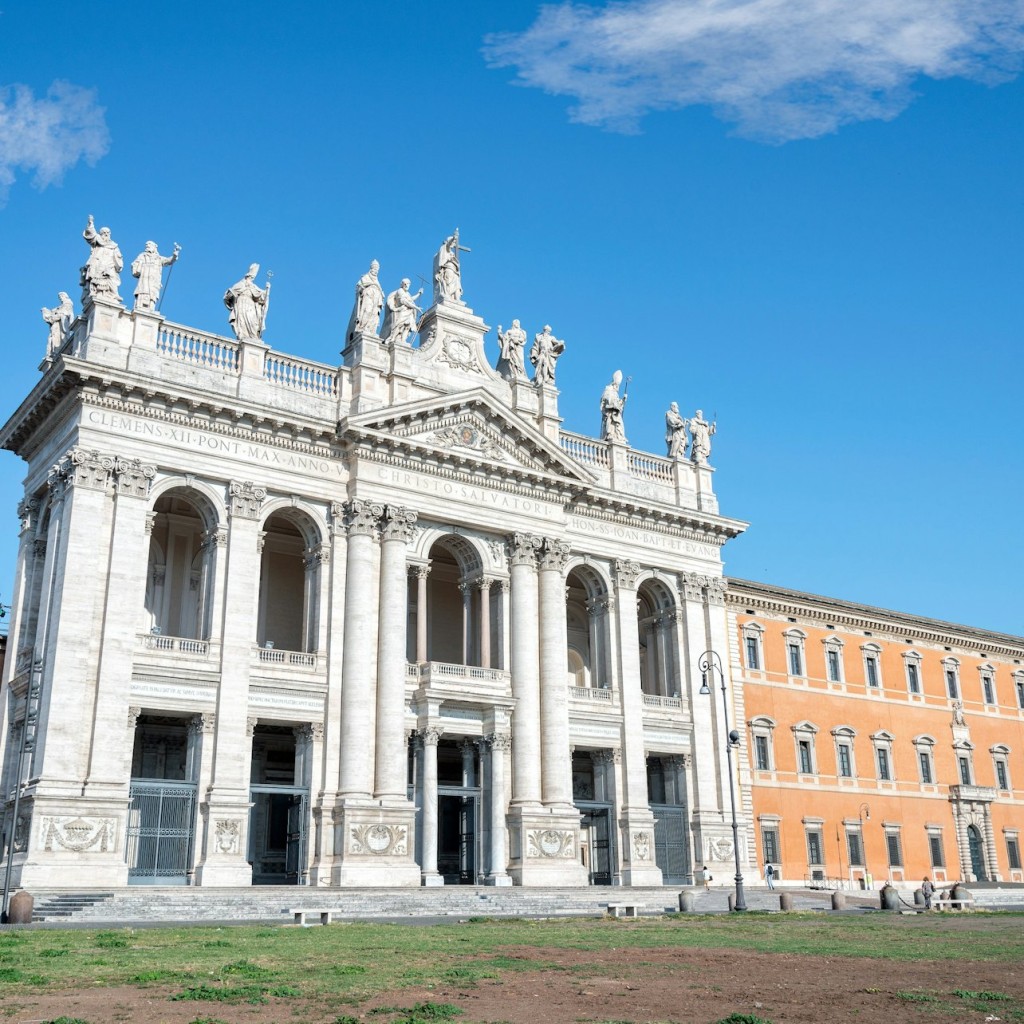
- Wejście do Bazyliki
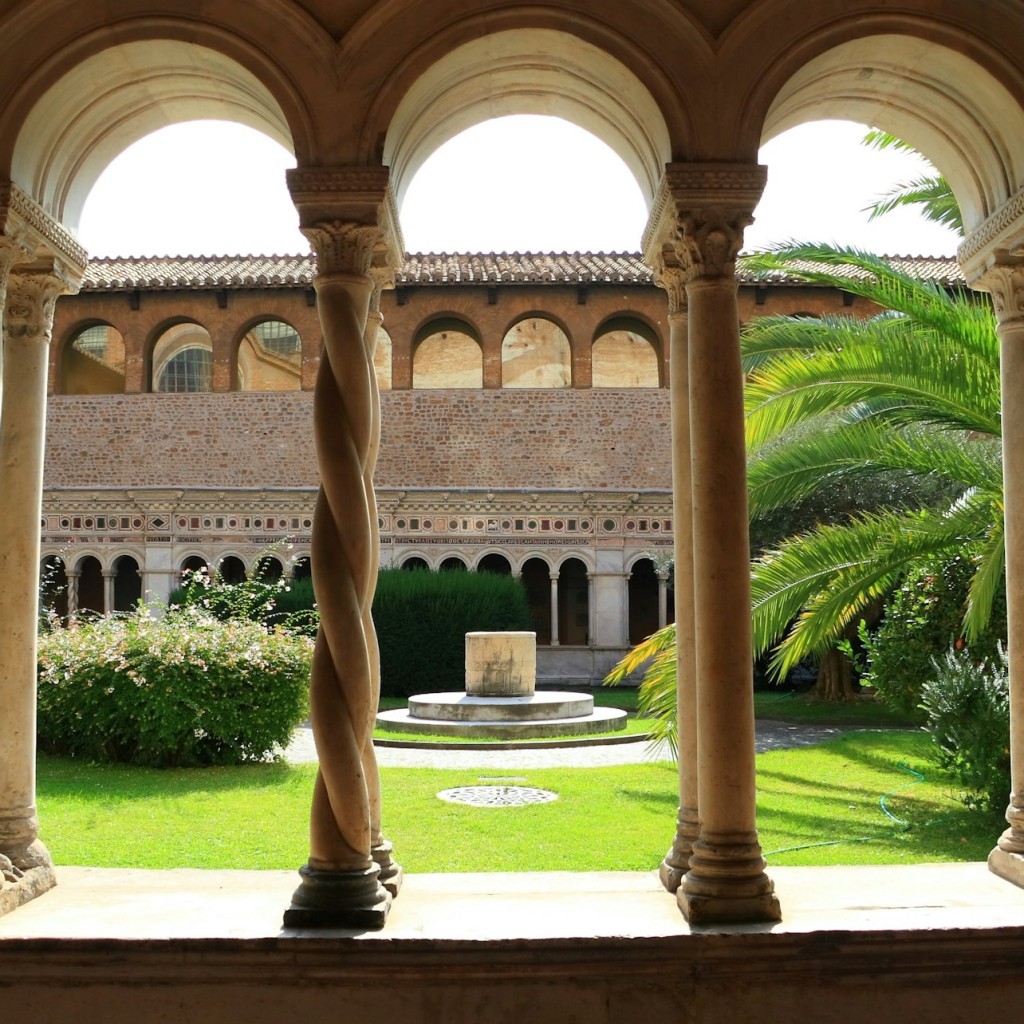
- Wejście do krużganków
- Wielojęzyczny przewodnik audio po klasztorze i bazylice
Capture the grandeur and intricate details of the Basilica di San Giovanni in Laterano through these images, showcasing its architecture, art, and sacred spaces.
Discover the Basilica di San Giovanni in Laterano, the venerable cathedral of Rome and the Mother Church of the Catholic world. As the oldest and highest-ranking of the four major papal basilicas, it holds profound historical and religious significance. Visitors are invited to explore its magnificent Baroque architecture, awe-inspiring statues, and sacred interiors. This basilica stands as a testament to centuries of faith and artistry, offering a unique glimpse into one of the Eternal City's most crucial landmarks. Immerse yourself in the grandeur and spiritual depth of this iconic site, a cornerstone of Christian history.
A modest dress code is strictly enforced for entry into the Basilica di San Giovanni in Laterano, as it is a sacred place. Both men and women are required to have their shoulders and knees covered. This means no sleeveless tops, short shorts, or miniskirts. Hats should be removed upon entering. It is advisable to dress appropriately for your visit to avoid being denied entry.
The Basilica di San Giovanni in Laterano is not only an architectural marvel but also a cornerstone of Roman and Catholic history. Dedicated to Saint John the Baptist and Saint John the Evangelist, it served as the principal seat of the Popes until the 14th century and continues to be the cathedral of the Bishop of Rome (the Pope). Its current appearance is largely the result of significant Baroque transformations, particularly by Francesco Borromini in the 17th century, though its foundations date back to Emperor Constantine in the 4th century. Inside, the sheer scale and ornate decoration are striking, featuring colossal statues of the Apostles, ancient mosaics, and a majestic Papal Altar, beneath which lie relics believed to be the heads of Saints Peter and Paul. The adjacent cloister, a tranquil space of medieval beauty, offers a serene counterpoint to the basilica's grandeur. A visit here is a journey through layers of history, faith, and artistic genius, revealing why it holds such a paramount position in the Christian world.
Booking your visit to the Basilica di San Giovanni in Laterano online offers several advantages, ensuring a smoother and more enriching experience. By securing tickets in advance, you can often save time by bypassing potential queues, especially during peak tourist seasons. Online booking also provides convenient access to various ticket options, such as audio tours for self-guided exploration or guided tours for deeper insights into the basilica's history and art. Specific tours, like those combining the Basilica with the Vatican Museums, can also be booked easily, streamlining your travel plans and maximizing your time in Rome. Plan ahead to ensure your entry and choose the tour that best suits your interests.
The history of the Basilica di San Giovanni in Laterano is deeply intertwined with the history of Christianity itself. Its origins trace back to the 4th century when Emperor Constantine the Great donated land from the Laterani family estate to Pope Miltiades, making it the first Christian basilica in Rome. Consecrated in 324 AD, it served as the primary papal residence and the Cathedral of Rome for over a thousand years, predating St. Peter's Basilica. Over the centuries, the basilica has endured numerous sackings, fires, and earthquakes, leading to multiple rebuilds and renovations. Notable transformations include those commissioned by Pope Sergius III after a major earthquake in 896, and the significant Baroque overhaul by Francesco Borromini in the 17th century, commissioned by Pope Innocent X. These extensive renovations, while preserving its ancient foundations, gave the basilica much of its current opulent appearance. Its enduring status as the 'Mother and Head of all Churches in the City and the World' highlights its unparalleled importance in Catholic tradition.
The Basilica di San Giovanni in Laterano typically opens its doors in the morning, usually around 7:00 AM, and closes in the early evening, often around 6:30 PM or 7:00 PM. Access to the beautiful cloister and the museum may have slightly different or more restricted hours, usually closing earlier than the main church. On Sundays and during religious holidays, hours may be adjusted to accommodate services. It is recommended to plan your visit with sufficient time before closing, especially if you wish to explore both the basilica and its adjacent attractions.
The best time to visit the Basilica di San Giovanni in Laterano is during the shoulder seasons of spring (April-May) and autumn (September-October) when the weather in Rome is pleasant and the major crowds of summer have not yet arrived or have dispersed. Within these seasons, visiting on a weekday, either early in the morning shortly after opening or in the late afternoon a couple of hours before closing, will generally provide a more tranquil experience. Weekends and mid-day hours tend to be the busiest. Avoiding major religious holidays will also help you experience the basilica with fewer crowds, allowing for a more reflective and detailed exploration.
Inside the Basilica di San Giovanni in Laterano, visitors are greeted by an overwhelming sense of scale and splendor. The vast nave, redesigned by Borromini, is lined with 12 colossal statues of the Apostles, each a masterpiece of Baroque sculpture. Look up to admire the intricate gilded ceiling and the stunning mosaics in the apse, which depict Christ in majesty. The Papal Altar, reserved for the Pope or those he permits, is a central feature, containing relics believed to be the heads of Saints Peter and Paul. Don't miss the tranquil 13th-century cloister, accessible via a separate entrance, which features exquisite Cosmatesque decorations and provides a peaceful escape from the bustling city. The Corsini Chapel, a magnificent example of 18th-century architecture, is another highlight, along with the numerous tombs and artistic treasures found throughout the basilica.
When visiting the Basilica di San Giovanni in Laterano, consider allocating at least 1.5 to 2 hours to fully appreciate its grandeur, especially if you plan to visit the cloister. Comfortable footwear is advisable as there is a fair amount of walking involved. While entry to the main basilica is usually free, there may be a charge for accessing the cloister or specific exhibitions. Audio guides are often available for rent and can enhance your understanding of the basilica's history and art. Keep an eye on your belongings, particularly in crowded areas. Remember that this is an active place of worship, so respectful behavior and adherence to the dress code are essential.
Visitors to the Basilica di San Giovanni in Laterano are expected to observe certain rules to ensure a respectful and safe environment for all. Maintain silence or speak in hushed tones, especially during religious services. Photography without flash is generally permitted in most areas, but always be mindful of posted signs and avoid disturbing worshipers. Large bags or backpacks may need to be checked at a designated area. Eating and drinking are not allowed inside the basilica. Please respect all barriers and signage indicating restricted access areas and avoid touching historical artifacts or artworks.
The Basilica di San Giovanni in Laterano is unequivocally worth visiting for anyone traveling to Rome. As the 'Mother of all Churches' and the official cathedral of the Pope, its historical and religious significance is unmatched. Beyond its spiritual importance, the basilica is a breathtaking architectural masterpiece, showcasing centuries of artistic evolution, from its ancient foundations to its Baroque splendor. The colossal statues, intricate mosaics, and the serene beauty of the cloister offer a profound aesthetic experience. It provides a deeper understanding of Rome's layered history and Christian heritage, often offering a more contemplative experience than some of the city's more crowded attractions, making it a truly unique and enriching destination.
It is the Cathedral of Rome, the oldest and highest-ranking of the four papal basilicas, and considered the Mother Church of the Catholic world.
Entry to the main basilica is typically free, but access to certain areas like the cloister or specific guided tours may incur a fee.
You can explore the grand nave, colossal statues of the Apostles, the Papal Altar, stunning mosaics, and the beautiful medieval cloister.
Yes, modest attire is required. Shoulders and knees must be covered for all visitors, and hats should be removed.
Most visitors spend between 1 to 2 hours exploring the basilica, with additional time needed for guided tours or a more leisurely visit to the cloister.
Photography without flash is generally permitted, but always be respectful of worshipers and any posted signs indicating restrictions.
The basilica is easily accessible by Rome's Metro Line A, with the 'San Giovanni' station located just a short walk away. Several bus lines also serve the area.
Yes, various options for guided tours and audio tours are available to enhance your visit and provide deeper insights into the basilica's history and art.
The main areas of the basilica are generally accessible, but some older parts or the cloister may involve stairs. It is advisable to inquire about specific accessibility routes upon arrival.
The Basilica di San Giovanni in Laterano is easily accessible by Rome's public transportation system. The most convenient way to reach it is by Metro Line A, stopping at 'San Giovanni' station, which is just a short walk from the basilica. Numerous bus lines also serve the area, with stops located near Piazza di San Giovanni in Laterano. Trams 3 and 8 also have stops nearby. Taxis and ride-sharing services are readily available throughout Rome for direct access.
A modest dress code is strictly enforced for entry into the Basilica di San Giovanni in Laterano, as it is a sacred place. Both men and women are required to have their shoulders and knees covered. This means no sleeveless tops, short shorts, or miniskirts. Hats should be removed upon entering. It is advisable to dress appropriately for your visit to avoid being denied entry.