Caracalla Baths & Circus Maximus Guided Tour
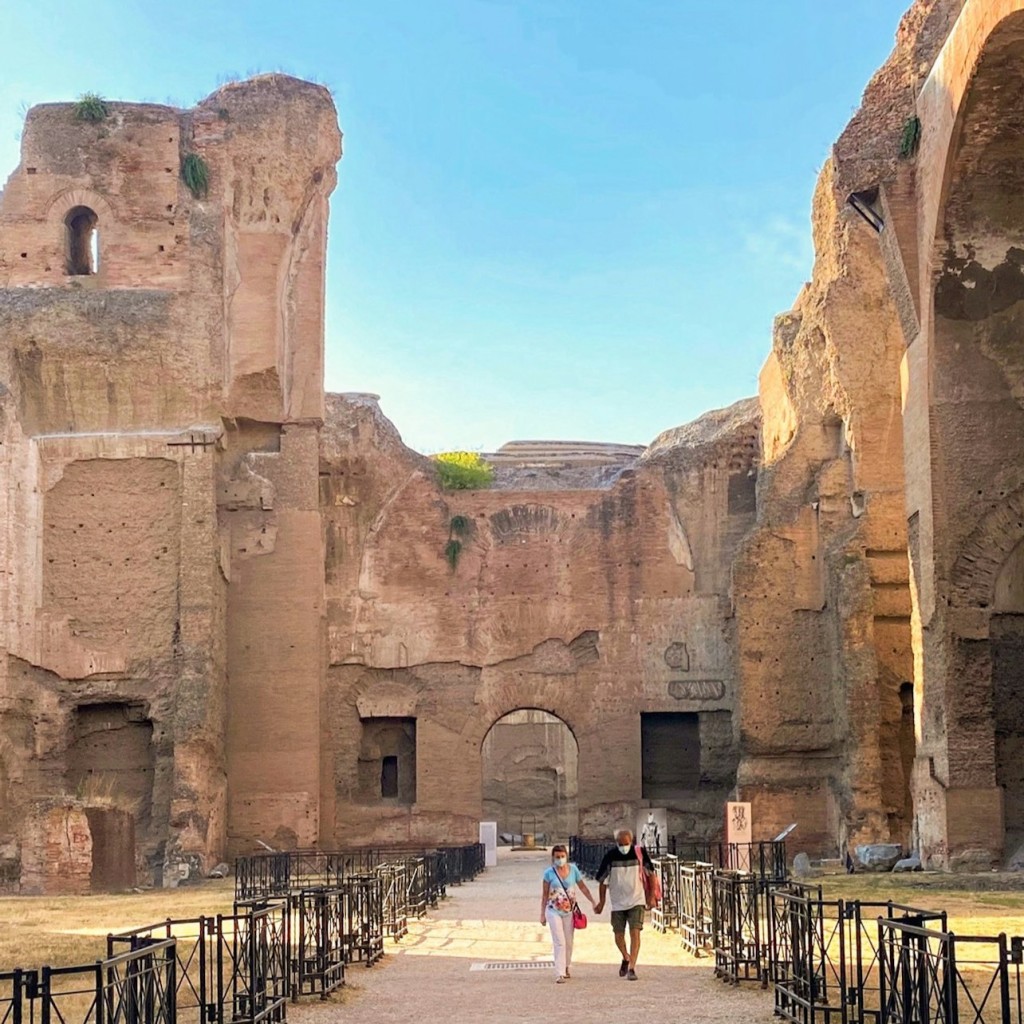
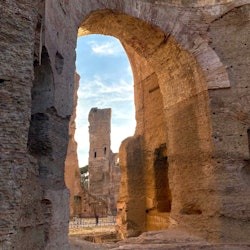
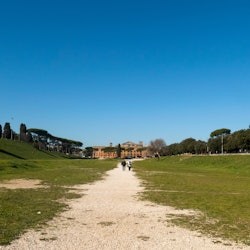
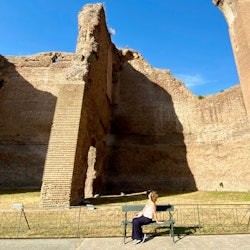

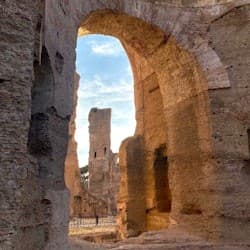
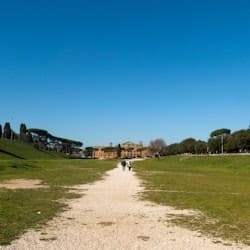
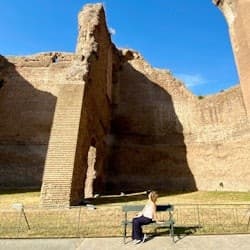
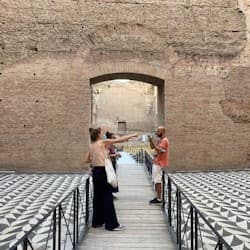

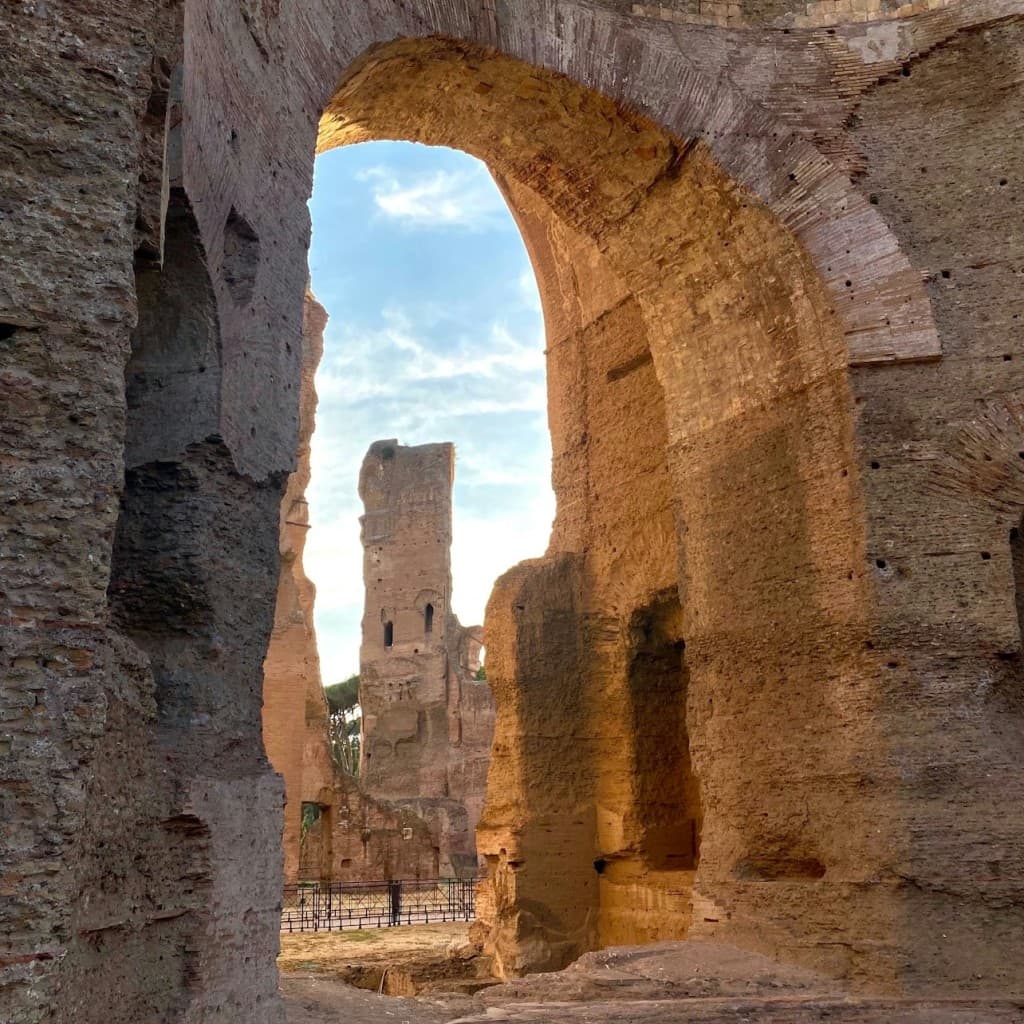

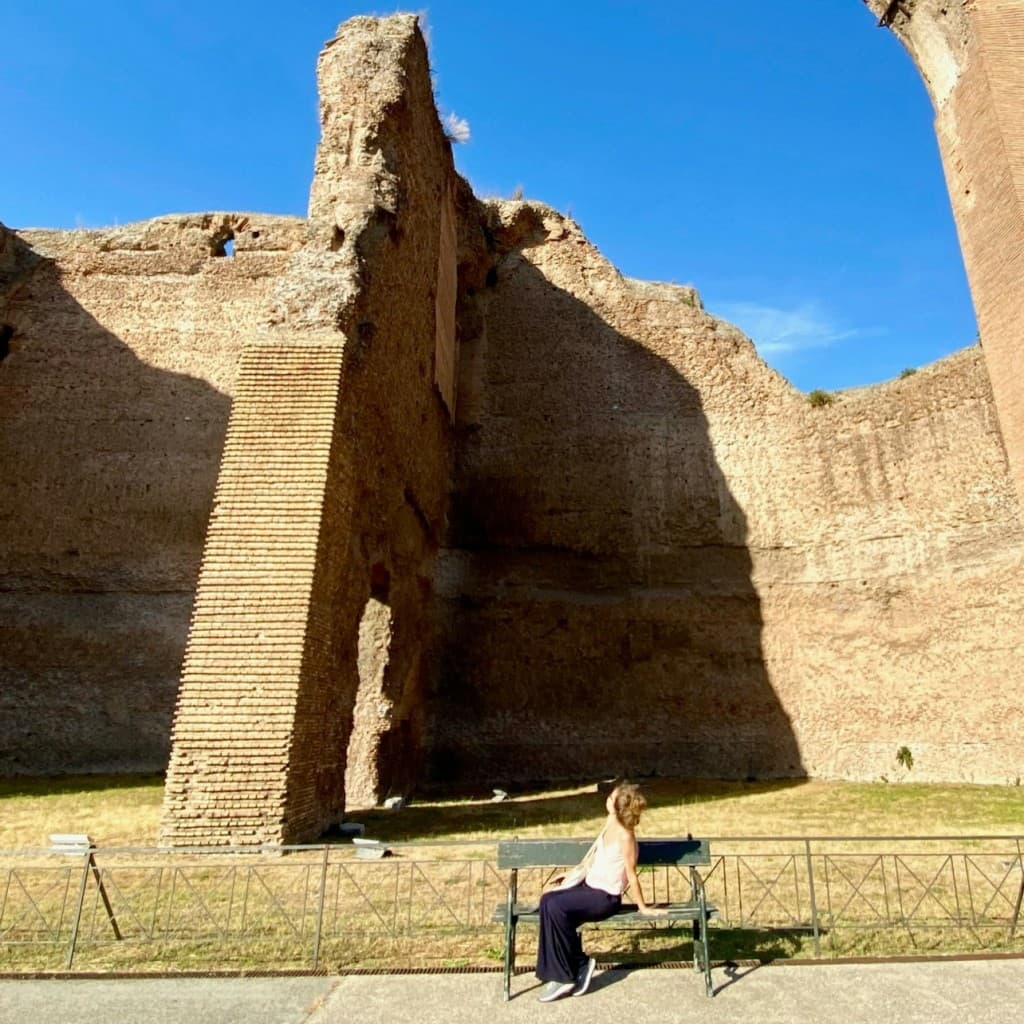
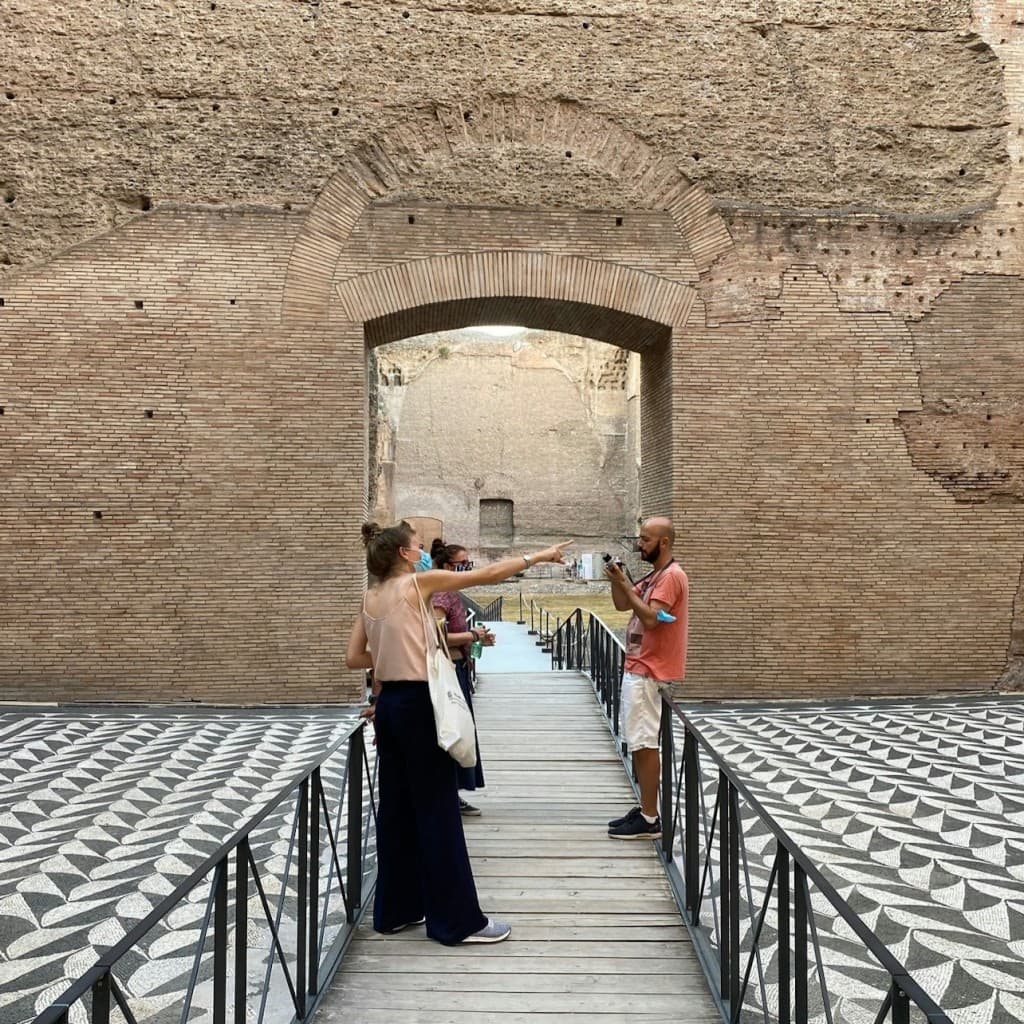
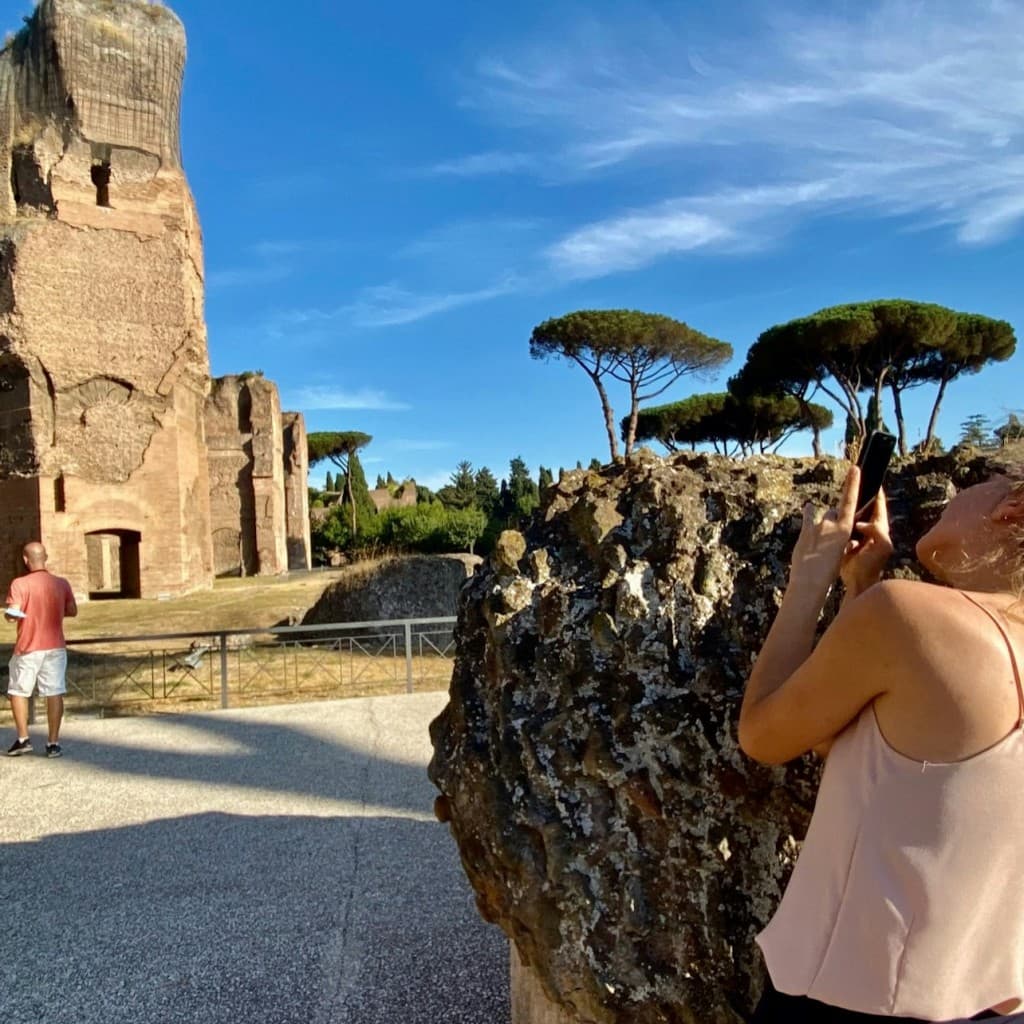
Odkryj obrazy ukazujące ogromną skalę, historyczną esencję i klimatyczne widoki starożytnego Circus Maximus, wyobrażając sobie jego tętniącą życiem przeszłość.
Wkrocz do serca Starożytnego Rzymu w Circus Maximus, największym i najbardziej ikonicznym stadionie wyścigów rydwanów w mieście. Ten niezwykły, otwarty obiekt gościł niegdyś ekscytujące wyścigi, wielkie wydarzenia publiczne i wieki rzymskich widowisk, przyciągając setki tysięcy widzów. Dziś stanowi rozległe stanowisko archeologiczne, zapraszając zwiedzających do wyobrażenia sobie jego wspaniałej przeszłości i tętniącego życia, które niegdyś wypełniało jego kolosalną przestrzeń. Odkryj historyczne dziedzictwo tego monumentalnego miejsca, poznaj jego fascynującą ewolucję od prostej doliny do wyrafinowanego centrum rozrywki i połącz się z trwałym duchem jednej z najważniejszych starożytnych atrakcji Rzymu. Oferuje wyjątkową okazję do zanurzenia się w wielkości rzymskiej starożytności.
Ponieważ Circus Maximus jest zewnętrznym stanowiskiem archeologicznym i w większości otwartym polem, odpowiedni jest swobodny i wygodny strój. Noś praktyczne ubranie odpowiednie do chodzenia i spędzania czasu na świeżym powietrzu. Wygodne buty do chodzenia są wysoce zalecane ze względu na nierówny teren. W cieplejszych miesiącach zaleca się lekkie ubranie, kapelusz i krem przeciwsłoneczny, natomiast w chłodniejszych porach roku najlepsze jest ubieranie się warstwowo.
Czego się spodziewać
O Circus Maximus Rzym: Starożytny Stadion Wyścigów Rydwanów
Circus Maximus, czyli 'Wielki Cyrk', był największym stadionem w starożytnym Rzymie i Cesarstwie Rzymskim, przeznaczonym głównie do wyścigów rydwanów. Położony w dolinie między Wzgórzem Awentyńskim a Palatyńskim, jego ogromna skala mogła pomieścić od 150 000 do 250 000 widzów, co czyniło go centralnym ośrodkiem rzymskiego życia publicznego i rozrywki. Pierwotnie zbudowany w VI wieku p.n.e., przeszedł liczne renowacje i rozbudowy przez kolejnych cesarzy, ewoluując od prostych drewnianych konstrukcji do wspaniałej kamiennej budowli. Oprócz wyścigów rydwanów, Circus Maximus gościł również walki gladiatorów, procesje publiczne, ceremonie religijne i parady triumfalne. Chociaż dziś jest to w dużej mierze otwarte pole, wykopaliska archeologiczne i zachowany ślad jego pierwotnej struktury pozwalają zwiedzającym zrozumieć jego monumentalne wymiary i znaczenie historyczne. Obecnie służy jako park publiczny i okazjonalne miejsce dla dużych koncertów i wydarzeń, zachowując swoją rolę miejsca spotkań dla miasta.
Atrakcje
Dlaczego warto rezerwować online?
Rezerwacja biletów na atrakcje Circus Maximus online oferuje niezrównaną wygodę i gwarantuje, że maksymalnie wykorzystasz swoją wizytę. Zabezpieczając bilety z wyprzedzeniem, często możesz ominąć kolejki, oszczędzając cenny czas, szczególnie w szczycie sezonu turystycznego. Rezerwacja online zapewnia dostęp do ekskluzywnych pakietów, takich jak wciągający przewodnik audio + 40-minutowe wirtualne doświadczenie, które żywo rekonstruuje starożytny stadion. Możesz również znaleźć wycieczki łączone, takie jak wycieczka z przewodnikiem po Termach Karakalli & Circus Maximus, lub wygodne opcje, takie jak wynajem e-roweru do zwiedzania okolicy. Planowanie z wyprzedzeniem online gwarantuje Twoje miejsce na wybrane atrakcje i pozwala na płynniejsze, bardziej zorganizowane zwiedzanie tego historycznego miejsca.
Historia
Historia Circus Maximus sięga najwcześniejszych dni Rzymu, a jego legendarne założenie przypisuje się piątemu królowi Rzymu, Lucjuszowi Tarkwiniuszowi Pryskusowi, w VI wieku p.n.e. Początkowo był to prosty tor w dolinie, z tymczasowymi drewnianymi trybunami. Przez wieki przeszedł znaczące transformacje. Juliusz Cezar znacznie go rozbudował w I wieku p.n.e., czyniąc z niego monumentalną budowlę. Cesarz August dodał lożę cesarską, a po niszczycielskim pożarze w 64 roku n.e. za panowania Nerona, został odbudowany i ulepszony. Cesarz Domicjan i Septymiusz Sewerus dodatkowo ozdobili go łukami, posągami i ulepszonymi siedzeniami. Przez ponad tysiąclecie było to główne miejsce dla rzymskich Ludi Romani, czyli Igrzysk Rzymskich. Ostatni znany wyścig rydwanów odbył się w 549 roku n.e., co oznaczało koniec jego aktywnego wykorzystania jako miejsca rozrywki. Kolejne stulecia widziały, jak popadał w ruinę, jego materiały były ponownie wykorzystywane, a miejsce stopniowo pokrywało się ziemią, aż do momentu, gdy nowoczesne wysiłki archeologiczne zaczęły odkrywać jego głębokie dziedzictwo.
Godziny otwarcia
Rozległe tereny Circus Maximus są zazwyczaj otwarte dla publiczności od wczesnych godzin porannych do zachodu słońca, co pozwala na spokojne spacery i eksplorację. W przypadku konkretnych atrakcji, takich jak wirtualna wycieczka 'Circus Maximus Experience' lub dedykowane centra dla zwiedzających, godziny otwarcia zazwyczaj obejmują okres od połowy rana do późnego popołudnia, często ze skróconymi godzinami w miesiącach zimowych. Wskazane jest, aby uwzględnić te konkretne godziny, jeśli planujesz skorzystać z wirtualnej rzeczywistości lub innych doświadczeń z przewodnikiem, aby upewnić się co do dostępności.
Najlepszy czas na wizytę
Optymalne czasy na wizytę w Circus Maximus to miesiące wiosenne (kwiecień do czerwca) i jesienne (wrzesień do października). W tych okresach w Rzymie panuje łagodna i przyjemna pogoda, co sprawia, że jest to idealny czas na eksplorację na świeżym powietrzu bez intensywnego upału lata. Zaleca się również wizytę wcześnie rano, krótko po otwarciu. Pozwala to doświadczyć miejsca w chłodniejszych warunkach, z mniejszą liczbą tłumów, i oferuje doskonałe możliwości do fotografowania. Unikanie południowego słońca, szczególnie w lipcu i sierpniu, zwiększy Twój komfort, ponieważ miejsce oferuje ograniczony cień.
Co warto zobaczyć w środku
Podczas gdy Circus Maximus dziś wygląda jak rozległa zielona przestrzeń, zwiedzanie tego miejsca pozwala odwiedzającym prześledzić zarys jego starożytnej świetności. Możesz spacerować wzdłuż wydłużonego toru, gdzie niegdyś grzmiały rydwany, wyobrażając sobie wiwaty setek tysięcy widzów. Szukaj pozostałości centralnej bariery dzielącej, znanej jako spina, która niegdyś zawierała obeliski, posągi i kapliczki. Chociaż piętrowe siedzenia dawno zniknęły, ich przybliżone położenie można rozpoznać, rozciągające się wzdłuż stoków okolicznych wzgórz. Korzystanie z przewodnika audio lub, w szczególności, 40-minutowego Wirtualnego Doświadczenia oferuje potężną rekonstrukcję, ożywiając przeszłość stadionu za pomocą rzeczywistości rozszerzonej, pokazując świątynie, sklepy i loże cesarskie w ich pierwotnym kształcie. Ta immersyjna technologia jest kluczem do prawdziwego docenienia dawnej świetności tego miejsca.
Warto wiedzieć
Załóż wygodne buty do chodzenia, ponieważ będziesz przemierzać duży, nierówny trawiasty teren. Zabierz wodę, zwłaszcza w cieplejszych miesiącach, ponieważ cień na otwartym polu jest ograniczony. Rozważ pobranie audioprzewodnika lub zakup biletu na wciągające doświadczenie w wirtualnej rzeczywistości, które znacząco wzbogaca zrozumienie i wizualizację starożytnego stadionu. Połącz swoją wizytę z pobliskimi atrakcjami, takimi jak Koloseum, Forum Romanum, Wzgórze Palatyńskie i Termy Karakalli, aby stworzyć kompleksowy plan zwiedzania starożytnego Rzymu. Publiczne toalety mogą być dostępne w pobliżu wejścia lub centrum dla zwiedzających. Pamiętaj, że jest to stanowisko archeologiczne, więc traktuj je z szacunkiem.
Zasady dla zwiedzających
Odwiedzający są zazwyczaj proszeni o poszanowanie archeologicznego charakteru Circus Maximus. Prosimy o powstrzymanie się od śmiecenia, niszczenia jakichkolwiek pozostałych struktur lub wspinania się na kruche ruiny. Chodzenie wyłącznie po wyznaczonych ścieżkach i respektowanie wszelkich obszarów odgrodzonych linami jest ważne dla zachowania obiektu. Chociaż jest to otwarty park, duże zgromadzenia lub czynności, które mogłyby uszkodzić teren, mogą być ograniczone. Zawsze bądź uprzejmy wobec innych odwiedzających i utrzymuj spokojne otoczenie. Wszelkie szczegółowe zasady dotyczące wycieczek z przewodnikiem lub doświadczeń wirtualnych zostaną przekazane w momencie wejścia.
Czy warto odwiedzić?
Circus Maximus jest niewątpliwie wart odwiedzenia dla każdego, kto interesuje się historią Rzymu i skalą starożytnej inżynierii. Chociaż duża jego część to obecnie otwarte pole, jego ogromny rozmiar i znaczenie historyczne są głębokie. Stanie na tym, co kiedyś było najbardziej celebrowanym miejscem rozrywki w Imperium Rzymskim, oferuje potężne połączenie z przeszłością, pozwalając wyobrazić sobie ryk tłumu i huk kopyt. Zapewnia unikalną perspektywę na rzymskie życie, kulturę i władzę, zwłaszcza gdy jest wzbogacona o audioprzewodnik lub doświadczenie w wirtualnej rzeczywistości, które przywraca do życia starożytne struktury. To fundamentalny element tożsamości Rzymu.
Najczęściej zadawane pytania
Circus Maximus był największym stadionem w starożytnym Rzymie, używanym głównie do wyścigów rydwanów oraz innych gier i festiwali publicznych.
Dostęp do głównych, otwartych terenów Circus Maximus jest zazwyczaj bezpłatny. Jednakże, może być pobierana opłata za konkretne doświadczenia, takie jak wycieczka wirtualnej rzeczywistości lub wycieczki z przewodnikiem.
Dziś można zobaczyć ogromny, otwarty zarys starożytnego stadionu, przejść wzdłuż toru i obserwować pozostałości jego pierwotnej struktury. Miejsce to oferuje panoramiczne widoki na Wzgórza Palatyńskie i Awentyńskie.
Typowa wizyta trwa zazwyczaj od 1 do 2 godzin, zwłaszcza jeśli zdecydujesz się na audioprzewodnik lub interaktywne doświadczenie wirtualnej rzeczywistości, aby w pełni docenić historię tego miejsca.
Główne tereny to otwarta, trawiasta przestrzeń, która miejscami może być nierówna. Chociaż ogólnie dostępna, niektóre ścieżki mogą być wyzwaniem dla wózków inwalidzkich. Centrum dla zwiedzających lub konkretne obszary doświadczeń mogą mieć lepsze udogodnienia dla osób niepełnosprawnych.
Głównie odbywały się tam ekscytujące wyścigi rydwanów. Służył również jako miejsce walk gladiatorów, festiwali publicznych, ceremonii religijnych i procesji triumfalnych w czasach starożytnego Rzymu.
Udogodnienia mogą obejmować toalety i centrum dla zwiedzających, zwłaszcza w przypadku płatnych doświadczeń. Zaleca się zabranie własnej wody, szczególnie podczas cieplejszej pogody, ponieważ dedykowane obiekty mogą być rzadkie na otwartych terenach.
Absolutnie. Circus Maximus jest dogodnie położony w pobliżu innych głównych rzymskich atrakcji, takich jak Koloseum, Forum Romanum, Wzgórze Palatyńskie i Łaźnie Karakalli, co ułatwia łączenie wizyt.
Jak dotrzeć
Circus Maximus jest łatwo dostępny za pośrednictwem rzymskiego systemu transportu publicznego. Najbardziej bezpośrednią drogą jest linia metra B do stacji 'Circo Massimo', która znajduje się zaledwie kilka minut spacerem od obiektu. Obszar ten obsługiwany jest również przez kilka linii autobusowych, z przystankami dogodnie zlokalizowanymi w pobliżu. Z centralnych lokalizacji, takich jak Dworzec Termini, można dojechać bezpośrednio linią metra B. Dla osób przybywających z Koloseum lub Forum Romanum, jest to przyjemny spacer, oferujący widoki na starożytne ruiny po drodze.
Ponieważ Circus Maximus jest zewnętrznym stanowiskiem archeologicznym i w większości otwartym polem, odpowiedni jest swobodny i wygodny strój. Noś praktyczne ubranie odpowiednie do chodzenia i spędzania czasu na świeżym powietrzu. Wygodne buty do chodzenia są wysoce zalecane ze względu na nierówny teren. W cieplejszych miesiącach zaleca się lekkie ubranie, kapelusz i krem przeciwsłoneczny, natomiast w chłodniejszych porach roku najlepsze jest ubieranie się warstwowo.