Omnia Smart: Muzea Watykańskie, Koloseum, Pałac LaterańskiOmnia Smart: Muzea Watykańskie, Koloseum, Pałac Laterański - 1Omnia Smart: Muzea Watykańskie, Koloseum, Pałac Laterański - 2Omnia Smart: Muzea Watykańskie, Koloseum, Pałac Laterański - 3

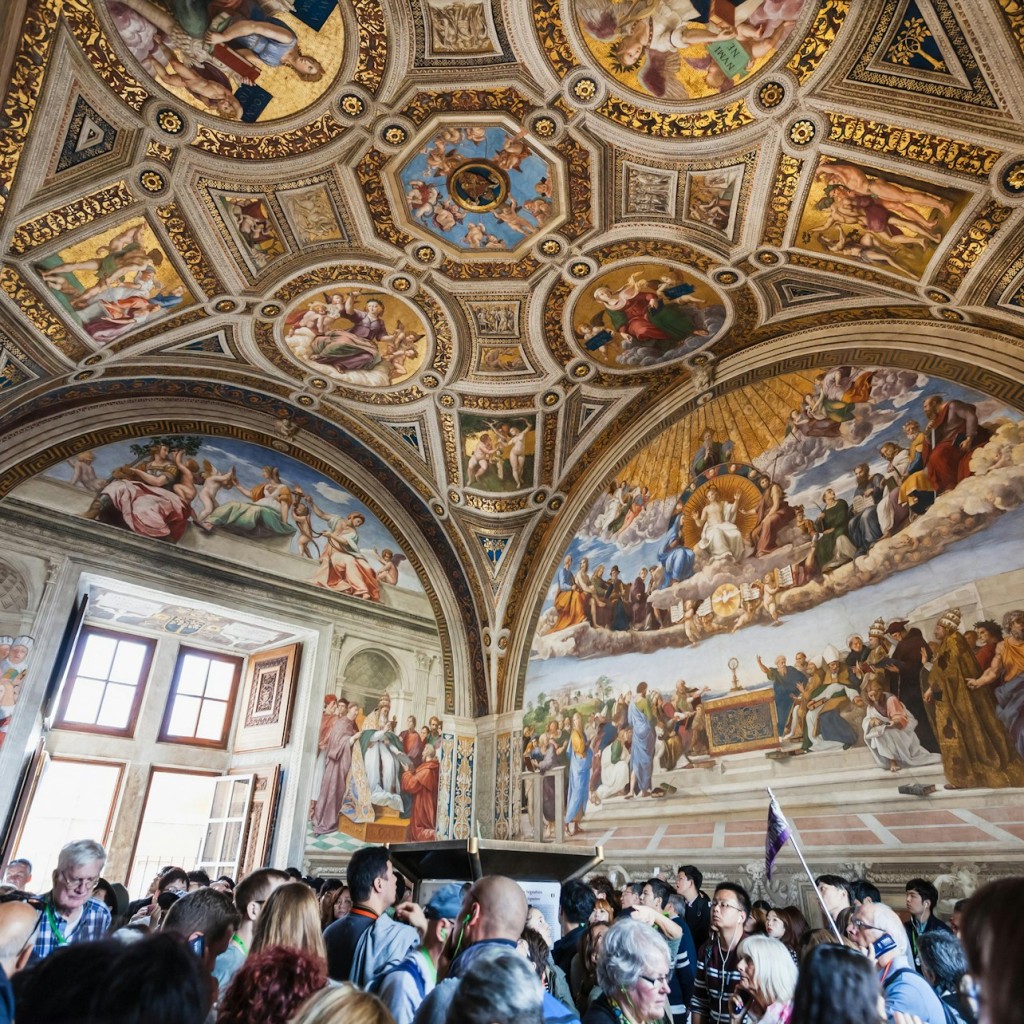
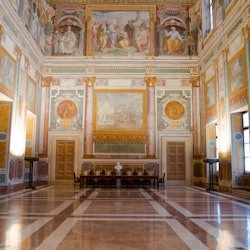
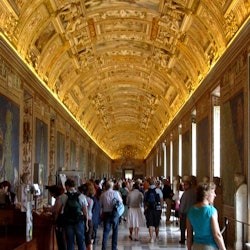
Explore stunning images capturing the magnificent architecture, breathtaking frescoes, and historic collections housed within Rome's Lateran Palace.

Step into the revered Lateran Palace, a monumental structure in Rome that served as the primary residence of the Popes for centuries before the Vatican. This historic site offers an unparalleled journey through religious and political history, showcasing magnificent halls, intricate frescoes, and a vast collection of art and artifacts. Visitors can immerse themselves in the rich heritage of the Lateran complex, which stands as a testament to the enduring influence of the Catholic Church. Discover the grandeur and spiritual significance of this lesser-known gem, providing a deeper understanding of Rome's past and the papacy's evolution.

Od115.00
Default - EU student 18-25 years old
099 wiek
67.00
Adult
099 wiek
115.00
Child
099 wiek
60.00
EU student 18-25 years old
099 wiek
67.00
Miejsce spotkania
Rome
9 Piazza Papa Pio XII
Godziny otwarcia
The Lateran Palace generally has specific visiting hours, often closing on certain days or for religious holidays. It is advisable to check current schedules for the most accurate information.
Czas trwania wizyty
A typical visit to the Lateran Palace, including the museum, usually takes approximately 1.5 to 2 hours.
Najlepszy czas na wizytę
The best time to visit the Lateran Palace is typically in the morning or late afternoon during the shoulder seasons (spring or autumn) to avoid crowds and enjoy comfortable weather.
Adres
The Lateran Palace is located adjacent to the Archbasilica of Saint John Lateran, a prominent landmark in the heart of Rome.
Zasady ubioru

As a historical site with significant religious connections, a modest dress code is recommended for visiting the Lateran Palace. Shoulders and knees should be covered. It is advisable to avoid overly revealing clothing such as short shorts, mini-skirts, or sleeveless tops. This respectful attire is particularly important if you plan to also visit the adjacent Archbasilica of Saint John Lateran or the Scala Sancta.

Szczegóły atrakcji w skrócie

Co zawiera oferta

  • Opcja szybkiego wejścia do Muzeów Watykańskich
  • Opcja szybkiego wejścia do Kaplicy Sykstyńskiej
  • Wejście do Koloseum
  • Wejście do Forum Romanum i Palatynu
  • Wstęp i przewodnik audio do Więzienia Mamertyńskiego
  • Wstęp i przewodnik audio do Pałacu Laterańskiego
  • 5 wycieczek z przewodnikiem audio
  • Aplikacja Przewodnika audio Bazyliki Św. Piotra
Odblokuj Rzym dzięki Omnia Smart, Twojemu wirtualnemu kluczowi oferującemu elastyczność przez okres do 12 miesięcy. Ten cyfrowy voucher jest wygodnie przechowywany na smartfonie jako kod QR, dający dostęp do najważniejszych atrakcji miasta, w tym Muzeów Watykańskich i Kaplicy Sykstyńskiej, Więzienia Mamertyńskiego z przewodnikiem audio, Koloseum, Forum Romanum i Palatynu, a także Pałacu Laterańskiego z przewodnikiem audio. Zwiedzaj Rzym we własnym tempie z wielojęzycznymi, geolokalizacyjnymi przewodnikami audio. Ciesz się pięcioma pieszymi wycieczkami, które odkrywają różne części miasta, wzbogaconymi opowieściami i historycznymi spostrzeżeniami. Przewodniki audio są dostępne na smartfonie w języku włoskim, angielskim, francuskim, hiszpańskim, niemieckim i portugalskim, dzięki czemu Twoja podróż jest zarówno pouczająca, jak i spersonalizowana.

Czego się spodziewać

Upon arrival at the Lateran Palace, you can expect a journey through grandeur and history. You will enter through designated access points, often with security checks. Inside, you'll navigate through a series of stately rooms, each offering unique architectural details, impressive frescoes, and historical exhibits. The atmosphere is generally one of quiet reverence, allowing for contemplation and appreciation of the art and artifacts. The visit flows chronologically or thematically, guiding you through the former papal residences and museum collections. Expect to spend a couple of hours immersed in centuries of spiritual and temporal power, gaining a comprehensive insight into one of the most important buildings in Christian history.

O Lateran Palace: History, Art, and Papal Heritage in Rome

The Lateran Palace, historically known as the Patriarchium, is one of Rome's most significant yet often overlooked landmarks. For over a millennium, from the 4th to the 14th century, it was the principal papal residence, preceding the Vatican City. Located adjacent to the Archbasilica of Saint John Lateran, the cathedral of Rome and the Mother Church of all churches in the world, the palace has been at the heart of Christianity. Its impressive architecture reflects various historical periods, with substantial renovations occurring over the centuries, most notably during the reign of Pope Sixtus V in the late 16th century, who commissioned Domenico Fontana to redesign the structure. Today, the palace houses the Museum of the Popes and offers visitors a chance to explore its grand ceremonial rooms, private papal apartments, and rich artistic collections. It represents a vital chapter in the history of the papacy and the city of Rome itself, providing profound insights into the power, artistry, and spiritual depth of the Catholic Church.

Atrakcje

Explore the grand Papal Apartments and ceremonial halls.
Admire Renaissance frescoes and historical artworks.
Discover centuries of papal history and religious artifacts.
Visit the Scala Sancta, the Holy Stairs, located nearby.
Experience one of Rome's most historically significant sites.

Dlaczego warto rezerwować online?

Booking your Lateran Palace tickets online offers convenience and saves valuable time, allowing you to bypass potential queues at the entrance. Securing your entry in advance ensures a smoother start to your visit, especially during peak seasons. Many online options include comprehensive packages, such as entry tickets with audio guides, or even combined passes like the Omnia Smart Pass, which can provide access to multiple Roman attractions, including the Vatican Museums and the Colosseum, alongside the Lateran Palace. Pre-booking guarantees your preferred time slot and can unlock exclusive guided tour opportunities, enhancing your overall experience.

Historia

The history of the Lateran Palace is deeply intertwined with that of Rome and the papacy. Originally the palace of the Roman family Laterani, it was gifted to the Church by Emperor Constantine in the 4th century. It quickly became the official residence of the Popes, serving this role for over a thousand years, from the 4th to the 14th century. During this extensive period, it was the administrative and spiritual heart of the Catholic Church, witnessing numerous synods, councils, and crucial historical events. The palace underwent various transformations and destructions, notably suffering from fires in the 14th century. Pope Sixtus V commissioned Domenico Fontana to rebuild the palace in the late 16th century into the Renaissance structure largely seen today. Although the papal residence eventually moved to the Vatican, the Lateran Palace remains a powerful symbol of papal authority and Rome's enduring Christian legacy, housing significant collections and standing adjacent to the cathedral of Rome.

Godziny otwarcia

The Lateran Palace typically welcomes visitors throughout the week, though specific opening hours can vary by season and may be subject to change for special events or religious observances. Generally, it opens in the morning and closes in the late afternoon. It's recommended to consult a current schedule for the most up-to-date information regarding daily opening and closing times, as well as any specific days the palace might be closed to the public.

Najlepszy czas na wizytę

To fully appreciate the Lateran Palace without feeling rushed or overcrowded, consider visiting during the shoulder seasons of spring (April-May) or autumn (September-October). The weather during these months is generally pleasant, making exploration more comfortable. Weekday mornings, shortly after opening, or late afternoons are often less busy than midday or weekends. Arriving early can provide a more serene experience, allowing you to take in the intricate details of the frescoes and exhibits at your own pace.

Co warto zobaczyć w środku

Inside the Lateran Palace, visitors will encounter a treasure trove of art, history, and architectural splendor. The tour typically begins with the magnificent halls and grand reception rooms that once hosted papal ceremonies and dignitaries. You can marvel at the exquisitely preserved frescoes, tapestries, and sculptures that adorn the walls and ceilings, offering a glimpse into Renaissance and Baroque artistry. The museum within the palace showcases a vast collection of papal artifacts, ancient statuary, and historical documents, illustrating the palace's long and rich past as a center of religious and political power. Highlights include the impressive 'Loggia delle Benedizioni' and various rooms furnished with historical pieces, allowing you to envision life within a papal residence from centuries ago.

Warto wiedzieć

Plan to wear comfortable shoes as you will be doing a fair amount of walking within the palace and its surrounding complex. Consider allocating at least 1.5 to 2 hours for your visit to fully explore the museum and historic rooms. Photography is generally permitted in most areas, but always be mindful of any signage indicating restrictions. Audio guides are often available and highly recommended to enrich your understanding of the palace's history and its displayed artifacts. Entrance to the Archbasilica of Saint John Lateran is typically separate and free, so allow extra time if you wish to visit both.

Zasady dla zwiedzających

Visitors are expected to observe a respectful demeanor during their visit to the Lateran Palace, given its historical and religious significance. Large bags, backpacks, and bulky items may need to be checked into a cloakroom. Food and beverages are generally not permitted inside the exhibition areas. Please refrain from touching artifacts and artwork. Follow any instructions provided by staff and adhere to designated pathways. Smoking is strictly prohibited within the palace premises.

Czy warto odwiedzić?

The Lateran Palace is unequivocally worth visiting for anyone interested in delving deeper into Rome's profound history, beyond its more famous landmarks. It offers a unique window into the thousand-year reign of the Popes from this very location, showcasing exquisite art, grand architecture, and significant religious artifacts. It provides a crucial context to the evolution of the Catholic Church and the city itself, making it an essential stop for history buffs, art enthusiasts, and those seeking a comprehensive understanding of Rome's rich heritage away from the busiest tourist crowds.

Najczęściej zadawane pytania

What is the Lateran Palace?

The Lateran Palace is a historic building in Rome that served as the principal residence of the Popes for over a thousand years, from the 4th to the 14th century, before their move to the Vatican. It is now a museum and houses administrative offices.

Where is the Lateran Palace located?

It is located in Rome, adjacent to the Archbasilica of Saint John Lateran, which is the cathedral of Rome.

Can I visit the Lateran Palace?

Yes, parts of the Lateran Palace, including its museum and historic halls, are open to the public for visits, often with options for guided tours or audio guides.

Is there a dress code for visiting?

Yes, a modest dress code is recommended. Shoulders and knees should be covered, similar to visiting other religious sites in Rome.

How long does a visit to the Lateran Palace typically take?

A typical visit usually lasts between 1.5 to 2 hours, allowing time to explore the main halls and museum exhibits.

What are the main attractions inside the palace?

Visitors can explore grand papal apartments, admire Renaissance frescoes and artworks, and view historical artifacts that tell the story of the papacy and Rome.

Is the Lateran Palace included in any multi-attraction passes?

Yes, some multi-attraction passes, such as the Omnia Smart Pass, may include access to the Lateran Palace along with other major Roman and Vatican sites.

Jak dotrzeć

The Lateran Palace is easily accessible via public transportation in Rome. You can reach it by taking Metro Line A (red line) to the San Giovanni station, which is just a short walk from the palace and the Archbasilica of Saint John Lateran. Several bus lines also serve the area, with stops conveniently located nearby. Look for routes that pass through Piazza di San Giovanni in Laterano.

Od
115.00
za osobę
Default - EU student 18-25 years old
099 wiek
67.00
Adult
099 wiek
115.00
Child
099 wiek
60.00
EU student 18-25 years old
099 wiek
67.00
Sprawdź dostępność
Zasady anulowaniaBezpłatne anulowanie nie jest dostępne dla tej opcji.
Miejsce spotkania
Rome
9 Piazza Papa Pio XII
Godziny otwarcia
The Lateran Palace generally has specific visiting hours, often closing on certain days or for religious holidays. It is advisable to check current schedules for the most accurate information.
Czas trwania wizyty
A typical visit to the Lateran Palace, including the museum, usually takes approximately 1.5 to 2 hours.
Najlepszy czas na wizytę
The best time to visit the Lateran Palace is typically in the morning or late afternoon during the shoulder seasons (spring or autumn) to avoid crowds and enjoy comfortable weather.
Adres
The Lateran Palace is located adjacent to the Archbasilica of Saint John Lateran, a prominent landmark in the heart of Rome.
Zasady ubioru

As a historical site with significant religious connections, a modest dress code is recommended for visiting the Lateran Palace. Shoulders and knees should be covered. It is advisable to avoid overly revealing clothing such as short shorts, mini-skirts, or sleeveless tops. This respectful attire is particularly important if you plan to also visit the adjacent Archbasilica of Saint John Lateran or the Scala Sancta.