




Co zawiera oferta
- Bilet wstępu
- Przewodnik na żywo
- Zwiedzanie z przewodnikiem
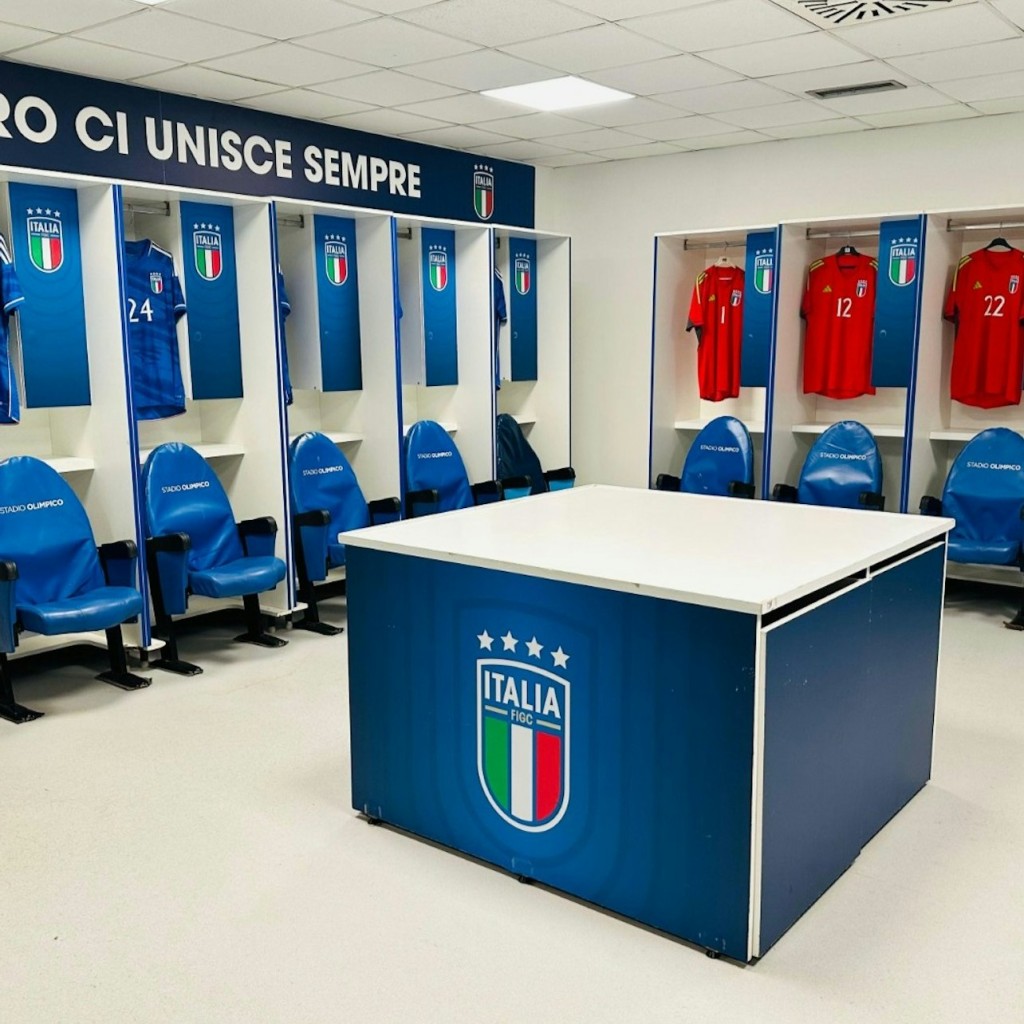
Uchwyć majestat i misterne detale Stadionu Olimpijskiego podczas swojej wizyty. Poniżej znajdują się zdjęcia prezentujące ten ikoniczny obiekt.
Odkryj serce rzymskiego sportu, odwiedzając ikoniczny Stadion Olimpijski (Stadio Olimpico). Będący domem dla legendarnych klubów Serie A, AS Roma i SS Lazio, to historyczne miejsce było świadkiem niezliczonych kluczowych momentów w piłce nożnej, lekkoatletyce i wydarzeniach międzynarodowych. Wizyta oferuje unikalną okazję, aby zajrzeć za kulisy, odkrywając obszary zazwyczaj zarezerwowane dla sportowców i oficjeli. Od szatni po murawę, zanurz się w bogatym dziedzictwie i tętniącej życiem atmosferze jednej z najbardziej znanych włoskich aren sportowych. Dowiedz się o jego budowie, najważniejszych wydarzeniach, które gościł, oraz o trwałej pasji, jaką wzbudza w kibicach i sportowcach. Zaplanuj swoją wizytę, aby osobiście doświadczyć jego splendoru i historii.
Nie ma formalnego kodu ubioru podczas zwiedzania Stadionu Olimpijskiego. Zaleca się jednak noszenie wygodnej odzieży i obuwia do chodzenia, ponieważ wycieczka obejmuje poruszanie się po różnych obszarach stadionu. W cieplejszych miesiącach wskazane jest lekkie ubranie i ochrona przeciwsłoneczna, natomiast w chłodniejszych porach roku sugeruje się ubieranie warstwami. Głównymi kryteriami powinny być praktyczność i komfort.
Stadion Olimpijski w Rzymie, powszechnie znany jako Stadio Olimpico, jest monumentalnym symbolem włoskiego sportu i kultury. Położony w rozległym kompleksie sportowym Foro Italico, służy jako główny stadion dla dwóch najbardziej pasjonujących rzymskich klubów piłkarskich, AS Roma i SS Lazio, podsycając jedną z najbardziej intensywnych rywalizacji piłkarskich w Europie. Poza piłką klubową, stadion był sceną dla licznych głośnych wydarzeń międzynarodowych, w tym Letnich Igrzysk Olimpijskich w 1960 roku, finału Mistrzostw Świata FIFA w 1990 roku oraz kilku finałów Ligi Mistrzów UEFA. Jego projekt, będący połączeniem klasycznej rzymskiej architektury i nowoczesnej funkcjonalności, zapewnia zapierające dech w piersiach otoczenie dla każdego wydarzenia. Odwiedzający mogą zagłębić się w wieloaspektową historię stadionu, śledząc jego ewolucję od inauguracji do jego współczesnego statusu jako światowej klasy obiektu wielofunkcyjnego, zdolnego do goszczenia nie tylko piłki nożnej i lekkoatletyki, ale także dużych koncertów i widowisk kulturalnych. To miejsce, gdzie zbiegają się historia, pasja i kunszt architektoniczny.
Rezerwacja biletów na Stadion Olimpijski online oferuje kilka zalet, zapewniając płynną i bezproblemową wizytę. Kupując z wyprzedzeniem, możesz zabezpieczyć preferowaną godzinę zwiedzania i uniknąć potencjalnych kolejek w kasie biletowej, zwłaszcza w szczycie sezonu turystycznego lub w dniach ważnych wydarzeń. Rezerwacja online często zapewnia dostęp do ekskluzywnych opcji biletów, takich jak połączone wejście z audioprzewodnikami lub specjalne wycieczki z przewodnikiem, które mogą nie być dostępne na miejscu. Pozwala to również na wygodne zaplanowanie harmonogramu, dając Ci pewność, że Twoja wizyta w tym ikonicznym rzymskim zabytku jest potwierdzona. Oszczędź czas i zagwarantuj sobie miejsce, rezerwując wizytę na Stadionie Olimpijskim z wyprzedzeniem.
Historia Stadionu Olimpijskiego sięga lat 30. XX wieku, początkowo pomyślanego jako Stadio dei Cipressi w ramach wielkiego projektu architektonicznego Foro Italico. Zaprojektowany, aby ucieleśniać potęgę i prestiż epoki, jego budowa była znaczącym przedsięwzięciem. Po II wojnie światowej stadion przeszedł gruntowne renowacje i rozbudowy w ramach przygotowań do Letnich Igrzysk Olimpijskich w Rzymie w 1960 roku, kiedy to został oficjalnie przemianowany na Stadio Olimpico. To wydarzenie zapoczątkowało jego debiut na arenie międzynarodowej, goszcząc ceremonie otwarcia i zamknięcia, a także zawody lekkoatletyczne. Dziesiątki lat później został ponownie znacząco zmodernizowany na Mistrzostwa Świata w Piłce Nożnej FIFA w 1990 roku, gdzie dumnie gościł mecz finałowy. Przez długie lata stadion był niemym świadkiem niezliczonych triumfów sportowych, niezapomnianych koncertów i ważnych wydarzeń kulturalnych, trwale ugruntowując swoje miejsce jako kamień węgielny włoskiego dziedzictwa i globalnie rozpoznawalny symbol osiągnięć sportowych.
Wycieczki po Stadionie Olimpijskim odbywają się według zmiennych harmonogramów przez cały rok. Ogólne godziny otwarcia to zazwyczaj od późnego ranka do późnego popołudnia, często ze skróconymi godzinami lub zamknięciem w dni meczowe lub podczas dużych wydarzeń. Często zdarza się, że wycieczki są niedostępne lub mają zmienione godziny podczas konkretnych świąt państwowych. Odwiedzający zawsze powinni sprawdzić dokładne godziny otwarcia dla wybranej daty, najlepiej z kilkudniowym wyprzedzeniem, ponieważ harmonogramy mogą ulec zmianie. Zdecydowanie zaleca się rezerwację biletów na konkretną godzinę, aby zapewnić sobie wejście.
Aby w pełni cieszyć się wizytą na Stadionie Olimpijskim i uniknąć największych tłumów, rozważ zaplanowanie podróży na poranek w dzień powszedni, szczególnie w sezonie przejściowym wiosny (kwiecień-maj) lub jesieni (wrzesień-październik). W tych okresach pogoda jest często przyjemna, a liczba odwiedzających zazwyczaj niższa niż w szczycie lata. Odwiedzenie poza dniami ważnych wydarzeń, takich jak mecze Serie A czy koncerty, zapewni również bardziej spokojne doświadczenie, pozwalając na więcej czasu na eksplorację i docenienie skomplikowanych szczegółów stadionu bez zgiełku dnia meczowego. Wczesne popołudnie w dni powszednie również może być dobrą opcją.
Wewnątrz Stadionu Olimpijskiego zwiedzający uzyskują bezprecedensowy dostęp do miejsc zazwyczaj niedostępnych dla publiczności. Wycieczka prowadzi przez oficjalne szatnie zarówno AS Roma, jak i SS Lazio, oferując wgląd w to, gdzie legendy futbolu przygotowują się do swoich meczów. Będziesz szedł tym samym tunelem dla graczy, który prowadzi bezpośrednio na murawę stadionu, czując dreszczyk emocji związany z wyjściem na ogromną arenę. Doświadczenie często obejmuje dostęp do dedykowanego muzeum lub obszaru wystawowego stadionu, które gromadzi pamiątki, historyczne artefakty i interaktywne wystawy szczegółowo przedstawiające bogatą historię stadionu, od jego olimpijskiej przeszłości po piłkarską teraźniejszość. W zależności od rodzaju biletu, możesz również zwiedzić salę prasową, loże VIP i uzyskać dostęp do różnych sekcji siedzeń, aby podziwiać trybuny z różnych perspektyw.
Planując wizytę, pamiętaj o założeniu wygodnych butów do chodzenia, ponieważ wycieczka obejmuje sporą ilość spacerowania. Wycieczki są zazwyczaj samodzielne z przewodnikiem audio lub mogą być częścią grupy z przewodnikiem. Fotografowanie jest zazwyczaj dozwolone w większości obszarów, ale zawsze pamiętaj o wszelkich ograniczeniach. Na miejscu dostępne są udogodnienia takie jak toalety i często sklep z pamiątkami. Rozważ zakup biletów online z wyprzedzeniem, aby zaoszczędzić czas i zapewnić dostępność, zwłaszcza jeśli masz na myśli konkretną godzinę. Poświęć dodatkowy czas na kontrole bezpieczeństwa przy wejściu.
Odwiedzający są zobowiązani do przestrzegania standardowych zasad stadionu, które zazwyczaj obejmują zakaz wnoszenia dużych toreb lub plecaków, jedzenia i napojów z zewnątrz oraz wszelkich przedmiotów uznanych za niebezpieczne lub zakłócające porządek. Palenie jest generalnie zabronione na terenie stadionu. Zawsze postępuj zgodnie z instrukcjami personelu i szanuj wyznaczone obszary. Wszelkie zachowania, które mogłyby zakłócić spokój innych odwiedzających lub uszkodzić mienie, są surowo zabronione. Szczegółowe zasady mogą się różnić w dniach imprez, dlatego zawsze warto zapoznać się z warunkami wejścia.
Wizyta na Stadionie Olimpijskim jest niewątpliwie warta dla każdego, kto interesuje się sportem, historią lub imponującą architekturą. Oferuje unikalną perspektywę „za kulisami” światowej sławy obiektu, który był gospodarzem jednych z najbardziej pamiętnych momentów sportowych. Dla fanów piłki nożnej, przejście przez szatnie AS Roma i SS Lazio oraz wyjście na poziom boiska wywołuje silne poczucie związku z ich ukochanymi drużynami. Poza sportem, znaczenie historyczne stadionu, zwłaszcza jego rola w Igrzyskach Olimpijskich w 1960 roku, zapewnia fascynującą podróż przez niedawną przeszłość Rzymu. To okazja, aby poczuć majestat i zanurzyć się w atmosferze prawdziwie ikonicznego miejsca.
Typowa wycieczka obejmuje dostęp do szatni zawodników zarówno AS Roma, jak i SS Lazio, tunelu dla zawodników, widoków z poziomu boiska oraz dedykowaną strefę wystawową szczegółowo opisującą historię stadionu.
Średni czas trwania wycieczki bez przewodnika lub z przewodnikiem wynosi od 60 do 90 minut, w zależności od tempa i konkretnego typu wycieczki.
Wycieczki zazwyczaj nie są dostępne w oficjalne dni meczowe ani podczas dużych wydarzeń. Zaleca się sprawdzenie harmonogramu i rezerwację na dni bez wydarzeń, aby zapewnić sobie dostęp.
Stadion Olimpijski zazwyczaj oferuje udogodnienia dla osób niepełnosprawnych, w tym rampy i windy, aby pomieścić osoby z problemami z poruszaniem się. Wskazane jest sprawdzenie konkretnych tras wycieczek w celu uzyskania pełnych informacji.
Zazwyczaj jedzenie i napoje z zewnątrz nie są dozwolone na stadionie, zwłaszcza podczas wycieczek. Butelki z wodą mogą być dozwolone, ale najlepiej potwierdzić aktualne zasady przy wejściu.
Tak, zazwyczaj na miejscu znajduje się sklep z pamiątkami, w którym odwiedzający mogą kupić pamiątki związane ze stadionem, AS Roma, SS Lazio i innymi wydarzeniami sportowymi.
Stadion jest dostępny metrem linii A (stacja Ottaviano-S. Pietro, a następnie tramwaj 2) oraz kilkoma liniami autobusowymi, takimi jak 32, 280 lub 628, które obsługują obszar Foro Italico.
Stadion Olimpijski jest dobrze skomunikowany transportem publicznym w Rzymie. Można do niego dotrzeć metrem linii A do stacji Ottaviano-S. Pietro, a następnie przesiąść się na tramwaj linii 2 (kierunek Piazza Mancini) do ostatniego przystanku, skąd jest krótki spacer. Alternatywnie, liczne linie autobusowe obsługują obszar Foro Italico. Na przykład, linia autobusowa 32 z Ottaviano lub linie 280 i 628 z innych centralnych lokalizacji dowiozą Cię blisko obiektu. Taksówki i usługi wspólnych przejazdów są również łatwo dostępne.
Nie ma formalnego kodu ubioru podczas zwiedzania Stadionu Olimpijskiego. Zaleca się jednak noszenie wygodnej odzieży i obuwia do chodzenia, ponieważ wycieczka obejmuje poruszanie się po różnych obszarach stadionu. W cieplejszych miesiącach wskazane jest lekkie ubranie i ochrona przeciwsłoneczna, natomiast w chłodniejszych porach roku sugeruje się ubieranie warstwami. Głównymi kryteriami powinny być praktyczność i komfort.