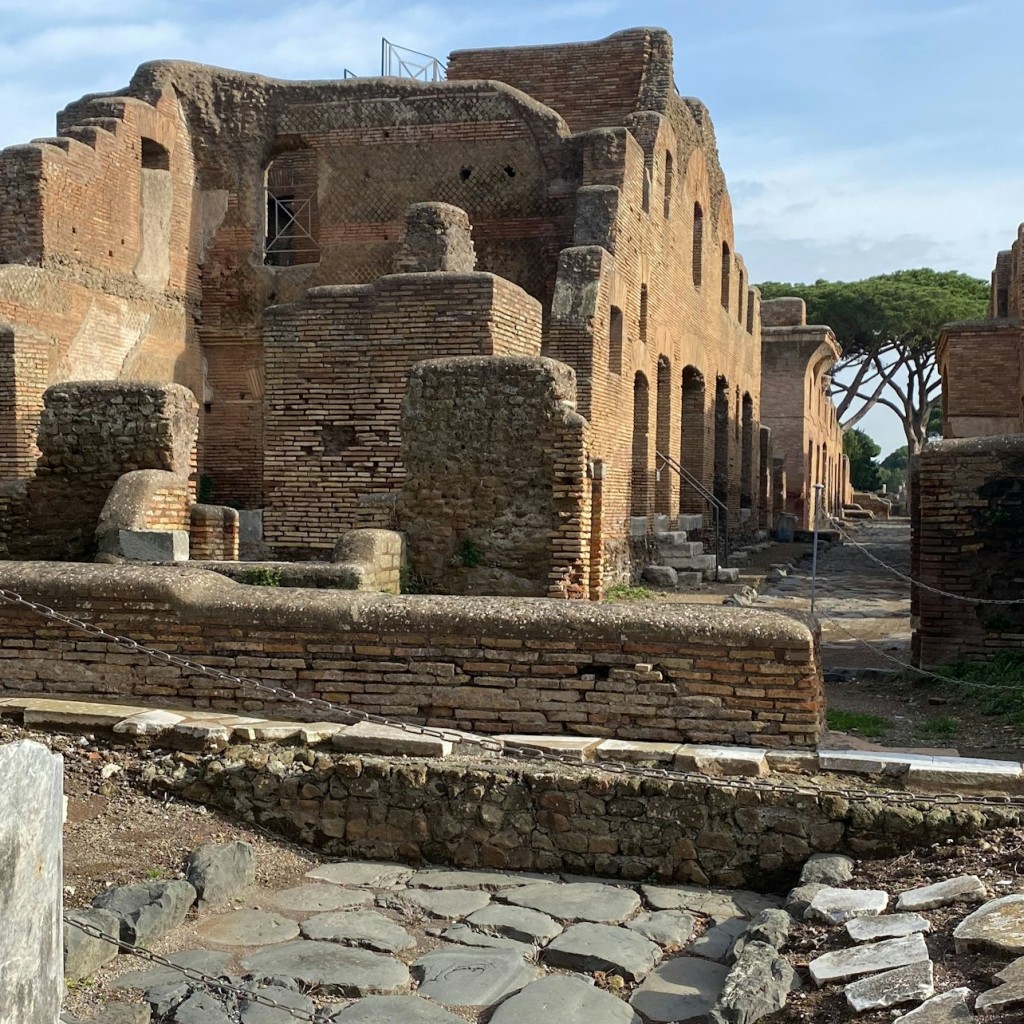
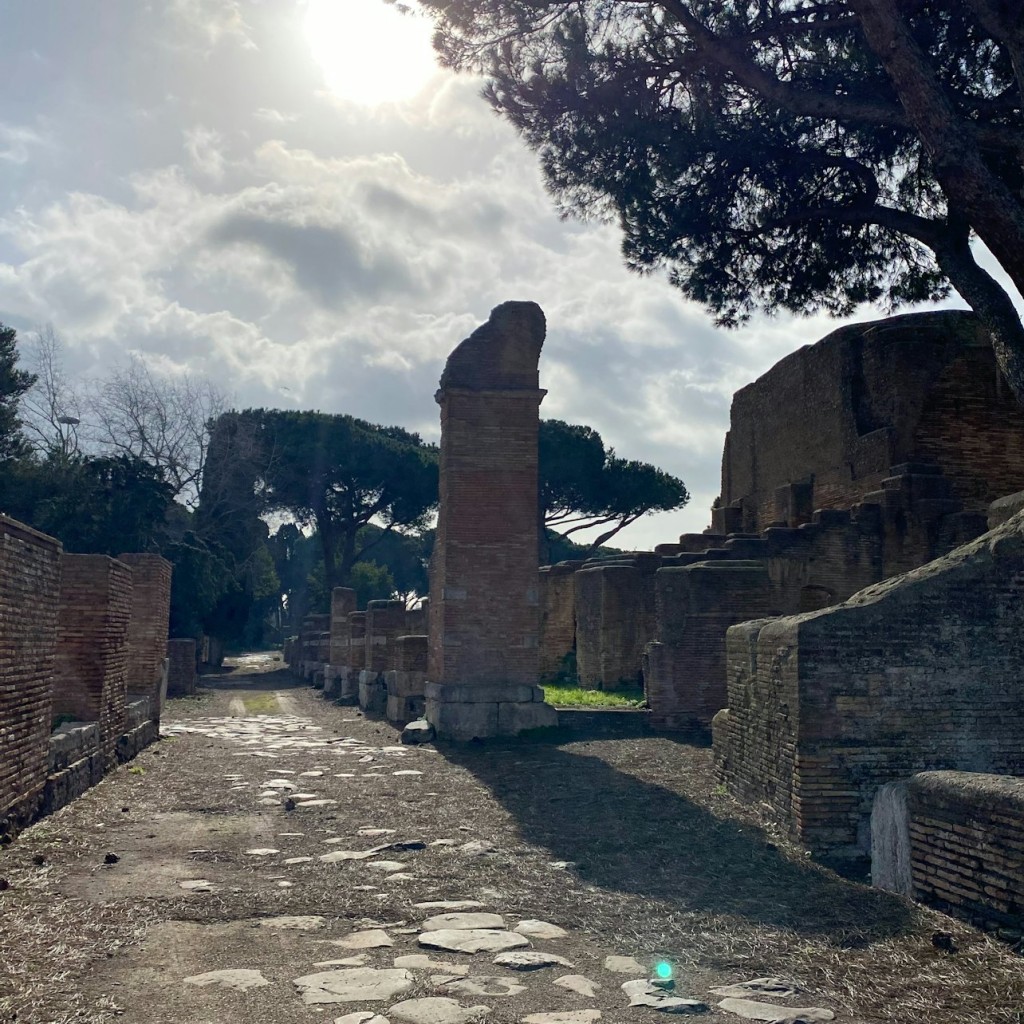
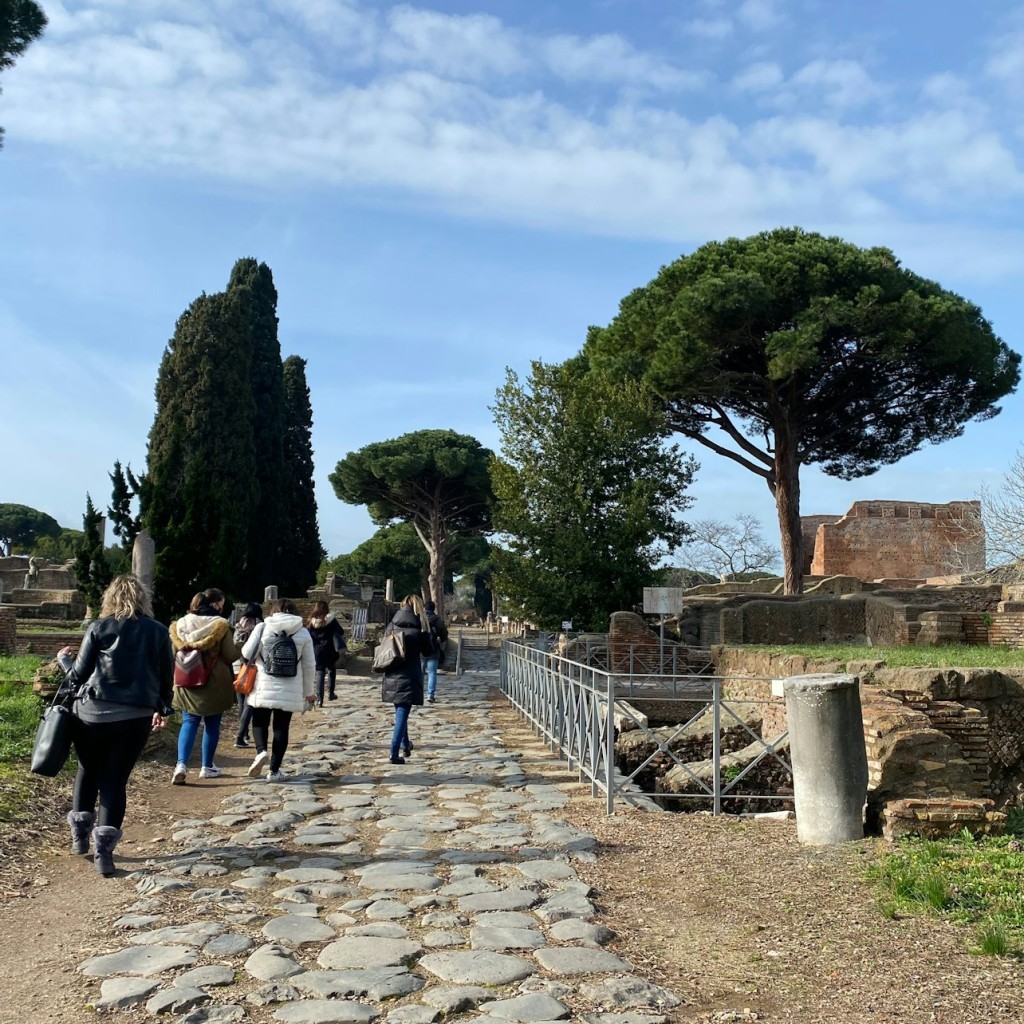
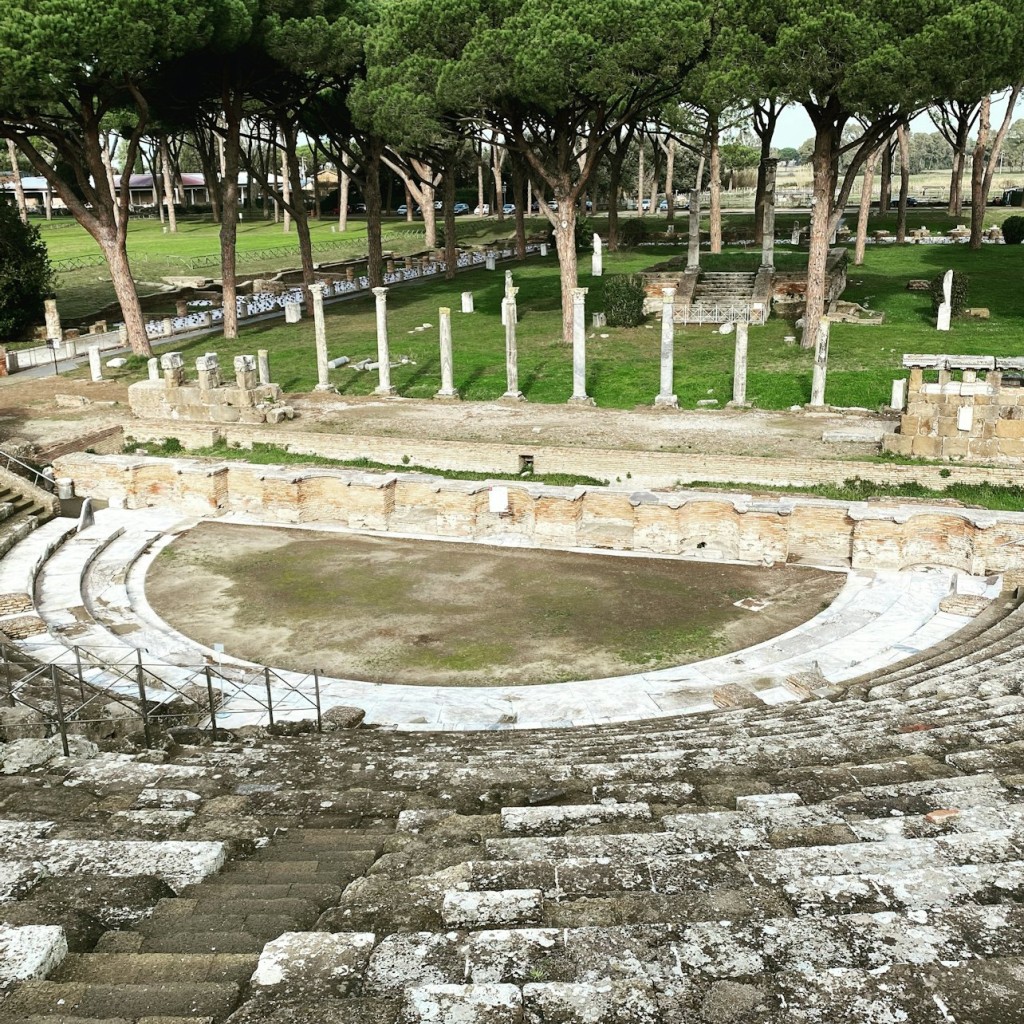
Założona prawdopodobnie już w VII wieku p.n.e., Ostia Antica naprawdę zaczęła swój znaczący rozwój około IV wieku p.n.e. jako pierwsza kolonia i placówka wojskowa Rzymu. Jej strategiczne położenie u ujścia Tybru sprawiło, że była kluczowa dla obrony morskiej Rzymu i, co ważne, dla jego zaopatrzenia w żywność. Wraz z ekspansją Rzymu rozwijała się również Ostia, przekształcając się z bazy wojskowej w tętniący życiem port handlowy. W epoce cesarstwa, zwłaszcza za panowania cesarzy takich jak Klaudiusz i Trajan, Ostia rozkwitła, przechodząc intensywny rozwój urbanistyczny. Stała się tętniącym życiem kosmopolitycznym miastem, domem dla magazynów, biur handlowych, łaźni publicznych, świątyń, teatru i wielopiętrowych budynków mieszkalnych znanych jako „insulae”. Szczyt jej prosperity trwał do III wieku n.e. Wraz z upadkiem Cesarstwa Rzymskiego, zmianami w biegu Tybru i powstaniem nowych portów, Ostia stopniowo traciła na znaczeniu. Do IX wieku była w dużej mierze opuszczona, a jej struktury powoli pokrywały się mułem i roślinnością, co paradoksalnie przyczyniło się do jej niezwykłego zachowania, dopóki systematyczne wykopaliska nie rozpoczęły się w XIX wieku.