




Co zawiera oferta
- Zwiedzanie z przewodnikiem centrum Rzymu
- Ciesz się ponad 10 opcjami jedzenia, 6 napojami i lokalnymi smakami w 5 restauracjach
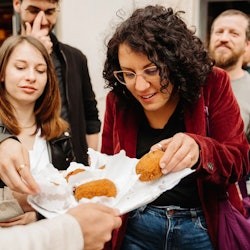
Odkryj wizualną ucztę pysznych rzymskich specjałów, uroczych restauracji i tętniących życiem targów uchwyconych podczas naszych wycieczek kulinarnych.
Wyrusz w niezapomnianą kulinarną podróż przez serce Rzymu z przewodnikiem. Odkryj autentyczne smaki Wiecznego Miasta, przemierzając tętniące życiem dzielnice, gwarne targi i urocze trattorie. Te wciągające doświadczenia oferują więcej niż tylko degustacje; są głębokim zanurzeniem w rzymską kulturę, historię i codzienne życie, podczas gdy delektujesz się tradycyjnymi włoskimi specjałami, regionalnymi przysmakami i wyśmienitymi lokalnymi winami. Niezależnie od tego, czy jesteś doświadczonym entuzjastą jedzenia, czy po prostu chcesz spróbować najlepszego, co Rzym ma do zaoferowania, wycieczka kulinarna z przewodnikiem zapewnia unikalną perspektywę i pyszne wspomnienia, prowadzone przez doświadczonych lokalnych przewodników, pasjonujących się gastronomicznym dziedzictwem swojego miasta. Przygotuj swoje podniebienie na wzbogacającą eksplorację kulinarnej stolicy Włoch.
Nie ma formalnego dress code'u na rzymskie wycieczki kulinarne. Zalecane są wygodne ubrania i, co najważniejsze, wygodne buty do chodzenia, ponieważ wycieczki obejmują kilkugodzinny spacer po często nierównych brukowanych ulicach Rzymu. Ubierz się odpowiednio do pogody, zabierając warstwy odzieży w razie potrzeby, zwłaszcza w chłodniejszych miesiącach lub na wieczorne wycieczki.
Rzymskie wycieczki kulinarne zostały zaprojektowane tak, aby zachwycić Twoje zmysły i wprowadzić Cię w niezrównane bogactwo włoskiej kuchni. Poza ikonicznymi zabytkami, prawdziwa esencja Rzymu tkwi w jego kulinarnych tradycjach, przekazywanych z pokolenia na pokolenie. Te wycieczki zabiorą Cię z utartych szlaków, aby odkryć ukryte kulinarne perełki w takich dzielnicach jak Zatybrze, Campo de Fiori i Getto Żydowskie. Będziesz miał okazję skosztować szerokiej gamy rzymskich przysmaków, od klasycznego jedzenia ulicznego, takiego jak supplì i pizza al taglio, po rzemieślnicze sery, wędliny, świeży makaron i wyśmienite wypieki. Wiele wycieczek obejmuje również degustacje wina, oferując szansę na połączenie regionalnych odmian z jedzeniem. Doświadczeni lokalni przewodnicy dzielą się fascynującymi spostrzeżeniami na temat historii rzymskich potraw, historii rodzinnych firm i znaczenia świeżych, sezonowych składników. Jest to interaktywne i edukacyjne doświadczenie, które pozwala na interakcję z lokalnymi sprzedawcami, naukę tradycyjnych metod przygotowania i głębsze docenienie tętniącej życiem sceny kulinarnej Rzymu. Niezależnie od tego, czy jest to poranna wizyta na targu, czy wieczorny spacer z kolacją i winem, rzymska wycieczka kulinarna obiecuje autentyczną i pyszną podróż.
Rezerwacja wycieczki kulinarnej po Rzymie online oferuje wygodę i gwarantuje miejsce na tych popularnych doświadczeniach kulinarnych. Dzięki różnorodnym opcjom, takim jak wycieczki z przewodnikiem po jedzeniu ulicznym, degustacje bezglutenowe lub wieczorne spacery z kolacją i winem, możesz zapewnić sobie idealną wycieczkę dopasowaną do Twoich preferencji i harmonogramu. Rezerwacja online często zapewnia natychmiastowe potwierdzenie i szczegółowe instrukcje dotyczące spotkania, co sprawia, że planowanie podróży jest bezproblemowe. Pozwala również porównać różne oferty wycieczek i przeczytać recenzje przed podjęciem decyzji, gwarantując wysokiej jakości, autentyczne doświadczenie prowadzone przez doświadczonych lokalnych przewodników, bez kłopotów z załatwieniami na ostatnią chwilę.
Historia kuchni rzymskiej jest głęboko spleciona z tysiącletnią przeszłością miasta, odzwierciedlając wpływy od starożytnych rzymskich bankietów po proste, pożywne posiłki chłopskie. Początkowo rzymskie jedzenie bazowało głównie na zbożach, roślinach strączkowych i oliwie z oliwek. Wraz z ekspansją Cesarstwa Rzymskiego wprowadzano nowe składniki i techniki kulinarne, wzbogacając lokalne podniebienie. Przez wieki ewoluowały specyficzne dania, często zrodzone z konieczności i tradycji „cucina povera” (kuchni biednych), wykorzystując łatwo dostępne składniki do tworzenia niezwykle smacznych i sycących posiłków. Podstawy takie jak makaron, pizza i lody, choć nie są wyłącznie rzymskie, mają silne powiązania z włoskim dziedzictwem kulinarnym i są tutaj celebrowane. Rzymskie Getto Żydowskie, na przykład, ma swoje własne odrębne tradycje kulinarne, takie jak karczochy po żydowsku (carciofi alla giudia). Miejskie rynki, takie jak Campo de Fiori, przez wieki były tętniącymi życiem centrami handlu żywnością, odgrywając kluczową rolę w kształtowaniu rzymskiej gastronomii. Dzisiejsze wycieczki kulinarne celebrują tę bogatą historię, oferując smak dań, których przepisy były udoskonalane przez pokolenia, zapewniając bezpośrednie połączenie z głębokim dziedzictwem kulinarnym miasta.
Rzymskie wycieczki kulinarne nie są ograniczone tradycyjnymi godzinami otwarcia jednego miejsca. Zamiast tego są to zaplanowane doświadczenia dostępne o różnych porach. Możesz znaleźć poranne wycieczki, które często obejmują wizyty na targu, wycieczki lunchowe, popołudniowe doświadczenia z jedzeniem ulicznym oraz popularne wycieczki wieczorne, które kończą się kolacją i degustacją wina. Dostępność różni się w zależności od rodzaju wycieczki i operatora, z większą liczbą opcji zazwyczaj w szczycie sezonu turystycznego. Zawsze zaleca się sprawdzenie konkretnego harmonogramu wycieczki podczas rezerwacji, aby upewnić się, że pasuje do Twojego planu podróży, ponieważ niektóre wycieczki mogą nie odbywać się codziennie.
Najlepszy czas na wycieczkę kulinarną po Rzymie zależy od osobistych preferencji i rodzaju doświadczenia, którego szukasz. Wiosna (kwiecień-maj) i jesień (wrzesień-październik) oferują przyjemną pogodę, idealną do spacerów i degustacji na świeżym powietrzu. Miesiące letnie (czerwiec-sierpień) mogą być gorące, co sprawia, że wieczorne wycieczki są popularnym wyborem. Zima (listopad-marzec) zapewnia przytulną atmosferę, a wycieczki są zazwyczaj mniej zatłoczone. Poranne wycieczki są doskonałe do odwiedzania rynków i tętniącej życiem atmosfery, podczas gdy wieczorne wycieczki często koncentrują się na kolacji, winie i czarującej atmosferze Rzymu po zmroku. Wycieczki w dni powszednie mogą oferować nieco mniej zatłoczone doświadczenie w porównaniu do weekendów.
Podczas wycieczki kulinarnej po Rzymie nie będziesz ograniczony do jednego „wnętrza”, ale doświadczysz starannie zaplanowanej podróży przez kulinarne serce miasta. Zazwyczaj odwiedzisz lokalne rynki pełne świeżych produktów, rzemieślnicze piekarnie, historyczne pizzerie i urocze rodzinne trattorie. Spodziewaj się zobaczyć tętniące życiem stoiska z jedzeniem ulicznym, starożytne rzymskie ruiny subtelnie wkomponowane w nowoczesne życie oraz malownicze place, na których gromadzą się mieszkańcy. Twój przewodnik poprowadzi Cię przez kręte brukowane uliczki, wskazując detale architektoniczne i dzieląc się historiami, które ożywiają dzielnice. „Wnętrze” wycieczki to wciągająca interakcja z lokalnymi sprzedawcami, widok świeżo robionego makaronu i odkrywanie ukrytych dziedzińców, a wszystko to przy degustacji rzymskich skarbów kulinarnych.
Przyjdź głodny, ponieważ wycieczki kulinarne zazwyczaj obejmują liczne obfite degustacje, które często mogą zastąpić posiłek. Załóż wygodne buty do chodzenia, ponieważ większość wycieczek wiąże się ze znacznym spacerowaniem po brukowanych ulicach. Poinformuj przewodnika lub organizatora wycieczki z wyprzedzeniem o wszelkich ograniczeniach dietetycznych lub alergiach; wiele wycieczek może uwzględnić prośby wegetariańskie, wegańskie lub bezglutenowe, ale wcześniejsze powiadomienie jest niezbędne. Zabierz małą butelkę wody, zwłaszcza w cieplejszych miesiącach. Wycieczki zazwyczaj odbywają się niezależnie od pogody, więc ubierz się odpowiednio do warunków atmosferycznych. Na koniec, bądź otwarty na próbowanie nowych smaków i angażowanie się w lokalną kulturę; to wzbogaca ogólne wrażenia.
Uczestnicy proszeni są o punktualne stawienie się w wyznaczonym miejscu zbiórki. Prosimy o przestrzeganie instrukcji przewodnika i pozostanie z grupą, aby zapewnić wszystkim płynne doświadczenie. Szanuj lokalne zwyczaje i tradycje, zwłaszcza podczas odwiedzania targów lub miejsc kultu religijnego, jeśli są częścią trasy wycieczki. Utrzymuj umiarkowany poziom hałasu w dzielnicach mieszkalnych i podczas degustacji. Spożycie alkoholu powinno być odpowiedzialne. Każde zakłócające zachowanie może skutkować usunięciem z wycieczki bez zwrotu kosztów.
Rzymska wycieczka kulinarna jest absolutnie warta odwiedzenia dla każdego, kto chce głębiej zanurzyć się w kulturę i smaki miasta. To coś więcej niż tylko jedzenie; to wciągające doświadczenie, które łączy Cię z lokalnymi tradycjami, historią i tętniącym życiem codziennym Rzymian. Masz okazję skosztować autentycznych dań przygotowanych przez lokalnych rzemieślników, odkryć ukryte kulinarne perełki, które inaczej byś przegapił, i zdobyć wiedzę od pełnych pasji lokalnych przewodników. To angażujący sposób na zwiedzanie dzielnic, poznawanie włoskich składników i tworzenie trwałych wspomnień poprzez wspólne pyszne doświadczenia, co czyni ją atrakcją każdej podróży do Wiecznego Miasta.
Będziesz miał okazję spróbować szerokiej gamy rzymskich i włoskich specjałów, które mogą obejmować jedzenie uliczne, takie jak supplì i pizza al taglio, świeży makaron, rzemieślnicze sery i wędliny, tradycyjne wypieki, lody (gelato) i lokalne wina. Konkretne oferty różnią się w zależności od wycieczki.
Wiele wycieczek kulinarnych może uwzględnić typowe ograniczenia dietetyczne, takie jak potrzeby wegetarian, wegan czy osób na diecie bezglutenowej. Kluczowe jest poinformowanie operatora wycieczki lub przewodnika z wyprzedzeniem podczas rezerwacji, aby mogli dokonać odpowiednich ustaleń.
Większość wycieczek kulinarnych po Rzymie trwa od 2,5 do 4 godzin, zapewniając kompleksowe doświadczenie degustacyjne i eksploracyjne.
Tak, zdecydowanie zaleca się rezerwację z wyprzedzeniem, szczególnie w szczycie sezonu turystycznego. Zapewnia to miejsce na wybranej wycieczce i pozwala operatorom przygotować się na wielkość grupy oraz wszelkie potrzeby dietetyczne.
Wygodne buty do chodzenia są niezbędne, ponieważ wycieczki obejmują znaczne spacery. Ubierz się swobodnie i odpowiednio do warunków pogodowych. Warstwowe ubranie jest zalecane, szczególnie w okresach przejściowych lub na wieczorne wycieczki.
Większość wycieczek kulinarnych po Rzymie obejmuje wybór napojów, często wodę, lokalne wino lub napoje bezalkoholowe, parowane z degustacjami jedzenia. Konkretne włączenia różnią się w zależności od wycieczki.
Wiele wycieczek kulinarnych po Rzymie jest przyjaznych rodzinom i odpowiednich dla dzieci, które lubią chodzić i próbować nowych potraw. Niektóre wycieczki mogą mieć zalecenia wiekowe lub specjalne opcje dla dzieci. Najlepiej jest skontaktować się bezpośrednio z organizatorem wycieczki.
Miejsca zbiórek na wycieczki kulinarne różnią się, ale zazwyczaj znajdują się w dobrze skomunikowanych częściach Rzymu, dostępnych transportem publicznym. Do punktów startowych można zazwyczaj dotrzeć metrem rzymskim (Linia A lub B), różnymi liniami autobusowymi lub tramwajowymi, a następnie krótkim spacerem. W przypadku wycieczek po dzielnicach takich jak Zatybrze (Trastevere), autobusy i tramwaje są często najbardziej bezpośrednimi opcjami. Zaleca się sprawdzenie dokładnego adresu miejsca zbiórki podanego podczas rezerwacji i zaplanowanie trasy za pomocą lokalnej aplikacji transportowej.
Nie ma formalnego dress code'u na rzymskie wycieczki kulinarne. Zalecane są wygodne ubrania i, co najważniejsze, wygodne buty do chodzenia, ponieważ wycieczki obejmują kilkugodzinny spacer po często nierównych brukowanych ulicach Rzymu. Ubierz się odpowiednio do pogody, zabierając warstwy odzieży w razie potrzeby, zwłaszcza w chłodniejszych miesiącach lub na wieczorne wycieczki.