

Co zawiera oferta
- Wstęp do Palazzo Poli
- Wejście na koncert
- Ekskluzywny widok na Fontannę di Trevi
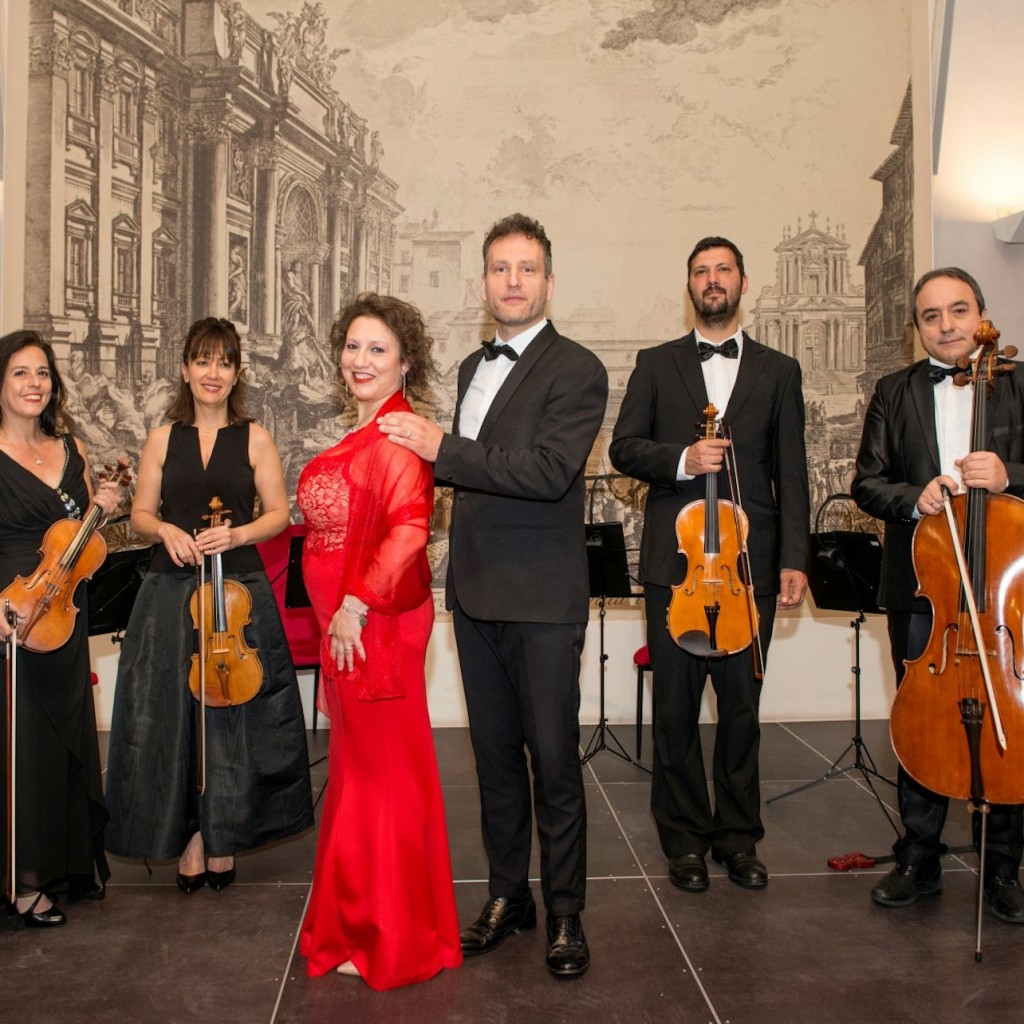
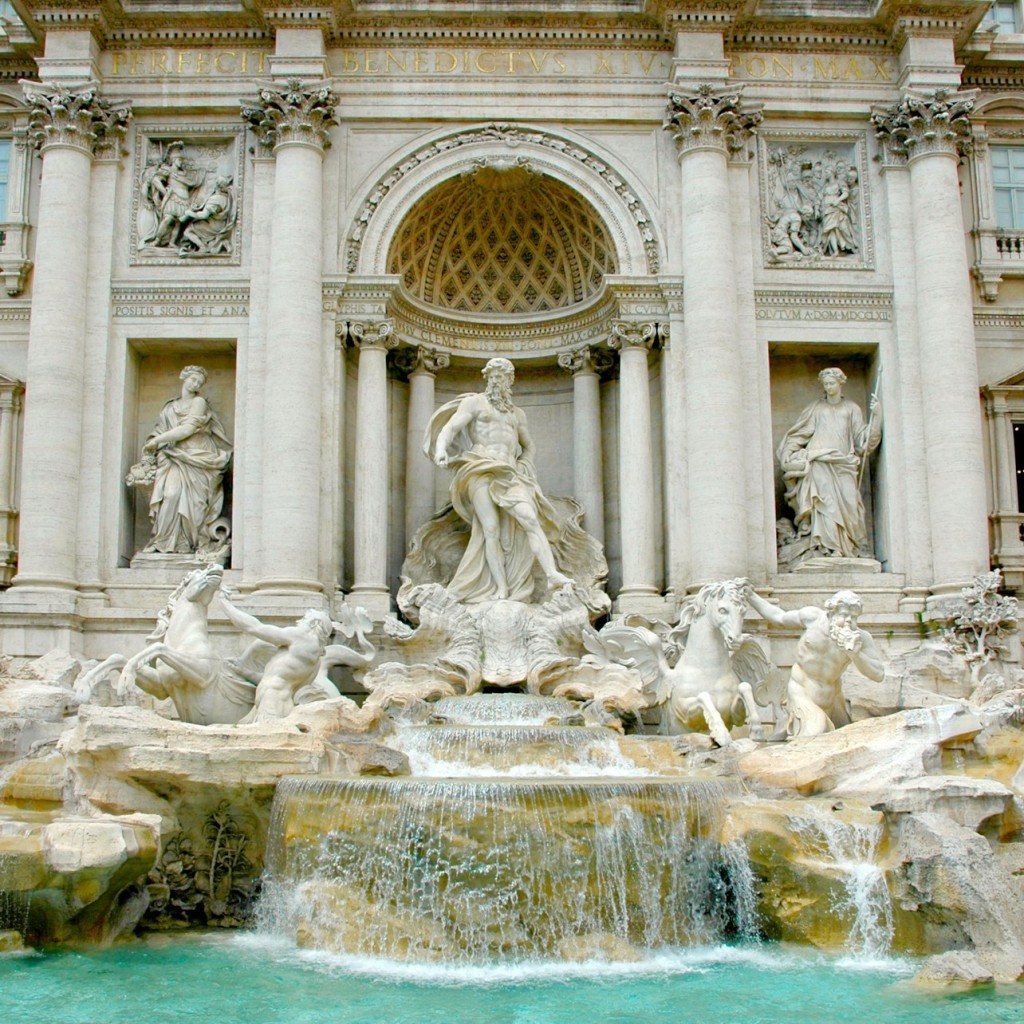
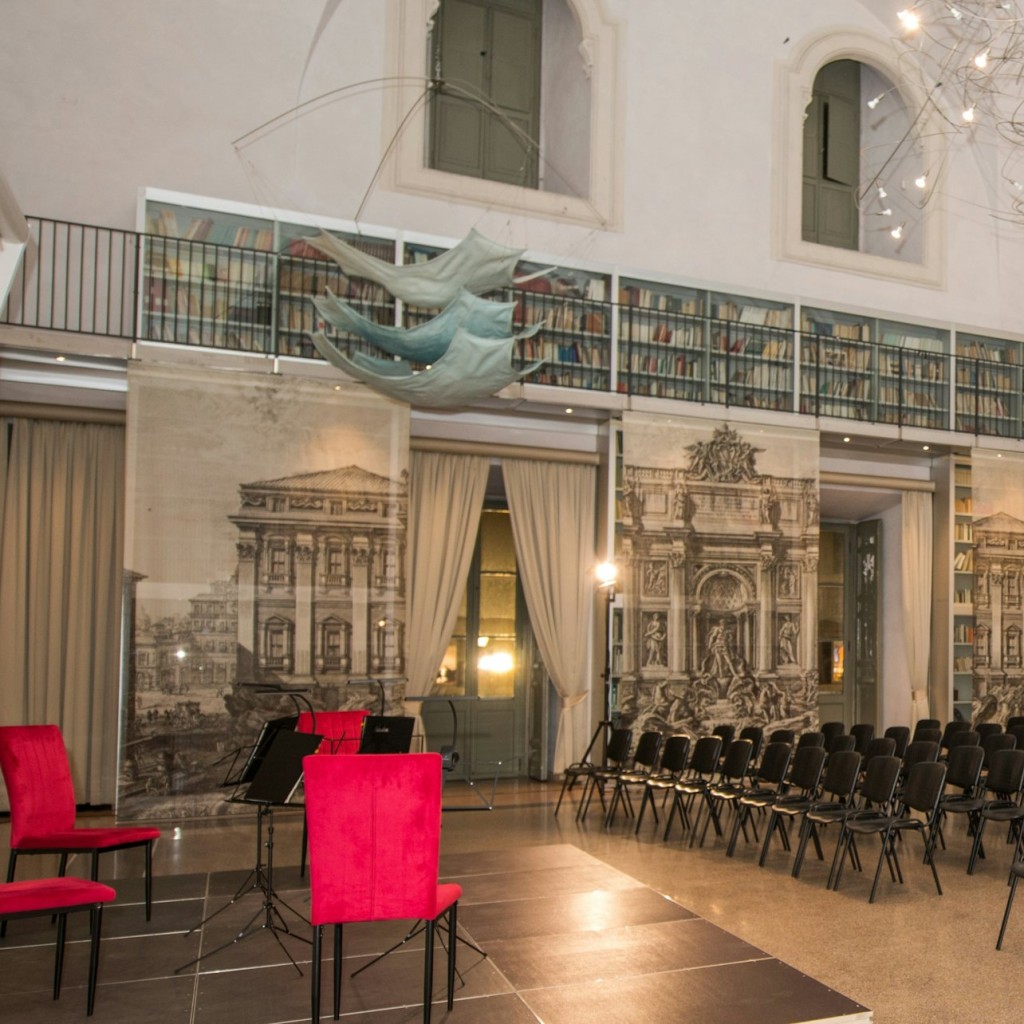
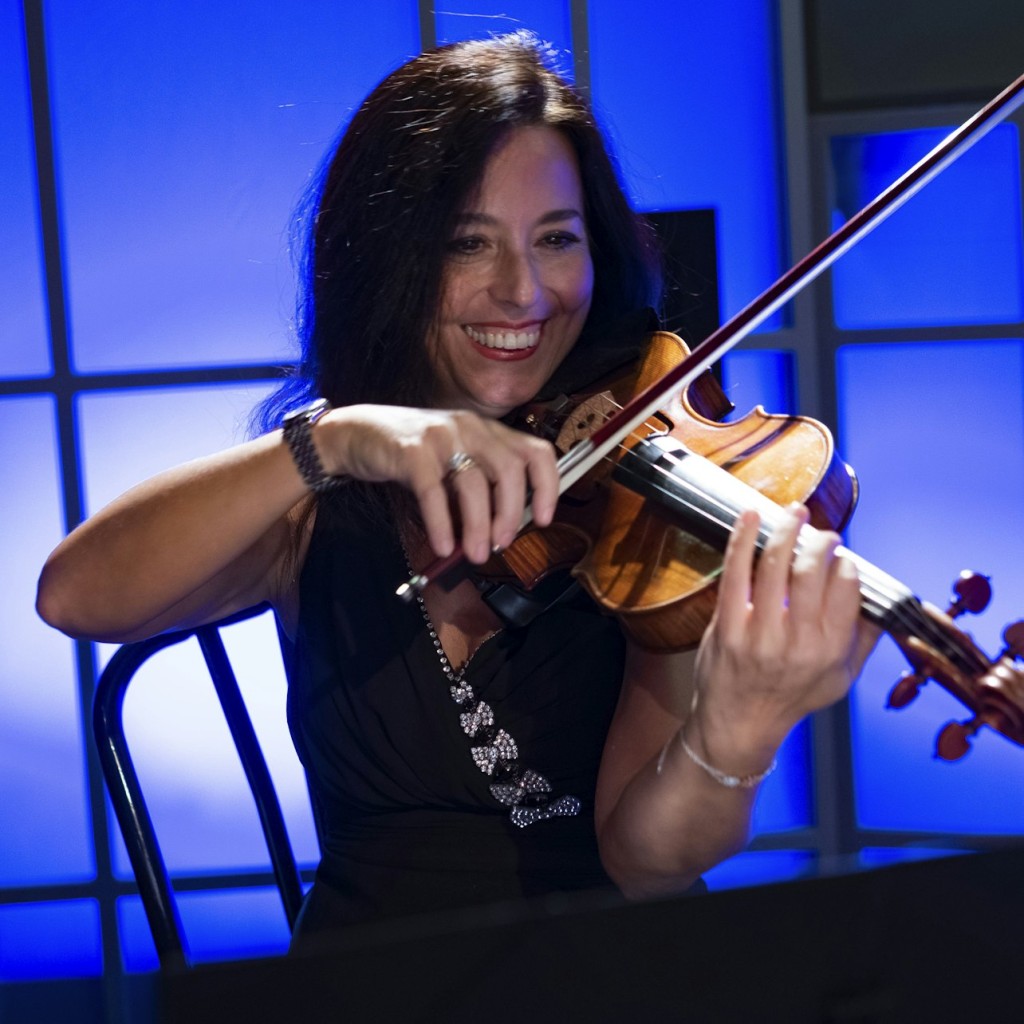
Odkryj oszałamiające zdjęcia pięknych rzymskich miejsc i urzekających występów, oferujące wgląd w magię tamtejszej sceny operowej i koncertowej muzyki klasycznej.
Zanurz się w urzekający świat opery i muzyki klasycznej w Rzymie, mieście bogatym w dziedzictwo artystyczne. Od wspaniałych oper po kameralne kościoły i historyczne pałace, Rzym oferuje różnorodną gamę miejsc, w których można doświadczyć światowej klasy występów. Ciesz się ponadczasowymi arcydziełami legendarnych kompozytorów, ożywionymi przez utalentowanych muzyków i wokalistów. Te koncerty i opery stanowią wyjątkową okazję do połączenia się z głębokim dziedzictwem kulturowym Włoch, oferując czarujący wieczór, który uzupełnia starożytne cuda miasta. Niezależnie od tego, czy jesteś koneserem, czy uczestniczysz po raz pierwszy, tętniąca życiem scena muzyki klasycznej w Rzymie obiecuje niezapomniane wrażenia kulturalne w sercu Wiecznego Miasta.
Dress code na operę i koncerty muzyki klasycznej w Rzymie różni się w zależności od miejsca i konkretnego wydarzenia. Na przedstawienie w wspaniałym Teatro dell'Opera często preferowany jest strój smart casual lub półformalny, np. marynarka dla mężczyzn i sukienka lub eleganckie elementy garderoby dla kobiet. Na koncerty w kościołach lub mniej formalnych miejscach wystarczy schludny i szanujący okazję strój casualowy. Unikaj zbyt swobodnych ubrań, takich jak szorty, t-shirty czy odzież sportowa, z szacunku dla artystów i okazji. W razie wątpliwości zawsze lepiej jest być nieco bardziej elegancko ubranym.
Rzymska scena muzyki klasycznej i opery jest kamieniem węgielnym tożsamości kulturowej miasta, oferując odwiedzającym szansę zagłębienia się w tradycję sztuk performatywnych, która obejmuje wieki. Występy odbywają się w różnorodnych sceneriach, z których każda przyczynia się do unikalnej atmosfery. Możesz znaleźć się w wspaniałej Operze Rzymskiej (Teatro dell'Opera di Roma), znanej z widowiskowych produkcji, lub w jednym z wielu historycznych kościołów, takich jak Chiesa di Sant'Antonio dei Portoghesi czy Chiesa Valdese, które zapewniają intymne i akustycznie bogate środowisko dla muzyki kameralnej i koncertów sakralnych. Pałace takie jak Palazzo Doria Pamphilj również goszczą ekskluzywne koncerty, często połączone z wycieczkami z przewodnikiem. Repertuar jest ogromny, od popularnych włoskich oper Verdiego, Pucciniego i Rossiniego, po klasyczne koncerty i symfonie Vivaldiego, Mozarta i Chopina, a także dedykowane hołdy i współczesne interpretacje. Wydarzenia te nie tylko prezentują wyjątkowy talent muzyczny, ale także pozwalają docenić piękno architektoniczne i historyczne znaczenie rzymskich miejsc. Uczestnictwo w operze lub koncercie muzyki klasycznej to coś więcej niż tylko występ; to wciągająca podróż w duszę włoskiej sztuki i naprawdę niezapomniana część każdego rzymskiego planu podróży.
Rezerwacja biletów na operę i koncerty muzyki klasycznej w Rzymie online zapewnia wygodę i gwarantuje miejsce na bardzo poszukiwanych spektaklach. Wiele popularnych wydarzeń, zwłaszcza w mniejszych, kameralnych miejscach lub w szczycie sezonu turystycznego, może szybko się wyprzedać. Kupując z wyprzedzeniem, zapewniasz sobie preferowane miejsce i unikasz rozczarowania z powodu utraconych możliwości. Rezerwacja online umożliwia również łatwe porównywanie różnych przedstawień, dat i kategorii miejsc, pomagając wybrać idealne doświadczenie podczas wizyty. Zapewnia natychmiastowe potwierdzenie i często umożliwia biletowanie mobilne, usprawniając wejście na wydarzenie i pozwalając skupić się na podziwianiu wspaniałego występu.
Związek Rzymu z muzyką klasyczną i operą sięga wieków, głęboko spleciony z szerszą ewolucją artystyczną i kulturalną Włoch. Chociaż opera jako forma sztuki narodziła się we Florencji pod koniec XVI wieku, Rzym szybko stał się ważnym centrum jej rozwoju. Miasto było świadkiem premier wczesnych oper i odegrało kluczową rolę w kształtowaniu konwencji dramatycznych i muzycznych tego gatunku. W epoce baroku rzymscy mecenasi i kompozytorzy wnieśli ogromny wkład w rozkwit oratoriów, kantat i muzyki liturgicznej, ustanawiając bogatą tradycję doskonałości wokalnej i instrumentalnej. XVIII i XIX wiek ugruntowały status Włoch jako miejsca narodzin wielkiej opery, a rzymskie teatry gościły dzieła mistrzów takich jak Rossini, Bellini, Donizetti, Verdi i Puccini. Teatro dell'Opera di Roma, otwarte w 1880 roku, jest świadectwem tego trwałego dziedzictwa, kontynuując prezentowanie światowej klasy produkcji. Poza operą, Rzym zawsze był centrum klasycznej muzyki instrumentalnej, z licznymi akademiami, konserwatoriami i kościołami pielęgnującymi talenty i goszczącymi koncerty. Ta historyczna głębia wzbogaca każdy występ, łącząc współczesną publiczność z ciągłą linią geniuszu muzycznego.
W przeciwieństwie do muzeów czy stałych atrakcji, miejsca operowe i koncertowe w Rzymie działają w oparciu o poszczególne wydarzenia. Nie ma standardowych codziennych 'godzin otwarcia' dla ogólnego zwiedzania. Zamiast tego, obiekty otwierają swoje drzwi dla posiadaczy biletów zazwyczaj 30 do 60 minut przed rozpoczęciem zaplanowanego spektaklu, co daje czas na zajęcie miejsc i przygotowania przed występem. Godziny występów są wyraźnie podane na indywidualnych biletach na wydarzenia i w ich opisach. Zaleca się przybycie wcześniej, aby znaleźć swoje miejsce i spokojnie się rozgościć.
Rzym oferuje bogaty program oper i koncertów muzyki klasycznej przez cały rok, co sprawia, że każda pora roku jest odpowiednia na wizytę skoncentrowaną na muzyce. Jednak niektóre okresy mogą wzbogacić to doświadczenie. Miesiące wiosenne (kwiecień-maj) i jesienne (wrzesień-październik) często charakteryzują się bogatym kalendarzem kulturalnym, komfortową pogodą na spacery do miejsc wydarzeń i przyjemną wieczorną atmosferą. Latem (czerwiec-sierpień) występy na świeżym powietrzu lub koncerty w klimatyzowanych kościołach i salach stanowią mile widzianą ulgę od upału. Miesiące zimowe (listopad-marzec) mogą być szczególnie urokliwe, a przytulne wnętrza zapewniają ciepłą ucieczkę kulturalną. Najczęściej odbywają się wieczorne przedstawienia, co pozwala cieszyć się występem po całym dniu zwiedzania.
Wewnątrz rzymskich oper i sal koncertowych muzyki klasycznej napotkasz różnorodne style architektoniczne i klimatyczne otoczenie. W ikonicznym Teatro dell'Opera di Roma spodziewaj się bogatych wnętrz, pluszowych siedzeń i wspaniałych scen, godnych jego statusu jako wiodącej opery. Mniejsze, zabytkowe teatry i audytoria oferują bardziej kameralne otoczenie, często zachowując oryginalny wystrój z epoki, który przenosi Cię w minioną erę. Uczestnicząc w koncercie w jednym z licznych rzymskich kościołów, odkryjesz, że występy są wzbogacone przez oszałamiającą sztukę sakralną, skomplikowane ołtarze i naturalną akustykę tych starożytnych przestrzeni. Wyobraź sobie 'Cztery pory roku' Vivaldiego rozbrzmiewające w barokowej bazylice. Podobnie, koncerty odbywające się w arystokratycznych pałacach, takich jak Palazzo Doria Pamphilj, pozwalają docenić światowej sławy muzykę w bogato zdobionych salach, ozdobionych arcydziełami sztuki. Niezależnie od miejsca, każde oferuje unikalne tło dla tej uczty dźwiękowej, sprawiając, że doświadczenie wizualne jest równie niezapomniane jak muzyczne.
Uczestnicząc w operze lub koncercie muzyki klasycznej w Rzymie, warto zarezerwować bilety z wyprzedzeniem, zwłaszcza na popularne przedstawienia lub w szczycie sezonu turystycznego. Przyjdź na miejsce co najmniej 30 minut przed rozpoczęciem występu, aby znaleźć swoje miejsce i usadowić się. Pamiętaj, że większość obiektów stosuje surową politykę spóźnień, często odmawiając wejścia aż do przerwy. Fotografowanie i nagrywanie wideo jest zazwyczaj zabronione podczas występów, aby nie przeszkadzać artystom i innym widzom. Wiele obiektów oferuje programy, czasem za niewielką opłatą, które zawierają szczegóły dotyczące przedstawienia, obsady i kompozytora. Rozważ zjedzenie kolacji przed przedstawieniem, ponieważ większość występów nie oferuje pełnych opcji gastronomicznych.
Aby zapewnić wszystkim przyjemne wrażenia, odwiedzający są zobowiązani do przestrzegania pewnych zasad. Prosimy o zachowanie ciszy podczas występów, aby uszanować artystów i innych członków publiczności. Wyłącz wszystkie urządzenia elektroniczne, w tym telefony komórkowe, lub przełącz je w tryb cichy. Spóźnialscy mogą zostać posadzeni tylko podczas odpowiedniej przerwy w przedstawieniu, lub wcale. Fotografowanie z lampą błyskową i nagrywanie wideo są surowo zabronione. Jedzenie i napoje zazwyczaj nie są dozwolone w głównych salach widowiskowych. Dzieci są generalnie mile widziane, ale sprawdź zalecenia wiekowe dla konkretnych przedstawień.
Uczestnictwo w operze lub koncercie muzyki klasycznej w Rzymie to niezwykle cenne doświadczenie dla każdego, kto szuka głębszego związku z włoską kulturą i sztuką. Poza ikonicznymi miejscami historycznymi, te przedstawienia oferują żywy, tętniący życiem aspekt dziedzictwa miasta. To okazja, by zobaczyć światowej klasy talenty, usłyszeć ponadczasową muzykę w pięknych okolicznościach i stworzyć trwałe wspomnienia. Niezależnie od tego, czy pociągają Cię dramatyczne narracje opery, czy misterna uroda symfonii, wydarzenia te zapewniają wyrafinowany i wzbogacający wieczór, który pięknie kontrastuje z dziennym zwiedzaniem starożytnych ruin. Naprawdę dodaje to innego wymiaru Twoim rzymskim wakacjom.
Możesz podziwiać szeroki wachlarz przedstawień, w tym tradycyjne włoskie opery, koncerty operowe, klasyczne koncerty instrumentalne z udziałem kompozytorów takich jak Vivaldi i Chopin, a także wyjątkowe widowiska, takie jak Freddie Mercury Opera Show.
Przedstawienia odbywają się w różnych ikonicznych miejscach w Rzymie, w tym w Teatro dell'Opera di Roma, zabytkowych kościołach, takich jak Chiesa Valdese, oraz eleganckich pałacach, jak Palazzo Doria Pamphilj.
Tak, ogólnie zalecany jest strój smart casual lub półformalny, zwłaszcza w większych obiektach, takich jak opera. Na koncerty kościelne zazwyczaj wystarczy elegancki strój codzienny. Unikaj zbyt swobodnego ubioru.
Większość przedstawień operowych i koncertów klasycznych w Rzymie trwa od 1,5 do 2,5 godziny, co często obejmuje co najmniej jedną przerwę.
Tak, zdecydowanie zaleca się rezerwację biletów z wyprzedzeniem, zwłaszcza w przypadku popularnych przedstawień, preferencji dotyczących miejsc siedzących lub w szczycie sezonu turystycznego, aby zapewnić dostępność.
Dzieci są generalnie mile widziane, ale zaleca się sprawdzenie konkretnych zaleceń wiekowych dla każdego przedstawienia, ponieważ niektóre mogą być bardziej odpowiednie dla starszych widzów.
Nie, fotografowanie i nagrywanie wideo jest zazwyczaj zabronione podczas przedstawień, aby zachować pełną szacunku atmosferę zarówno dla artystów, jak i pozostałych widzów.
Dostęp do miejsc, w których odbywają się opery i koncerty muzyki klasycznej w Rzymie, jest zazwyczaj prosty dzięki rozbudowanej sieci transportu publicznego miasta. Wiele obiektów znajduje się w pobliżu stacji metra, takich jak Termini (linie A i B) lub Barberini (linia A), lub jest dobrze obsługiwanych przez liczne linie autobusowe i tramwajowe. Z najbliższego przystanku komunikacji miejskiej może być wymagany krótki spacer. Taksówki i usługi przewozu osób są również łatwo dostępne w celu bezpośredniego dojazdu.
Dress code na operę i koncerty muzyki klasycznej w Rzymie różni się w zależności od miejsca i konkretnego wydarzenia. Na przedstawienie w wspaniałym Teatro dell'Opera często preferowany jest strój smart casual lub półformalny, np. marynarka dla mężczyzn i sukienka lub eleganckie elementy garderoby dla kobiet. Na koncerty w kościołach lub mniej formalnych miejscach wystarczy schludny i szanujący okazję strój casualowy. Unikaj zbyt swobodnych ubrań, takich jak szorty, t-shirty czy odzież sportowa, z szacunku dla artystów i okazji. W razie wątpliwości zawsze lepiej jest być nieco bardziej elegancko ubranym.