

Co zawiera oferta
- Wstęp do Muzeum Ca 'Pesaro
- Wstęp do Międzynarodowej Galerii Sztuki Nowoczesnej i Muzeum Sztuki Orientalnej
- Dostęp do wystaw czasowych
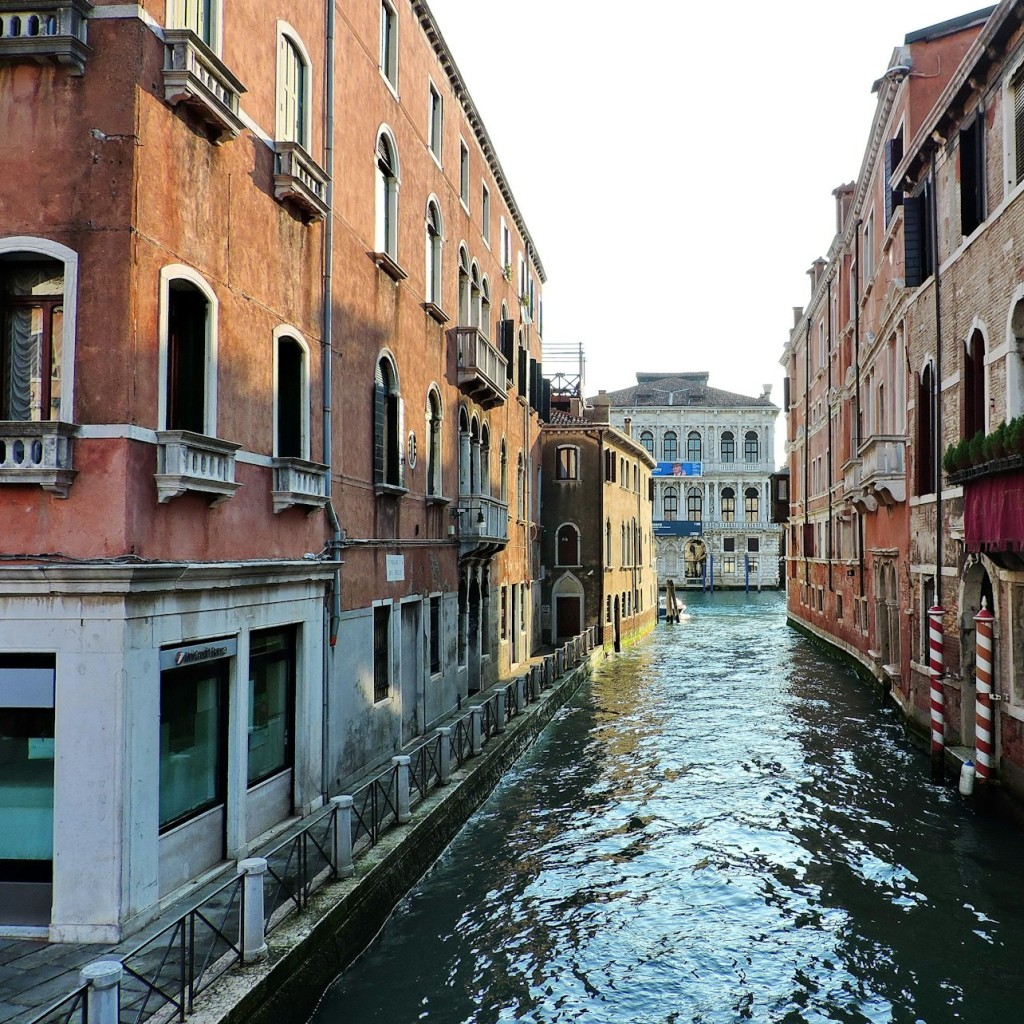
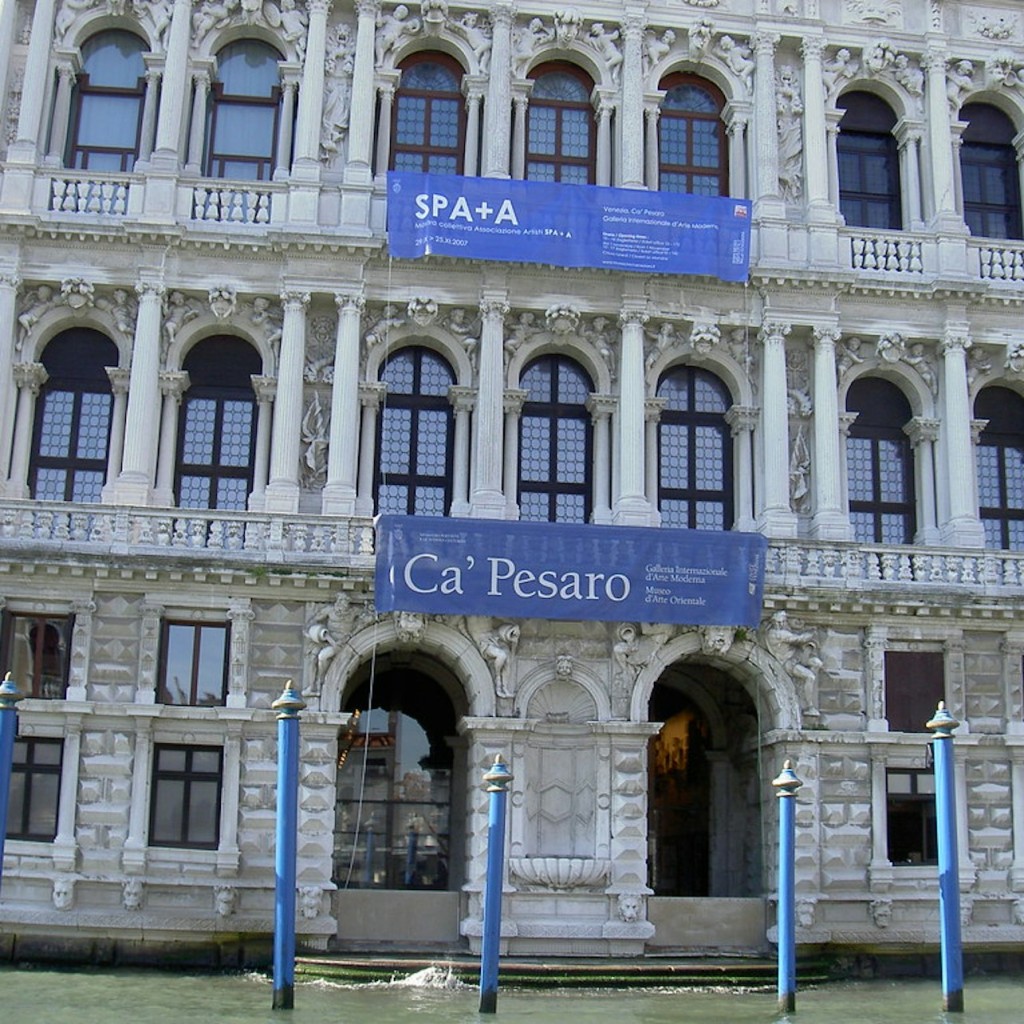
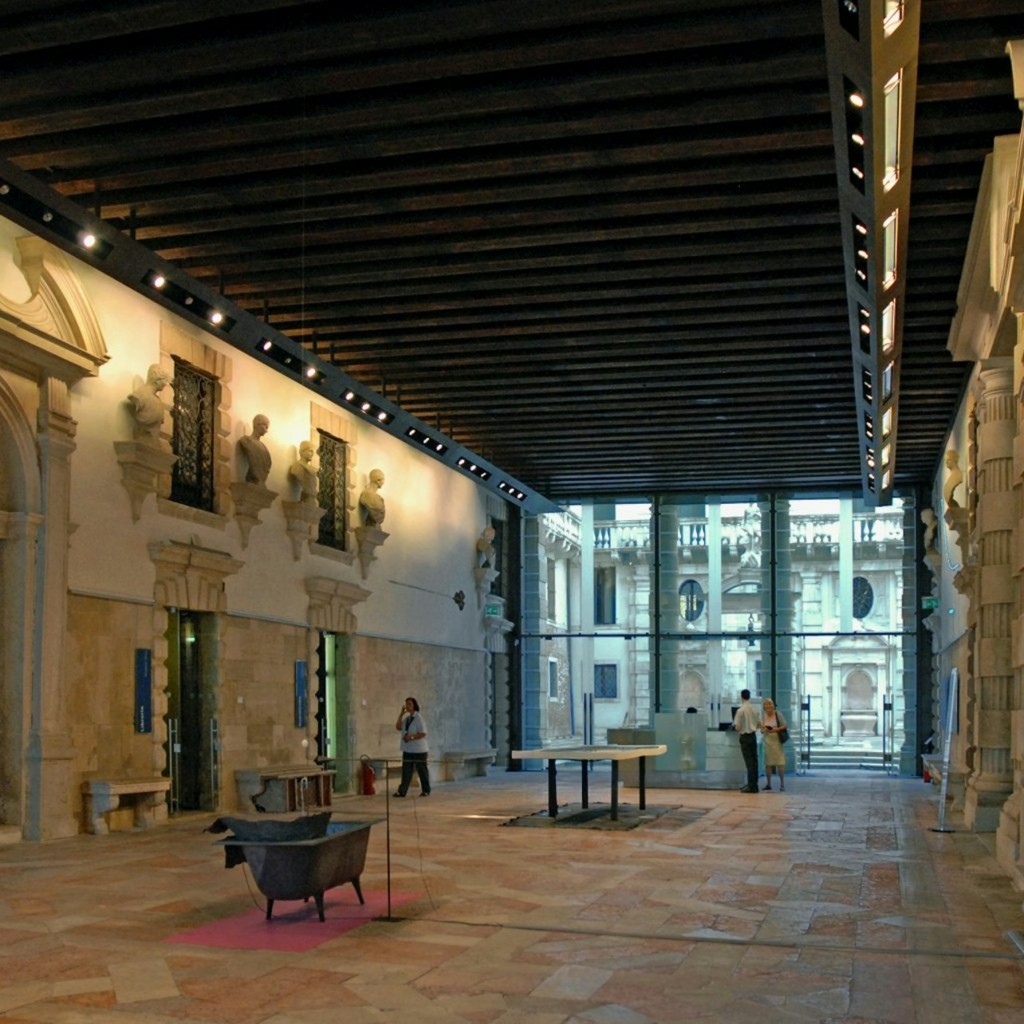
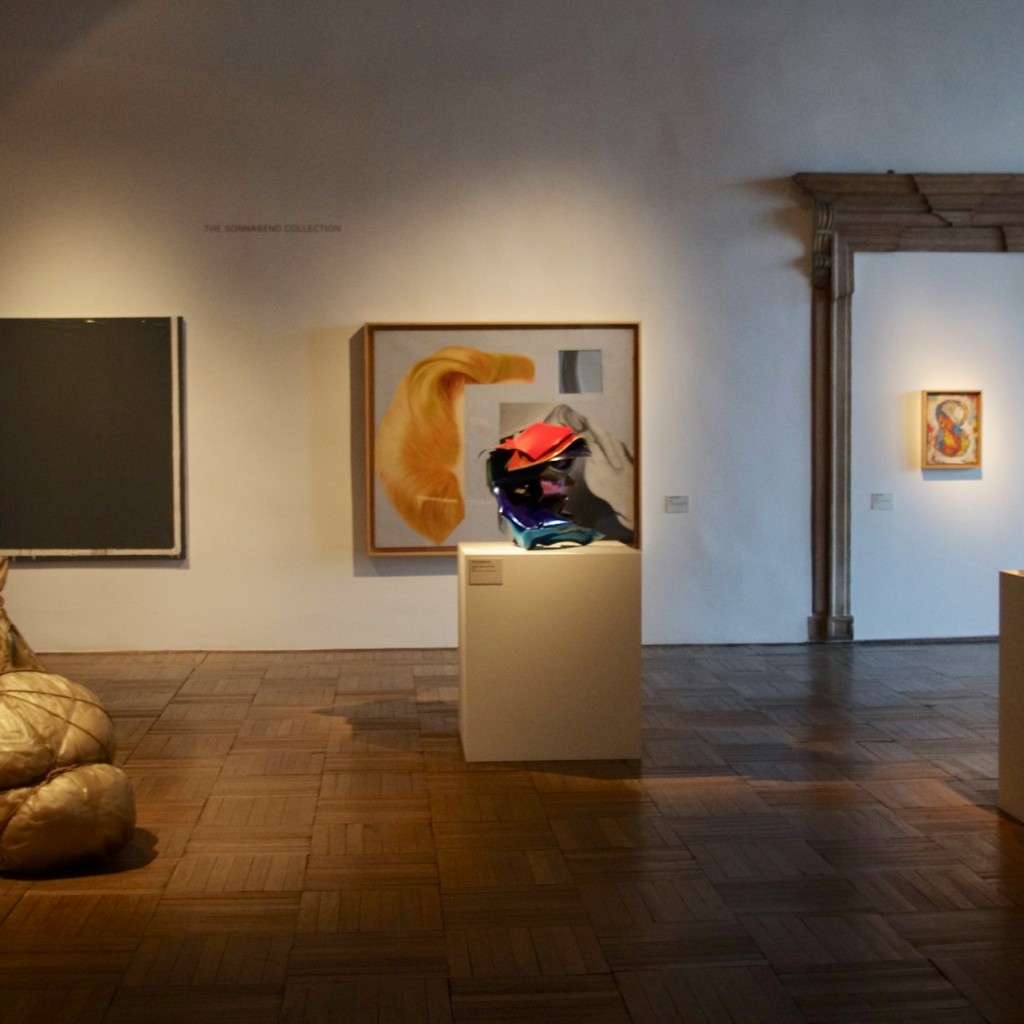
Odkryj wizualną podróż przez Ca' Pesaro, prezentującą jego oszałamiającą architekturę, urzekające dzieła sztuki i unikalne kolekcje w jego murach.
Odkryj Muzeum Ca' Pesaro, wspaniały barokowy pałac z widokiem na Kanał Grande w Wenecji, będący domem dla jednej z najbardziej prestiżowych włoskich kolekcji sztuki nowoczesnej i współczesnej. Ten architektoniczny klejnot mieści nie tylko imponującą gamę obrazów i rzeźb z XIX i XX wieku autorstwa renomowanych artystów włoskich i międzynarodowych, ale także Muzeum Sztuki Orientalnej na najwyższym piętrze. Odwiedzający są zaproszeni do odkrywania arcydzieł w otoczeniu, które płynnie łączy historyczną wspaniałość z artystyczną innowacją. Wizyta w Ca' Pesaro oferuje wyjątkową okazję do zanurzenia się zarówno w weneckim dziedzictwie, jak i globalnych ruchach artystycznych, czyniąc go kluczowym celem kulturalnym w Pływającym Mieście.
Nie ma ścisłego kodeksu ubioru podczas wizyty w Ca' Pesaro. Jednakże, zaleca się ubrać się z szacunkiem i wygodnie, odpowiednio do chodzenia i spędzania czasu w muzealnym środowisku wewnętrznym. Swobodny strój jest ogólnie akceptowalny. W cieplejszych miesiącach lekka odzież jest w porządku, natomiast w chłodniejszych porach roku zaleca się warstwowy ubiór, ponieważ temperatura wewnątrz może się różnić.
Ca' Pesaro to uderzający przykład weneckiej architektury barokowej, zaprojektowany przez Baldassarre Longhena w połowie XVII wieku. Pierwotnie zbudowany dla szlacheckiej rodziny Pesaro, ten wspaniały pałac przekształcił się w publiczną instytucję sztuki na początku XX wieku, dzięki zapisowi księżnej Felicity Bevilacqua La Masa. Dziś pełni funkcję Międzynarodowej Galerii Sztuki Nowoczesnej, prezentując bogaty chronologiczny zbiór dzieł od końca XIX wieku do współczesności. Kolekcja obejmuje znaczące dzieła włoskich artystów, takich jak Giorgio de Chirico i Umberto Boccioni, obok międzynarodowych mistrzów, takich jak Gustav Klimt, Auguste Rodin i Marc Chagall. Oprócz sztuki nowoczesnej, na trzecim piętrze mieści się Muzeum Sztuki Orientalnej, które szczyci się niezwykłą kolekcją japońskich, chińskich i indonezyjskich artefaktów zgromadzonych pod koniec XIX wieku. Położenie muzeum nad Kanałem Grande, w połączeniu z jego wystawnymi wnętrzami i różnorodnymi zbiorami, sprawia, że Ca' Pesaro jest obowiązkowym punktem dla entuzjastów sztuki i tych, którzy pragną głębiej zrozumieć krajobraz kulturowy Wenecji.
Rezerwacja biletów do Muzeum Ca' Pesaro online oferuje wiele korzyści, zapewniając płynniejszą i przyjemniejszą wizytę. Dzięki 'Biletowi priorytetowemu do Muzeum Ca' Pesaro' możesz ominąć potencjalne kolejki przy wejściu, oszczędzając cenny czas. Rezerwacja online gwarantuje wstęp, zwłaszcza w szczycie sezonu, gdy muzeum może być zatłoczone. Pozwala także zaplanować trasę z wyprzedzeniem i przybyć ze spokojem, wiedząc, że Twój wstęp jest zapewniony. Omiń kolejki po bilety i zanurz się w sztuce i historii bez zwłoki, kupując bilety z wyprzedzeniem.
Historia Ca' Pesaro jest głęboko spleciona z wenecką arystokracją i mecenatem artystycznym. Zlecony przez szlachecką rodzinę Pesaro, budowę tego imponującego barokowego pałacu rozpoczęto w 1659 roku pod mistrzowskim kierownictwem Baldassarre Longheny, renomowanego architekta stojącego za Santa Maria della Salute. Jednak Longhena zmarł przed jego ukończeniem, a dokończył go Antonio Gaspari w 1710 roku. Pałac pozostał symbolem bogactwa i wpływów rodziny Pesaro przez pokolenia. Po upadku rodziny pałac przeszedł przez kilka rąk, zanim został przekazany miastu Wenecji w 1898 roku przez Księżną Felicitę Bevilacqua La Masa, z zastrzeżeniem, że stanie się publiczną instytucją sztuki nowoczesnej. Oficjalnie otwarto go jako Międzynarodową Galerię Sztuki Nowoczesnej w 1902 roku, początkowo goszcząc wystawy dla młodych artystów. Później rozbudowano go, aby pomieścić rosnącą kolekcję dzieł sztuki z XIX i XX wieku, a następnie Muzeum Sztuki Orientalnej, umacniając jego dziedzictwo jako kluczowego centrum kulturalnego.
Muzeum Ca' Pesaro jest zazwyczaj otwarte od 10:00 do 17:00, z ostatnim wejściem zazwyczaj na godzinę przed zamknięciem. Godziny te są zazwyczaj ważne od wtorku do niedzieli. Muzeum jest konsekwentnie zamknięte w poniedziałki, a także w określone święta państwowe, takie jak Boże Narodzenie, Nowy Rok i 1 maja. Warto zauważyć, że godziny otwarcia mogą czasami ulec wydłużeniu lub sezonowym zmianom, szczególnie podczas ważnych wystaw lub wydarzeń kulturalnych w Wenecji.
Aby cieszyć się spokojniejszym doświadczeniem w Ca' Pesaro, rozważ wizytę w spokojniejszych okresach, zazwyczaj w dni powszednie rano, zaraz po otwarciu, lub późnym popołudniem przed zamknięciem. Weekendy i środek dnia mogą być bardziej ruchliwe, zwłaszcza w szczycie sezonu turystycznego (wiosna i wczesna jesień). Miesiące zimowe oferują mniej zatłoczone środowisko, pozwalając na bardziej intymne docenienie dzieł sztuki i samego pałacu. Wizyta w tych porach często pozwala na swobodniejsze poruszanie się po galeriach i lepsze możliwości oglądania sztuki bez rozpraszania.
Wewnątrz Ca' Pesaro zwiedzający mogą odkrywać dwa odrębne muzea. Na głównych piętrach mieści się Międzynarodowa Galeria Sztuki Nowoczesnej, prezentująca obszerną kolekcję, która śledzi ewolucję sztuki od końca XIX wieku przez cały wiek XX. Spotkasz obrazy, rzeźby i prace graficzne wybitnych artystów, w tym znaczące dzieła z kolekcji weneckiego Biennale. Kolekcja prezentuje sztukę włoską, z takimi artystami jak Medardo Rosso i Adolfo Wildt, a także imponujący zestaw międzynarodowych talentów. Na najwyższym piętrze Muzeum Sztuki Orientalnej prezentuje niezwykłą kolekcję japońskich, chińskich i indonezyjskich artefaktów, od broni i kostiumów po ceramikę i instrumenty muzyczne. Same eleganckie wnętrza pałacu, z ich wspaniałymi klatkami schodowymi i zdobionymi salami, również stanowią widok godny podziwu.
Planując wizytę w Ca' Pesaro, pamiętaj, że wstęp wymaga biletów, a wcześniejsza rezerwacja online jest zalecana, aby zapewnić dostępność i potencjalnie szybsze wejście. Muzeum rozciąga się na wielu piętrach, dlatego zalecane jest wygodne obuwie. Chociaż pałac ma znaczenie historyczne, podjęto wysiłki w celu zapewnienia dostępności, choć niektóre obszary mogą nadal stanowić wyzwanie. Fotografowanie do użytku osobistego jest ogólnie dozwolone, ale fotografowanie z lampą błyskową jest zabronione w celu ochrony dzieł sztuki. Szafki lub szatnie są zazwyczaj dostępne na torby i płaszcze. Odwiedzający znajdą na miejscu toalety i sklep z pamiątkami. Zaplanuj wystarczająco dużo czasu, aby docenić zarówno kolekcję sztuki nowoczesnej, jak i odrębne Muzeum Sztuki Orientalnej.
Aby zachować dzieła sztuki i zapewnić przyjemne wrażenia wszystkim, odwiedzający proszeni są o przestrzeganie określonych zasad w Ca' Pesaro. Duże torby, plecaki i parasole należy przechowywać w szatni. Żywność i napoje nie są dozwolone w obszarach wystawowych. Dotykanie dzieł sztuki lub eksponatów jest surowo zabronione. Prosimy o powstrzymanie się od używania lampy błyskowej, ponieważ może ona uszkodzić delikatne eksponaty. Bieganie lub głośne rozmowy są odradzane w celu zachowania pełnej szacunku atmosfery. Wycieczki z przewodnikiem muszą przestrzegać wytycznych muzeum, a profesjonalne fotografowanie lub filmowanie może wymagać specjalnego pozwolenia.
Ca' Pesaro jest absolutnie warte odwiedzenia dla każdego, kto interesuje się sztuką, historią lub architekturą. Oferuje wyjątkową okazję do zobaczenia światowej klasy sztuki nowoczesnej i współczesnej, w tym dzieł wybitnych postaci międzynarodowych, mieszczących się w jednym z najwspanialszych barokowych pałaców Wenecji. Zestawienie historycznej świetności ze sztuką awangardową zapewnia fascynujące doświadczenie kulturalne. Dodatkowo, obecność Muzeum Sztuki Orientalnej dodaje kolejną warstwę różnorodnej eksploracji kulturowej, czyniąc Ca' Pesaro wielowymiarowym miejscem, które przemawia do szerokiego zakresu zainteresowań.
Ca' Pesaro to wspaniały barokowy pałac w Wenecji, który mieści dwa odrębne muzea: Międzynarodową Galerię Sztuki Nowoczesnej oraz Muzeum Sztuki Orientalnej.
Można tu podziwiać obszerne kolekcje sztuki nowoczesnej i współczesnej z XIX i XX wieku, prezentujące włoskich i międzynarodowych artystów, a także bogatą kolekcję japońskich, chińskich i indonezyjskich artefaktów w Muzeum Sztuki Orientalnej.
Tak, kolekcja sztuki nowoczesnej zawiera dzieła znaczących artystów, takich jak Gustav Klimt, Auguste Rodin, Giorgio de Chirico i Umberto Boccioni, wśród innych.
Muzeum dąży do bycia dostępnym, oferując pewne udogodnienia dla osób z ograniczoną mobilnością. Szczegółowe informacje dotyczące dostępności można uzyskać po przybyciu.
Fotografowanie do użytku osobistego jest ogólnie dozwolone w galeriach muzeum, ale używanie lampy błyskowej jest surowo zabronione w celu ochrony dzieł sztuki.
Większość zwiedzających spędza około 1,5 do 2,5 godziny na dokładne zwiedzenie zarówno Międzynarodowej Galerii Sztuki Nowoczesnej, jak i Muzeum Sztuki Orientalnej.
Tak, Ca' Pesaro zazwyczaj posiada sklep muzealny, w którym odwiedzający mogą kupić pamiątki, książki i przedmioty związane ze sztuką. Informacje dotyczące kawiarni należy uzyskać na miejscu.
Do Ca' Pesaro można łatwo dotrzeć za pośrednictwem weneckiego systemu publicznego transportu wodnego. Należy wziąć Vaporetto (autobus wodny) linii 1 do przystanku 'San Stae', który znajduje się bezpośrednio naprzeciwko muzeum. Alternatywnie, można wziąć Vaporetto linii 1 do przystanku 'Ca' d'Oro', a następnie jest to krótki spacer przez Strada Nuova i przez Most Rialto (jeśli pochodzi się od strony San Marco) lub bardzo krótki spacer, jeśli jesteś po tej samej stronie Kanału. Wybitna lokalizacja muzeum przy Canal Grande sprawia, że jest łatwe do zauważenia.
Nie ma ścisłego kodeksu ubioru podczas wizyty w Ca' Pesaro. Jednakże, zaleca się ubrać się z szacunkiem i wygodnie, odpowiednio do chodzenia i spędzania czasu w muzealnym środowisku wewnętrznym. Swobodny strój jest ogólnie akceptowalny. W cieplejszych miesiącach lekka odzież jest w porządku, natomiast w chłodniejszych porach roku zaleca się warstwowy ubiór, ponieważ temperatura wewnątrz może się różnić.