

Co zawiera oferta
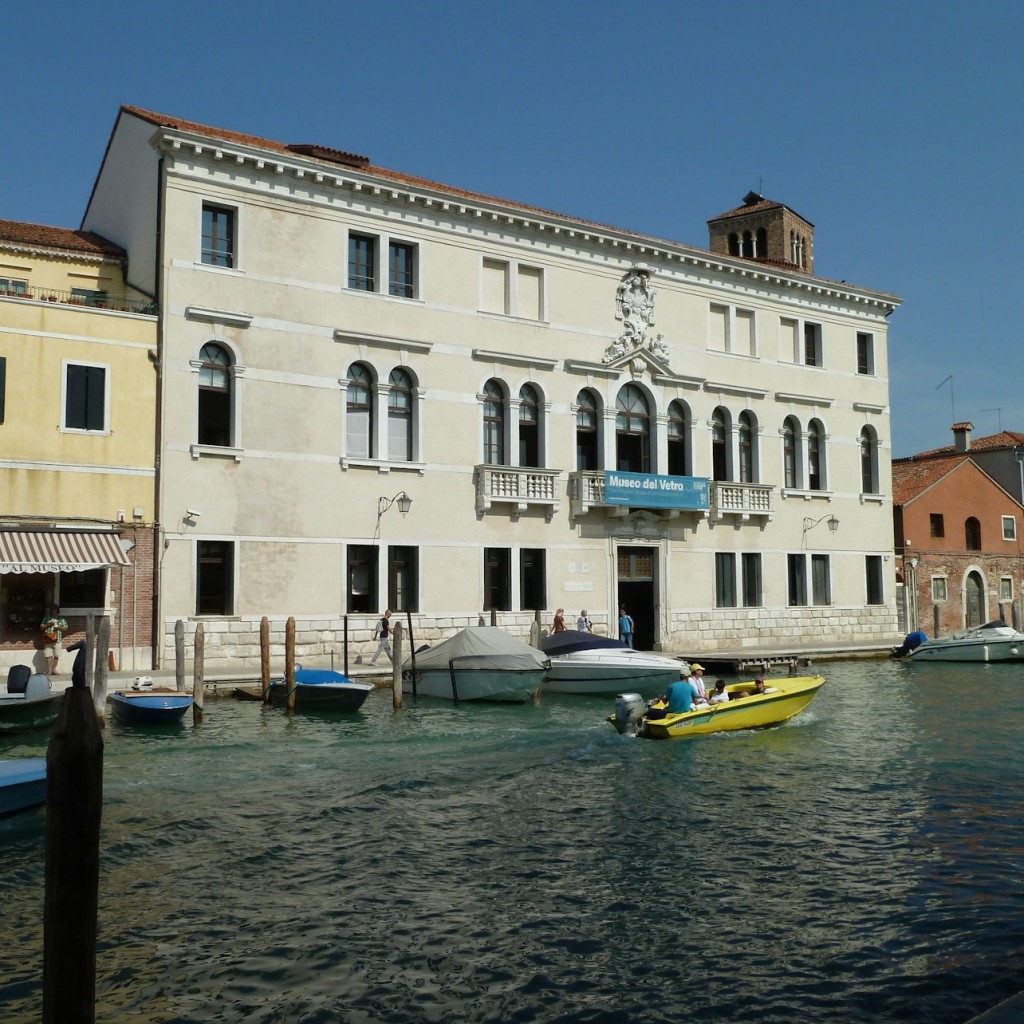
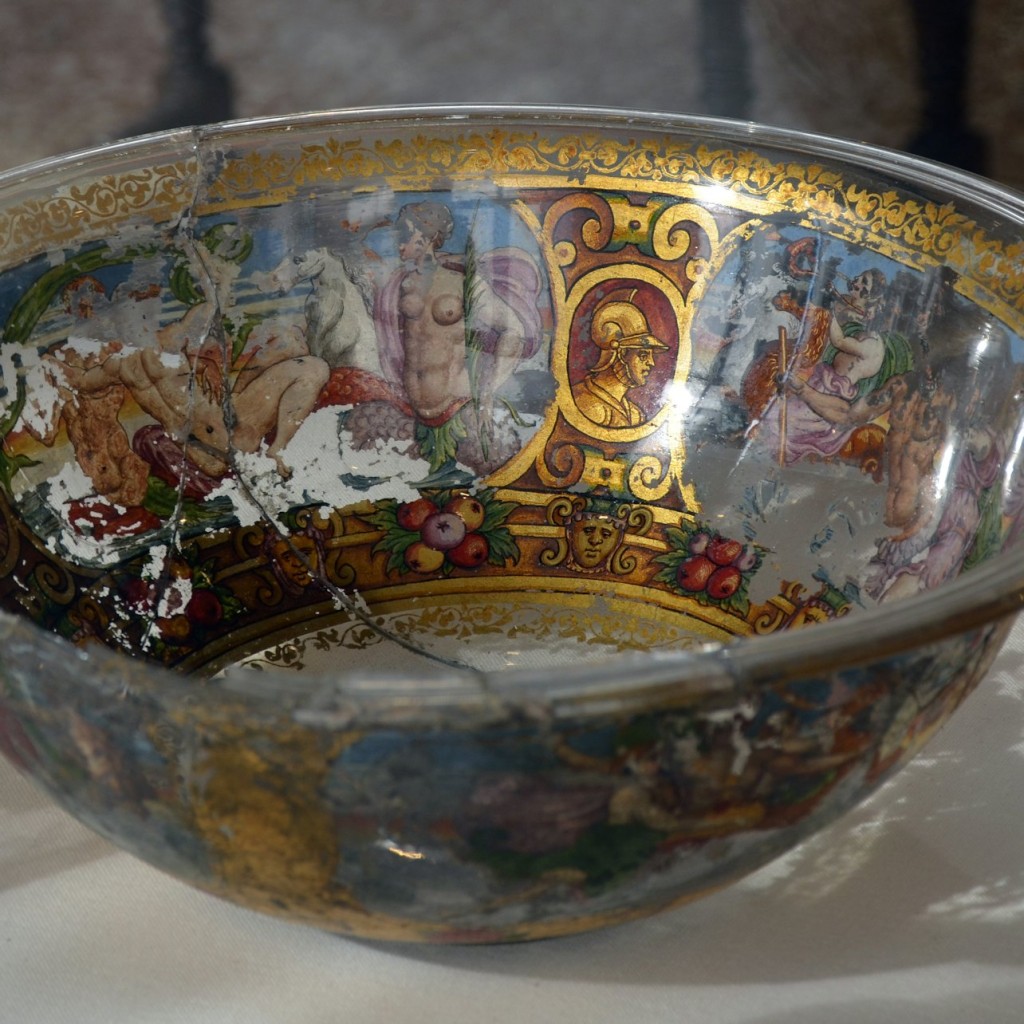
- Wstęp do Muzeum Szkła
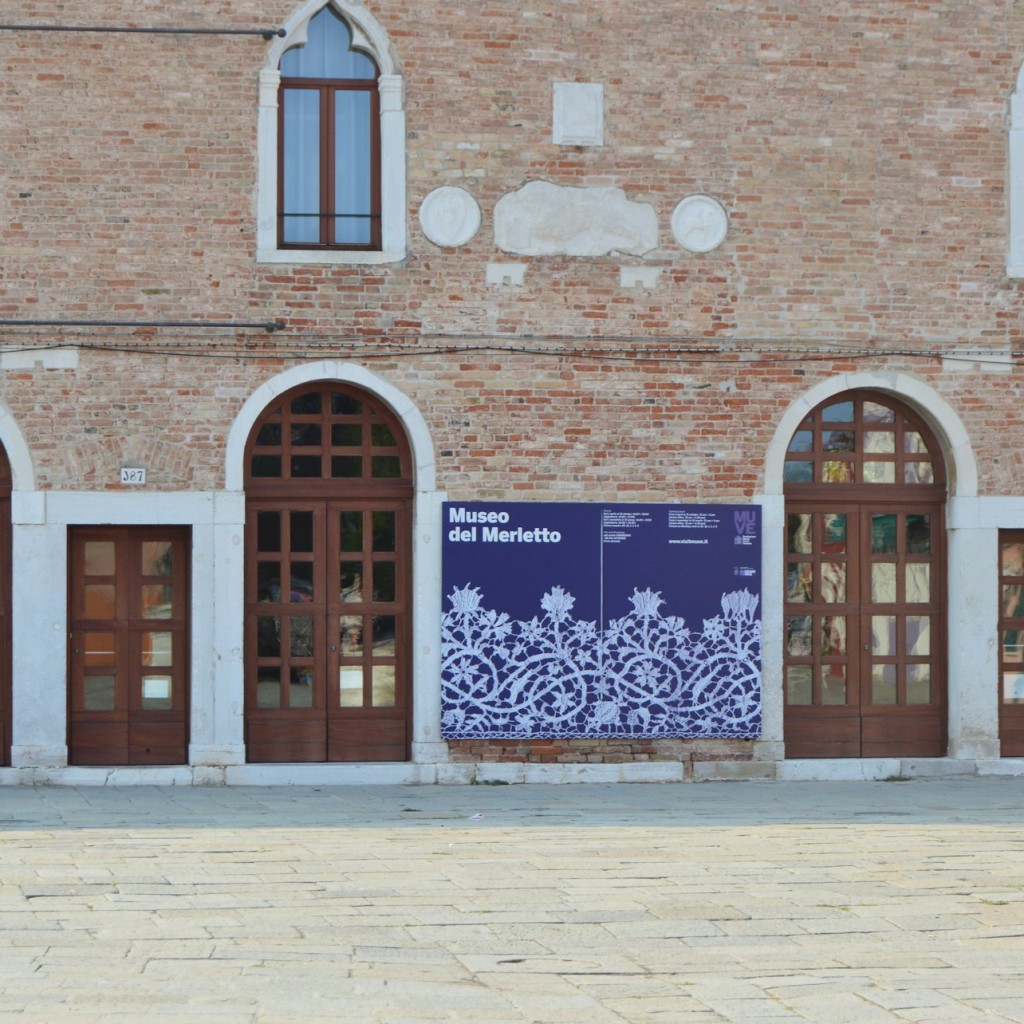
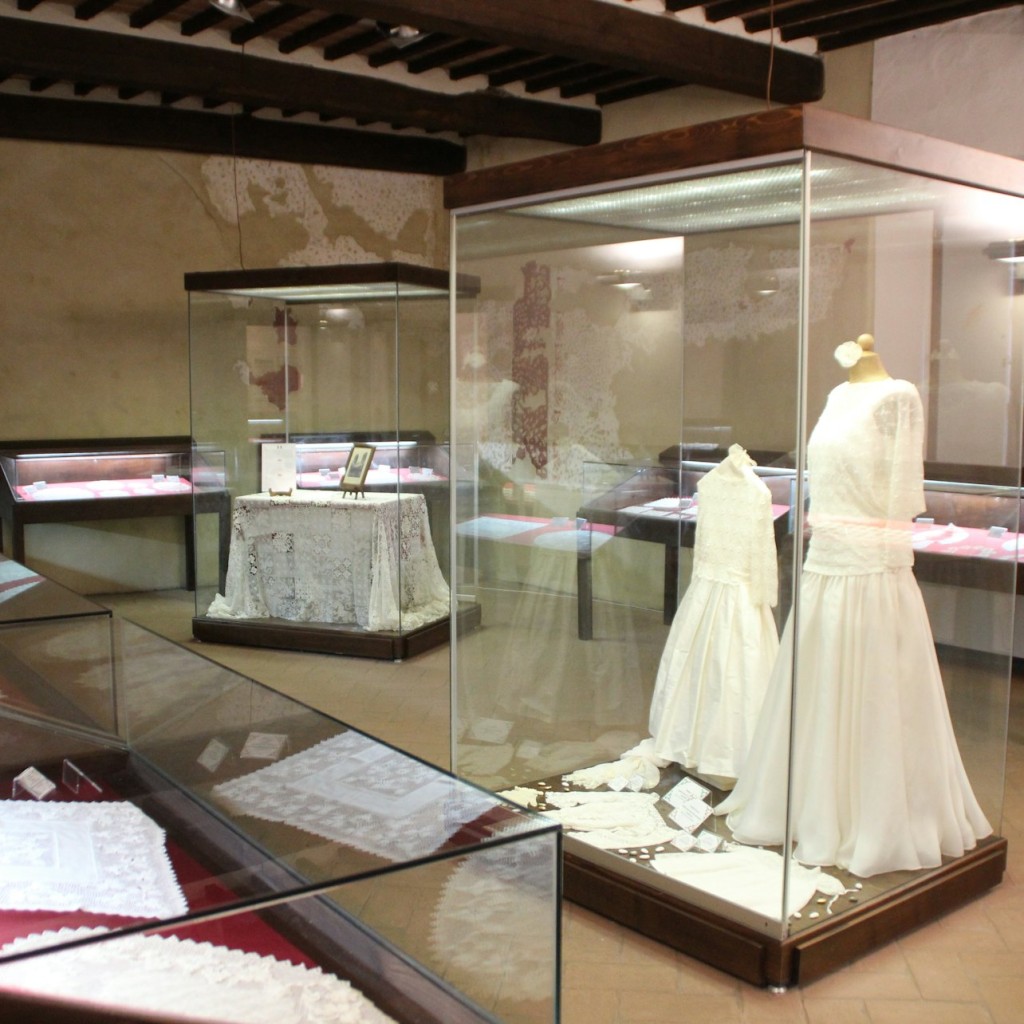
- Wstęp do Muzeum Koronki
Odkryj naszą galerię zdjęć prezentujących urzekające eksponaty i unikalne artefakty Museo delle Isole, oferując wgląd w bogate dziedzictwo wysp laguny weneckiej.
Muzeum Museo delle Isole oferuje urzekającą podróż w bogatą historię i unikalne dziedzictwo kulturowe urokliwych wysp laguny weneckiej. Położone w sercu archipelagu weneckiego, to muzeum stanowi istotne repozytorium tradycji, rzemiosła i codziennego życia społeczności takich jak Murano, słynące ze szklanych wyrobów; Burano, znane z delikatnych koronek; oraz starożytna osada Torcello. Odwiedzający mogą odkrywać różnorodne wystawy, które starannie zachowują i prezentują złożone historie tych społeczności wyspiarskich. Poprzez angażujące ekspozycje i historyczne artefakty, muzeum ukazuje trwały duch i artystyczną pomysłowość, które przez wieki kształtowały życie na tych odrębnych wyspach, zapewniając głębsze zrozumienie szerszej mozaiki kulturowej Wenecji.
Nie ma formalnego kodu ubioru wymaganego do odwiedzenia Museo delle Isole. Luźny i wygodny strój jest w pełni odpowiedni. Podobnie jak w większości instytucji kulturalnych, skromny ubiór jest ogólnie doceniany, ale zaleca się praktyczne ubranie, które umożliwia swobodne poruszanie się po przestrzeniach wystawowych muzeum.
Museo delle Isole poświęcone jest celebrowaniu i zachowaniu odrębnych tożsamości oraz wspólnej historii wysp laguny weneckiej. Działa jako most kulturowy, łącząc odwiedzających z fascynującymi narracjami miejsc spoza samej głównej wyspy Wenecji. Obszerne kolekcje muzeum zgłębiają różne aspekty życia na wyspach, od wyrafinowanej sztuki dmuchania szkła Murano i misternych koronek Burano, po praktyki rolnicze i tradycje morskie, które utrzymywały te społeczności. Wystawy prezentują historyczne narzędzia, tradycyjne stroje, przedmioty codziennego użytku i arcydzieła sztuki, wszystkie opowiadające historię odporności, innowacji i ducha wspólnoty. Muzeum podkreśla nie tylko osiągnięcia artystyczne, ale także struktury społeczne, działalność gospodarczą i adaptacje środowiskowe unikalne dla każdej wyspy. Stanowi niezbędny kontekst do zrozumienia, w jaki sposób te wyspy, każda z własnym charakterem, przyczyniają się do niezrównanego dziedzictwa laguny weneckiej, czyniąc je obowiązkowym punktem dla osób zainteresowanych lokalną kulturą i historią.
Rezerwacja biletów do Museo delle Isole online oferuje kilka zalet, zapewniając płynniejszą i wygodniejszą wizytę. Kupując bilet wstępu z wyprzedzeniem, możesz zaoszczędzić cenny czas po przyjeździe, omijając potencjalne kolejki do kasy biletowej i udając się bezpośrednio do wejścia muzeum. Gwarantuje to wstęp, zwłaszcza w szczycie sezonu turystycznego, gdy dostępność może być ograniczona. Rezerwacja online zapewnia elastyczność w planowaniu trasy z wyprzedzeniem, umożliwiając zabezpieczenie preferowanego czasu wizyty. Upraszcza to proces wejścia, pozwalając skupić się na zanurzeniu się w fascynującej historii i kulturze wysp laguny weneckiej bez zbędnych opóźnień.
Historia Museo delle Isole jest nierozerwalnie związana z pragnieniem zachowania odrębnych tożsamości kulturowych licznych wysp laguny weneckiej. Przez wieki wyspy takie jak Murano, Burano i Torcello rozkwitały dzięki unikalnym tradycjom, rzemiosłom i sposobom życia, często pozostając w cieniu majestatu samej Wenecji. Gdy nowoczesne wpływy zaczęły oddziaływać na te społeczności, pojawiła się krytyczna potrzeba dokumentowania i ochrony ich bogatego dziedzictwa. Muzeum zostało założone jako dedykowana instytucja do gromadzenia, badania i wystawiania artefaktów, które opowiadają historie przeszłości tych wysp. Od starożytnych osad Torcello, jednej z pierwszych zamieszkanych wysp w lagunie, po średniowieczne gildie szklarzy z Murano i słynne szkoły koronek z Burano, muzeum opisuje ewolucję tych społeczności. Podkreśla ich ekonomiczne uzależnienie od rybołówstwa, rolnictwa i specjalistycznego rzemiosła, a także ich zwyczaje społeczne i praktyki religijne. Utworzenie Museo delle Isole stanowiło skoordynowany wysiłek, aby zapewnić, że żywa historia i wkład wysp laguny pozostaną dostępne i zrozumiałe dla przyszłych pokoleń, służąc jako świadectwo ich trwałego dziedzictwa w szerszym kontekście weneckim.
Museo delle Isole zazwyczaj zaprasza odwiedzających w regularnych godzinach otwarcia muzeum, często od rana do późnego popołudnia. Warto zaznaczyć, że godziny otwarcia mogą się różnić w zależności od sezonu lub świąt państwowych, a w wybrane dni tygodnia godziny mogą być skrócone lub muzeum może być zamknięte. Godziny weekendowe mogą się różnić od harmonogramu w dni powszednie. Aby uzyskać najbardziej aktualne informacje, zaleca się założyć, że muzeum będzie działać zgodnie z typowym harmonogramem, często od wtorku do niedzieli, przy czym poniedziałki są zazwyczaj dniem zamknięcia.
Aby w pełni docenić Museo delle Isole bez największych tłumów, rozważ wizytę w okresach przejściowych wiosną (kwiecień-maj) lub jesienią (wrzesień-październik). W tych porach pogoda jest przyjemna, a liczba turystów zazwyczaj niższa niż w szczytowych miesiącach letnich. Poranki w dni powszednie, krótko po otwarciu, są również idealne dla bardziej spokojnego doświadczenia. Unikanie świąt państwowych i weekendów może znacznie poprawić Twoją wizytę, pozwalając na swobodne eksplorowanie wystaw i cieszenie się ofertą muzeum w bardziej spokojnym otoczeniu.
W Museo delle Isole zwiedzający napotkają bogaty wachlarz wystaw, które żywo przedstawiają dziedzictwo wysp laguny weneckiej. Muzeum prezentuje słynne rzemiosło szkła z Murano, z wystawami skomplikowanej sztuki szklarskiej, historycznych narzędzi i wyjaśnieniami procesu dmuchania szkła. Inna znacząca sekcja poświęcona jest koronkom z Burano, przedstawiając delikatne próbki koronek, historię ich produkcji i umiejętne ręce, które je stworzyły. Poza tymi słynnymi rzemiosłami, muzeum zagłębia się w codzienne życie mieszkańców wysp, prezentując artefakty, takie jak tradycyjny sprzęt rybacki, narzędzia rolnicze i przedmioty gospodarstwa domowego. Znajdziesz tu szczegółowe mapy historyczne, fotografie i panele interpretacyjne, które ożywiają historie Torcello, Sant'Erasmo i innych mniejszych wysp, oferując kompleksowy przegląd ich rozwoju, tradycji i trwałego wpływu kulturowego.
Przed wizytą w Museo delle Isole należy pamiętać, że fotografia do użytku osobistego jest zazwyczaj dozwolona, choć użycie lampy błyskowej może być ograniczone w niektórych obszarach w celu ochrony wrażliwych eksponatów. Muzeum zazwyczaj oferuje udogodnienia, takie jak toalety. Chociaż muzeum dąży do bycia dostępnym, niektóre starsze weneckie budynki mogą stwarzać wyzwania, dlatego zaleca się zasięgnięcie informacji na temat konkretnych funkcji dostępności, jeśli jest to potrzebne. Może być dostępny sklep z pamiątkami oferujący wyroby rękodzielnicze z wysp. Planuj założyć wygodne buty, ponieważ zwiedzanie muzeów często wiąże się z dużą ilością stania i chodzenia.
Aby zapewnić przyjemne doświadczenie wszystkim odwiedzającym i zachowanie eksponatów, Museo delle Isole zazwyczaj stosuje standardowe zasady muzealne. Obejmują one zazwyczaj powstrzymywanie się od dotykania artefaktów, utrzymywanie odpowiedniego poziomu hałasu i unikanie biegania. Jedzenie i napoje są zazwyczaj niedozwolone w obszarach wystawowych. Duże torby lub plecaki mogą wymagać przechowania w wyznaczonych szatniach lub szafkach. Prosimy o przestrzeganie wszelkich konkretnych instrukcji udzielanych przez personel muzeum lub oznakowanie podczas całej wizyty.
Museo delle Isole jest absolutnie warte odwiedzenia dla każdego, kto jest zainteresowany głębszym poznaniem autentycznego ducha i bogatej mozaiki weneckiej laguny. Oferuje ono kluczową perspektywę wykraczającą poza główną wyspę, ukazując unikalne kultury Murano, Burano i Torcello. Odwiedzający zdobywają bezcenne informacje na temat tradycyjnego rzemiosła, historycznych stylów życia i trwałych dziedzictw, które definiują te społeczności. Jest to okazja do nawiązania kontaktu z tradycjami rzemieślniczymi, takimi jak dmuchanie szkła i koronkarstwo, oraz do zrozumienia codziennych wyzwań i triumfów życia na wyspach. Aby uzyskać kompleksowe zrozumienie dziedzictwa Wenecji, wycieczka do Museo delle Isole zapewnia kulturalnie wzbogacające i niezapomniane doświadczenie.
Museo delle Isole to muzeum poświęcone historii, kulturze i tradycjom weneckich wysp laguny, w tym Murano, Burano i Torcello.
Można zobaczyć wystawy poświęcone produkcji szkła z Murano, koronkarstwu z Burano, historyczne artefakty z życia wysp, tradycyjne narzędzia, stroje oraz ekspozycje dotyczące unikalnego dziedzictwa różnych społeczności lagunowych.
Typowa wizyta w Museo delle Isole trwa zazwyczaj od 1 do 2 godzin, co pozwala na wystarczająco dużo czasu na zwiedzanie głównych kolekcji.
Fotografowanie do użytku osobistego jest ogólnie dozwolone w muzeum, ale fotografia z lampą błyskową może być ograniczona w niektórych obszarach. Prosimy o przestrzeganie wszelkich oznaczeń lub instrukcji personelu.
Chociaż weneckie budynki mogą stwarzać wyzwania, muzeum dąży do zapewnienia dostępności. Zaleca się bezpośrednie zapytanie o konkretne udogodnienia dla osób niepełnosprawnych przed wizytą.
Informacje dotyczące wycieczek z przewodnikiem różnią się. Najlepiej sprawdzić dostępność i opcje rezerwacji po przyjeździe lub na kanałach informacyjnych muzeum.
Tak, w muzeum często znajduje się sklep z pamiątkami, gdzie odwiedzający mogą kupić książki, repliki i lokalne rękodzieło związane z wyspami laguny i ich tradycjami.
Do Museo delle Isole najlepiej dotrzeć weneckim publicznym transportem wodnym, vaporetto. W zależności od jego dokładnej lokalizacji, która często odzwierciedla dostępność weneckich atrakcji, należy skorzystać z linii vaporetto obsługującej daną wyspę lub dzielnicę. Po zejściu na najbliższym przystanku vaporetto, wejście do muzeum jest zazwyczaj w zasięgu krótkiego spaceru, prowadzącego przez urokliwe weneckie uliczki i place. Zazwyczaj są tam znaki, które kierują odwiedzających z głównych węzłów komunikacyjnych.
Nie ma formalnego kodu ubioru wymaganego do odwiedzenia Museo delle Isole. Luźny i wygodny strój jest w pełni odpowiedni. Podobnie jak w większości instytucji kulturalnych, skromny ubiór jest ogólnie doceniany, ale zaleca się praktyczne ubranie, które umożliwia swobodne poruszanie się po przestrzeniach wystawowych muzeum.