

Co zawiera oferta
- Wejście do Muzeum Historii Marynarki Wojennej
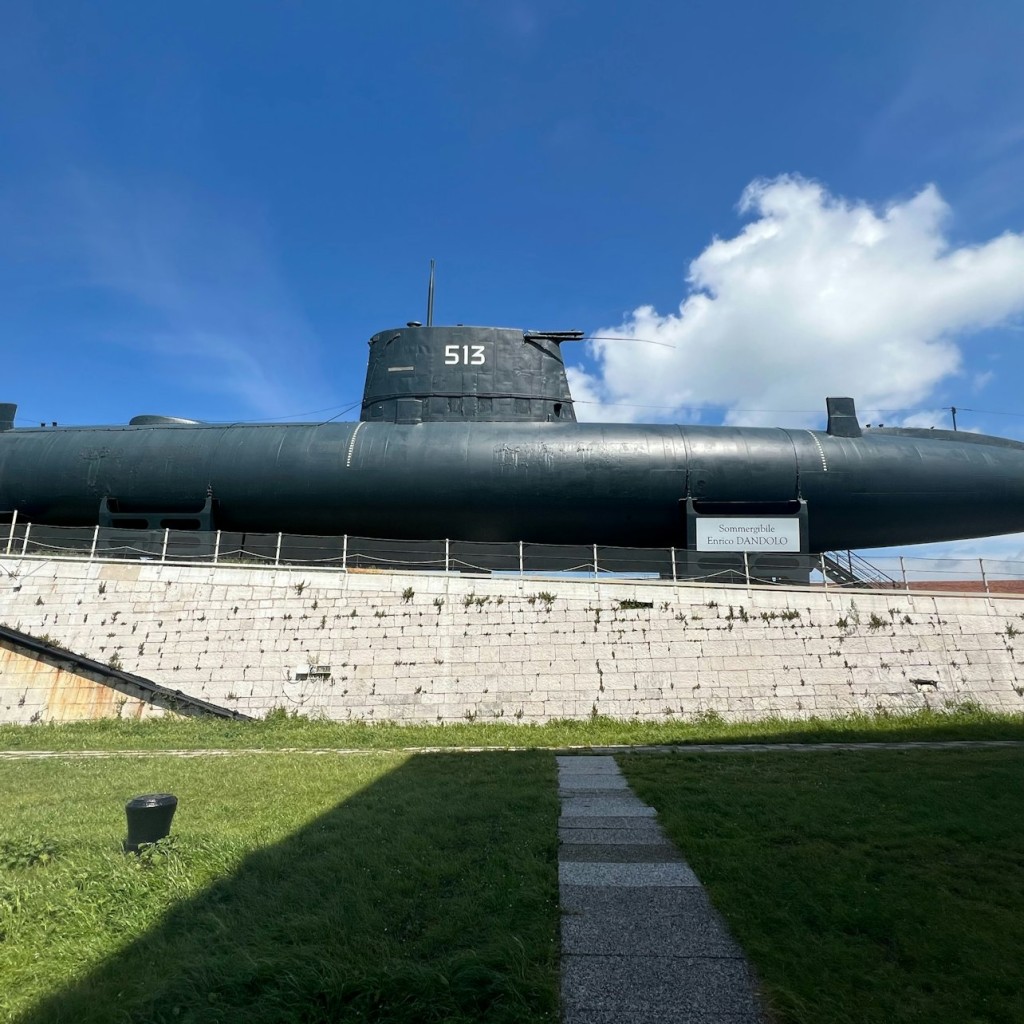
- Wejście na okręt podwodny Enrico Dandolo
- Przewodnik audio
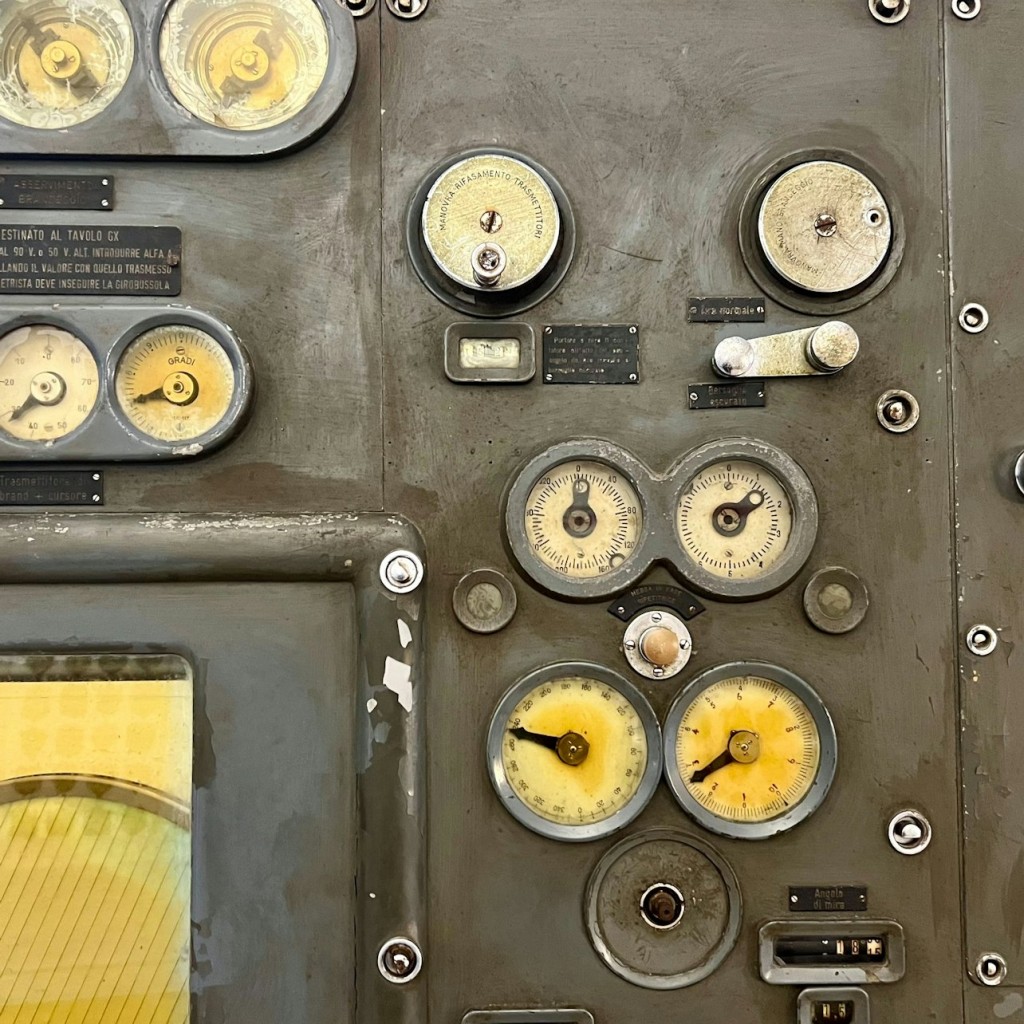
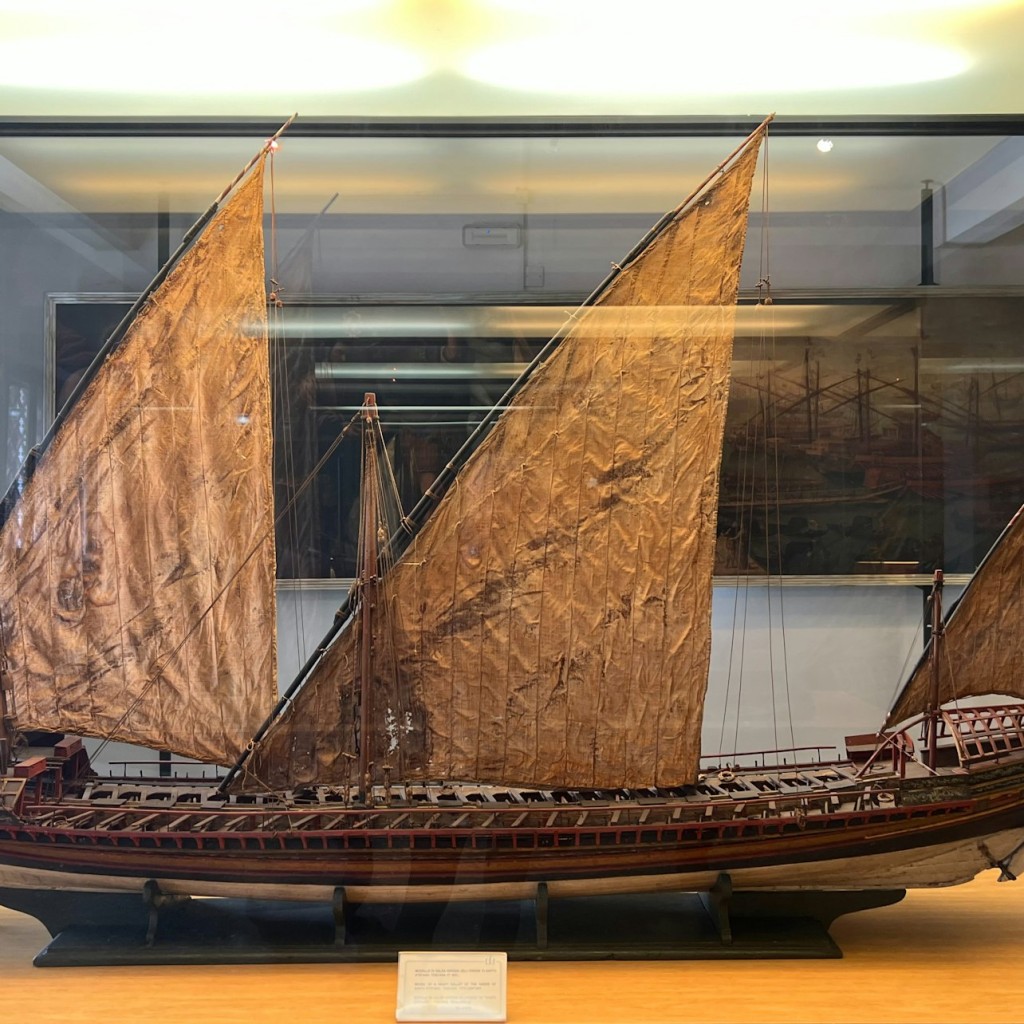
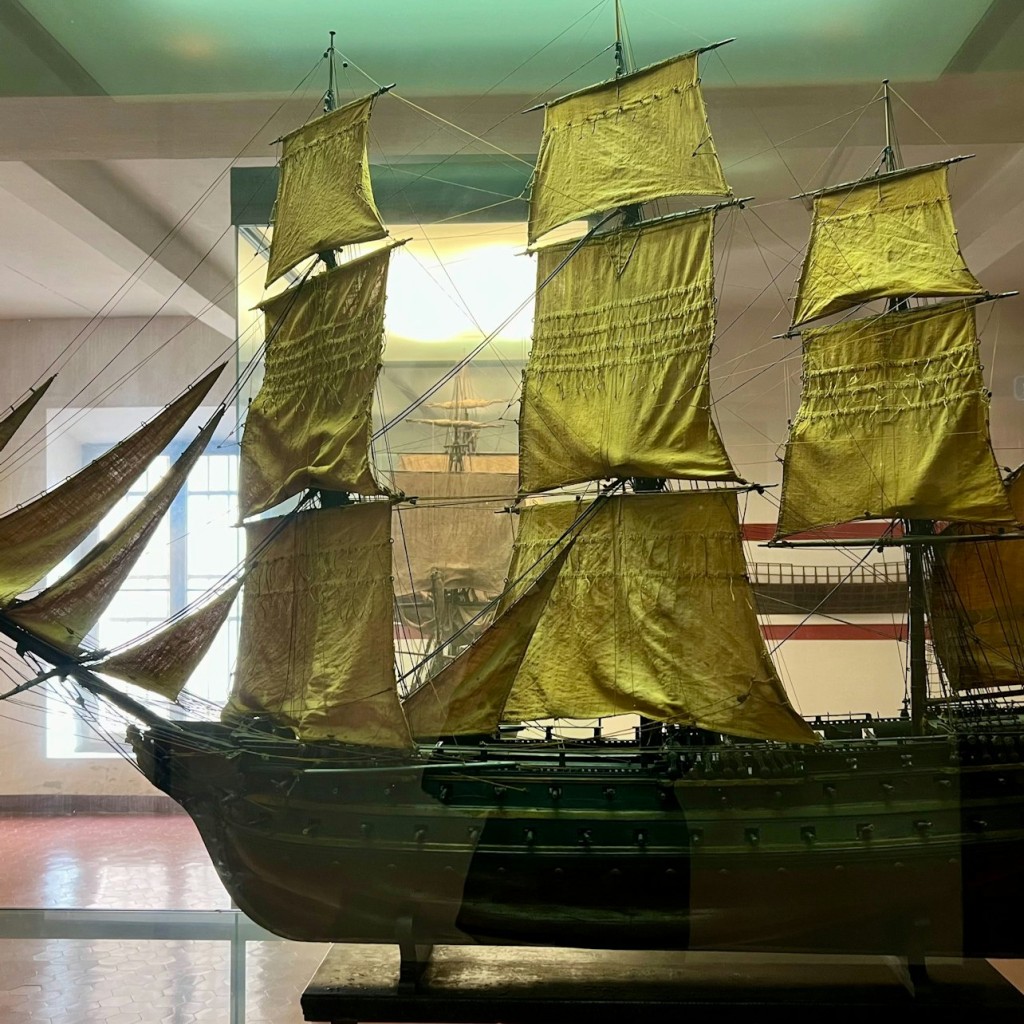
Odkryj wizualną podróż przez morską przeszłość Wenecji dzięki tym urzekającym zdjęciom z Muzeum Historii Marynarki Wojennej, prezentującym jego niezwykłe kolekcje.
Zanurz się w świetlanej morskiej przeszłości Wenecji w Muzeum Historii Morskiej. To fascynujące muzeum opisuje wieki morskiej potęgi, ukazując głębokie związki miasta z Morzem Adriatyckim. Zwiedzający mogą odkryć bogatą kolekcję historycznych statków, artefaktów morskich i intrygujących wystaw, które podkreślają kluczową rolę Wenecji jako republiki morskiej. Odkryj ewolucję technologii morskiej, skomplikowaną sztukę budowy statków i awanturniczy duch weneckich żeglarzy. Wizyta tutaj oferuje unikalną perspektywę na tożsamość miasta, czyniąc ją obowiązkowym punktem dla każdego, kto interesuje się historią, inżynierią i trwałym dziedzictwem morza.
Wizyta w Muzeum Historii Marynarki Wojennej nie wymaga formalnego stroju. Odpowiedni jest swobodny i wygodny ubiór. Ponieważ możesz chodzić przez dłuższy czas i potencjalnie poruszać się po różnych poziomach oraz ciasnych przestrzeniach wewnątrz statków, takich jak łódź podwodna, wysoce zalecane jest noszenie wygodnego obuwia dla przyjemnego doświadczenia.
Muzeum Historii Morskiej, znane również jako Museo Storico Navale, jest jednym z najważniejszych tego typu muzeów we Włoszech, poświęconym ochronie i wystawianiu bogatego dziedzictwa morskiego Wenecji. Mieszczące się w zabytkowym budynku, który kiedyś służył jako spichlerz Republiki, muzeum przedstawia kompleksową podróż przez historię morską Wenecji, od jej początków jako potężnej siły morskiej po późniejszy wkład w globalne eksploracje. Kolekcje obejmują imponujący wachlarz artefaktów, w tym modele historycznych weneckich statków, instrumenty nawigacyjne, broń, mundury i szczegółowe dioramy przedstawiające kluczowe bitwy i operacje morskie. Poza głównym muzeum, oddzielny pawilon znany jako Pawilon Okrętów, położony w starych warsztatach Arsenale, mieści pełnowymiarowe historyczne statki, oferując prawdziwie wciągające doświadczenie. Wśród nich, okręt podwodny Enrico Dandolo zapewnia rzadki wgląd w nowoczesną technologię morską. Muzeum dostarcza bezcennych informacji na temat technik budowy statków, wyzwań związanych z żeglugą morską oraz kluczowej roli, jaką Wenecja odegrała w kształtowaniu historii Europy i Morza Śródziemnego poprzez swoją potęgę morską.
Rezerwacja biletów do Muzeum Historii Marynarki Wojennej online oferuje kilka zalet, zapewniając płynną i bezproblemową wizytę. Kupując z wyprzedzeniem, możesz zabezpieczyć swoje wejście na preferowaną datę i godzinę, unikając potencjalnych kolejek w kasie biletowej, zwłaszcza w szczycie sezonu. Rezerwacja online często zapewnia dostęp do biletów łączonych, takich jak Muzeum Historii Marynarki Wojennej i Łódź Podwodna Enrico Dandolo: Bilet wstępu + Audioprzewodnik, co może oferować lepszą wartość i bogatsze doświadczenie. Upraszcza to planowanie, pozwalając ominąć czasy oczekiwania i przejść bezpośrednio do podziwiania fascynujących eksponatów muzeum.
Historia Muzeum Historii Marynarki Wojennej jest nierozerwalnie związana z tysiącletnim panowaniem Wenecji na morzach. Założone na początku XX wieku muzeum opierało się na rozległych zbiorach zgromadzonych przez Wenecki Arsenał, który przez wieki był sercem potęgi morskiej Republiki i innowacji w budownictwie okrętowym. Arsenał, kompleks stoczni i zbrojowni, odegrał kluczową rolę w budowie galer, które zapewniły Wenecji pozycję dominującej siły morskiej. Eksponaty muzeum śledzą tę chwalebną przeszłość, od wczesnych dni drewnianych żaglowców, które przemierzały szlaki handlowe i toczyły bitwy na Morzu Śródziemnym, po bardziej nowoczesne okręty wojenne. Prezentuje inżynieryjny geniusz weneckich budowniczych statków, ich wyrafinowane techniki i znaczące postępy technologiczne dokonane na przestrzeni wieków. Muzeum służy jako świadectwo trwałego dziedzictwa Wenecji jako talasokracji, potęgi morskiej, której tożsamość została ukształtowana przez jej intymny związek z Adriatykiem i jej potężną marynarkę wojenną.
Muzeum Historii Morskiej zazwyczaj przyjmuje zwiedzających w regularnych godzinach pracy, zazwyczaj od wtorku do niedzieli, z poniedziałkami często zarezerwowanymi na zamknięcie. Godziny poranne zazwyczaj rozpoczynają się około 10:00 i trwają do późnego popołudnia, często kończąc się o 17:00 lub 18:00. Wskazane jest, aby pamiętać, że konkretne godziny mogą się różnić sezonowo, a muzeum może mieć zmieniony harmonogram w święta państwowe. Odwiedzający powinni odpowiednio zaplanować swoją wizytę, zwłaszcza biorąc pod uwagę oddzielny Pawilon Statków i Okręt Podwodny, które mogą mieć nieco inne godziny dostępu.
Aby cieszyć się Muzeum Historii Marynarki Wojennej z mniejszą liczbą tłumów, rozważ wizytę w sezonach przejściowych (wiosna i jesień) lub w spokojniejszych miesiącach zimowych, z wyłączeniem głównych świąt. Dni powszednie, zwłaszcza poranki tuż po otwarciu, są zazwyczaj mniej zatłoczone niż weekendy. Wczesne przybycie pozwala na spokojniejsze zwiedzanie eksponatów i łatwiejszy dostęp do popularnych obszarów, takich jak Łódź Podwodna Enrico Dandolo. Unikanie południa w szczycie lata może również poprawić wrażenia, ponieważ muzeum może stać się dość zatłoczone.
W Muzeum Historii Marynarki Wojennej zwiedzający znajdą szeroką gamę eksponatów rozmieszczonych na wielu piętrach. Na parterze często znajdują się wystawy poświęcone tradycyjnym weneckim łodziom i gondolom, obok wczesnych narzędzi szkutniczych. Kolejne piętra poświęcone są flotom wojskowym i handlowym Republiki, prezentując starannie wykonane modele statków, które ilustrują ewolucję weneckiej architektury morskiej, od potężnych galer po wyrafinowane fregaty. Znajdą tu Państwo instrumenty nawigacyjne, mapy, portolany i uzbrojenie, w tym armaty i broń palną, oferujące wgląd w wyzwania i technologie żeglugi morskiej. Oddzielny pawilon mieści pełnowymiarowe historyczne jednostki, w tym budzącą podziw łódź podwodną Enrico Dandolo, co daje wyjątkową okazję do bezpośredniego zbadania jej ciasnych pomieszczeń i zaawansowanych maszyn. Muzeum prezentuje również porywające wystawy poświęcone bohaterom morskim, tradycjom morskim oraz kluczowej roli, jaką Wenecja odegrała w handlu i obronie na Morzu Śródziemnym.
Planując wizytę, wysoce zalecane jest wygodne obuwie do chodzenia, ponieważ będziesz eksplorować wiele poziomów muzeum i potencjalnie oddzielny Pawilon Statków. Rozważ zakup biletów online z wyprzedzeniem, aby zaoszczędzić czas po przybyciu. Audioprzewodnik, często dostępny z konkretnymi typami biletów, takimi jak Muzeum Historii Marynarki Wojennej i Łódź Podwodna Enrico Dandolo: Bilet Wstępu + Audioprzewodnik, może znacznie wzbogacić Twoje zrozumienie eksponatów. Muzeum ma kilka pięter, i choć niektóre obszary mogą mieć dostęp windą, dobrze jest być przygotowanym na schody. Fotografia do użytku osobistego jest ogólnie dozwolona, ale fotografia z fleszem może być ograniczona w niektórych obszarach. Szafki na torby mogą być dostępne, ale zapytaj po przybyciu.
Aby zapewnić wszystkim zwiedzającym przyjemne doświadczenie i zachowanie eksponatów, oczekuje się, że goście będą przestrzegać ogólnych zasad etykiety muzealnej. Obejmuje to powstrzymywanie się od dotykania artefaktów, utrzymywanie odpowiedniego poziomu hałasu i przestrzeganie wszelkich instrukcji dostarczonych przez personel muzeum. Żywność i napoje zazwyczaj nie są dozwolone w obszarach wystawowych. Fotografia jest ogólnie dozwolona do użytku osobistego, niekomercyjnego, ale użycie flesza lub statywów może być zabronione. Bieganie lub zachowanie zakłócające spokój nie są dozwolone. Prosimy o szacunek dla innych gości i życzymy udanej wizyty.
Muzeum Historii Marynarki Wojennej to obowiązkowy przystanek dla każdego, kto pragnie prawdziwie zrozumieć historyczne podstawy Wenecji. Oferuje wciągającą podróż przez morskie dziedzictwo miasta, prezentując nie tylko statki, ale także pomysłowość, odwagę i potęgę ekonomiczną, które zdefiniowały Republikę Wenecką. Od starożytnych galer po nowoczesne łodzie podwodne, eksponaty zapewniają namacalny związek z przeszłością Wenecji jako potężnej siły morskiej. To pouczające doświadczenie, które znacznie pogłębia zrozumienie jednego z najbardziej unikalnych miast na świecie.
Główne atrakcje obejmują bogate kolekcje historycznych modeli statków, autentyczne artefakty morskie oraz pełnowymiarową łódź podwodną Enrico Dandolo, mieszczącą się w osobnym Pawilonie Okrętowym.
Dostęp do łodzi podwodnej Enrico Dandolo jest zazwyczaj wliczony w konkretne bilety wstępu, takie jak pakiet 'Muzeum Historii Morskiej i Łódź Podwodna Enrico Dandolo: Bilet Wstępu + Audioprzewodnik'. Zaleca się potwierdzenie zawartości biletu przy zakupie.
Kompleksowa wizyta w Muzeum Historii Morskiej, włączając Pawilon Okrętowy i łódź podwodną, zazwyczaj zajmuje od 2 do 3 godzin.
Muzeum mieści się w zabytkowym budynku i choć podejmowane są wysiłki w celu zapewnienia dostępności, niektóre obszary, zwłaszcza wewnątrz historycznych jednostek, takich jak łódź podwodna, mogą mieć ograniczony dostęp dla osób z problemami ruchowymi. W celu uzyskania szczegółowych informacji prosimy o kontakt przy wejściu.
Fotografowanie do użytku osobistego, niekomercyjnego, jest zazwyczaj dozwolone w większości obszarów muzeum. Jednakże, fotografowanie z lampą błyskową oraz użycie statywów może być zabronione w celu ochrony eksponatów. Prosimy o przestrzeganie wszelkich znaków i instrukcji personelu.
Podczas gdy standardowy wstęp zazwyczaj pozwala na samodzielne zwiedzanie, niektóre opcje biletów, takie jak te z audioprzewodnikiem, wzbogacają doświadczenie szczegółowym komentarzem. Wycieczki grupowe mogą być dostępne po wcześniejszej rezerwacji.
Muzeum zazwyczaj nie posiada rozbudowanych punktów gastronomicznych w obrębie wystaw. Zaleca się zjedzenie posiłku przed lub po wizycie. W okolicy Wenecji dostępne są kawiarnie i restauracje.
Muzeum Historii Morskiej jest dogodnie położone w Wenecji, dostępne środkami transportu publicznego (vaporetto) i pieszo. Najbliższe przystanki vaporetto to Arsenale lub Giardini, oba w niewielkiej odległości od muzeum. Z tych przystanków należy kierować się znakami do muzeum lub skorzystać z lokalnej mapy. Spacer to również przyjemna opcja z wielu centralnych miejsc w Wenecji, pozwalająca cieszyć się unikalnym urokiem miasta po drodze.
Wizyta w Muzeum Historii Marynarki Wojennej nie wymaga formalnego stroju. Odpowiedni jest swobodny i wygodny ubiór. Ponieważ możesz chodzić przez dłuższy czas i potencjalnie poruszać się po różnych poziomach oraz ciasnych przestrzeniach wewnątrz statków, takich jak łódź podwodna, wysoce zalecane jest noszenie wygodnego obuwia dla przyjemnego doświadczenia.