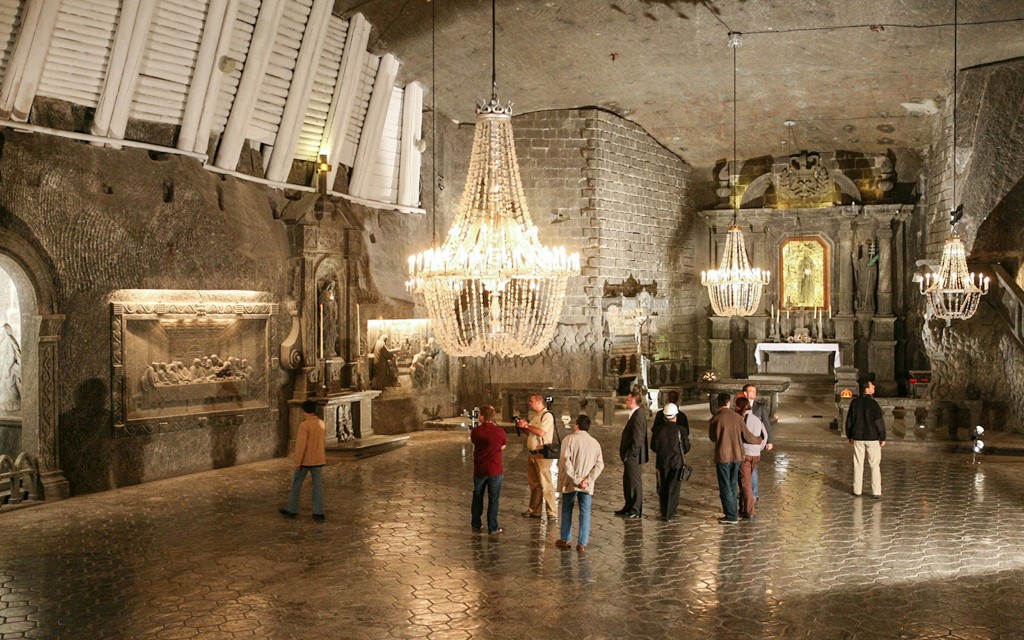
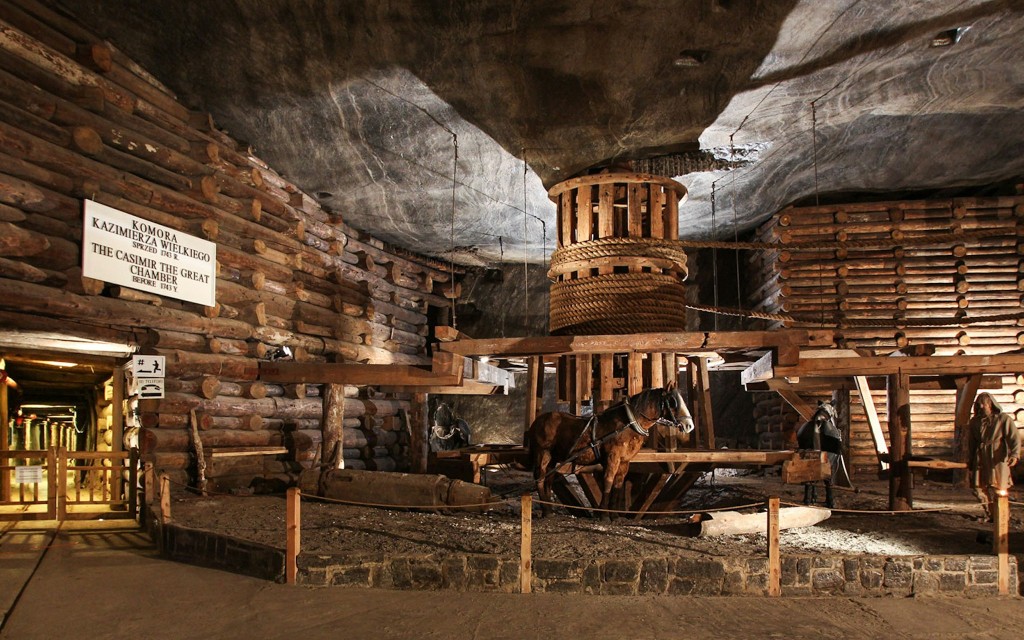
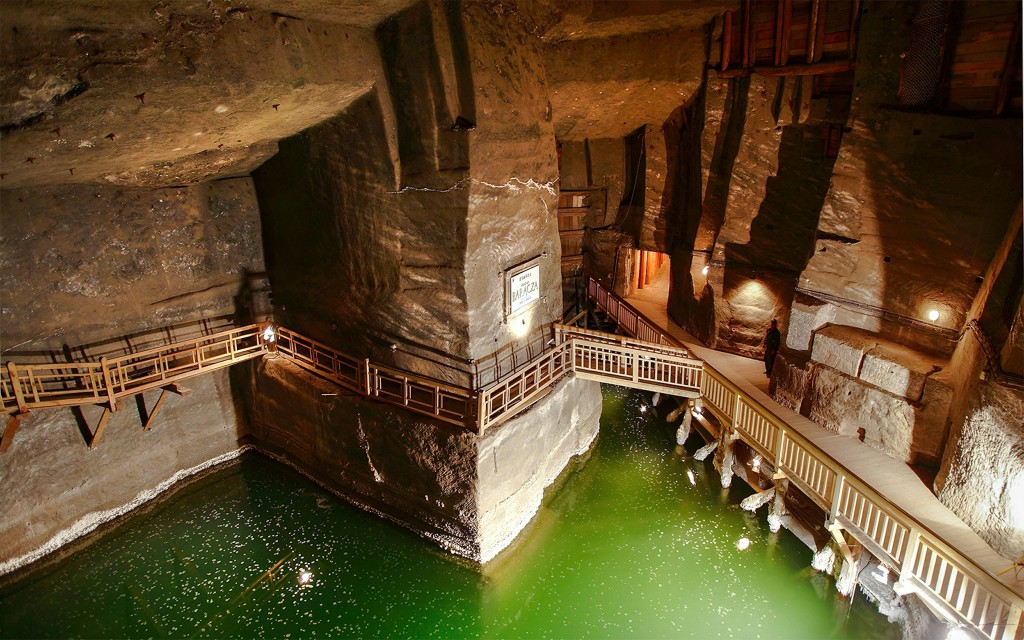
The history of the Wieliczka Salt Mine dates back to the 13th century, though salt extraction in the area goes back even further, to Neolithic times when brine springs were used. Commercial mining began in the Middle Ages, driven by the Piast dynasty, establishing Wieliczka as one of the world's oldest continuously operating salt mines. For centuries, it was a cornerstone of the Polish economy, providing significant wealth to the royal treasury and funding for many of Poland's cultural and architectural endeavors. The mine expanded progressively, creating vast networks of tunnels, chambers, and shafts reaching depths of over 300 meters. Over generations, miners, often working in challenging conditions, began to carve figures, altarpieces, and entire chapels directly from the salt, a testament to their faith and artistic skill. The most renowned example, the Chapel of St. Kinga, took decades to complete. In 1978, the Wieliczka Salt Mine was designated one of the first 12 UNESCO World Heritage Sites, recognizing its historical significance, unique artistic achievements, and the preservation of medieval mining techniques. Although commercial salt production ceased in 1996 due to high maintenance costs and flooding risks, the mine continues to operate as an extraordinary museum and tourist attraction, preserving its rich legacy for future generations.