Ingresso para a Acrópole e Partenon com audioguia (Acropolis Tickets + Acropolis Multilingual Audio Guide)Ingresso para a Acrópole e Partenon com audioguia (Acropolis Tickets + Acropolis Multilingual Audio Guide) - 1Ingresso para a Acrópole e Partenon com audioguia (Acropolis Tickets + Acropolis Multilingual Audio Guide) - 2Ingresso para a Acrópole e Partenon com audioguia (Acropolis Tickets + Acropolis Multilingual Audio Guide) - 3

Discover captivating images of the Acropolis and Parthenon, showcasing the grandeur of ancient Greek architecture and the breathtaking views from this historic landmark.

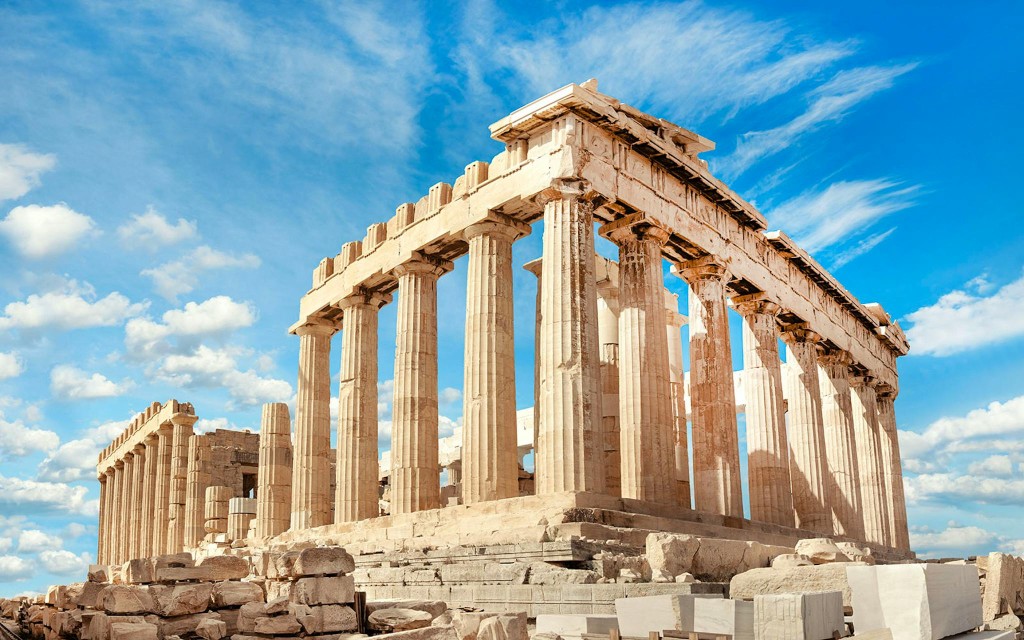
Explore the magnificent Acropolis of Athens, a UNESCO World Heritage Site and the enduring symbol of Classical Greece. Perched high above the bustling city, this ancient citadel invites visitors to step back in time and witness the architectural marvels that defined a civilization. At its heart stands the Parthenon, the majestic temple dedicated to the goddess Athena, embodying the peak of Doric order. A visit here offers a profound journey through history, art, and philosophy, providing unparalleled panoramic views of Athens and the Aegean beyond. Discover the legends and stories embedded in every stone of this historic site.

A partir de44.52
ADULT
44.52
Duração
2 horas
Ponto de encontro
Athens, GR
Horário de funcionamento
Opening hours for the Acropolis vary seasonally, generally opening early in the morning and closing in the late afternoon or early evening. It typically remains closed on major public holidays.
Duração da visita
A typical visit to the Acropolis and Parthenon usually takes between 2 to 3 hours to fully explore the site.
Melhor altura para visitar
The best time to visit the Acropolis is early morning or late afternoon to avoid crowds and the midday heat, especially during warmer months.
Endereço
The Acropolis is located atop a prominent rocky hill in the heart of Athens, Greece, overseeing the entire city.
Código de vestimenta

There is no strict dress code for visiting the Acropolis, as it is an outdoor archaeological site. However, comfortable and practical attire is highly recommended. Given the uneven terrain, many stairs, and potential for hot weather, wear comfortable walking shoes with good grip. Light, breathable clothing is advisable during summer. In cooler months, layered clothing is appropriate. A hat and sunglasses are also recommended for sun protection year-round.

Resumo da experiência

O que está incluído

  • Entrada com hora marcada na Acrópole
  • Visita guiada por um especialista por 2 horas (com base na opção selecionada)
  • Tour autoguiado da Acrópole (com base na opção selecionada)
  • Audioguia elaborado por um historiador disponível em inglês, francês, alemão, espanhol e italiano (com base na opção selecionada)
  • Audioguia do Centro Histórico de Atenas (Plaka) (com base na opção selecionada)
  • Entrada no Museu da Acrópole (com base na opção selecionada)
  • Acesso offline, narração em áudio e um mapa online (com base na opção selecionada)
  • Acrópole
  • Partenon
  • Templo de Atena
  • Odeão de Herodes Ático
  • Teatro de Dionísio Eleutério
  • Erechtheion
  • Propileu
  • Centro Histórico de Atenas (Plaka) (com base na opção selecionada)
  • Museu da Acrópole (com base na opção selecionada)
  • Escavação subterrânea do Museu da Acrópole de um bairro antigo (com base na opção selecionada)
  • Athens Classic MegaPass (dependendo da opção escolhida)

O que não está incluído

  • Traslados
  • Alimentos e bebidas
  • Dispositivo móvel para aplicativo de áudio

Sua experiência

Da Acrópole à Ágora Antiga, veja os locais mais lendários de Atenas com uma visita guiada ou explore no seu próprio ritmo com um audioguia multilíngue.

Primeiros passos

Sua visita começa na Acrópole, onde você encontrará seu guia no ponto de entrada designado ou iniciará seu passeio autoguiado por audioguia. Se você optou pela visita guiada, seu especialista apresentará a história do local antes de conduzi-lo por essa antiga cidadela.

Sua experiência

Acrópole

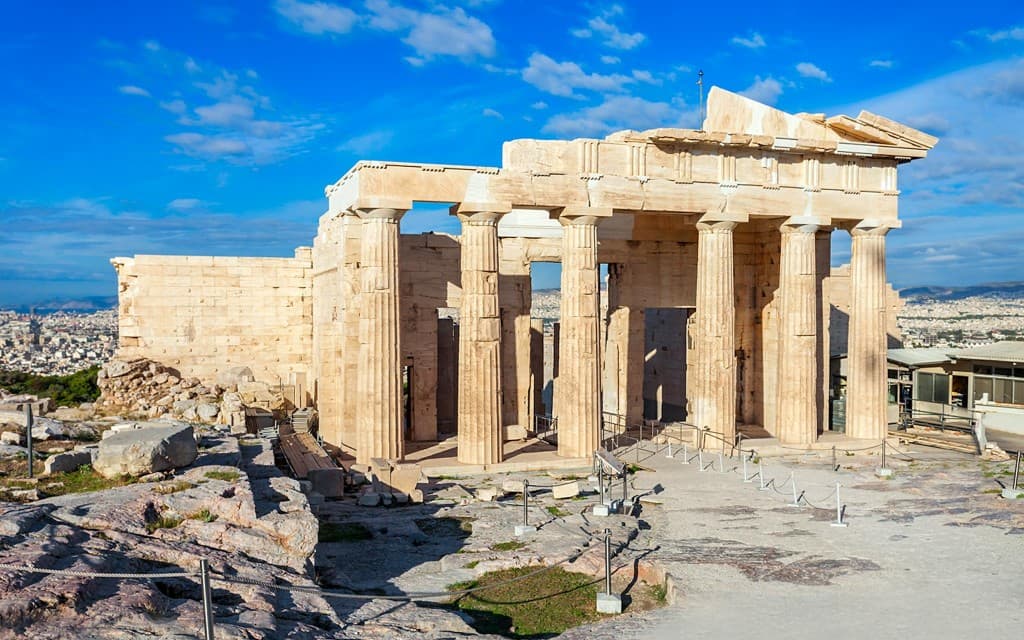
Caminhe pelo Propileu, a grande porta de entrada para a Acrópole, e aprecie a incrível vista de Atenas. Explore o Partenon, a joia da coroa da Grécia Clássica, e aprenda sobre sua construção, esculturas famosas e como ele evoluiu ao longo do tempo.

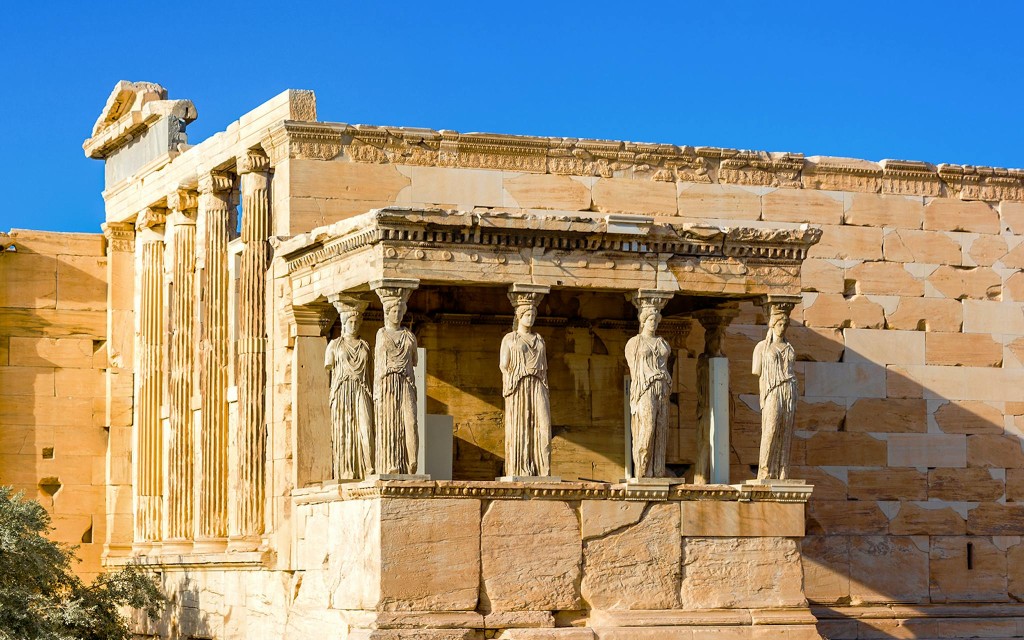
Visite o Erechtheion, conhecido por suas elegantes colunas cariátides, e o Templo de Atena Nice, dedicado à deusa da vitória. Seu guia (ou tour em áudio) compartilhará os mitos por trás desses templos, incluindo a lendária rivalidade de Atena e Poseidon por Atenas.

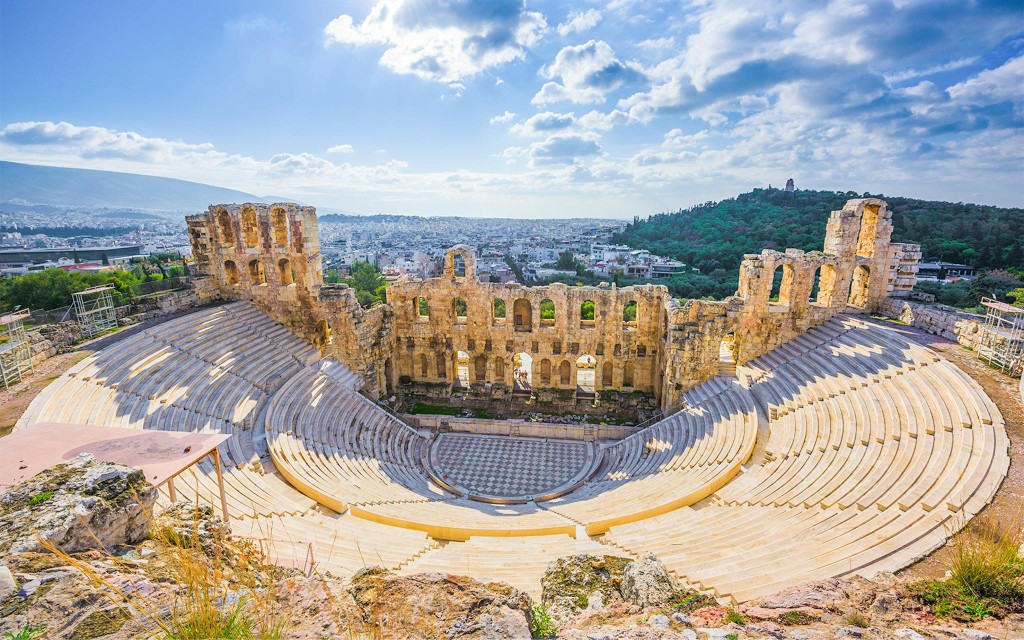
Visite o Teatro de Dionísio, o local de nascimento do drama grego, onde os antigos dramaturgos encenavam suas obras. Faça uma parada no Odeão de Herodes Ático, um anfiteatro romano que ainda hoje exibe apresentações.

Museu da Acrópole (opcional)

Fala um upgrade do seu ingresso para explorar artefatos da Acrópole, incluindo as Cariátides originais, os Mármores do Partenon e o Friso do Partenon. Visite a escavação subterrânea do museu, onde um antigo bairro ateniense é preservado sob pisos de vidro.

Centro Histórico (Plaka) (opcional)

Opte por um audioguia do Centro Histórico de Atenas para explorar as ruas históricas de Plaka, as igrejas bizantinas e as tavernas locais, enquanto você aprende sobre a evolução da cidade.
Know Before You Go

Saiba antes de ir

O que levar

  • Tenha em mãos seu passaporte, identidade e carteira de estudante para ter uma experiência perfeita.

  • Fique à frente do jogo e baixe o aplicativo de áudio com antecedência para evitar qualquer falha de rede no local.

  • Não se esqueça de levar seus fones de ouvido para ouvir o audioguia e desfrutar de uma experiência mais imersiva.

Não é permitido

  • Somente mochilas pequenas ou bolsas de mão são permitidas.

  • Equipamentos fotográficos profissionais, tripés e drones não são permitidos.

Acessibilidade

  • A Acrópole tem acessibilidade limitada para visitantes com dificuldades de mobilidade. Embora haja um elevador **** próximo à entrada da South Slope, sua operação é gerenciada inteiramente pelo local do evento e pode não estar sempre disponível. Entre em contato com o site um dia antes da sua visita pelo telefone +30 210 3214172 ou +30 210 9238470 para confirmar a disponibilidade.

  • Alguns caminhos são pavimentados, mas o terreno continua irregular em muitas áreas, e pode ser necessária assistência.

  • Visitantes com deficiência e um acompanhante têm direito a entrada gratuita com documentação válida.

  • Há banheiros acessíveis para cadeirantes disponíveis perto do Museu da Acrópole e das entradas do local.

  • Há pontos de descanso e bancos disponíveis, mas as áreas com sombra são limitadas.

  • O Museu da Acrópole é totalmente acessível com elevadores, rampas e exposições táteis para visitantes com deficiência visual.

  • Alguns locais, como a Ágora Romana e o Templo de Zeus, têm caminhos mais suaves, mas outros, como a Ágora Antiga, apresentam terreno acidentado.

Informações adicionais

Observação: O Partenon da Acrópole opera em um sistema de entrada com hora marcada, exigindo que os visitantes reservem uma data e um horário com antecedência. Chegue com 30 minutos de antecedência para que você tenha uma experiência sem complicações. Você pode entrar até 15 minutos antes ou depois do horário marcado.

  • O aplicativo e os audioguias precisam de cerca de 200 a 250 MB de espaço no seu dispositivo.

  • A Acrópole oferece entrada gratuita em dias selecionados, incluindo 6 de março, 18 de abril, 18 de maio, o último fim de semana de setembro, 28 de outubro e os primeiros domingos de novembro a março.

  • O Museu da Acrópole também oferece entrada gratuita em 6 de março (Dia de Melina Mercouri), 25 de março (feriado nacional), 18 de maio (Dia Internacional dos Museus) e 28 de outubro (feriado nacional).

Elegibilidade da concessão
  • Cidadãos da UE com até 25 anos de idade têm entrada gratuita durante todo o ano mediante a apresentação de um documento de identidade ou passaporte válido.

  • Aconselha-se que você chegue 30 minutos antes do horário marcado para a entrada.

  • Não cidadãos da UE com até 25 anos de idade têm entrada gratuita durante todo o ano mediante a apresentação de um documento de identidade ou passaporte válido.

  • Crianças com menos de 6 anos de idade, independentemente da nacionalidade, têm entrada gratuita com identificação válida.

  • Indivíduos com mais de 65 anos da Grécia ou de outros estados membros da UE têm direito a uma taxa de entrada reduzida, de 1º de outubro a 31 de maio de cada ano, mediante a apresentação de um documento de identidade ou passaporte válido.

  • Pessoas com deficiência com 67% de incapacidade ou mais e um acompanhante têm direito a entrada gratuita, independentemente da nacionalidade, mediante a apresentação de um documento de identidade ou passaporte válido.

  • Cidadãos gregos desempregados podem se beneficiar de uma concessão apresentando sua carteira de identidade junto a um cartão de desemprego válido ou um comprovante de renovação recente.

  • Famílias gregas com várias crianças podem receber concessões se apresentarem uma carteira de identidade e um certificado válido de status de família numerosa emitido pela Confederação Suprema Grega de Pais de Famílias Numerosas. Se suas crianças forem portadoras de deficiência, também será necessário apresentar um Certificado de Deficiência emitido pelo Centro de Certificação de Deficiência.

Instructions

- Includes Acropolis app-based multilingual audio guide in English, French, Spanish, and Italian, created by historians - Offline access, rich content, audio narration, and online map - Includes entry tickets for Acropolis - Access to the Parthenon, Temple of Athena Nike, Odeon of Herodes Atticus, Theatre of Dionysus, Eleuthereus, Erechtheion & the Propylaea

O Que Esperar

Upon arrival at the Acropolis, expect an uphill walk to reach the main monuments. The paths can be uneven, and there are many steps, so comfortable footwear is essential. The site can be crowded, especially during peak hours and seasons, but the sheer grandeur of the Parthenon and other structures makes it a worthwhile visit. You will have the opportunity to walk around and within the various temples, marveling at their scale and intricate details. Guided tours or audio guides can greatly enhance your understanding of the historical and mythological context. Prepare for stunning photographic opportunities, especially of the Parthenon and the expansive city views from the summit.

Sobre Acropolis & Parthenon: Ancient Athens' Iconic Landmark

The Acropolis of Athens is a prominent ancient citadel located on a rocky outcrop above the city of Athens, Greece. It served as a natural fortress, a religious center, and a symbol of the city's power and prosperity throughout its long history. The most famous and significant monument on the Acropolis is the Parthenon, a former temple dedicated to the goddess Athena, whom the people of Athens considered their patron. Built in the 5th century BC, during the golden age of Pericles, the Parthenon is an enduring symbol of ancient Greece, its democracy, and its cultural brilliance. Beyond the Parthenon, the Acropolis complex includes other significant structures such as the Propylaea, the monumental gateway to the sanctuary; the Erechtheion, an elegant temple known for its Porch of the Caryatids; and the Temple of Athena Nike, a smaller temple celebrating victory. Together, these structures showcase the pinnacle of ancient Greek architectural and artistic achievement. The site also offers breathtaking vistas of Athens, stretching from the Saronic Gulf to the surrounding mountains, making it a must-visit destination for anyone interested in history, architecture, and stunning landscapes.

Destaques

Esse ingresso dá acesso à Acrópole, ao Partenon, a seus marcos icônicos e muito mais, com opções de ingressos para tours guiados, visitas autoguiadas e audioguias multilíngues.
Explore o Templo de Atena Nie, o Teatro de Dionísio Eleutério e o Erechtheion, aprendendo sobre sua construção, seu papel na antiga Atenas e os mitos que moldaram a história grega.
Opte por um audioguia multilíngue para explorar no seu próprio ritmo ou participe de uma visita guiada para ouvir comentários de especialistas que dão vida às ruínas com contexto histórico e histórias interessantes.
Atualiza o teu ingresso para incluir uma visita guiada ou opta pelo Museu da Acrópole, onde podes ver as cariátides originais, as esculturas do Partenon e artefatos do cotidiano da vida na Atenas antiga, ou escolhe o Athens Classic MegaPass, que inclui os principais pontos turísticos em um único passe.

Porquê reservar online?

Booking your Acropolis and Parthenon tickets online offers several advantages, including the convenience of securing your entry in advance and often providing skip-the-line access. This allows you to bypass potentially long queues, especially during peak seasons, saving valuable time. Online booking also provides flexibility with various ticket options, such as combined tickets with audio guides or guided tours, allowing for a more enriched and efficient visit tailored to your preferences. It ensures your entry on your preferred date and time, streamlining your travel experience.

História

The history of the Acropolis dates back to the Neolithic period, with evidence of early settlements around 4000 BC. In the Mycenaean era (1600-1100 BC), it became a fortified citadel. However, its golden age truly began in the 5th century BC, following the Persian Wars. Under the leadership of Pericles, an ambitious building program transformed the Acropolis into the monumental complex we largely see today. The Parthenon, built between 447 and 432 BC, was the most significant project, designed by architects Ictinus and Callicrates, with sculptural decoration by Phidias. Subsequent structures like the Propylaea, Erechtheion, and Temple of Athena Nike further enhanced its grandeur. Throughout Roman, Byzantine, Frankish, and Ottoman periods, the Acropolis served various purposes, from a Christian church to a mosque, and later a Turkish garrison. Many of its sculptures and architectural elements were removed or damaged over centuries. In the 19th century, with the establishment of the modern Greek state, efforts began to restore and protect the Acropolis, leading to ongoing archaeological work and conservation projects that continue to this day, preserving its status as a universal symbol of classical spirit and civilization.

Horário de funcionamento

The Acropolis typically opens daily, though specific hours are subject to seasonal changes. During the summer months (April to October), it generally opens earlier, often around 8:00 AM, and closes later, sometimes around 7:00 PM or 8:00 PM. In winter months (November to March), opening hours are usually shorter, from around 8:30 AM to 5:00 PM. It is closed on certain public holidays, including January 1st, March 25th, May 1st, Easter Sunday, and December 25th and 26th. It is advisable to plan your visit according to the current season.

Melhor altura para visitar

To fully enjoy your visit to the Acropolis and avoid the largest crowds, consider arriving either immediately after opening in the early morning or in the late afternoon, approximately two hours before closing. This strategy also helps in mitigating the intense heat of the Athenian sun, particularly during the summer. Spring (April-May) and autumn (September-October) offer pleasant weather conditions, making them ideal seasons for exploration. Weekdays generally see fewer visitors than weekends. Visiting during these times allows for a more comfortable and less rushed experience, offering better photo opportunities of the Parthenon and other monuments.

O que ver dentro

Within the Acropolis complex, visitors will encounter several iconic ancient Greek structures. The centerpiece is undoubtedly the Parthenon, the grand Doric temple dedicated to Athena Parthenos, celebrated for its architectural precision and sculptural decoration. The Propylaea serves as the monumental entrance, a complex structure of gateways and columns. To the north stands the Erechtheion, an intricate temple featuring the famous Porch of the Caryatids, where six maiden figures support the roof. Nearby, the small but elegant Temple of Athena Nike guards the entrance. Visitors can also see the remains of the Odeon of Herodes Atticus and the Theatre of Dionysus on the southern slopes, offering glimpses into ancient performance arts. Each structure tells a part of Athens' rich history and mythology.

Coisas importantes a saber

Wear comfortable walking shoes, as the site involves significant walking on uneven surfaces and slopes. Bring water, especially during warmer months, as shade is limited on the Acropolis. Sunscreen, a hat, and sunglasses are also highly recommended. There are limited facilities on the Acropolis itself, so it's wise to use restrooms and purchase refreshments before ascending. Consider purchasing skip-the-line tickets or guided tours online to save time and enhance your understanding of the monuments. Photography is permitted for personal use, but drones are generally prohibited without special permission.

Regras para visitantes

Visitors are expected to treat the archaeological site with respect. Do not touch or lean on the ancient monuments. Climbing on structures is strictly forbidden. Large bags and backpacks may need to be checked at the entrance. Food and drinks, other than water, are generally not permitted near the monuments. Smoking is prohibited throughout the site. Keep noise levels to a minimum to ensure a peaceful experience for all visitors. Follow all instructions given by site staff for your safety and the preservation of the heritage site.

Vale a pena visitar?

The Acropolis and Parthenon are undoubtedly worth visiting as they represent the pinnacle of ancient Greek civilization and a cornerstone of Western culture. As a UNESCO World Heritage Site, it offers an unparalleled opportunity to walk among millennia-old structures, understand the roots of democracy and philosophy, and witness architectural genius firsthand. The breathtaking panoramic views of Athens alone make the ascent worthwhile. For anyone with an interest in history, art, or simply experiencing one of the world's most iconic landmarks, the Acropolis provides an unforgettable and deeply enriching experience that transcends time.

Perguntas frequentes

What is the Acropolis of Athens?

The Acropolis of Athens is an ancient citadel located on a rocky outcrop above the city of Athens, Greece. It is a UNESCO World Heritage Site, home to several historically significant buildings, most notably the Parthenon.

What is the Parthenon?

The Parthenon is a former temple on the Athenian Acropolis, Greece, dedicated to the goddess Athena, whom the people of Athens considered their patron. It is a symbol of ancient Greece and one of the world's greatest cultural monuments.

Do I need to book tickets in advance for the Acropolis?

It is highly recommended to book your Acropolis tickets in advance, especially during peak season, to secure your entry and potentially benefit from skip-the-line access, saving you time.

What is the best way to get to the Acropolis?

The most convenient way to reach the Acropolis is by metro. The 'Acropolis' station on the red line is a short walk from the entrance. 'Monastiraki' station (blue and green lines) is also nearby.

How long does a visit to the Acropolis usually take?

A typical visit to the Acropolis, including time to explore the main monuments like the Parthenon, Propylaea, and Erechtheion, usually takes about 2 to 3 hours.

Are there restrooms and facilities on the Acropolis?

Restrooms and basic facilities are available near the entrance of the Acropolis, but limited directly within the monument area. It's advisable to use them before ascending.

Is the Acropolis accessible for visitors with mobility issues?

While some areas of the Acropolis are challenging due to uneven terrain and steps, there is an elevator available for visitors with severe mobility issues. It is usually accessed from the north slope and requires prior arrangement.

Como chegar

The Acropolis is easily accessible by public transport. The nearest metro station is Acropolis (red line), which is a short walk from the site's main entrance. Alternatively, Monastiraki station (blue and green lines) is also within walking distance, offering a scenic route through the historic Plaka district. Various bus and trolleybus lines also serve the area around the Acropolis. Taxis are widely available and can drop visitors near the main entrance points.

A partir de
44.52
por pessoa
ADULT
44.52
Verificar disponibilidade
Política de CancelamentoO cancelamento gratuito não está incluído nesta opção.
Duração
2 horas
Ponto de encontro
Athens, GR
Horário de funcionamento
Opening hours for the Acropolis vary seasonally, generally opening early in the morning and closing in the late afternoon or early evening. It typically remains closed on major public holidays.
Duração da visita
A typical visit to the Acropolis and Parthenon usually takes between 2 to 3 hours to fully explore the site.
Melhor altura para visitar
The best time to visit the Acropolis is early morning or late afternoon to avoid crowds and the midday heat, especially during warmer months.
Endereço
The Acropolis is located atop a prominent rocky hill in the heart of Athens, Greece, overseeing the entire city.
Código de vestimenta

There is no strict dress code for visiting the Acropolis, as it is an outdoor archaeological site. However, comfortable and practical attire is highly recommended. Given the uneven terrain, many stairs, and potential for hot weather, wear comfortable walking shoes with good grip. Light, breathable clothing is advisable during summer. In cooler months, layered clothing is appropriate. A hat and sunglasses are also recommended for sun protection year-round.

A partir de
44.52
Verificar disponibilidade