

O que está incluído
- Bilhete de entrada
- Visita guiada
- Guia turístico profissional de língua inglesa
- Transporte em autocarro com ar condicionado
- WiFi gratuito a bordo
- Auscultadores para ouvir o guia
- Tempo livre para o almoço
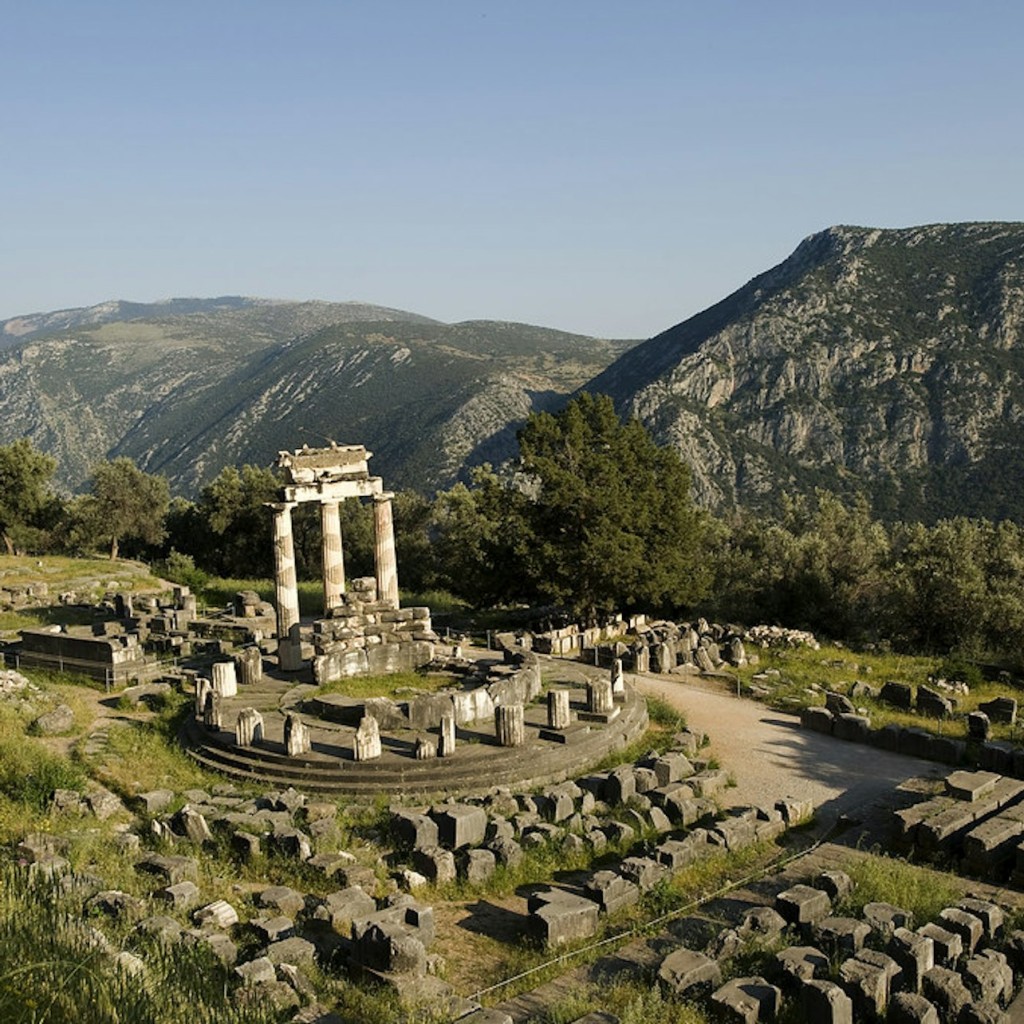
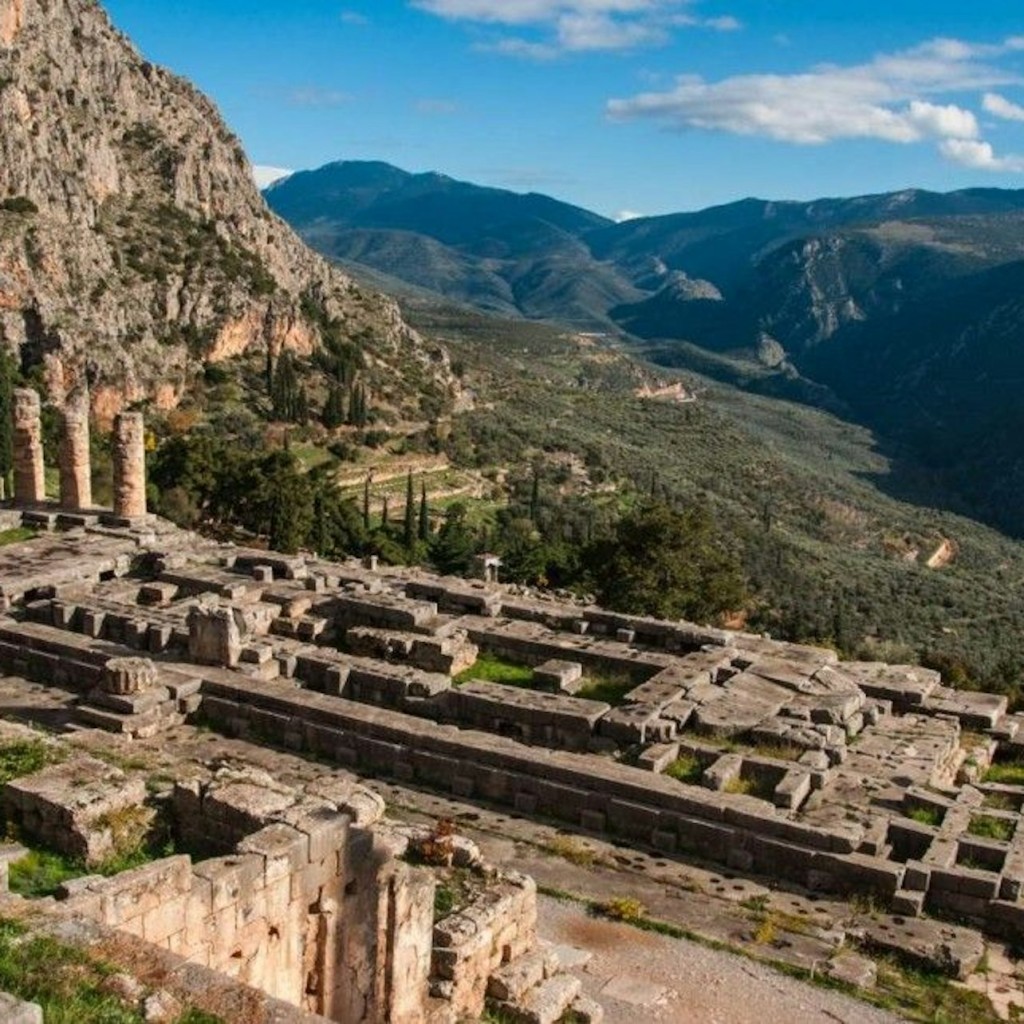
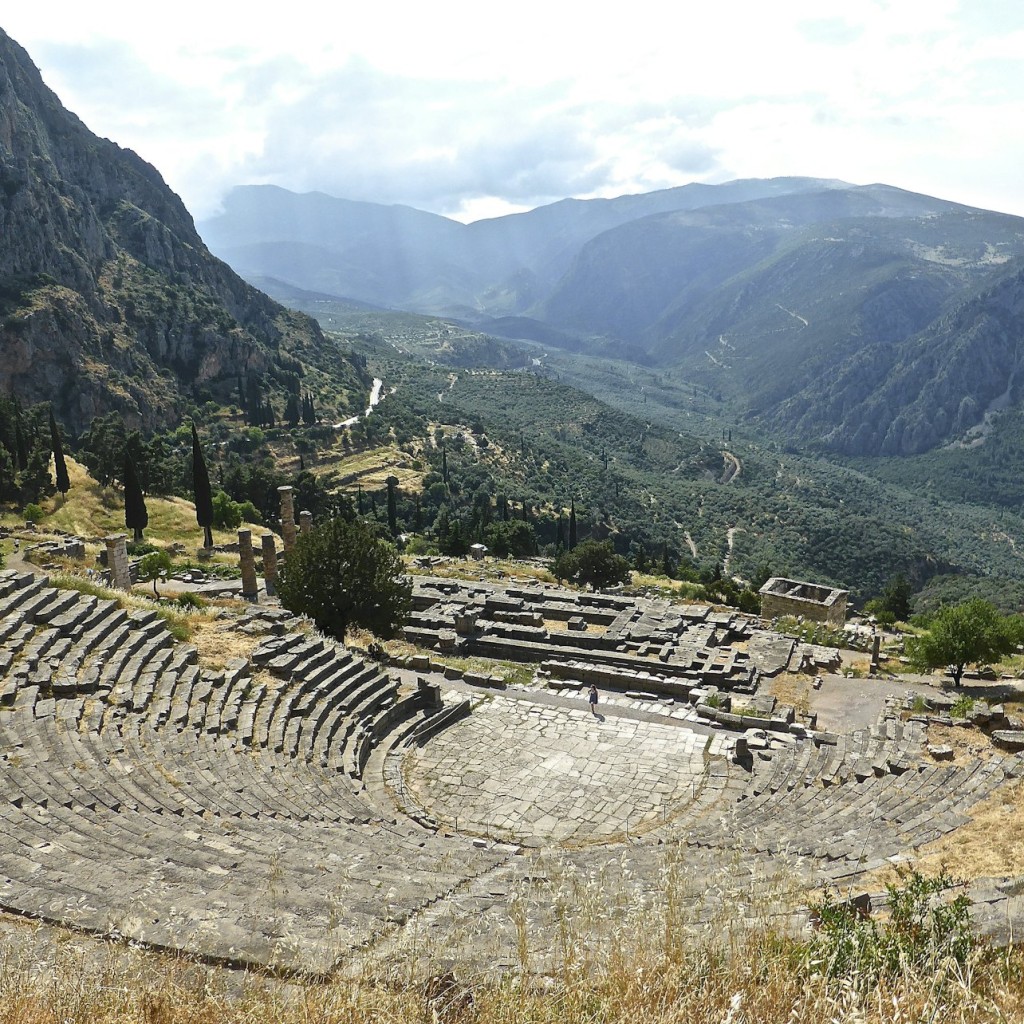
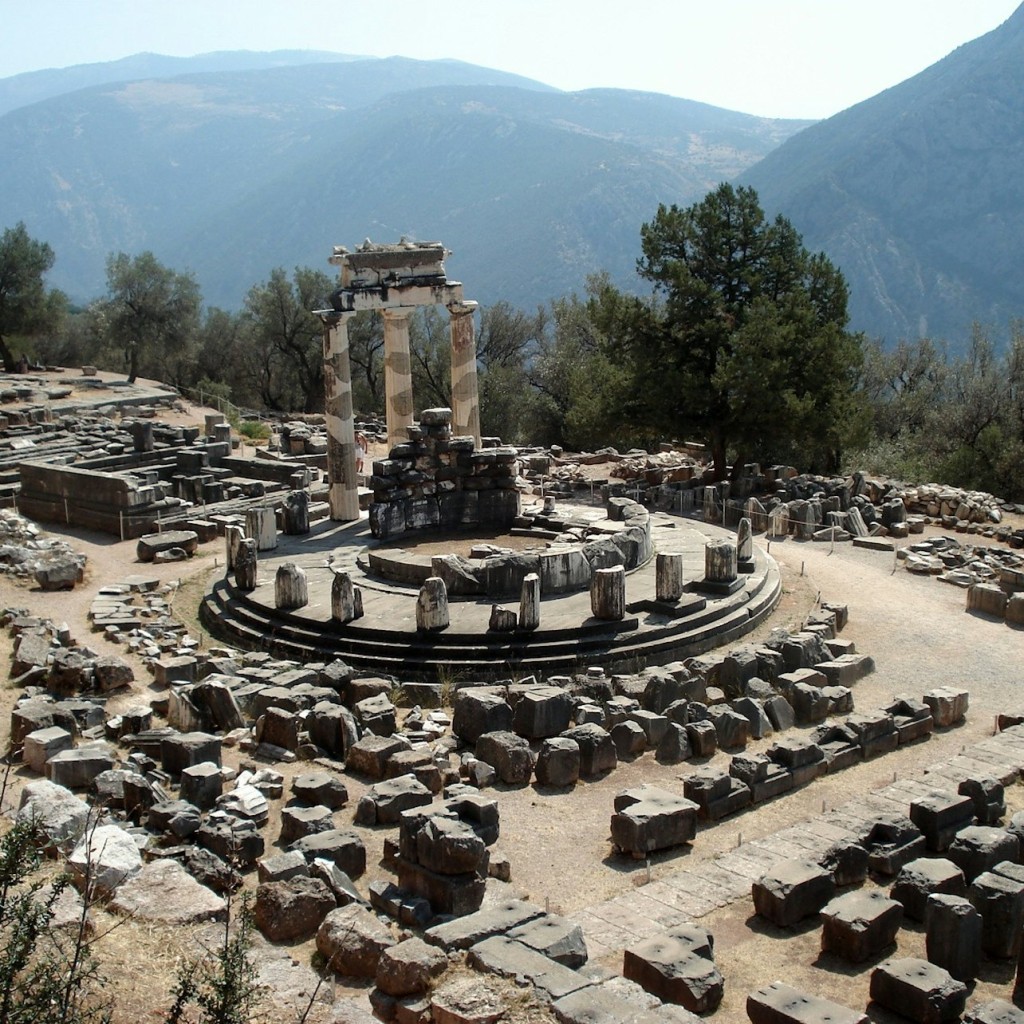
Explore vivid images of Delphi's ancient ruins and the breathtaking surrounding landscape, offering a glimpse into its timeless beauty.
Embark on a captivating journey from Athens to Delphi, one of Greece's most profound archaeological treasures and a designated UNESCO World Heritage site. Nestled dramatically on the slopes of Mount Parnassus, Delphi was once considered the 'navel of the world' and served as the spiritual and religious center of the ancient Greek world. This sacred sanctuary housed the renowned Oracle of Apollo, whose prophecies guided kings and commoners alike for centuries. A day trip to Delphi offers an unparalleled opportunity to explore magnificent ruins, delve into ancient history, and soak in the breathtaking natural beauty of the Greek landscape. Many tours provide convenient transfers, expert guides, and entry tickets, ensuring a seamless and enriching experience.
There is no specific strict dress code for visiting Delphi, but comfortable and practical attire is highly recommended. Given the extensive walking, often uphill and on uneven surfaces, comfortable walking shoes are essential. During warmer months, light clothing is advisable, along with sun protection such as a hat and sunglasses. In cooler seasons, layers are recommended as temperatures can vary. The site is outdoors, so be prepared for various weather conditions.
Delphi stands as a testament to the grandeur of ancient Greek civilization, offering visitors a profound connection to its mythical past. Beyond its role as the seat of the Oracle of Apollo, Delphi was also home to the Pythian Games, a precursor to the Olympics, celebrating athletic and artistic prowess. As you wander through the archaeological site, you'll encounter the majestic Temple of Apollo, the Treasury of the Athenians, the ancient theater, and the stadium, each structure telling a story of devotion, competition, and political influence. The Delphi Archaeological Museum, located nearby, houses an extraordinary collection of artifacts unearthed from the site, including the famous Charioteer of Delphi. The scenic drive from Athens through the heart of Greece's picturesque countryside adds to the allure, often including stops at charming mountain villages like Arachova, known for its traditional crafts and stunning views. A tour to Delphi provides a comprehensive cultural immersion, blending historical exploration with the beauty of the Greek landscape.
Booking your Delphi tour from Athens online offers convenience and peace of mind. You can secure your spot in advance, especially for popular guided tours that include transfers and entry tickets, avoiding last-minute availability issues. Online booking often provides options for different tour types, such as those with or without lunch, or with specific inclusions like audio guides or VR experiences. It allows for easy comparison of itineraries and prices, ensuring you find the best fit for your preferences. Plus, pre-booking saves valuable time that would otherwise be spent queuing for tickets, letting you maximize your exploration of this historic site.
The history of Delphi is deeply intertwined with Greek mythology and spirituality. According to legend, Zeus released two eagles from opposite ends of the world, and they met at Delphi, marking it as the 'omphalos' or navel of the world. By the 8th century BCE, Delphi had become the most important sanctuary in the ancient Greek world, dedicated to Apollo, the god of light, music, and prophecy. The Oracle of Delphi, delivered by the Pythia, played a crucial role in political and personal decisions throughout antiquity, influencing kings and city-states. The Pythian Games, held every four years in honor of Apollo, attracted athletes and artists from across the Greek world. Its prestige began to wane with the rise of Christianity, and the oracle was eventually silenced by the Roman Emperor Theodosius I in 393 CE. The site was subsequently abandoned and buried by landslides before its systematic excavation began in the late 19th century, revealing its extraordinary treasures and restoring its place in history.
The Delphi Archaeological Site and Museum generally follow seasonal operating hours. During peak season (April to October), they are usually open daily from early morning until late afternoon. In the off-peak season (November to March), hours may be slightly shorter, and some areas might have limited access. It is advisable to factor in specific holiday closures as well. Most tours from Athens are scheduled to align with these opening times, ensuring ample time for exploration.
The best time to visit Delphi is during the spring (April to May) and autumn (September to October) months. During these periods, the weather is pleasantly mild, making it comfortable for exploring the extensive outdoor archaeological site. The landscapes are also at their most vibrant, with wildflowers in spring or rich autumnal colors. These seasons also typically see fewer crowds compared to the bustling summer months, allowing for a more serene and reflective experience. Arriving early in the morning, regardless of the season, can help you avoid the largest crowds and enjoy cooler temperatures.
The Delphi archaeological site is rich with structures that reveal its ancient significance. The centerpiece is the imposing ruins of the Temple of Apollo, where the Pythia, the high priestess, delivered the Oracle's prophecies. Nearby, you will find the Treasury of the Athenians, a small but finely preserved building where offerings were stored. Ascending further, the ancient Theater of Delphi offers magnificent views of the sanctuary and the surrounding valley, still used for performances today. At the highest point, the Stadium hosted the Pythian Games. Below the main sanctuary lies the Tholos at the sanctuary of Athena Pronaia, a circular building of striking architectural beauty. A visit to the Delphi Archaeological Museum is essential to see key artifacts excavated from the site, including the bronze Charioteer of Delphi, sphinxes, and votive offerings.
When planning your visit to Delphi, consider wearing comfortable walking shoes as the site involves significant walking on uneven terrain and uphill climbs. Bring water, especially during warmer months, and wear sun protection like a hat and sunscreen. A camera is a must to capture the stunning ruins and panoramic views. Many tours include an expert guide, which is highly recommended for understanding the complex history and significance of the site. Booking your tour in advance, particularly during peak travel seasons, is advisable to ensure availability and secure your preferred itinerary. Remember to allow ample time to explore both the archaeological site and the museum.
Visitors to the Delphi archaeological site and museum are requested to adhere to certain rules to preserve the historic integrity of the site. Please stay on marked paths and refrain from climbing or sitting on ancient ruins. Do not touch or remove any artifacts. Littering is strictly prohibited, and visitors should dispose of waste in designated bins. Photography for personal use is generally permitted, but flash photography may be restricted inside the museum. Large bags or backpacks might need to be checked at the museum entrance. Always show respect for the historical and cultural significance of the site.
Delphi is undeniably worth visiting for anyone with an interest in ancient history, mythology, and breathtaking landscapes. Its status as a UNESCO World Heritage site underscores its immense cultural and historical value. Walking through the ruins of the Temple of Apollo and the other ancient structures offers a tangible connection to a civilization that shaped Western thought. The dramatic setting on Mount Parnassus, with panoramic views of the Corinthian Gulf, adds an incredible aesthetic dimension to the historical experience. It's a profound journey that offers both intellectual stimulation and visual splendor.
Most day trips typically include round-trip transfers from Athens, an expert licensed guide, and entry tickets to the Delphi archaeological site and museum. Some tours also offer lunch or additional stops at nearby villages like Arachova.
A full-day tour to Delphi from Athens generally lasts between 6 to 10 hours, including travel time to and from the site, and sufficient time to explore the archaeological site and museum.
Wear comfortable walking shoes suitable for uneven terrain and uphill climbs. Bring water, sunscreen, a hat, and sunglasses, especially during warmer months. Layers are advisable for cooler seasons.
The Delphi archaeological site involves significant walking on uneven, sloped terrain with steps. Access for individuals with severe mobility issues may be challenging, but the museum is generally more accessible.
Yes, you can visit Delphi independently by taking a public bus (KTEL) from Athens to Delphi town. However, an organized tour offers the convenience of transfers and the benefit of an expert guide.
Most comprehensive Delphi day trips from Athens include entry to the Delphi Archaeological Museum as part of the overall experience, showcasing key artifacts from the site.
Delphi is recognized as a UNESCO World Heritage site due to its immense cultural significance as the most important oracle of the ancient world and a center of Greek religious and artistic influence, set in a landscape of exceptional natural beauty.
Most visitors to Delphi from Athens opt for organized tours, which include comfortable round-trip transfers directly from a designated meeting point in Athens. These tours simplify logistics, providing hassle-free transportation to and from the site. For independent travelers, public buses operated by KTEL depart from Athens' Terminal B (Liosion Street) to Delphi. The bus journey takes approximately 3 hours. Once in Delphi town, the archaeological site and museum are within walking distance or a short taxi ride.
There is no specific strict dress code for visiting Delphi, but comfortable and practical attire is highly recommended. Given the extensive walking, often uphill and on uneven surfaces, comfortable walking shoes are essential. During warmer months, light clothing is advisable, along with sun protection such as a hat and sunglasses. In cooler seasons, layers are recommended as temperatures can vary. The site is outdoors, so be prepared for various weather conditions.