



O que está incluído
- Entrada no museu
- Uma barra de chocolate
Explore a visual feast of the Chocolate Museum, from historical artifacts to breathtaking chocolate sculptures, capturing the essence of this delightful institution.
Step into the delicious world of the Museu de la Xocolata in Barcelona, a unique institution dedicated to the history and artistry of chocolate. This fascinating museum offers visitors an immersive journey from the ancient origins of cocoa to its modern-day culinary marvels. Discover how chocolate transformed from a sacred drink of Mesoamerican civilizations into one of the most beloved sweets across the globe. Beyond its rich history, the museum captivates with incredible chocolate sculptures, interactive exhibits, and engaging workshops suitable for all ages. It's a perfect destination for families, chocolate enthusiasts, and anyone looking for a sweet cultural experience in Barcelona.
There is no specific dress code for visiting the Chocolate Museum. Casual and comfortable attire is perfectly acceptable. As you will be walking and standing for the duration of your visit, wearing comfortable shoes is recommended. Barcelona's weather can vary, so dressing in layers might be practical, especially outside of peak summer months.
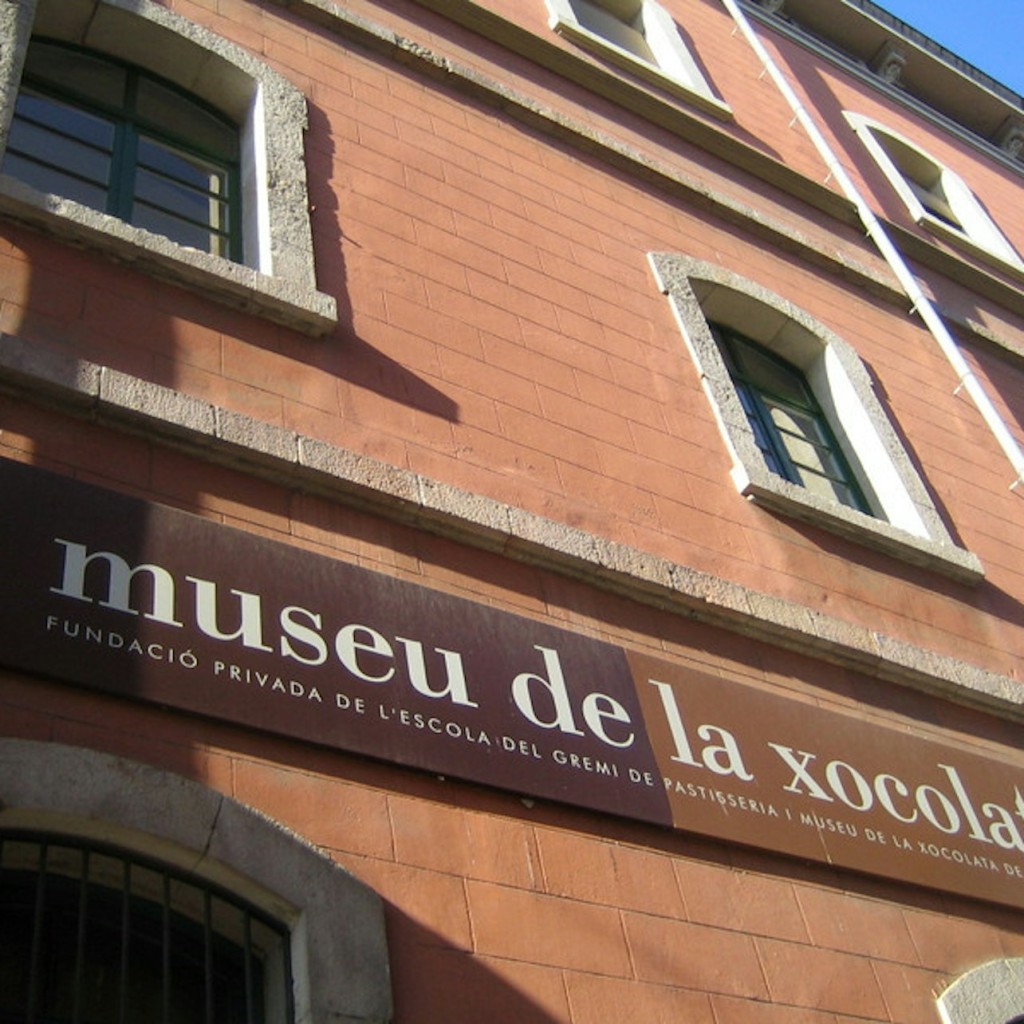
The Chocolate Museum (Museu de la Xocolata) in Barcelona is a delightful institution celebrating one of the world's most cherished treats. Housed in the former Sant Agustí monastery, the museum offers a comprehensive exploration of chocolate's journey through time and cultures. Visitors can trace the origins of cocoa back to ancient civilizations like the Mayans and Aztecs, who revered it as a 'food of the gods.' The exhibits detail how cocoa beans arrived in Europe, primarily through Spain, and how chocolate evolved from a bitter, spicy drink into the sweet confectionery we know today. The museum showcases the various tools and techniques involved in chocolate making, from cultivation and processing to tempering and molding. A key highlight is the impressive collection of chocolate sculptures, meticulously crafted by master chocolatiers, depicting famous landmarks, characters, and intricate scenes. These edible artworks demonstrate the artistic potential of chocolate, captivating audiences with their detail and creativity. Interactive displays provide an engaging learning experience, making the museum appealing to both adults and children eager to delve into the sweet science and art of chocolate.
Booking your Chocolate Museum (Museu de la Xocolata de Barcelona) admission tickets online offers a convenient and efficient way to plan your visit. By securing your entry in advance, you can avoid potential queues, especially during peak tourist seasons or holidays, ensuring a smoother start to your experience. Online booking often provides instant confirmation and flexibility, allowing you to choose your preferred date and time slot. This guarantees your entry and helps manage your itinerary effectively, preventing any disappointment. It's a smart choice for a hassle-free and enjoyable exploration of Barcelona's sweet side.
Chocolate boasts a rich and ancient history, originating over 3,000 years ago in Mesoamerica. The Olmec, Mayan, and Aztec civilizations were among the first to cultivate cocoa beans, which they prized not only for their nutritional value but also for their symbolic and spiritual significance. Cocoa was often consumed as a bitter, frothy drink, sometimes flavored with chili peppers or cornmeal, and was central to religious rituals, medicinal practices, and even used as a form of currency. Christopher Columbus is believed to have been the first European to encounter cocoa beans, but it was Hernán Cortés who introduced them to Spain in the early 16th century, along with the secret of making the chocolate drink. Initially a luxury reserved for the Spanish aristocracy and clergy, chocolate was consumed as a hot beverage, often sweetened with sugar and flavored with cinnamon or vanilla. From Spain, chocolate slowly spread across Europe, becoming a fashionable drink among the elite. The invention of the cocoa press in the 19th century revolutionized chocolate production, leading to the creation of solid chocolate bars and paving the way for its mass consumption as a confectionary item. Barcelona played a significant role in chocolate's European journey, serving as a gateway for cocoa to the continent and developing its own rich chocolate-making traditions.
The Chocolate Museum typically operates with consistent opening hours, though it's always advisable to consider potential variations. Generally, it is open from Tuesday to Saturday, often from late morning to early evening. On Sundays, hours might be shorter, and the museum is usually closed on Mondays, except for specific public holidays. Seasonal adjustments to operating hours may occur, particularly during peak tourist seasons or special events. Visitors planning their trip should note that last admission is typically one hour before closing.
The optimal time to visit the Chocolate Museum in Barcelona is during the shoulder seasons of spring (April-May) and autumn (September-October), when the weather is pleasant and tourist crowds are generally smaller than in summer. Within the week, aiming for a weekday morning, shortly after opening, or a late afternoon visit, about two hours before closing, can help avoid the busiest periods. Weekends, especially Saturday afternoons, tend to be more crowded. Visiting during school term times can also result in a quieter experience, allowing for more leisurely exploration of the exhibits and a better opportunity to appreciate the intricate chocolate sculptures.
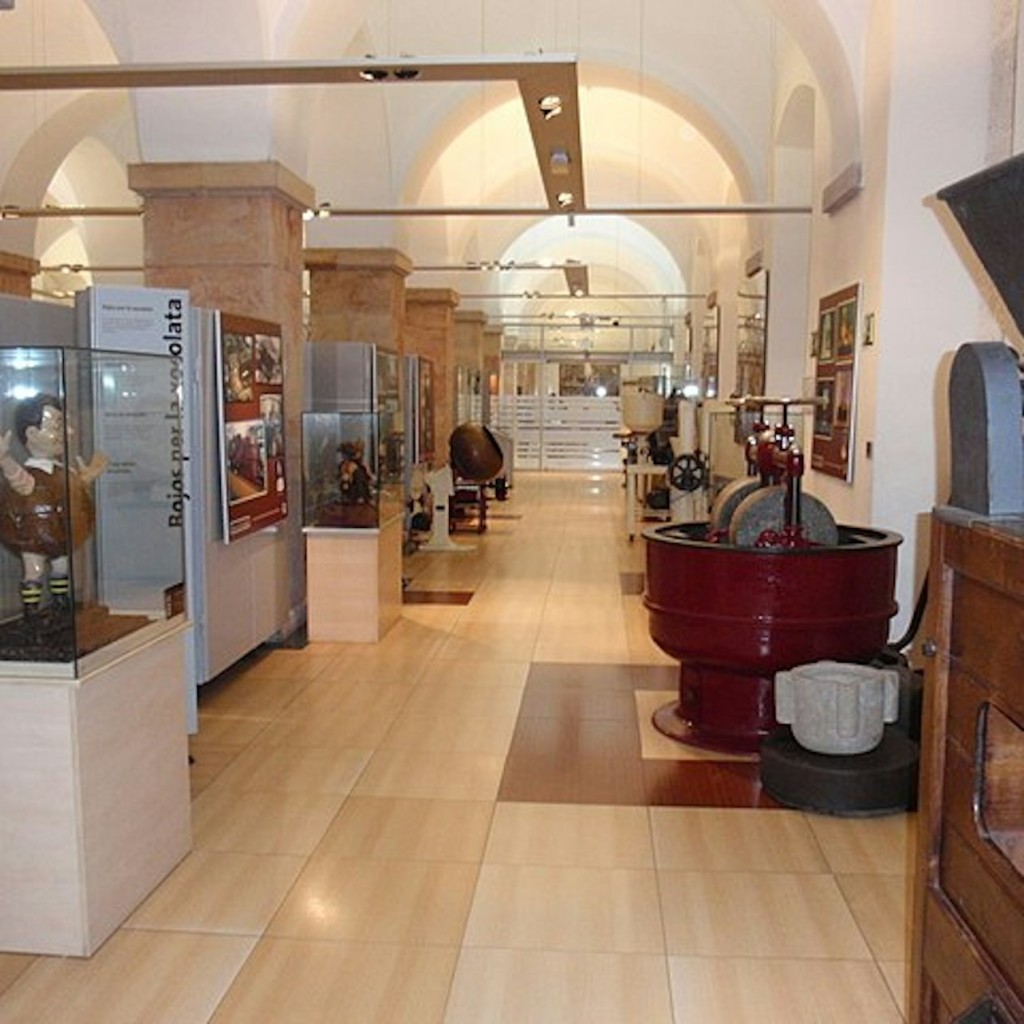
Inside the Chocolate Museum, visitors embark on a multi-sensory journey through the world of cocoa. The exhibits begin by illustrating the historical and cultural significance of chocolate, starting with its ancient roots in Mesoamerica. You'll discover how civilizations like the Mayans and Aztecs used cocoa for rituals, medicine, and as currency. Moving through time, the museum details the arrival of chocolate in Europe, particularly its pivotal role in Spanish history, and its gradual transformation into a popular delicacy. A major attraction is the gallery featuring astonishing chocolate sculptures, ranging from iconic Barcelona buildings to beloved fictional characters, all crafted with incredible precision. Educational displays explain the chocolate-making process, from cocoa bean harvesting and roasting to grinding, conching, and tempering. Interactive elements allow for a deeper engagement with the material, making the history and science of chocolate come alive for visitors of all ages.
When visiting the Chocolate Museum, consider purchasing your tickets online in advance to save time upon arrival. The museum is located in a historical building, so be aware that access might involve stairs, although efforts are made for accessibility. Photography is generally permitted, making it easy to capture the impressive chocolate sculptures. The museum typically offers a small chocolate treat with your admission, adding to the experience. They also have a gift shop where you can buy various chocolate products and souvenirs. Allow ample time to explore all the exhibits, especially if you plan to engage with the interactive displays or wish to fully appreciate the artistic creations.
To ensure a pleasant and respectful experience for all visitors, the Chocolate Museum maintains certain rules. Guests are asked to refrain from touching the exhibits, especially the delicate chocolate sculptures, to preserve their integrity. Food and beverages, other than those explicitly provided or allowed by the museum, are generally not permitted inside the exhibition areas. Photography without flash is typically allowed for personal use. Large bags and backpacks may need to be stored in designated lockers if available, or carried carefully to avoid accidental damage to exhibits. Children must be supervised by an adult at all times.
The Chocolate Museum is undoubtedly worth visiting for anyone with a sweet tooth or an interest in culinary history. It offers a unique blend of education, culture, and pure delight, making it an engaging experience for families, couples, and solo travelers alike. Beyond learning about chocolate's fascinating origins and evolution, visitors are treated to an astonishing display of edible art that must be seen to be believed. The museum provides an interactive and often delicious way to spend a few hours in Barcelona, offering insights into a global phenomenon through a local lens. It's more than just a museum; it's a celebration of human creativity and a universal love for chocolate.
The museum generally opens from Tuesday to Sunday, often from late morning until early evening. It is usually closed on Mondays. Specific hours can vary, so checking for updated times is advisable.
Most visitors spend between 1.5 to 2 hours exploring all the exhibits and appreciating the chocolate sculptures.
Yes, the museum is very family-friendly, offering engaging and interactive exhibits that appeal to children, including fascinating chocolate sculptures.
Generally, outside food and beverages are not permitted in the exhibition areas. However, your admission ticket often includes a small chocolate welcome treat, and there's a gift shop where you can purchase and consume chocolate.
The museum sometimes offers workshops or tasting sessions, which may require separate booking or have limited availability. These activities provide a hands-on experience with chocolate.
The museum aims to be as accessible as possible. Housed in a historic building, some areas might have stairs, but efforts are made to accommodate visitors with mobility needs. It's recommended to inquire directly for specific accessibility details.
The Chocolate Museum (Museu de la Xocolata) is located in the Ciutat Vella district, close to the Arc de Triomf and Parc de la Ciutadella, making it easily accessible from various parts of the city.
The Chocolate Museum is conveniently situated in the Ciutat Vella district of Barcelona, near the Arc de Triomf and Parc de la Ciutadella. It is easily reachable by public transport. You can take the metro to Arc de Triomf (L1 red line) or Jaume I (L4 yellow line), both of which are a short walk from the museum. Numerous bus lines also serve the area, with stops close by. Walking from many central Barcelona locations is also a pleasant option, allowing you to enjoy the city's architecture.
There is no specific dress code for visiting the Chocolate Museum. Casual and comfortable attire is perfectly acceptable. As you will be walking and standing for the duration of your visit, wearing comfortable shoes is recommended. Barcelona's weather can vary, so dressing in layers might be practical, especially outside of peak summer months.