

O que está incluído
- Acesso a todos os salões principais
- Entrada na Galeria do Tesouro
- Entrada na Galeria dos Relógios [conforme a opção selecionada]
- Acesso aos pátios abertos [conforme a opção selecionada]
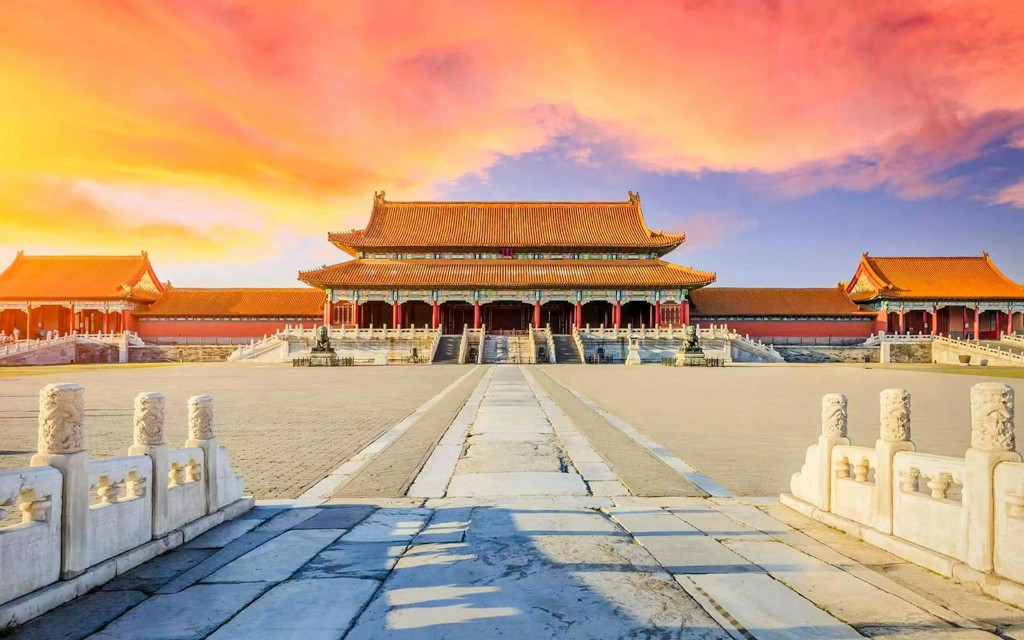
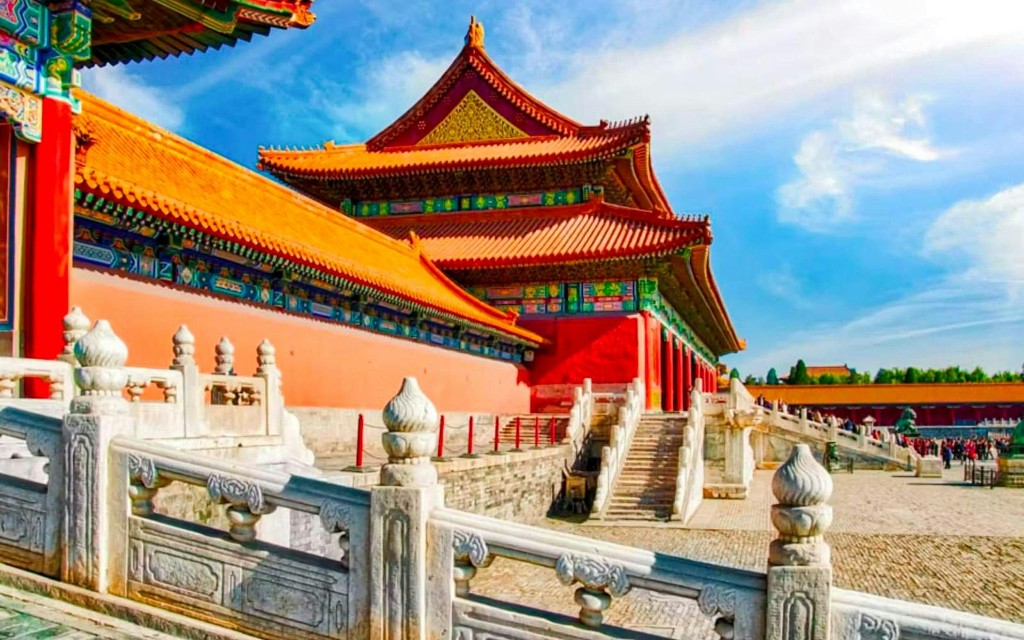
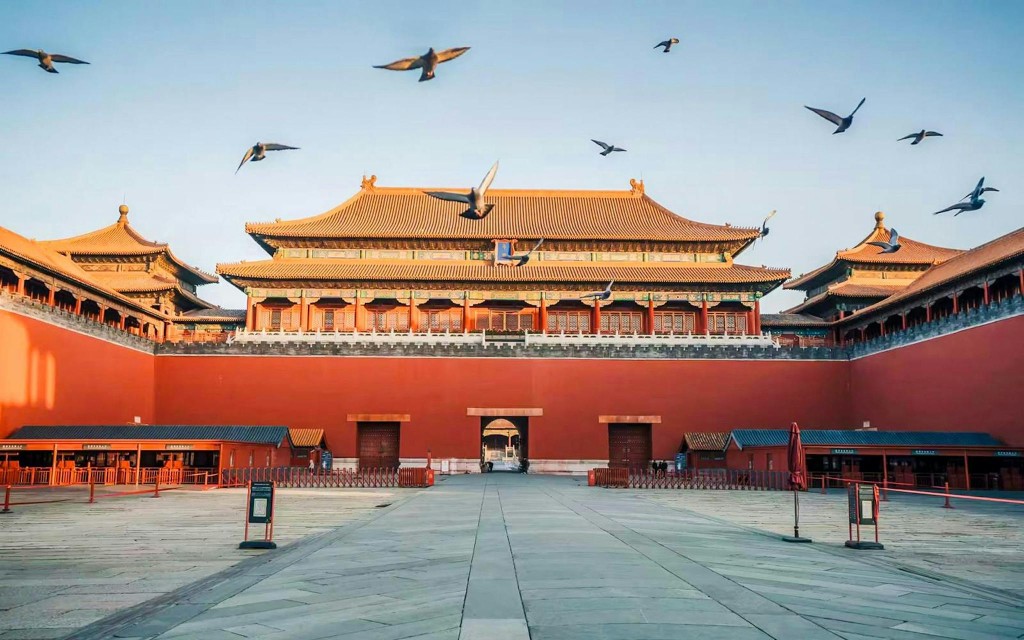
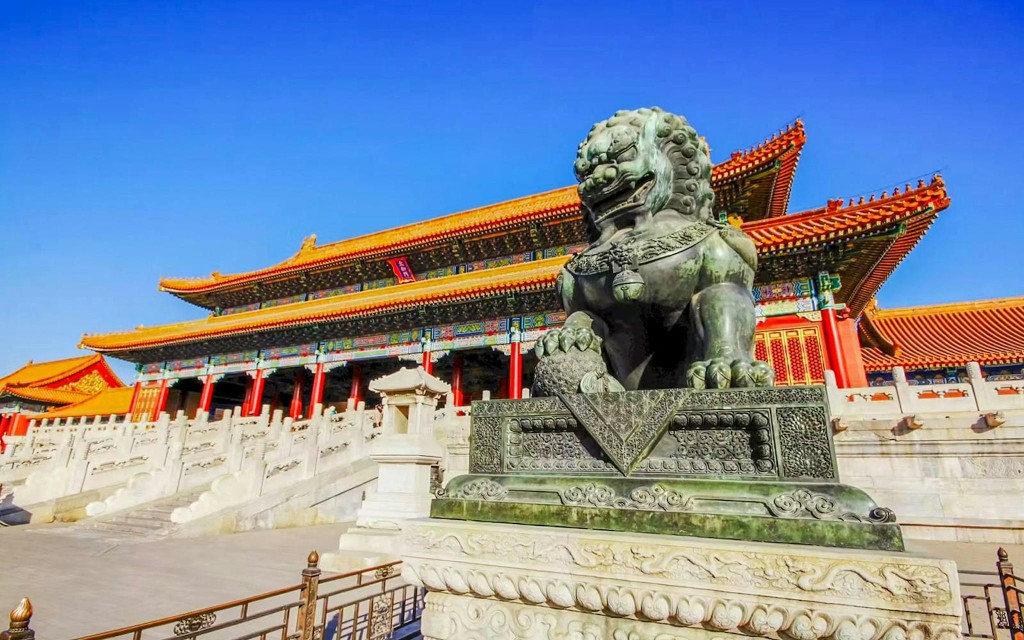
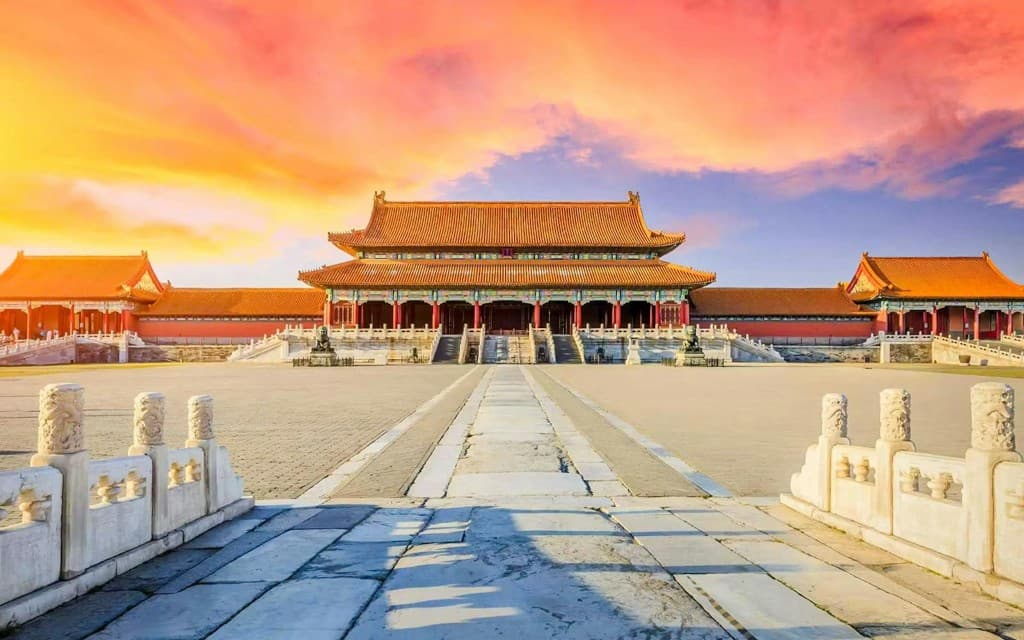
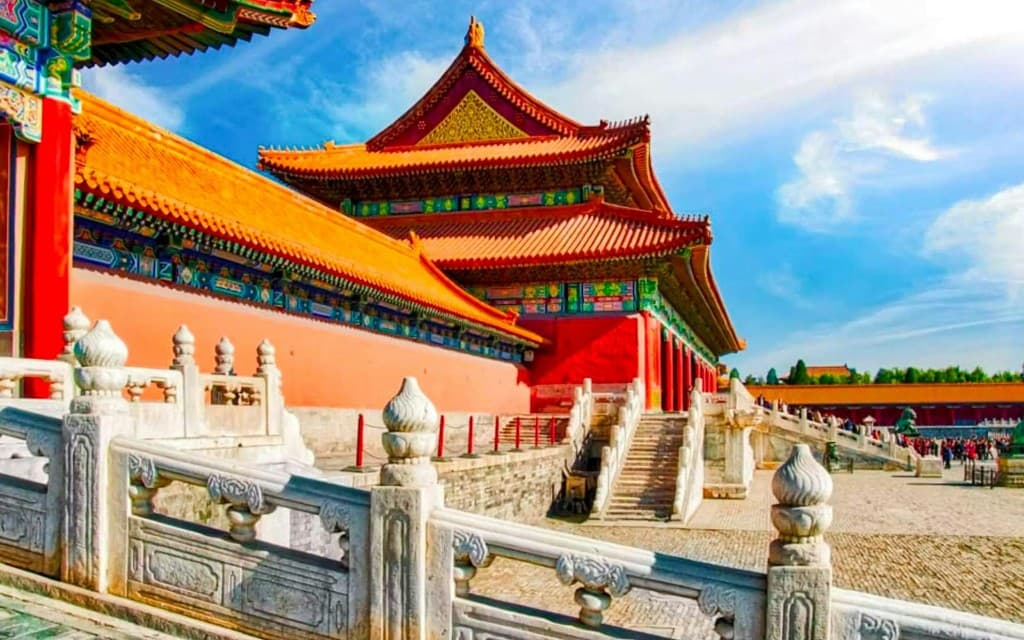
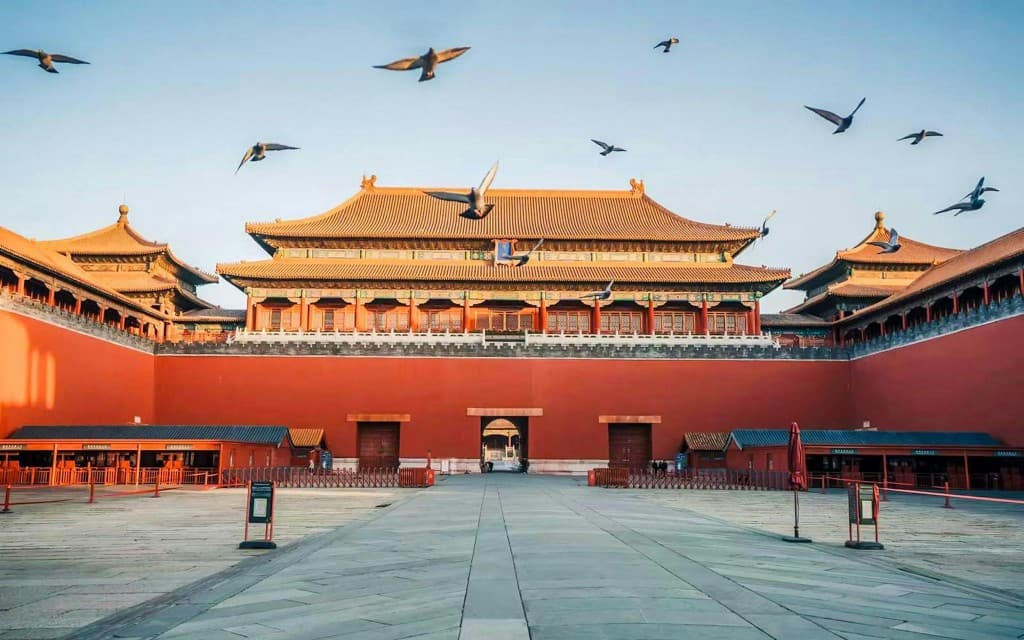
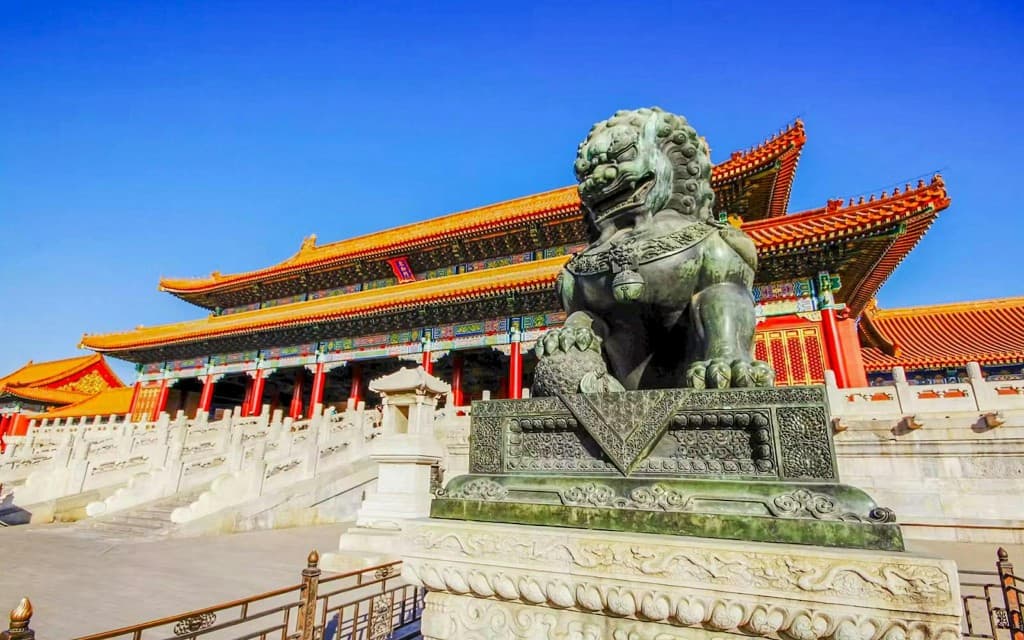
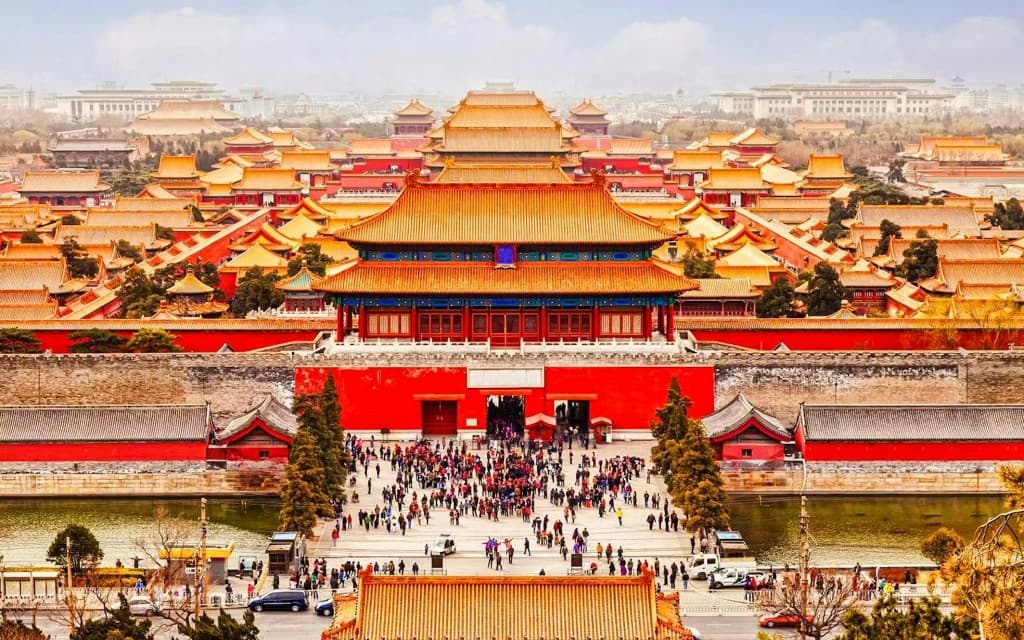
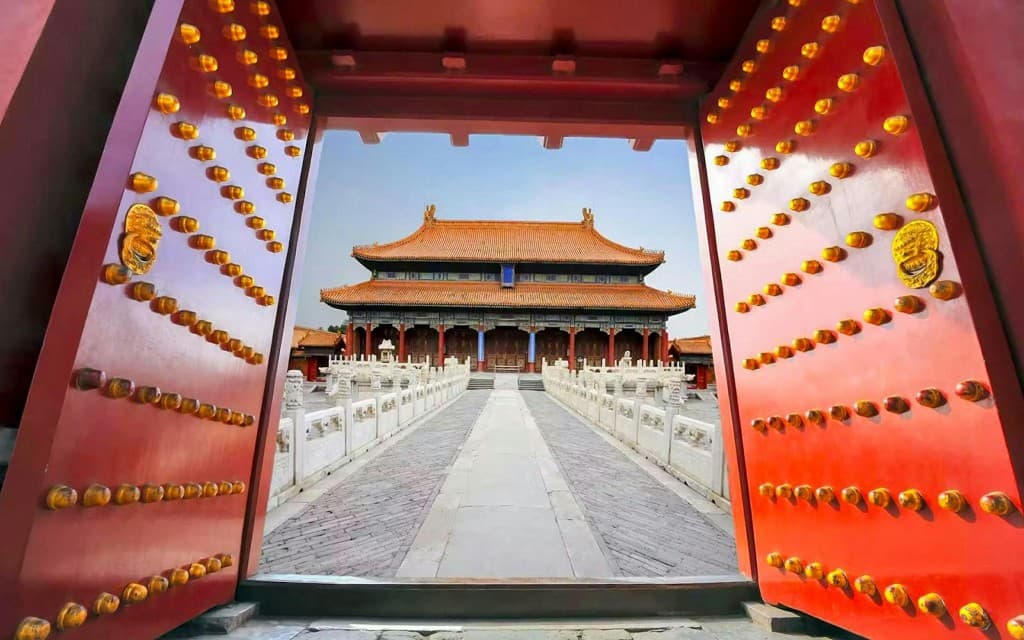
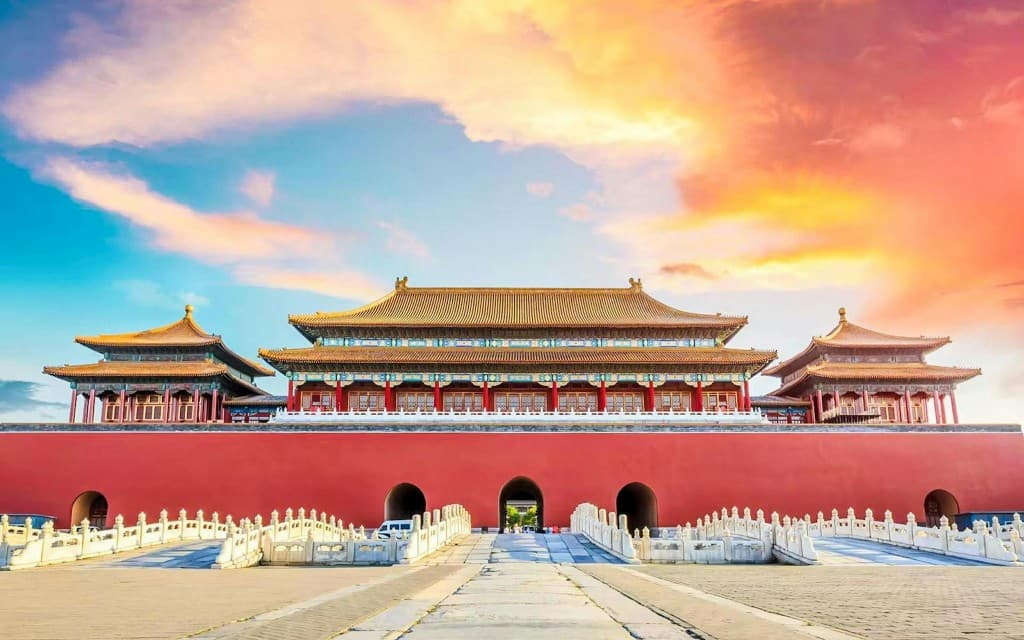
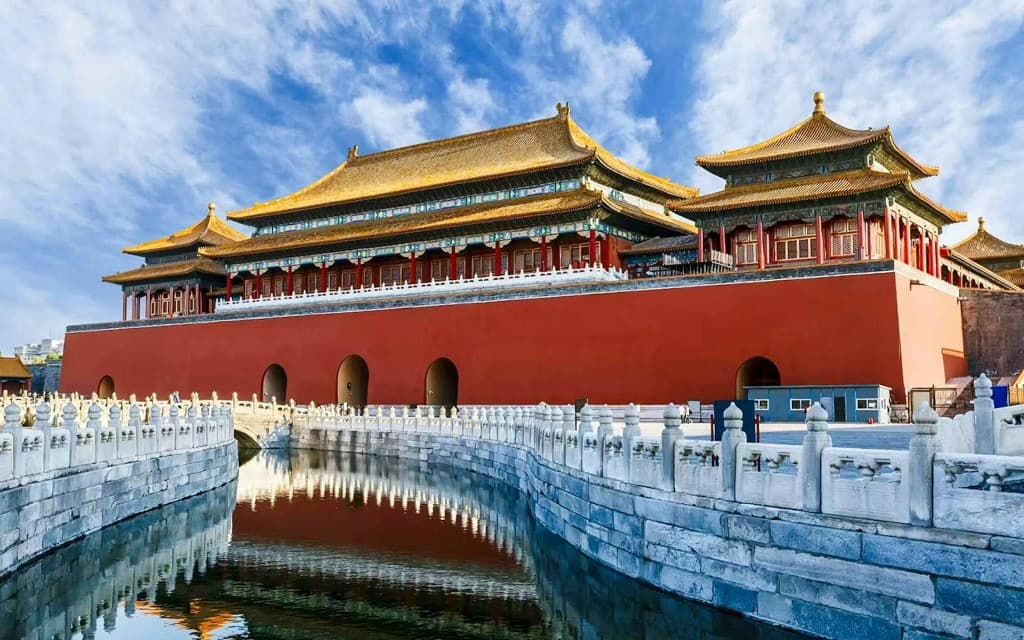
Discover the Forbidden City through these stunning photos, capturing its architectural grandeur and historical significance.
Explore the magnificent Forbidden City, a UNESCO World Heritage site and the historical heart of Beijing. Once the exclusive domain of emperors and their households for nearly 500 years, this sprawling palace complex showcases stunning traditional Chinese architecture and offers a glimpse into the opulent lives of China's past rulers. With a Forbidden City Ticket (MegaPass), you can delve deeper into the artistry, history, and cultural significance of this iconic landmark. Prepare to be transported back in time as you wander through the grand courtyards, explore the intricate halls, and discover the treasures within this remarkable imperial palace. A visit to the Forbidden City is an essential experience for anyone interested in Chinese history and culture.
There is no strict dress code for visiting the Forbidden City. However, it's recommended to dress respectfully, as it is a historical and cultural site. Comfortable clothing and shoes are advisable, as you'll be doing a lot of walking. During the summer months, lightweight and breathable clothing is recommended. In the winter, dress warmly, as the outdoor areas can be cold. Avoid wearing overly revealing or offensive clothing. Ultimately, dressing modestly and respectfully will enhance your experience and show consideration for the cultural significance of the site.
Explore a Cidade Proibida de Pequim no seu próprio ritmo, com acesso a todos os salões principais, à Galeria do Tesouro e, se quiser, às opções de visita à Galeria do Relógio.
Entre na Cidade Proibida pelo Portão Meridian usando seu ingresso com data e seu passaporte e, em seguida, siga o percurso obrigatório de sul para norte pelo complexo. Planeja chegar fora do horário de pico, das 10h às 13h, se preferires um lugar menos lotado. Você pode usar o serviço gratuito de guarda-volumes entre o Portão Meridian e o Portão Shenwu, além dos armários dentro do local, que são adequados para carrinhos de bebê e cadeiras de rodas.
Você percorre o Museu do Palácio de sul a norte, passando por uma série de áreas cerimoniais e residenciais. Seus ingressos dão acesso ao eixo central do palácio, incluindo os principais espaços imperiais que caracterizam a Cidade Proibida.
O acesso a todos os salões principais permite que você percorra o trajeto central pelo complexo, incluindo os pátios principais do palácio usados para cerimônias imperiais, à medida que você segue em direção às saídas do norte, no Portão Shenwu ou no Portão Donghua.
Os pátios abertos, com disponibilidade apenas na opção “Galeria do Tesouro”, oferecem um espaço para você dar uma pausa, admirar a arquitetura do palácio de diferentes ângulos e apreciar a grandiosidade da antiga residência imperial.
A Galeria do Tesouro ocupa parte da ala nordeste do Palácio da Longevidade Tranquila. Salas com climatização exibem uma seleção específica de objetos usados por imperadores e imperatrizes dentro da Cidade Proibida.
Estão em exibição cerca de 400 tesouros imperiais, incluindo esculturas em jade, objetos esmaltados e vasos de ouro e prata que faziam parte dos rituais da corte e da vida cotidiana no palácio.
As coroas de fênix das imperatrizes, cravejadas de pedras preciosas, e as vestes imperiais bordadas são os destaques das insígnias pessoais da corte Qing e mostram os materiais reservados para os mais altos escalões.
A entrada na Galeria do Tesouro está incluída em todas as opções de ingressos, o que te dá tempo exclusivo para visitar seis salas com ar condicionado na área do Palácio da Longevidade Tranquila.
A Galeria dos Relógios, que fica perto da Galeria do Tesouro, na mesma ala nordeste, mostra a coleção de relógios da corte Qing. Está exposto no Salão Fengxian e nas salas próximas, dentro do Museu do Palácio.
Aqui está em exposição uma coleção de 82 relógios históricos, incluindo 21 relógios astronômicos chineses e 61 peças importadas da Grã-Bretanha, França e Suíça.
Muitos relógios têm autômatos mecânicos complexos que escrevem em caligrafia, tocam instrumentos ou dão vida a figuras esculpidas quando são acionados durante demonstrações programadas.
A entrada na Galeria dos Relógios está incluída quando você escolhe a opção “Ingressos + Galerias do Tesouro e dos Relógios”, e as demonstrações dos autômatos acontecem em horários fixos, que você pode conferir ao chegar.
Escolha entre a opção “Ingressos + Galerias do Tesouro e do Relógio”, para uma experiência completa no Museu do Palácio, incluindo o Salão Fengxian, ou a opção “Ingressos + Galeria do Tesouro”, que se concentra nos salões principais, pátios abertos e tesouros imperiais do Palácio da Longevidade Tranquila.
Rota de entrada: Você precisa visitar o local de sul para norte, entrando pelo Portão Meridian e saindo pelo Portão Shenwu ou pelo Portão Donghua.
Fluxo de visitantes: O local fica mais movimentado das 10h às 13h, então planeje sua visita para evitar esses horários de pico, se possível.
Exposições: É bom você dar uma olhada nas exposições em cartaz no site oficial do Museu do Palácio antes da sua visita.
Guarda-bagagens: Há uma disponibilidade de serviço gratuito de guarda-volumes, e as bolsas são transportadas entre o Portão Meridian e o Portão Shenwu.
Tempo de armazenamento: O serviço de guarda-volumes funciona das 8h30 às 18h, todos os dias.
Armários: Há armários disponíveis dentro da Cidade Proibida para guardar suas coisas.
Localização da Galeria do Tesouro: A Galeria do Tesouro fica no Palácio da Longevidade Tranquila, na ala nordeste.
Localização da Galeria do Relógio: A Galeria dos Relógios fica na mesma ala nordeste que a Galeria do Tesouro, na área do Palácio da Longevidade Tranquila.
Demonstrações de relógios: As demonstrações dos autômatos na Galeria do Relógio acontecem em horários fixos, então dá uma olhada na programação assim que chegar.
Tempo médio de visita: Uma visita típica dura cerca de 2 h e 30 min a 3,5 horas, incluindo a Galeria do Tesouro.
Reserva antecipada: Os ingressos são válidos apenas na data que você escolher, e você precisa fazer a reserva com pelo menos um dia de antecedência.
ID da entrada: Você precisa mostrar seu passaporte no Meridian Gate para entrar; não é preciso ter ingressos impressos.
Opção da Galeria de Relógios: Se você escolher a opção “Galeria dos Relógios”, reserve mais ou menos 1 h e 30 min a mais para a sua visita.
Acesso à galeria por opção: Se você escolher a opção “Apenas a Galeria do Tesouro”, seu ingresso não vai incluir a Galeria do Relógio.
The Forbidden City, also known as the Palace Museum, served as the imperial palace from the Ming Dynasty to the end of the Qing Dynasty. Construction began in 1406 and was completed fourteen years later, in 1420. The complex consists of 980 buildings and covers 74 hectares (180 acres). It is the world's largest palatial structure. The name 'Forbidden City' comes from the fact that access was restricted to members of the imperial court, their staff, and specially permitted guests. Ordinary citizens were barred from entering. Today, the Forbidden City is open to the public, allowing visitors from around the world to explore its vast courtyards, elaborate halls, and priceless collections of artifacts. Visiting this palace offers a unique opportunity to witness the grandeur of Chinese imperial life and appreciate the artistry and craftsmanship of the Ming and Qing dynasties. Allow ample time to fully appreciate the scale and detail of this historical treasure.
Booking your Forbidden City tickets online offers several advantages. You can secure your entry in advance, avoiding long queues at the ticket counters, especially during peak season. Online platforms often provide detailed information about the various ticket options, including combo tickets like the Forbidden City Ticket (MegaPass), allowing you to plan your visit efficiently. Booking online ensures a smooth and hassle-free experience, enabling you to maximize your time exploring this magnificent historical site. Take advantage of online booking to guarantee your entry and enjoy a seamless visit to the Forbidden City.
The Forbidden City's history spans over five centuries, serving as the imperial palace for 24 emperors of the Ming and Qing dynasties. Construction began in 1406 during the reign of the Yongle Emperor of the Ming Dynasty, and it was completed in 1420. The palace complex was designed to be the political and ritual center of China, embodying the power and authority of the emperor. For centuries, the Forbidden City was off-limits to ordinary citizens, hence its name. Only members of the imperial court, government officials, and specially permitted guests were allowed inside. The Forbidden City witnessed numerous significant events in Chinese history, including coronations, imperial weddings, and state ceremonies. After the fall of the Qing Dynasty in 1912, the Forbidden City was transformed into a museum in 1925, opening its doors to the public and allowing visitors to explore its rich history and cultural treasures. Today, it stands as a symbol of China's imperial past and a testament to the artistry and craftsmanship of its people.
The Forbidden City's opening hours vary depending on the season. Generally, it is open from 8:30 AM to 5:00 PM during the peak season (April 1 to October 31) and from 8:30 AM to 4:30 PM during the off-season (November 1 to March 31). The ticket office typically closes one hour before the closing time. Please note that the Forbidden City is closed every Monday, except for public holidays. It's recommended to check the official website for the most up-to-date information on opening hours before your visit.
The best time to visit the Forbidden City is during the spring (April-May) or autumn (September-October) months. The weather during these seasons is mild and comfortable, making it ideal for exploring the vast outdoor spaces of the complex. Additionally, the crowds tend to be smaller during these months compared to the peak summer season. Arriving early in the morning is advisable to avoid the largest crowds and fully appreciate the beauty and tranquility of the Forbidden City.
Inside the Forbidden City, you'll discover a wealth of historical and architectural treasures. The main courtyards offer a sense of the immense scale of the complex, leading to the heart of imperial power. Explore the grand halls, such as the Hall of Supreme Harmony, the Hall of Central Harmony, and the Hall of Preserving Harmony, where important ceremonies and meetings were held. These halls showcase stunning examples of traditional Chinese architecture, with intricate carvings, vibrant colors, and symbolic decorations. Visit the imperial palaces, including the Palace of Heavenly Purity and the Palace of Earthly Tranquility, which served as the residences of the emperor and empress. You can also explore numerous exhibitions displaying historical artifacts, artwork, and treasures that offer insights into the lives of the emperors and their courts.
Before visiting the Forbidden City, there are a few things to keep in mind. It's advisable to book your tickets online in advance to avoid long queues, especially during peak season. Remember to bring your passport or other valid identification, as it is required for entry. Wear comfortable shoes, as you'll be doing a lot of walking. Bringing water and snacks is recommended, especially during hot weather. Be aware that there are restrictions on bringing certain items into the Forbidden City, such as large bags, liquids, and sharp objects. Photography is allowed in most areas, but flash photography may be restricted in some indoor spaces. Finally, be respectful of the historical site and follow the instructions of the staff.
To ensure the preservation of the Forbidden City and the enjoyment of all visitors, there are a few rules to follow. Please refrain from touching or climbing on any of the artifacts or structures. Avoid littering and dispose of your trash in designated bins. Smoking is prohibited within the Forbidden City. Be respectful of other visitors and avoid making excessive noise. Follow the instructions of the staff and security personnel. Large bags and luggage may be subject to inspection. By adhering to these rules, you can help preserve this historical site for future generations.
The Forbidden City is undoubtedly worth visiting for anyone interested in Chinese history, architecture, and culture. As a UNESCO World Heritage site, it offers a unique glimpse into the lives of China's emperors and the grandeur of the imperial court. The sheer scale of the complex, with its numerous palaces, halls, and courtyards, is awe-inspiring. Exploring the Forbidden City allows you to appreciate the intricate details of traditional Chinese architecture, the artistry of the artifacts, and the rich history that permeates every corner. Whether you're a history enthusiast, an architecture lover, or simply curious about Chinese culture, a visit to the Forbidden City is an unforgettable experience.
Ticket prices vary depending on the season and any special exhibitions. Please check the official website for current pricing.
Yes, purchasing tickets online in advance is highly recommended to avoid long queues.
Opening hours vary depending on the season, but it is generally open from 8:30 AM to between 4:30 PM and 5:00 PM. Closed on Mondays (except public holidays).
Allow at least 3 to 4 hours to explore the main areas of the Forbidden City.
There is no strict dress code, but it is recommended to dress respectfully.
Large bags may be subject to inspection. There are also restrictions on bringing certain items inside.
Photography is allowed in most areas, but flash photography may be restricted in some indoor spaces.
There are limited options for food and beverages inside. Bringing your own water and snacks is advisable.
Yes, audio guides are available for rent at the entrance, providing detailed information about the various sites within the Forbidden City.
The Forbidden City is easily accessible by public transportation. Take subway line 1 to Tiananmen East or Tiananmen West station. From either station, it's a short walk to the entrance of the Forbidden City.
There is no strict dress code for visiting the Forbidden City. However, it's recommended to dress respectfully, as it is a historical and cultural site. Comfortable clothing and shoes are advisable, as you'll be doing a lot of walking. During the summer months, lightweight and breathable clothing is recommended. In the winter, dress warmly, as the outdoor areas can be cold. Avoid wearing overly revealing or offensive clothing. Ultimately, dressing modestly and respectfully will enhance your experience and show consideration for the cultural significance of the site.