

O que está incluído
- Admissão ao Museu das Culturas Européias
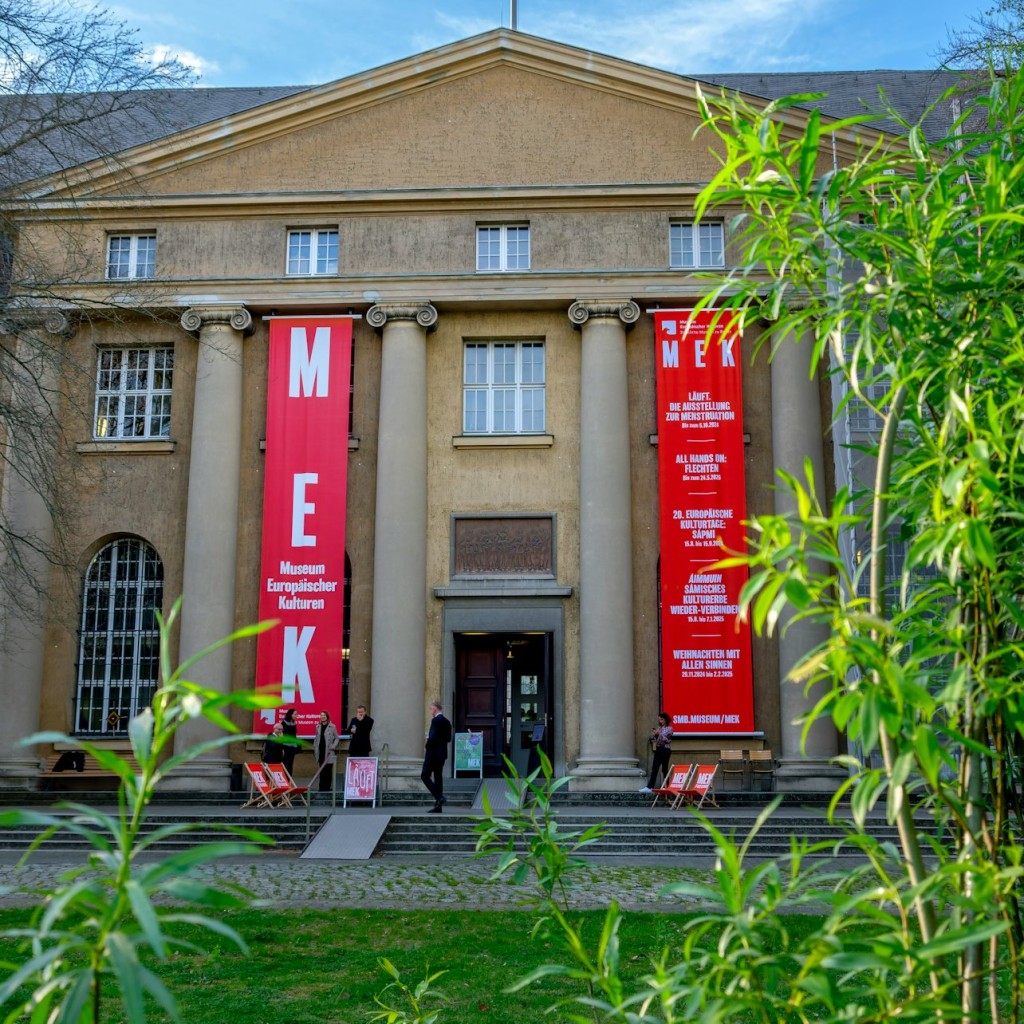
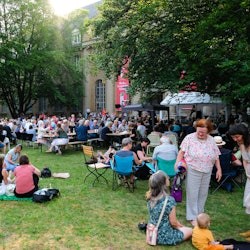
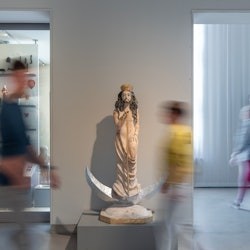
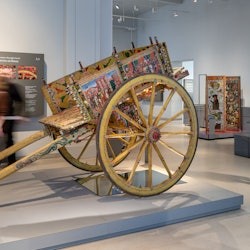
Explore captivating images from the Museum Europäischer Kulturen, showcasing its diverse collections and vibrant exhibitions.
Discover the rich tapestry of European traditions and everyday life at the Museum Europäischer Kulturen (MEK), located in the heart of Berlin. As part of the Staatliche Museen zu Berlin, MEK offers a unique perspective on the cultural diversity and shared heritage across Europe. Its extensive collections span from the 18th century to the present day, showcasing a wide array of objects, stories, and practices that define European identities. From traditional costumes and crafts to contemporary art and social phenomena, the museum invites visitors to explore the complexities and connections of European cultures. Plan your visit to immerse yourself in fascinating exhibitions that celebrate both the unique and universal aspects of life in Europe.
There is no formal dress code for visiting the Museum Europäischer Kulturen. Visitors are encouraged to wear comfortable clothing and footwear, as exploring the extensive exhibitions involves a fair amount of walking. As the museum is an indoor venue, attire suitable for a public space is generally appropriate.
The Museum Europäischer Kulturen (MEK) serves as a vibrant center for understanding the cultural landscapes of Europe. It delves into the daily lives, beliefs, and artistic expressions of various European regions, fostering a deeper appreciation for the continent's intricate cultural fabric. Through its dynamic exhibitions, MEK addresses themes such as migration, religion, urbanization, and folk art, illustrating how these elements have shaped and continue to shape European societies. The museum's approach is not just historical but also contemporary, presenting current social debates and cultural trends. It seeks to challenge preconceived notions of culture by showcasing both shared experiences and distinctive regional characteristics. Visitors can expect to engage with a diverse range of artifacts, interactive displays, and engaging narratives that bring European history and present-day life into focus, making it a compelling destination for anyone interested in culture and identity.
Booking your MEK - Museum of European Cultures: Entry Ticket online offers several advantages, ensuring a smoother and more convenient visit. By securing your ticket in advance, you can often save time by bypassing ticket lines upon arrival, especially during peak seasons or popular exhibition periods. Online booking provides the flexibility to choose your preferred visit date and time, helping you plan your itinerary more effectively. It also gives you peace of mind, knowing your entry is confirmed before you even set foot in the museum. This modern approach to ticketing allows you to focus more on anticipating the fascinating cultural journey ahead.
The Museum Europäischer Kulturen (MEK) has a fascinating history rooted in the evolving understanding of 'folk culture' and European identity. Its origins can be traced back to the Royal Museum of Ethnology, founded in Berlin in 1889, which initially focused on non-European cultures. However, by the early 20th century, there was a growing interest in collecting and preserving artifacts related to European popular culture and traditions. This led to the establishment of a dedicated European section. After World War II, the collections were divided between East and West Berlin. The West Berlin institution eventually merged with the former Museum for Folklore and Ethnology, leading to the creation of the Museum of European Cultures in its current form in 1999. This unification brought together extensive collections from various regions, allowing for a comprehensive study of European cultures from diverse perspectives, reflecting the dynamic changes in cultural anthropology and museology over more than a century.
The Museum Europäischer Kulturen typically operates from Tuesday to Sunday. Opening hours generally range from 10:00 AM to 6:00 PM on most days, with potential extended hours on Thursdays and earlier closing times on Sundays. The museum is usually closed to the public on Mondays and on certain public holidays. It is always advisable to consider that specific hours for public holidays or special events may differ.
To fully appreciate the diverse collections and exhibitions at the Museum Europäischer Kulturen without the rush of large crowds, planning your visit for a weekday morning is often recommended. Weekends and public holidays tend to attract more visitors, making the museum busier. Arriving shortly after opening allows for a more tranquil experience, giving you ample time to explore at your own pace. Evenings on extended opening days can also offer a quieter atmosphere. During off-peak seasons, the museum generally experiences fewer visitors throughout the week, providing a more intimate viewing experience.
Inside the Museum Europäischer Kulturen, visitors can explore a vast array of exhibits dedicated to the cultural heritage of Europe. The collections are organized thematically, covering aspects of everyday life, customs, and traditions from the 18th century to the present day. You'll find intricately crafted folk art, traditional costumes from various regions, and household items that tell stories of past generations. The museum also features exhibits on religious practices, seasonal festivals, and significant social changes that have influenced European societies. Beyond historical artifacts, MEK engages with contemporary issues, displaying modern artistic interpretations and addressing current debates on identity and migration within Europe. Interactive displays and multimedia installations further enhance the visitor experience, making the diverse cultural landscape accessible and engaging for all ages.
When planning your visit to the Museum Europäischer Kulturen, consider allocating at least two to three hours to explore the exhibitions thoroughly. The museum offers amenities such as a cloakroom for bags and coats, and sometimes a cafe where you can take a break. Photography without flash is generally permitted for personal use, but always respect any specific signage. The museum is usually wheelchair accessible, ensuring that all visitors can enjoy the exhibits. Guide maps are often available at the entrance to help navigate the different sections. Free Wi-Fi may be available in some areas, and restrooms are on site.
To ensure a pleasant experience for all guests and to protect the valuable artifacts, visitors are requested to follow certain guidelines. Large bags and backpacks may need to be stored in the cloakroom or lockers provided. Food and drinks are typically not allowed within the exhibition spaces. Please refrain from touching the exhibits unless explicitly stated. Running and loud conversations are discouraged to maintain a respectful atmosphere. Strollers are usually permitted, and assistance animals are welcome. Always follow the instructions of museum staff.
The Museum Europäischer Kulturen is undeniably worth visiting for anyone with an interest in the diverse and complex tapestry of European identity. It provides a unique lens through which to view the everyday lives, traditions, and artistic expressions that have shaped the continent over centuries. Unlike museums focusing solely on high art or specific historical events, MEK delves into the 'cultural glue' that binds and differentiates European communities. Its commitment to showcasing both historical artifacts and contemporary issues makes it highly relevant, offering valuable insights into shared heritage and modern societal debates. It's an enriching experience that broadens understanding and appreciation for European cultures.
The Museum Europäischer Kulturen (MEK) is a museum in Berlin dedicated to the cultural heritage and everyday life of Europe from the 18th century to the present day. It showcases the diversity and commonalities of European cultures.
MEK is located in Berlin, Germany, specifically at Arnimallee 25, in the Dahlem district. It is part of the Staatliche Museen zu Berlin (National Museums in Berlin).
You can see a wide range of exhibits including folk art, traditional costumes, crafts, household items, and displays on religious practices, festivals, and social developments. The museum also addresses contemporary European cultural topics.
Yes, the Museum Europäischer Kulturen is generally designed to be accessible for visitors with disabilities, including wheelchair users. Elevators and accessible restrooms are typically available.
Photography is usually permitted for personal use in most areas of the museum, but flash photography is generally prohibited to protect the exhibits. Always look out for specific signage regarding photography restrictions.
Most visitors spend approximately 2 to 3 hours exploring the various collections and temporary exhibitions at the Museum Europäischer Kulturen to get a comprehensive experience.
MEK often offers public guided tours in various languages, as well as specialized tours and workshops. It is recommended to check for current schedules or booking options for these services.
The Museum Europäischer Kulturen is situated in the Dahlem district of Berlin and is accessible via public transport. You can reach the museum by taking the U-Bahn (underground) line U3 to Dahlem-Dorf station, which is a short walk from the museum entrance. Alternatively, several bus lines also serve the area, providing convenient access from various parts of the city. Walking from the nearest public transport stops is straightforward, allowing visitors to easily reach the museum.
There is no formal dress code for visiting the Museum Europäischer Kulturen. Visitors are encouraged to wear comfortable clothing and footwear, as exploring the extensive exhibitions involves a fair amount of walking. As the museum is an indoor venue, attire suitable for a public space is generally appropriate.