


O que está incluído
- Entry Ticket to Berlin Samurai Museum
Capture the essence of Japan's warrior past with these glimpses into the Samurai Museum Berlin's extraordinary collection.
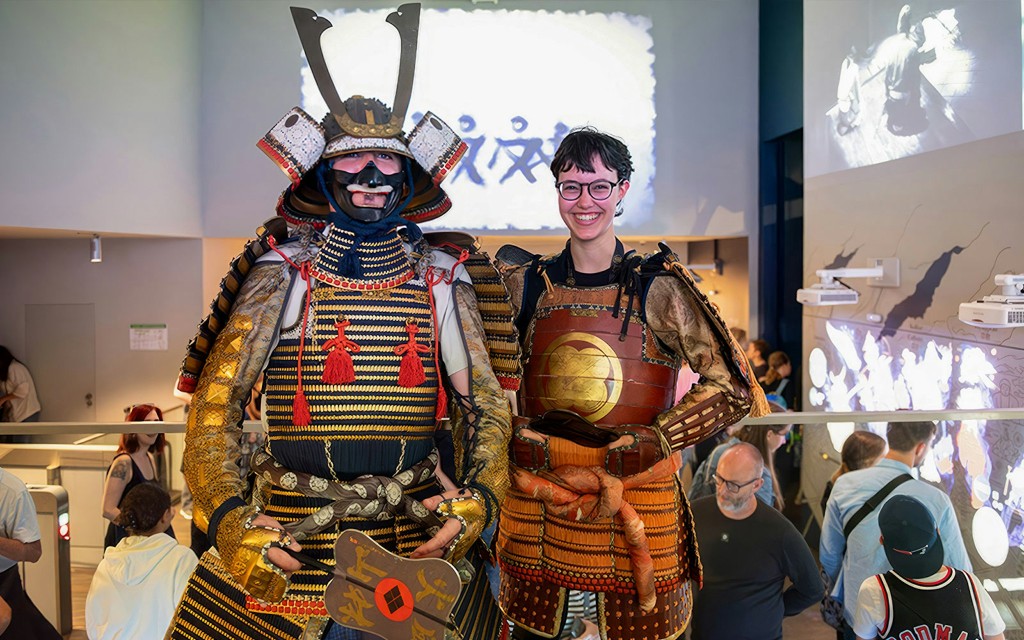
Step into a world of ancient honor and formidable craftsmanship at the Samurai Museum Berlin, a unique cultural institution dedicated to Japan's legendary warriors. This museum offers an unparalleled journey through the history, art, and philosophy of the samurai, showcasing an impressive collection of authentic artifacts. From intricately crafted armor and deadly katana swords to delicate tea ceremony utensils and historic woodblock prints, visitors gain deep insights into the lives and traditions of these iconic figures. The museum provides an immersive experience that goes beyond mere exhibition, offering a window into a pivotal era of Japanese history and its lasting impact on global culture.
There is no formal dress code for visiting the Samurai Museum Berlin. Casual and comfortable attire is recommended, allowing you to move freely and enjoy your exploration of the exhibits. Comfortable shoes are also advisable, as you will be on your feet for an extended period. Dress according to the weather conditions, particularly if you are visiting during colder months, as the museum environment is kept at a stable temperature for artifact preservation.
After placing your order, you'll receive a confirmation email with your ticket(s). Please be sure to check your spam folder as well.
PLAN YOUR VISIT HOURS:
Daily Opening Hours:
Monday to Sunday: 10:00 AM to 6:00 PM (Last admission at 5:00 PM)
Important Note: Security checks are mandatory for all visitors and may require a short wait.
Discover the Samurai Museum in Berlin-Mitte with this entry ticket. Explore a vast collection of armor, swords, and ceremonial spaces enriched by high-tech storytelling.
The Samurai Museum Berlin is Europe's only museum dedicated to the rich history and culture of Japan's legendary warrior class. Located in the heart of Berlin, the museum showcases an extensive collection of over 4,000 authentic samurai artifacts, offering visitors an immersive journey through more than a millennium of Japanese heritage.
The supplier will promptly send you an email with your entry ticket as soon as your reservation is confirmed.
It is not possible to skip the security lines. There could be a line at the entrance and is mandatory for all visitors.
Some areas may have limited accessibility. Please check the museum’s policies in advance if needed.
Photography is allowed in most areas but may be restricted in certain exhibits.
Follow all on-site health and safety guidelines.
Wear comfortable shoes, as the visit may involve walking and stairs.
Keep your ticket with you throughout your visit.
It is not possible to skip the security lines. There may be a line at the entrance, and security checks are mandatory for all visitors.
You will receive your e-ticket in the booking confirmation email (see more under HOW IT WORKS). The e-ticket needs to be presented at the museum.
No animals are allowed.
No live guide or meeting point is provided.
Receive Your Ticket
After booking, you’ll receive your entry ticket via email. Please check your spam folder/junk box as well.
Go Directly to the Entrance
Show your digital ticket at the entrance of each site. No need to queue for purchasing—just scan and enter.
Follow Site Rules
Respect each monument’s visiting hours, photography policies, and safety guidelines.
It is not possible to skip the security lines. There may be a line at the entrance, and security checks are mandatory for all visitors.
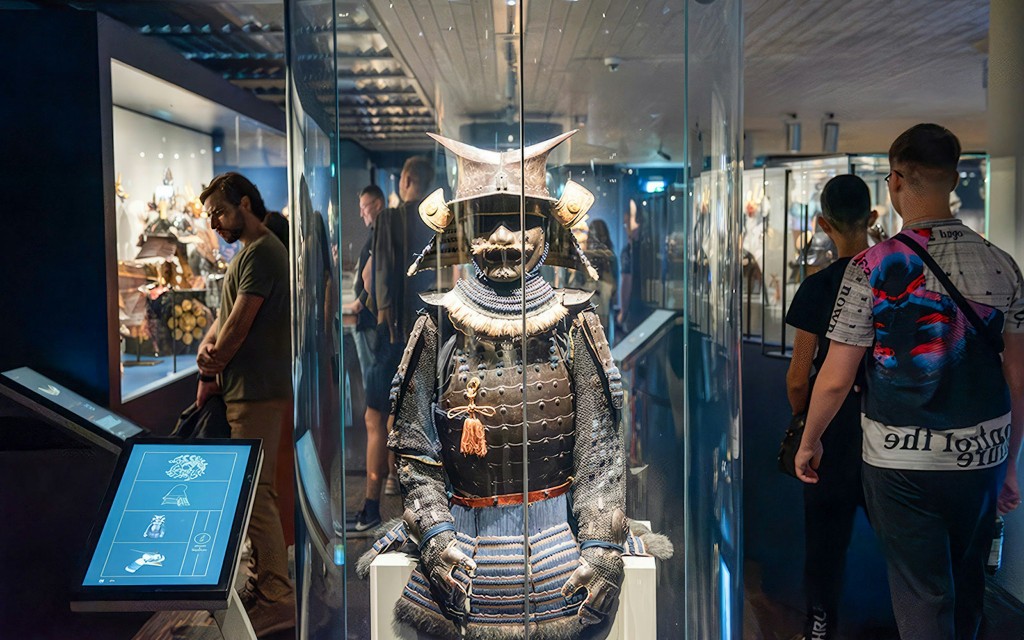
The Samurai Museum Berlin houses one of the most significant collections of samurai art and artifacts outside of Japan, making it a must-visit destination for anyone interested in Japanese history and culture. The extensive exhibition features over a thousand pieces, meticulously preserved and presented to tell the story of the samurai from the 13th century through to the Meiji Restoration. Visitors can admire complete sets of armor, each piece a testament to both protective function and artistic expression. The collection of katanas and other weaponry highlights the unparalleled skill of Japanese swordsmiths, renowned for their mastery of steel and design. Beyond the battlefield, the museum also explores the refined aspects of samurai life, including their deep appreciation for art, poetry, and the tea ceremony, providing a holistic view of their multifaceted existence. Interactive displays and engaging narratives ensure that visitors of all ages can connect with this fascinating historical period, understanding the codes of honor, loyalty, and discipline that defined the samurai.
Booking your tickets for the Samurai Museum Berlin online offers numerous advantages, ensuring a smooth and convenient visit. By purchasing your Berlin Samurai Museum Entry Ticket in advance, you secure your admission and can often benefit from skip-the-line access, saving valuable time, especially during peak hours. Online booking also provides flexibility, allowing you to choose dates and times that best suit your itinerary. Consider options like the Samurai Museum Berlin Flexiticket for added convenience or explore bundled offers such as the Upside Down Berlin + Samurai Museum ticket to enhance your Berlin experience. Pre-purchasing means less hassle upon arrival and more time to immerse yourself in the fascinating world of the samurai.
The Samurai Museum Berlin stands as a testament to a deep passion for Japanese warrior culture, originating from a private collection amassed over decades. The vision behind its establishment was to create a dedicated space where the rich and complex heritage of the samurai could be presented to a global audience, beyond the borders of Japan. This extensive collection, which forms the core of the museum, was meticulously gathered by an enthusiast driven by a profound admiration for the samurai's history, their craftsmanship, and their unique philosophical contributions. The museum's development aimed to bridge cultural gaps, offering insights into a civilization that valued both formidable martial prowess and refined artistic sensibilities. Its location in Berlin underscores the city's role as a vibrant international hub, providing an ideal setting to showcase this significant cultural legacy to visitors from around the world, making the ancient stories of honor and discipline accessible to contemporary minds.
The Samurai Museum Berlin is typically open daily, offering consistent hours for exploration. While specific times can vary, general operating hours are usually from 11:00 AM to 7:00 PM. It is advisable to consider potential variations on public holidays or for special events, and some days may have extended or reduced hours.
For the most comfortable and intimate experience at the Samurai Museum Berlin, consider visiting during weekday mornings or late afternoons. Weekends and public holidays tend to be busier, especially during midday. Arriving shortly after opening or an hour or two before closing allows for a quieter exploration of the exhibits, enabling you to take your time and fully appreciate the intricate details of the artifacts. Traveling during the shoulder seasons (spring and autumn) can also result in fewer crowds compared to the peak summer months.
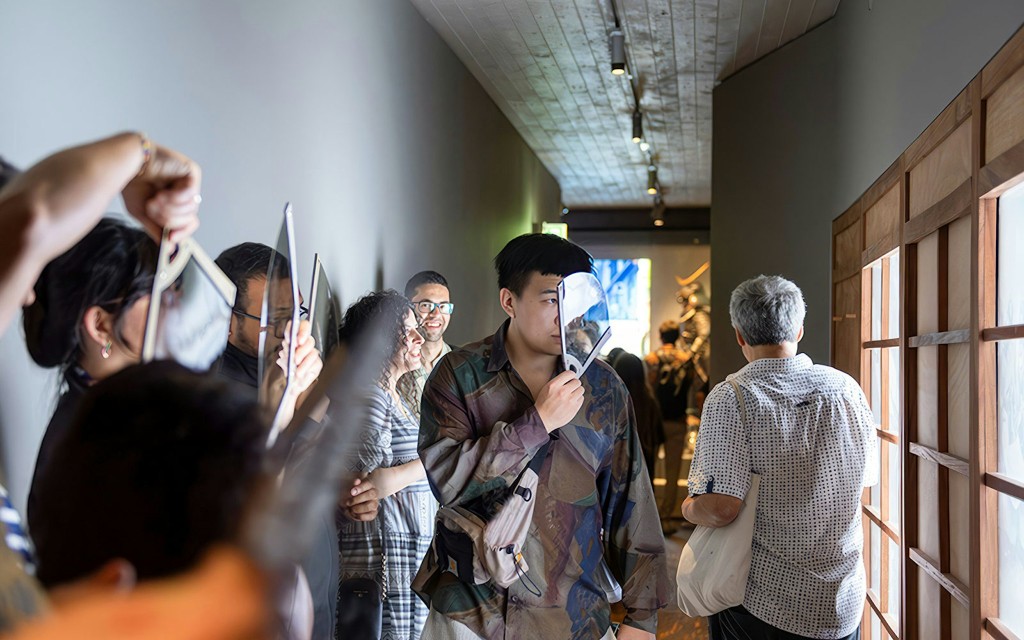
Inside the Samurai Museum Berlin, visitors are greeted by an extraordinary array of artifacts that bring the world of the samurai to life. The collection spans various periods, offering a chronological journey through samurai history. Key attractions include magnificent full suits of samurai armor, crafted from lacquer, metal, and silk, each representing different clans and eras. The impressive display of Japanese swords, from the revered katana to wakizashi and tanto, showcases intricate forging techniques and the artistry of legendary bladesmiths. Beyond weaponry, the museum also features beautiful samurai helmets (kabuto), masks (menpo), and banners (sashimono). Additionally, visitors can explore everyday items, equestrian equipment, tea ceremony tools, and ukiyo-e woodblock prints, all of which provide context to the samurai's cultural and spiritual world. Interactive multimedia installations further enhance the understanding of these historical treasures.
Before your visit, consider purchasing your tickets online to save time and potentially benefit from combined ticket offers. Photography without flash is generally permitted for personal use, but always respect any specific signage. The museum is equipped with amenities for visitors, including restrooms and a gift shop where you can find unique souvenirs related to samurai culture. While the museum is generally accessible, it is advisable for visitors with specific mobility needs to inquire about facilities in advance. Plan to allocate approximately 1.5 to 2 hours for a thorough exploration of the exhibits. Lockers for coats and bags may be available, enhancing your comfort during the visit.
To ensure a pleasant experience for all visitors and to protect the valuable artifacts, certain rules are in place. Please refrain from touching any exhibits, as oils and dirt from hands can cause irreversible damage. Food and drinks are generally not allowed inside the exhibition areas. Large bags, backpacks, and bulky items may need to be stored in designated locker areas or checked at the entrance. Maintain a respectful noise level throughout the museum, and be mindful of other visitors. Running is prohibited, and children should be supervised at all times.
The Samurai Museum Berlin is definitely worth visiting for anyone with an interest in Japanese history, martial arts, or exquisite craftsmanship. It offers a rare opportunity to see such a vast and high-quality collection of samurai artifacts in Europe, providing a truly immersive cultural experience. The museum's ability to combine historical facts with engaging presentations makes it educational and entertaining for all ages. Whether you are captivated by the legendary katana, the intricate details of ancient armor, or the philosophical underpinnings of the samurai code, this museum delivers a comprehensive and enriching insight into a fascinating civilization. It's an enriching addition to any Berlin itinerary.
The museum features an extensive collection of over 1,000 artifacts, including samurai armor, helmets, masks, legendary katana swords, other weaponry, tea ceremony utensils, woodblock prints, and various cultural items.
Yes, the museum offers engaging exhibits and interactive elements that can be fascinating for visitors of all ages, including children. It's an educational and visually stimulating experience.
Most visitors spend approximately 1.5 to 2 hours exploring the entire collection and engaging with the exhibits.
Information on guided tours may be available upon arrival or through prior inquiry. The museum offers detailed descriptions for each exhibit to enhance your self-guided experience.
Yes, tickets can typically be purchased at the museum entrance, but booking online in advance is recommended to ensure entry and potentially save time.
Photography for personal use is generally allowed without flash. Please be mindful of other visitors and respect any specific signage regarding photography in certain areas.
The museum primarily focuses on its exhibits. While there might not be extensive dining facilities on-site, there are usually refreshment options and a gift shop available.
The Samurai Museum Berlin is well-connected by public transport. Visitors can reach it easily via various U-Bahn and S-Bahn lines, with several stations located within a short walking distance. Bus services also operate routes nearby, providing convenient access to the museum. We recommend using Berlin's efficient public transportation network for ease of travel to the museum's central location.
There is no formal dress code for visiting the Samurai Museum Berlin. Casual and comfortable attire is recommended, allowing you to move freely and enjoy your exploration of the exhibits. Comfortable shoes are also advisable, as you will be on your feet for an extended period. Dress according to the weather conditions, particularly if you are visiting during colder months, as the museum environment is kept at a stable temperature for artifact preservation.