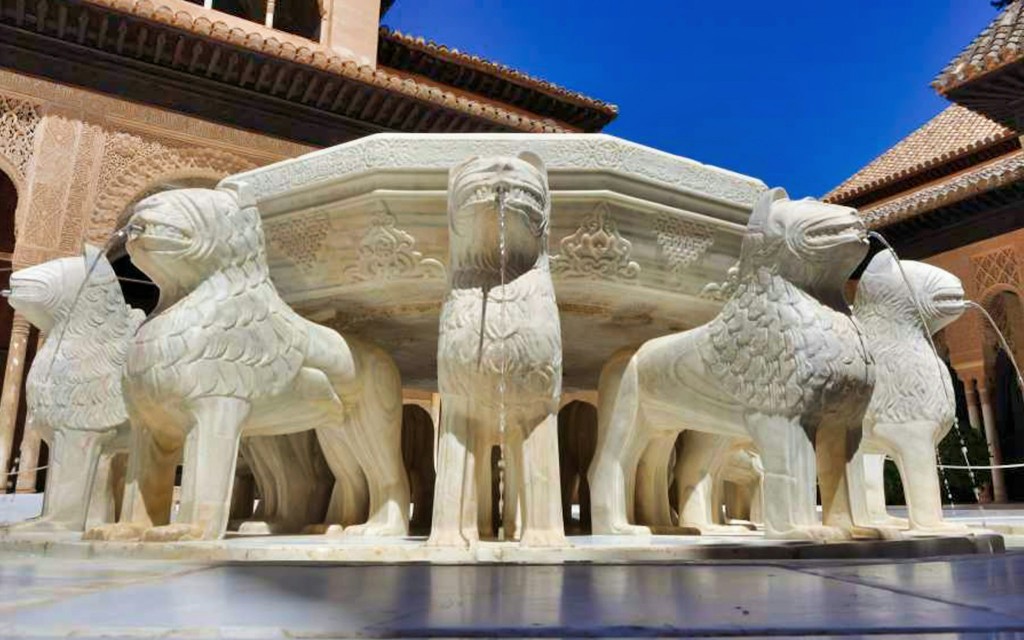
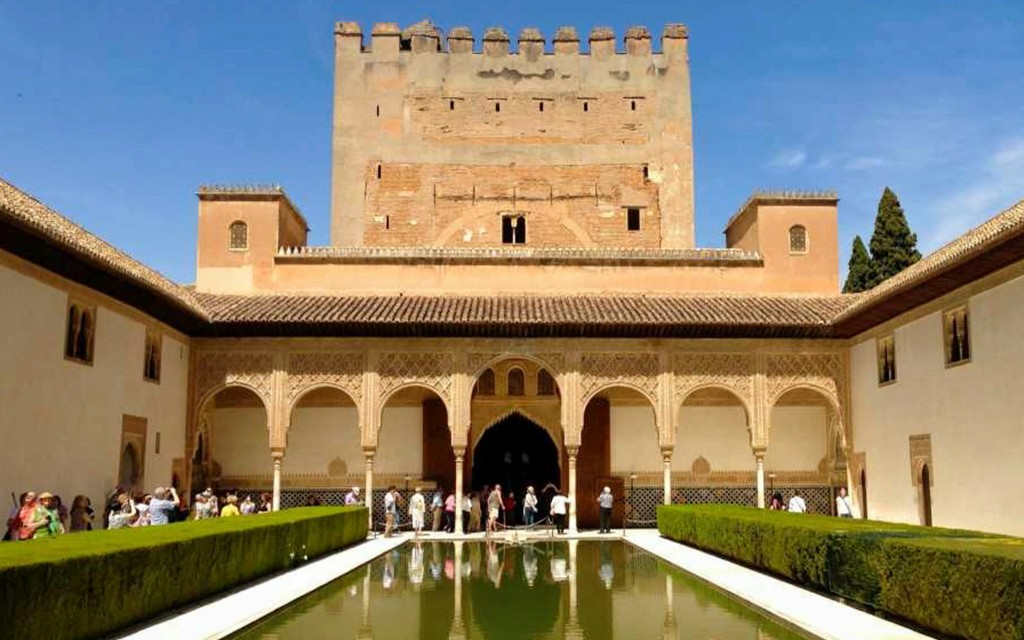
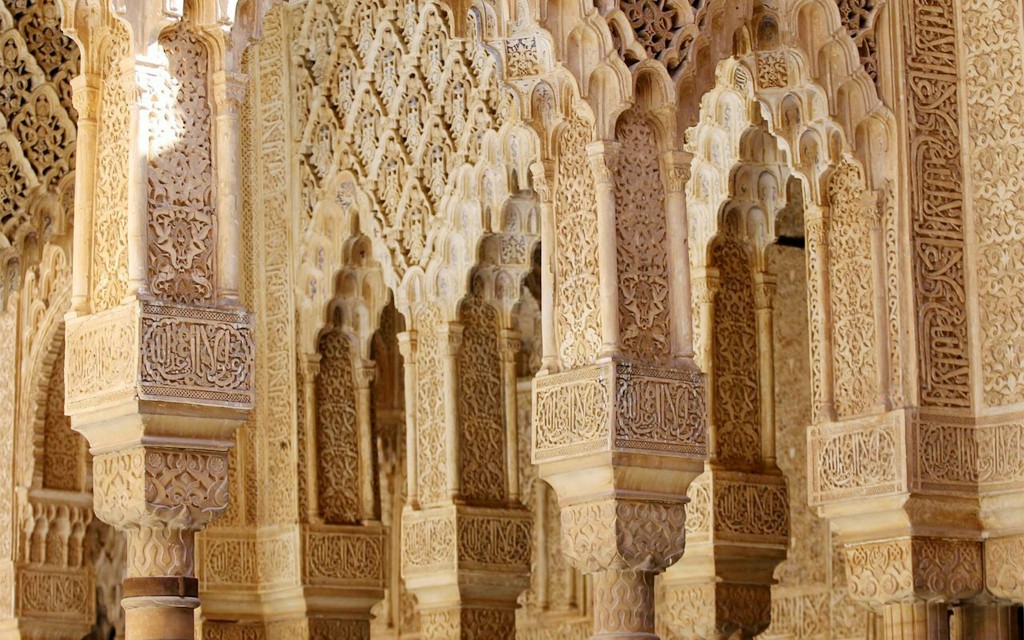
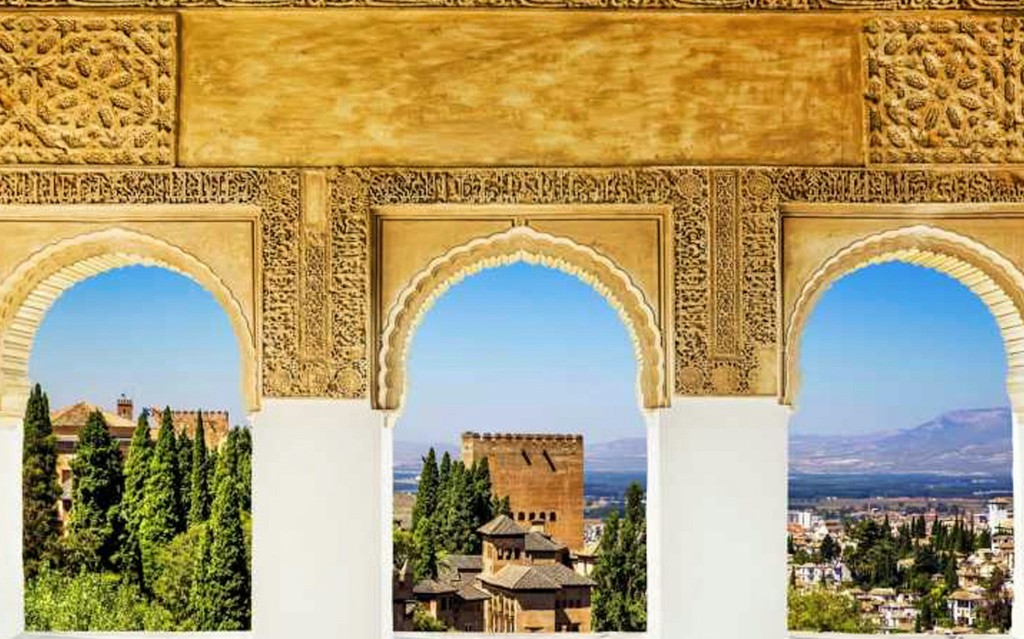
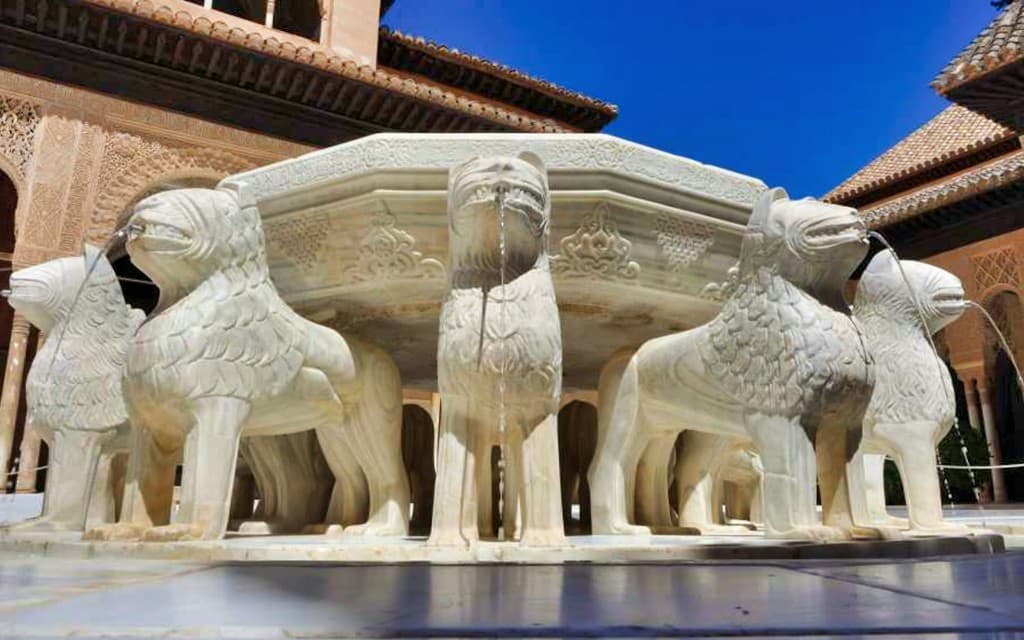
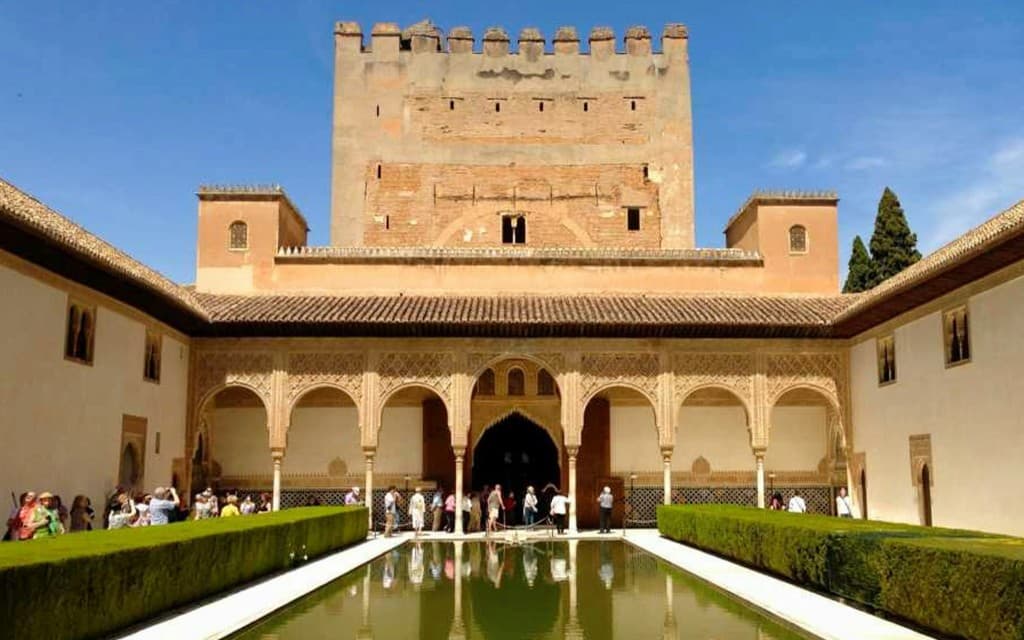
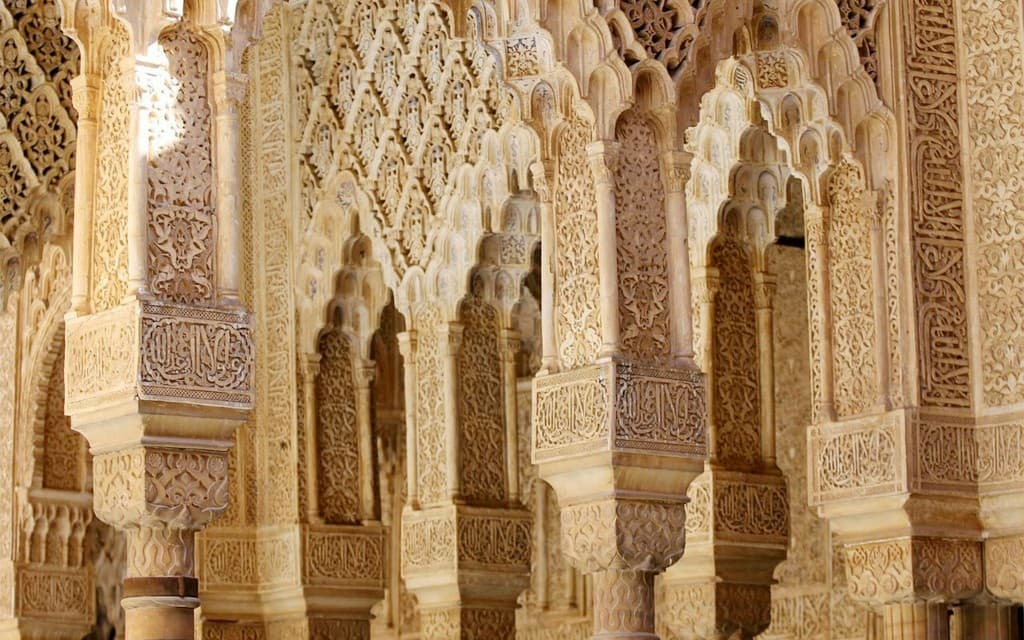
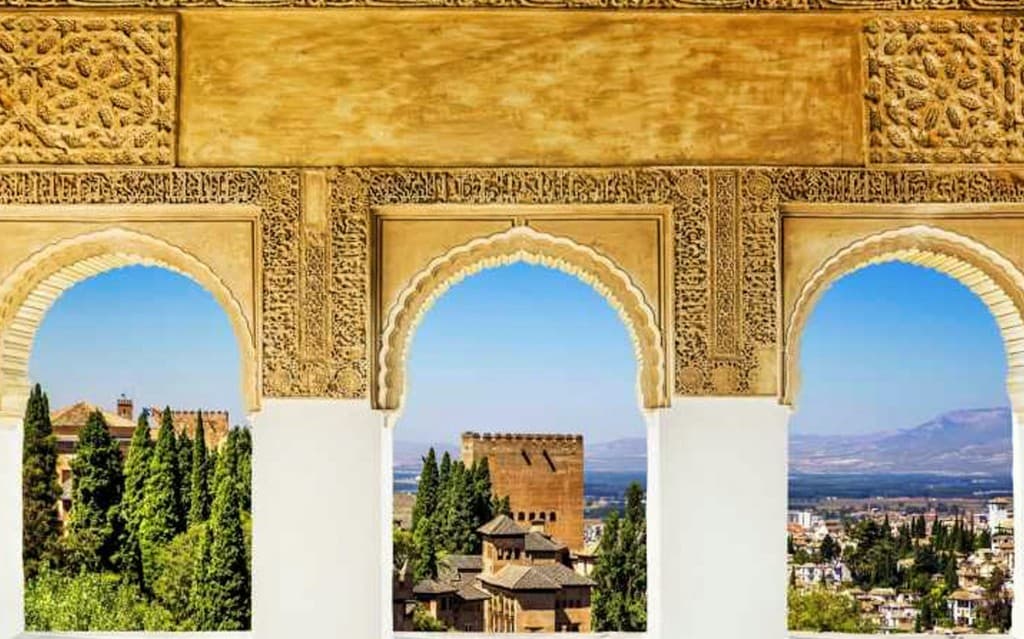
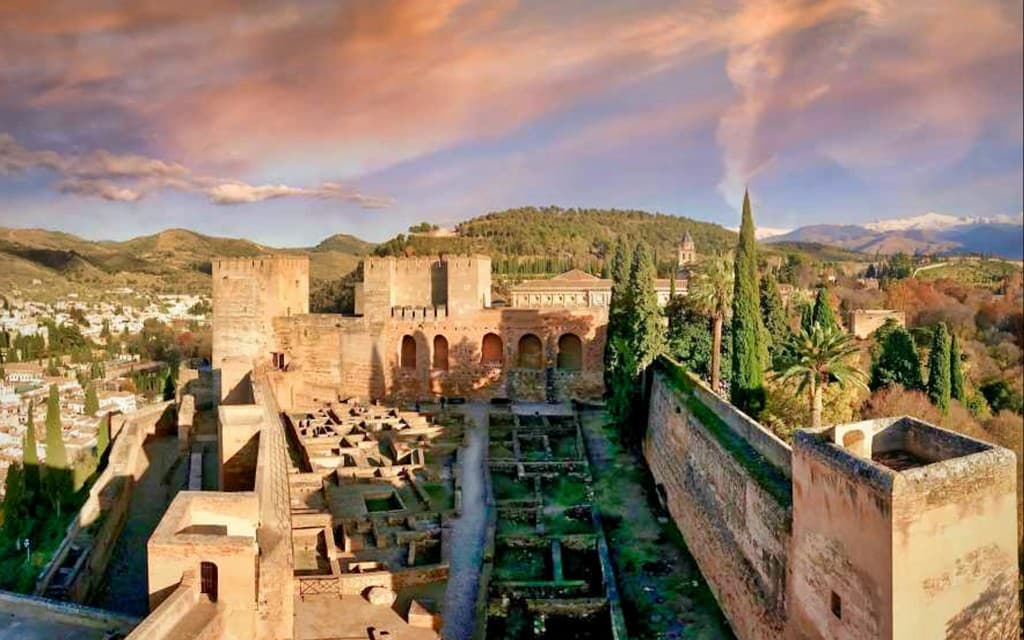
The history of the Alhambra spans centuries, beginning in the 9th century with the construction of a fortress on the site. In the 13th century, the Nasrid dynasty transformed it into a palatial city. Under the rule of Muhammad I Ibn al-Ahmar, the Alhambra became the royal residence and a symbol of the Nasrid dynasty's power and cultural influence. The Alhambra reached its zenith in the 14th century under Yusuf I and Muhammad V, who were responsible for many of its most iconic structures, including the Palace of Comares and the Court of the Lions. The intricate stucco work, elaborate tile mosaics, and sophisticated water systems showcase the advanced artistry and engineering of the time.
In 1492, the Catholic Monarchs, Ferdinand and Isabella, captured Granada, bringing an end to Moorish rule in Spain. The Alhambra then became a royal palace. Charles V later added a Renaissance-style palace to the complex in the 16th century, creating a blend of architectural styles. The Alhambra has undergone several restorations and preservations, solidifying its status as a UNESCO World Heritage Site and a testament to the rich and complex history of Spain.