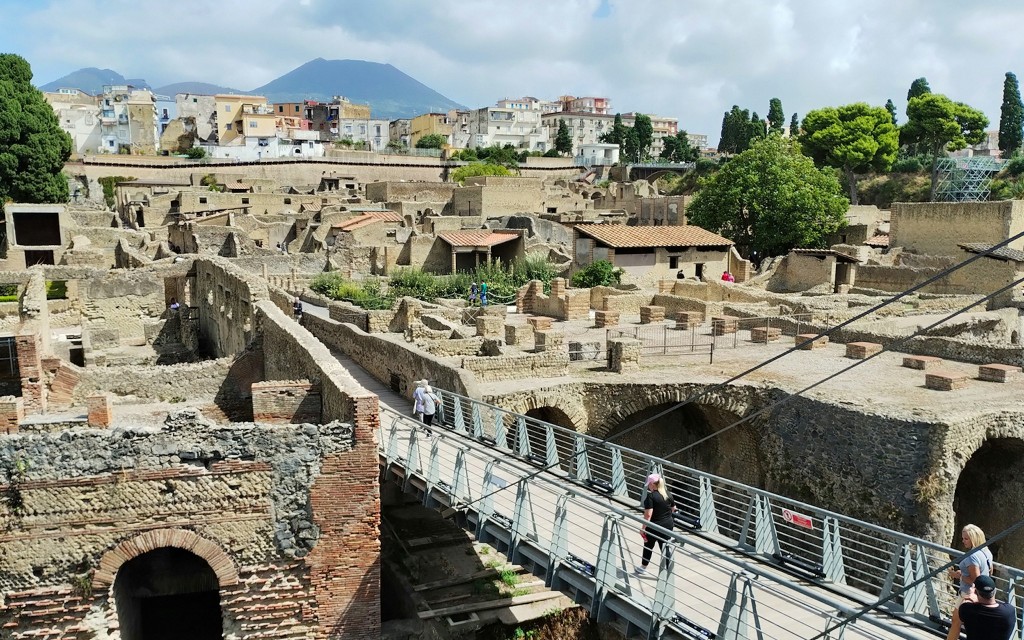
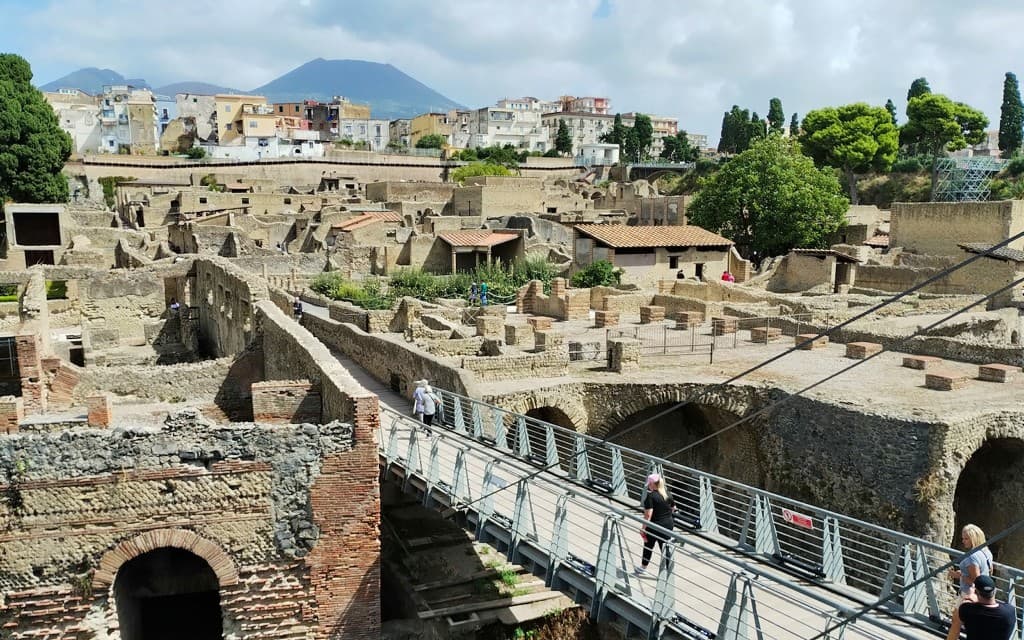
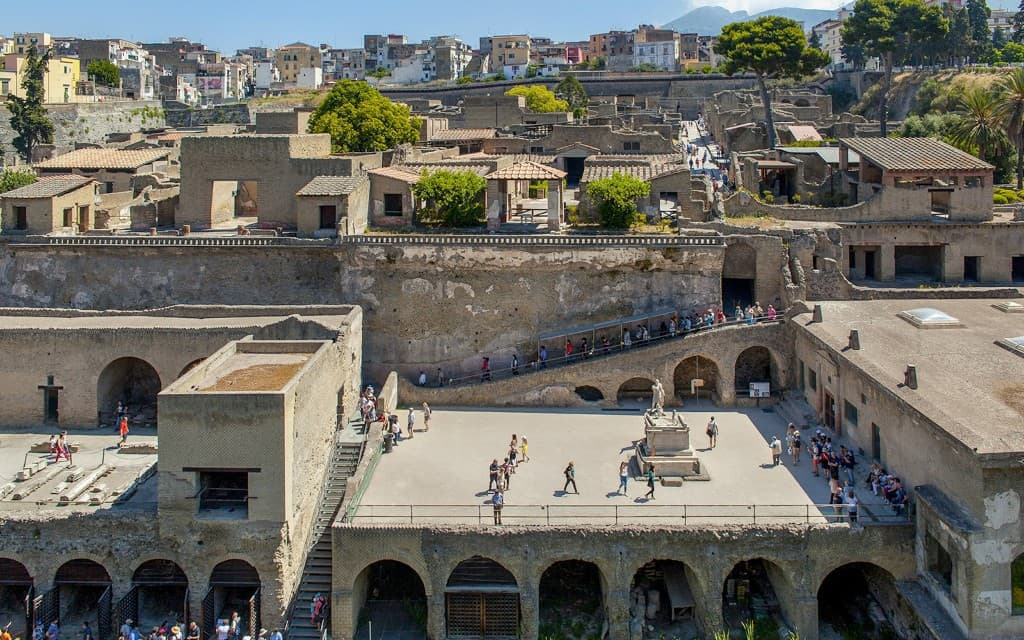
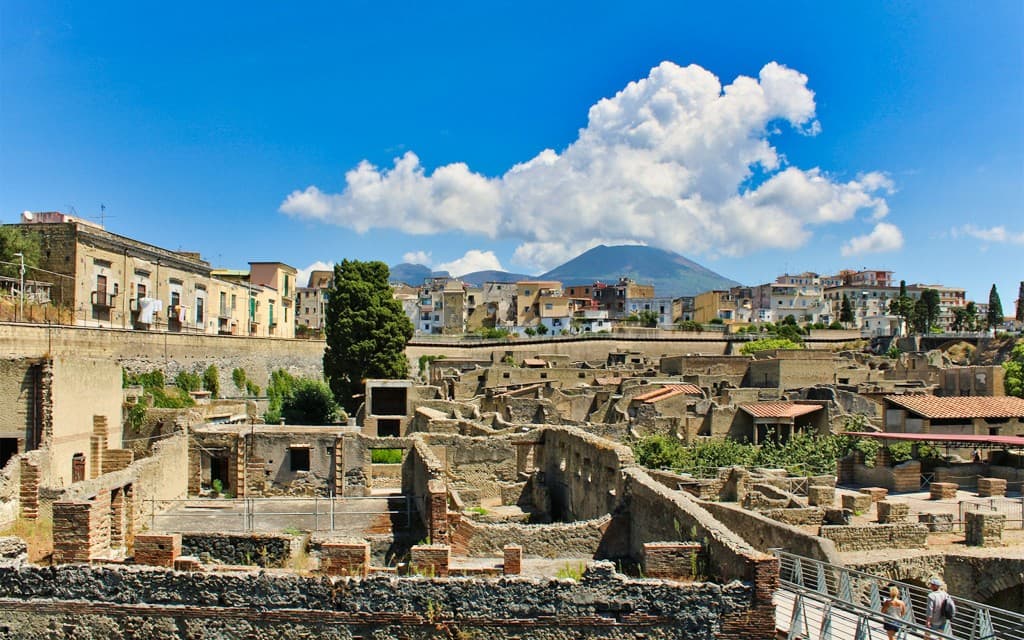
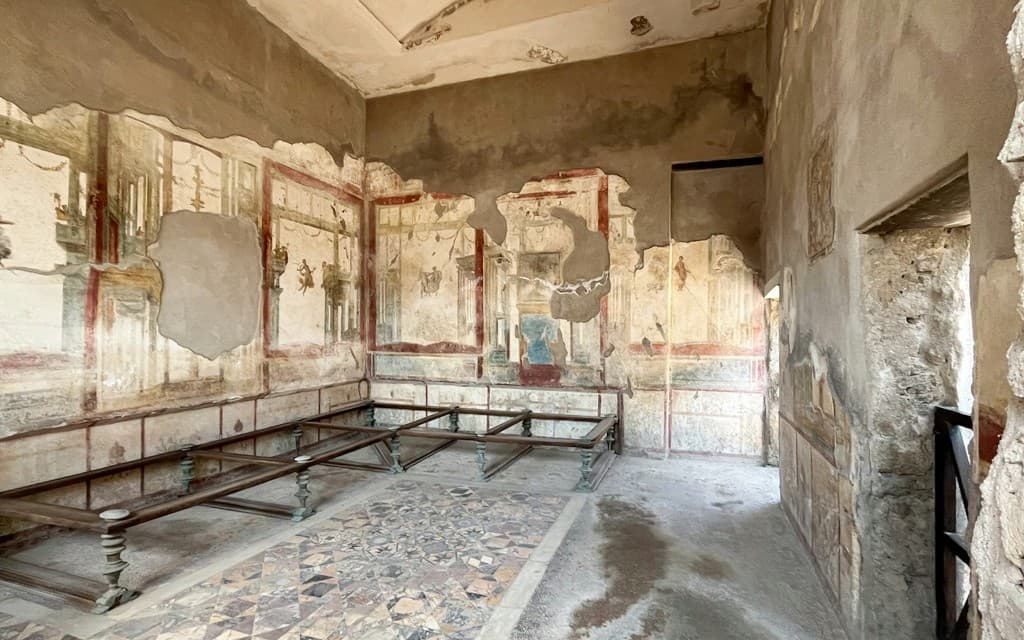
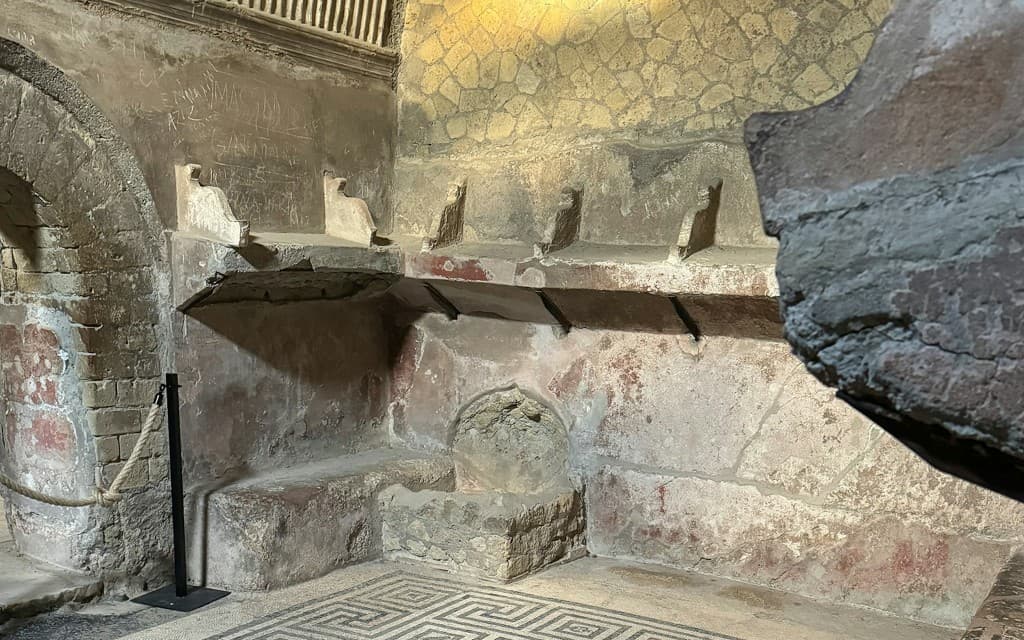
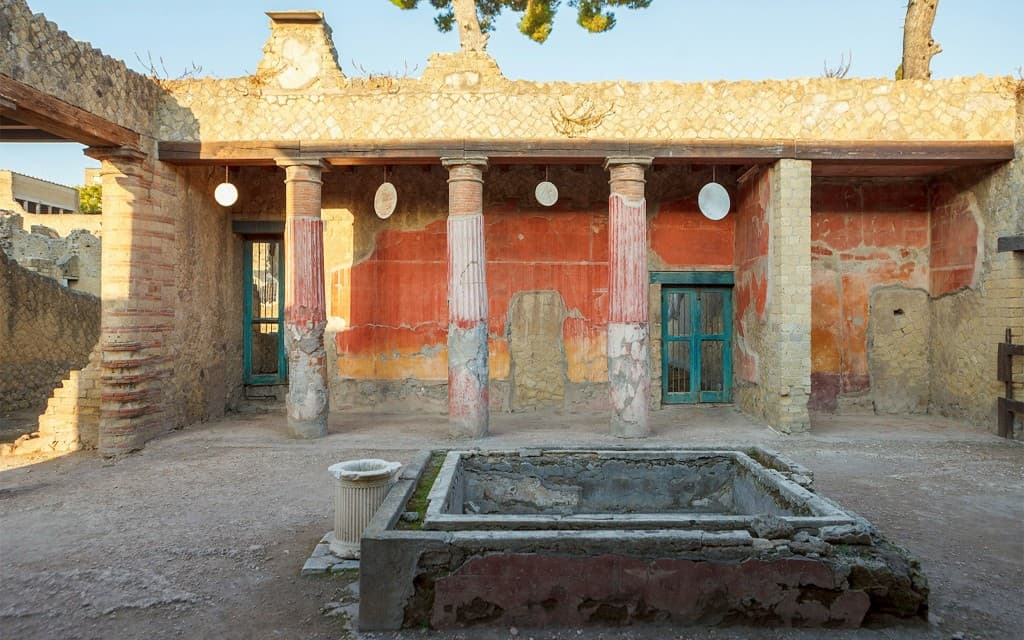
Herculaneum, according to legend, was founded by Hercules and later became a Roman town. It was a wealthy residential area, favored by affluent Romans who built lavish villas along the coast. In 79 AD, the eruption of Mount Vesuvius buried Herculaneum under a thick layer of pyroclastic material, preserving the town in remarkable condition.
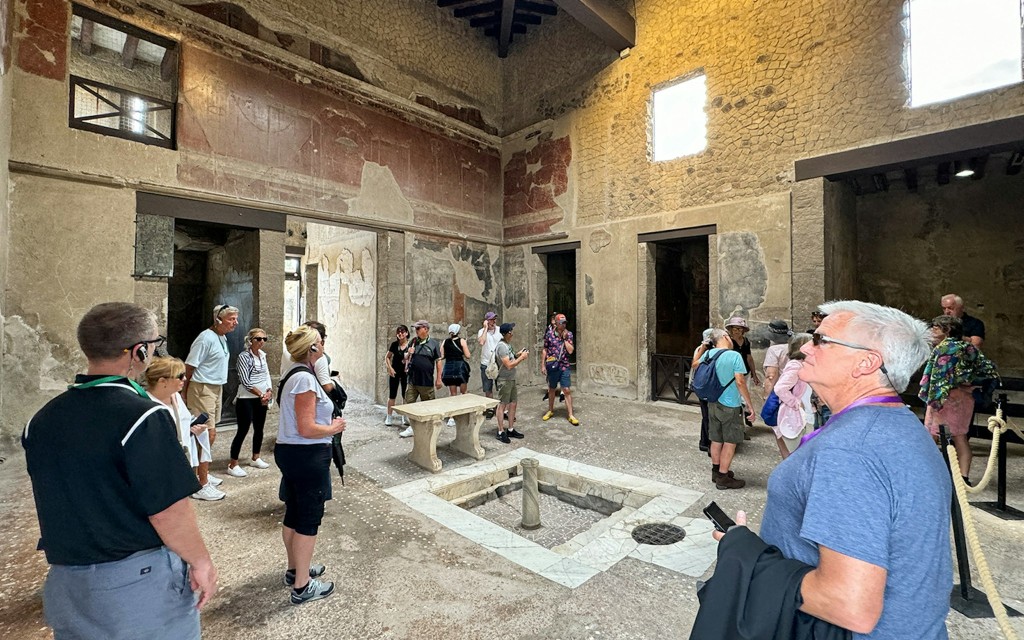
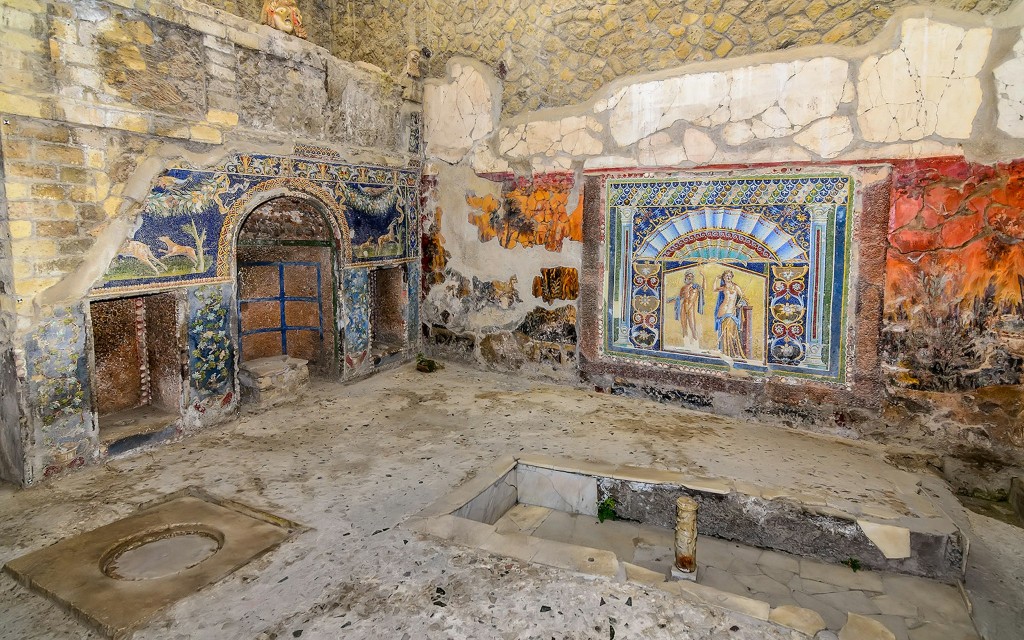
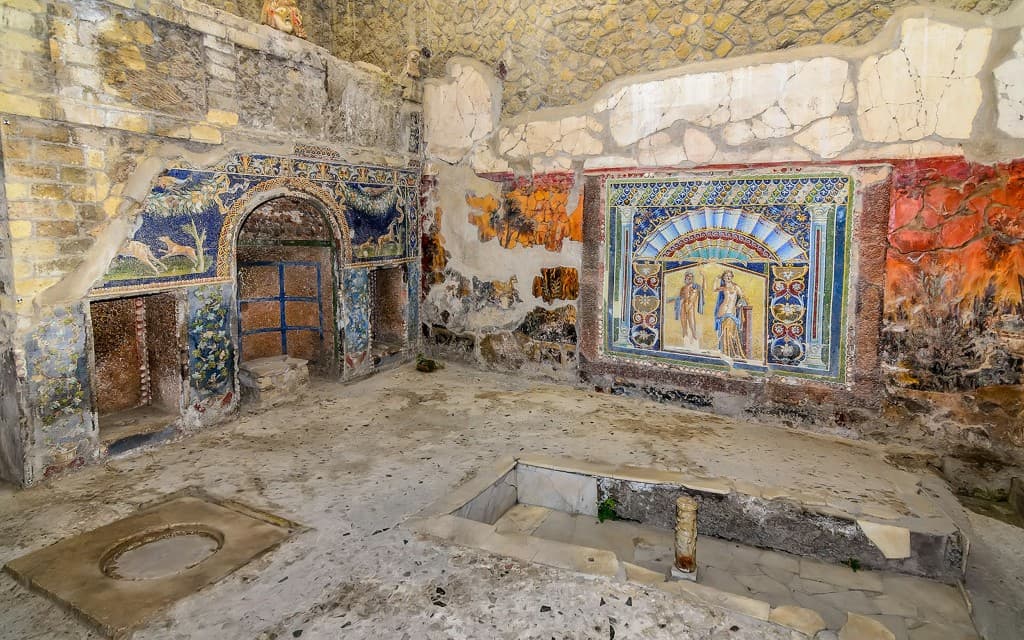
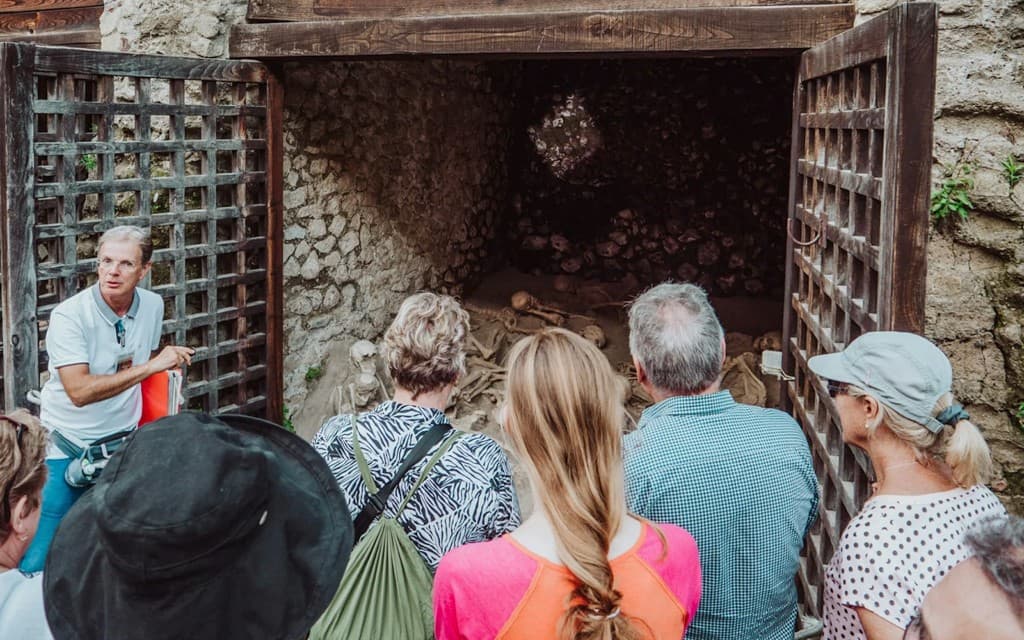
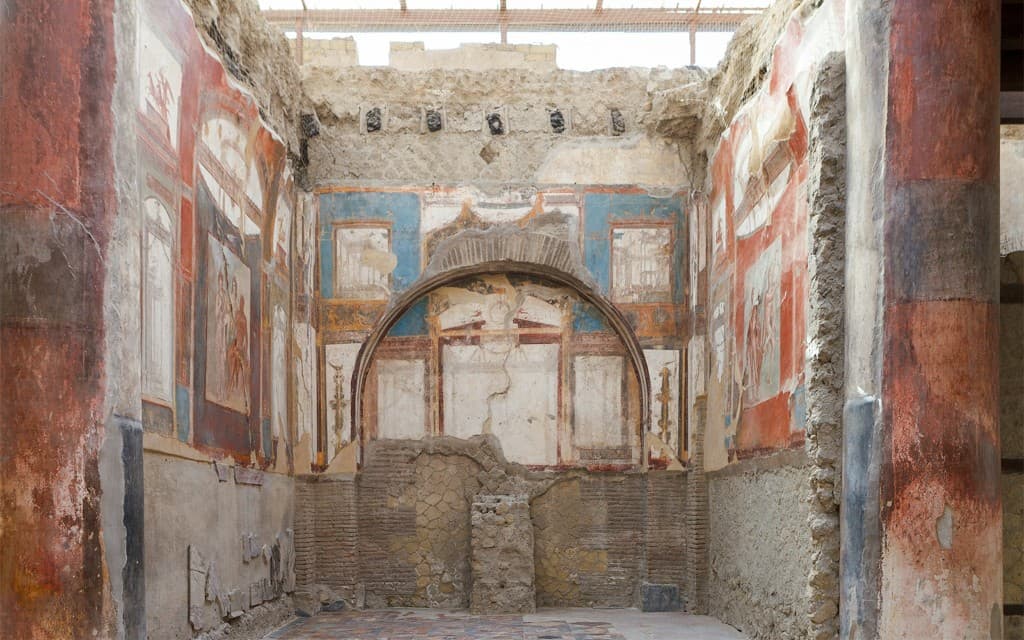
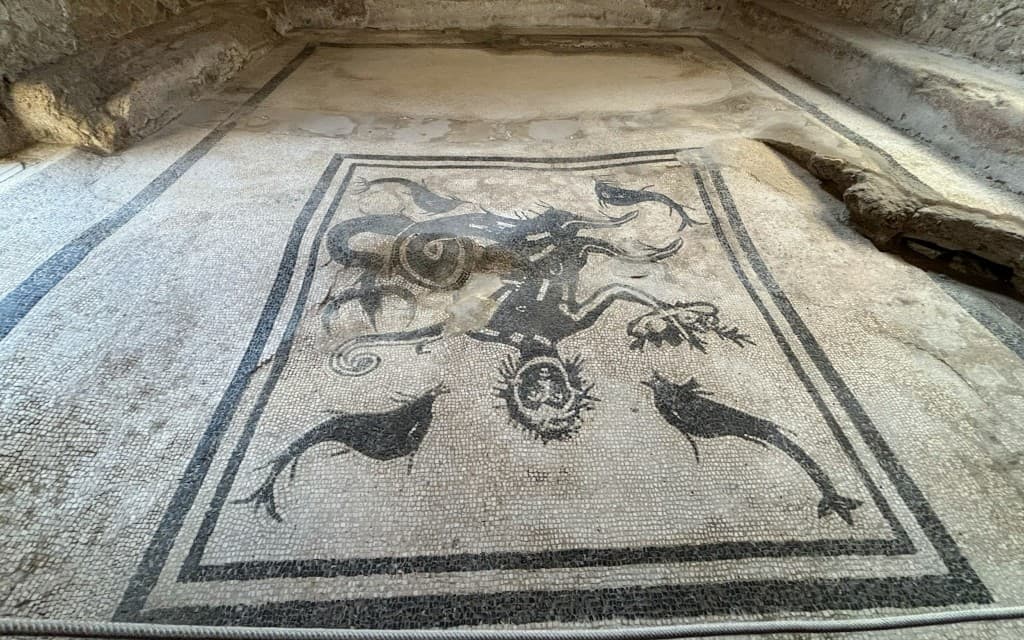
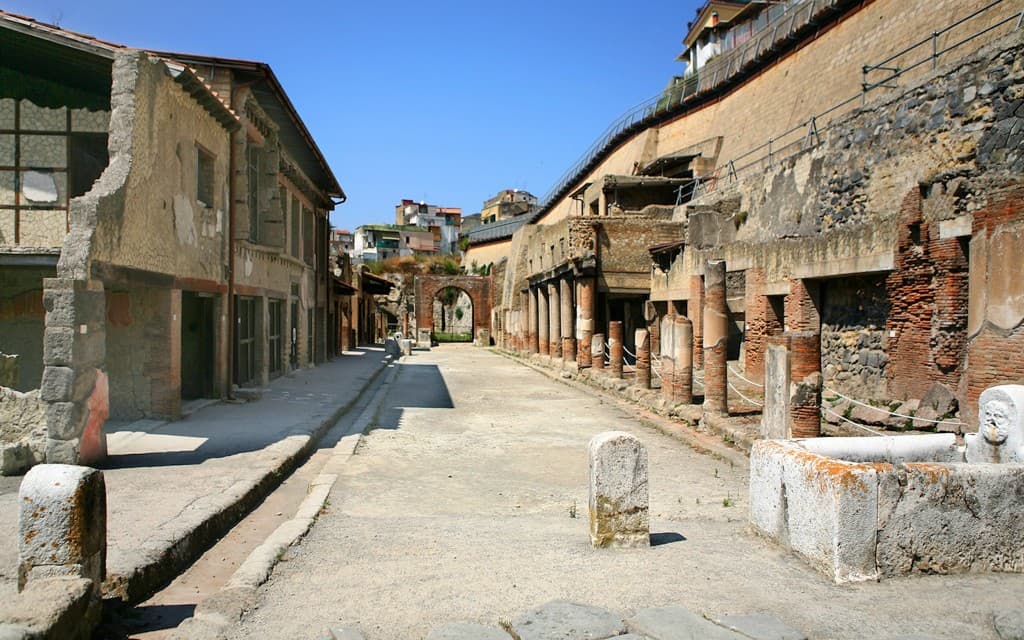
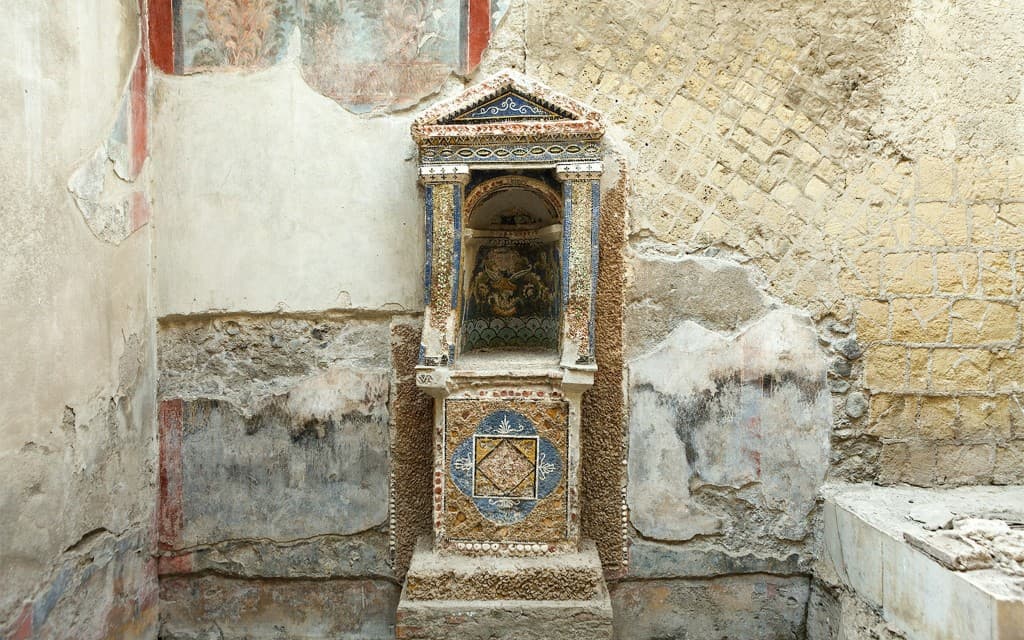
The site was rediscovered in the 18th century during the digging of a well. Formal excavations began, revealing remarkably intact buildings, frescoes, and artifacts. Unlike Pompeii, which was primarily buried by ash and pumice, Herculaneum was sealed by a superheated surge, which carbonized organic materials, preserving wood, fabric, and even food. This has provided invaluable insights into daily life in a Roman town.
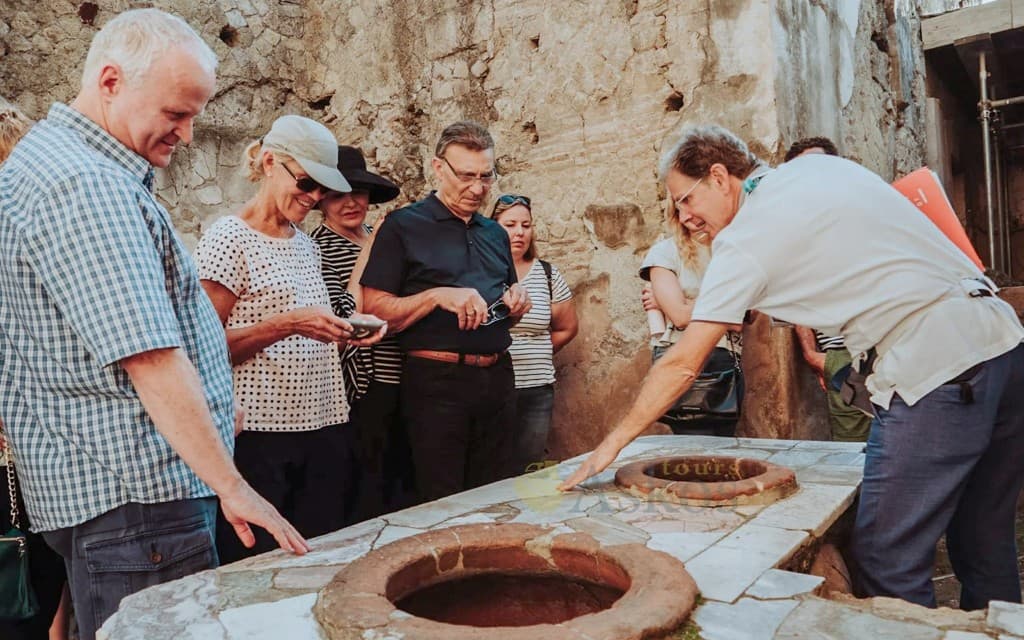
Today, the Archaeological Park of Herculaneum is a UNESCO World Heritage site, attracting visitors from around the globe. Ongoing excavations and research continue to uncover new details about the town and its inhabitants, making it a dynamic and ever-evolving historical site.