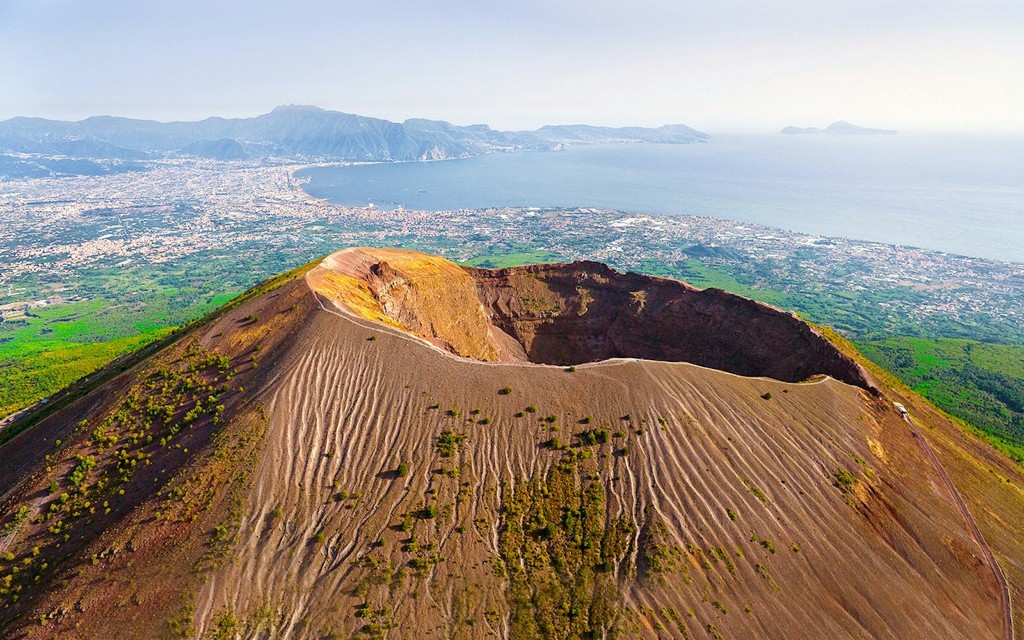
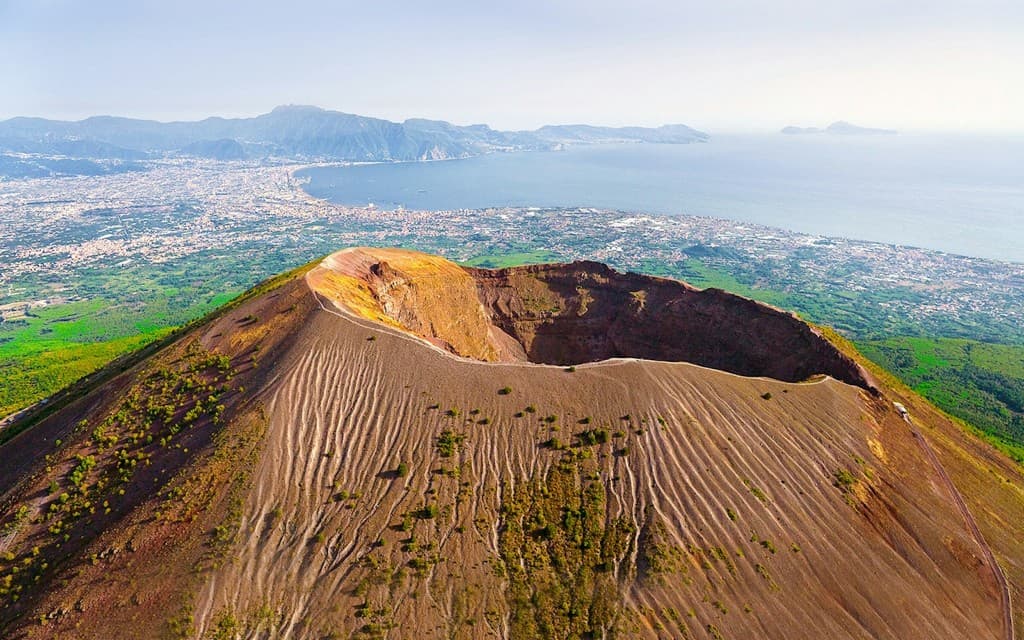
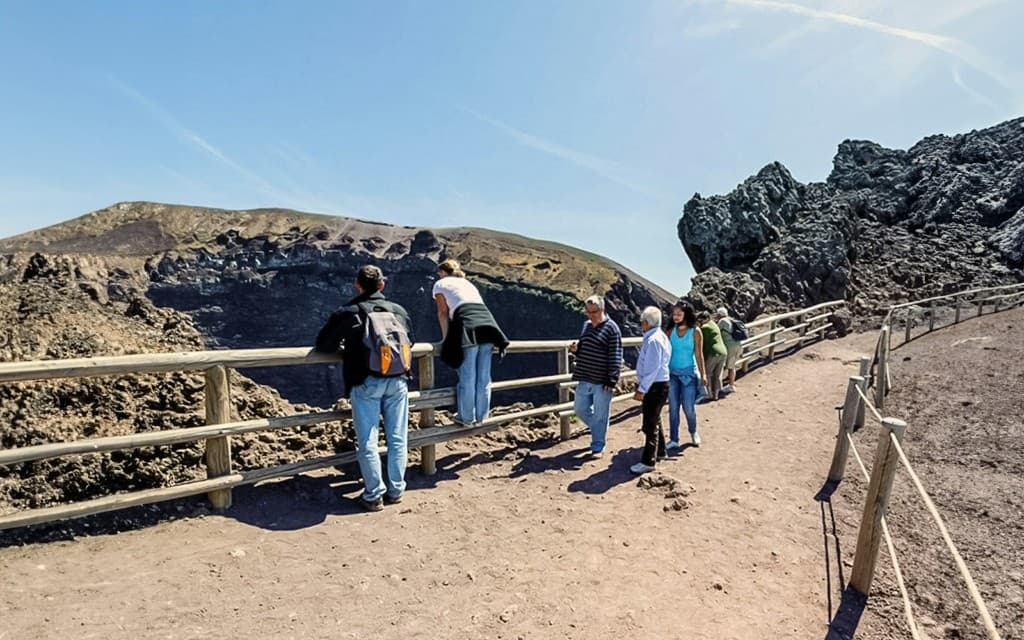
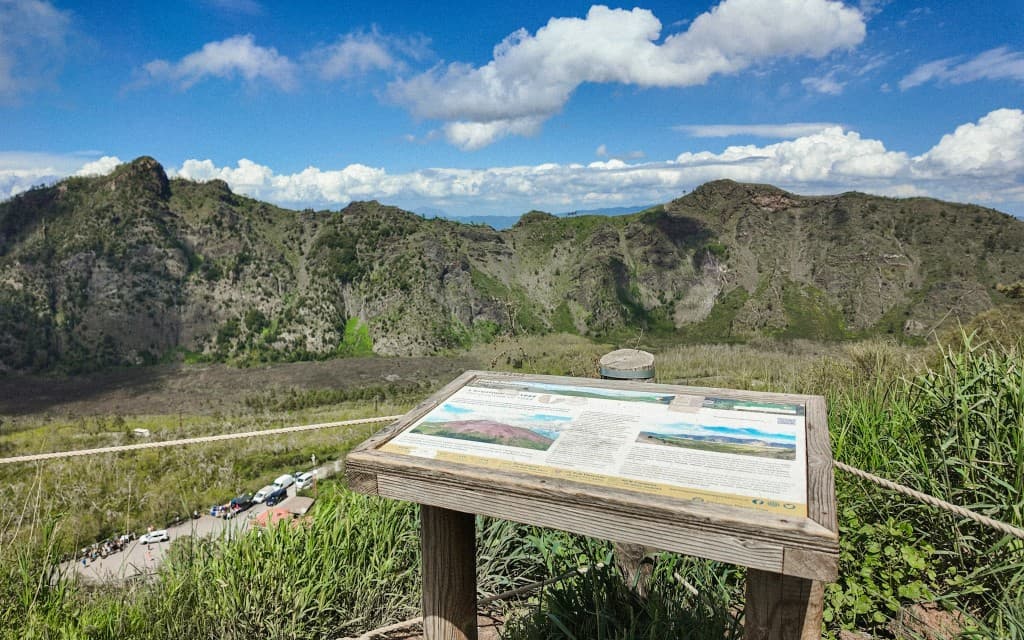
Mount Vesuvius has a long and dramatic history, most notably marked by the catastrophic eruption of 79 AD. This event buried the Roman cities of Pompeii and Herculaneum under ash and pumice, preserving them in a unique time capsule. The eruption forever changed the region's landscape and the course of its history.
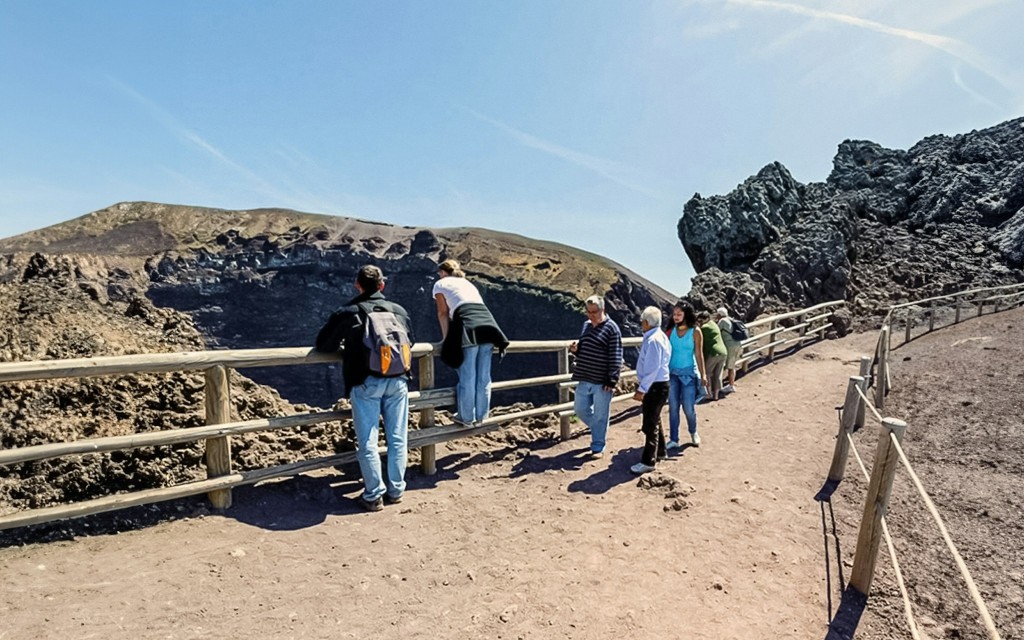
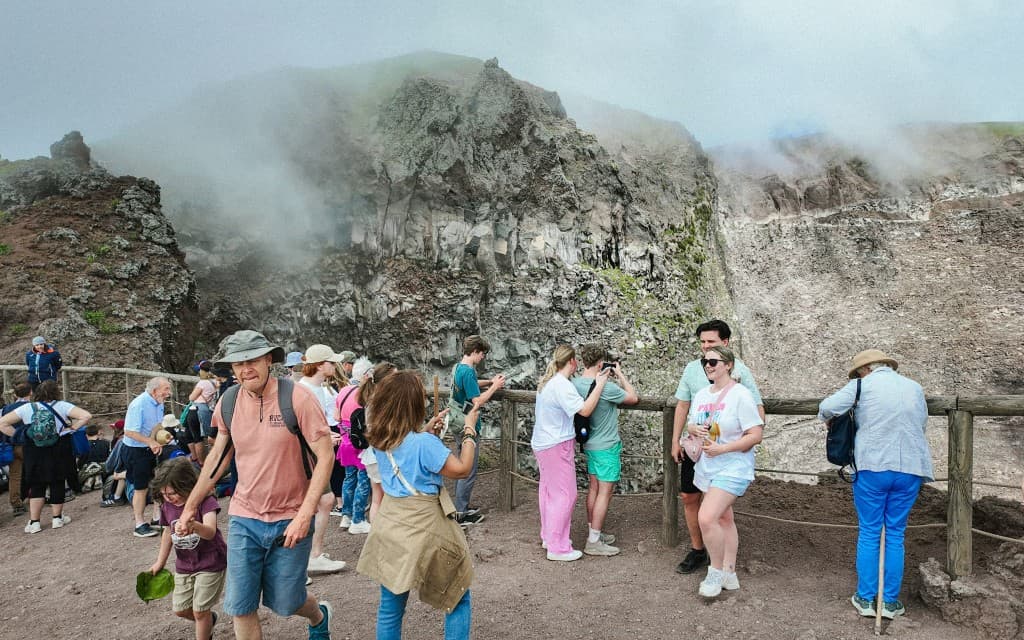
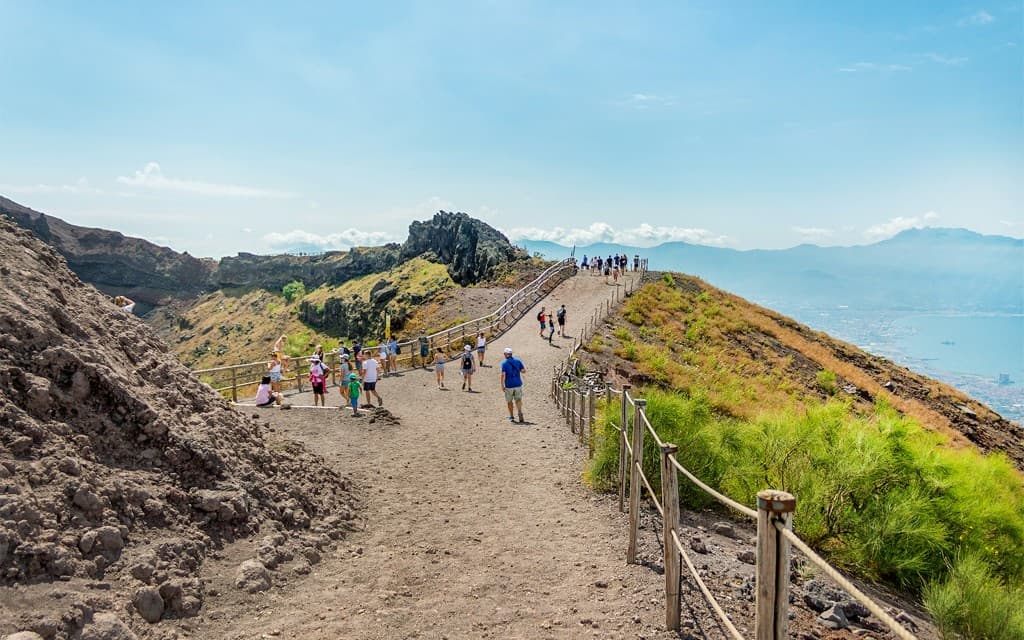
Vesuvius has erupted many times since then, with significant events in 1631, 1794, 1872, 1906 and 1944. It is still an active volcano, closely monitored by volcanologists. Today, Mount Vesuvius is a reminder of the immense forces that shape our planet. Its slopes, once covered in vineyards, continue to attract scientists, historians, and tourists from around the globe.