

O que está incluído
- Lunch
- Local Expert Guide
- Sightseeing Bus Tour
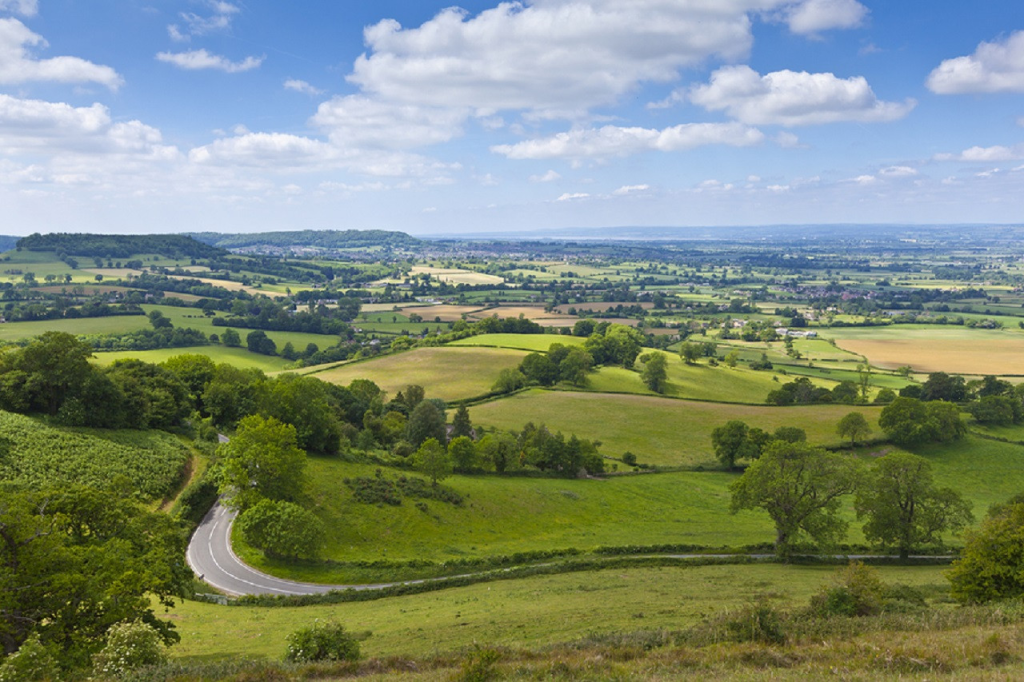
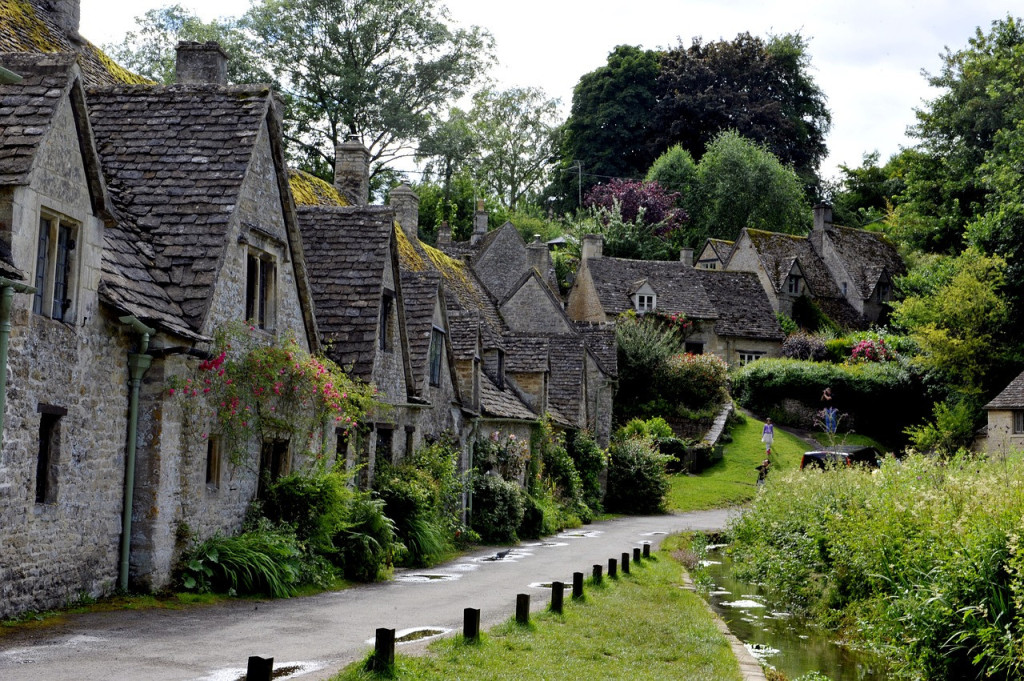
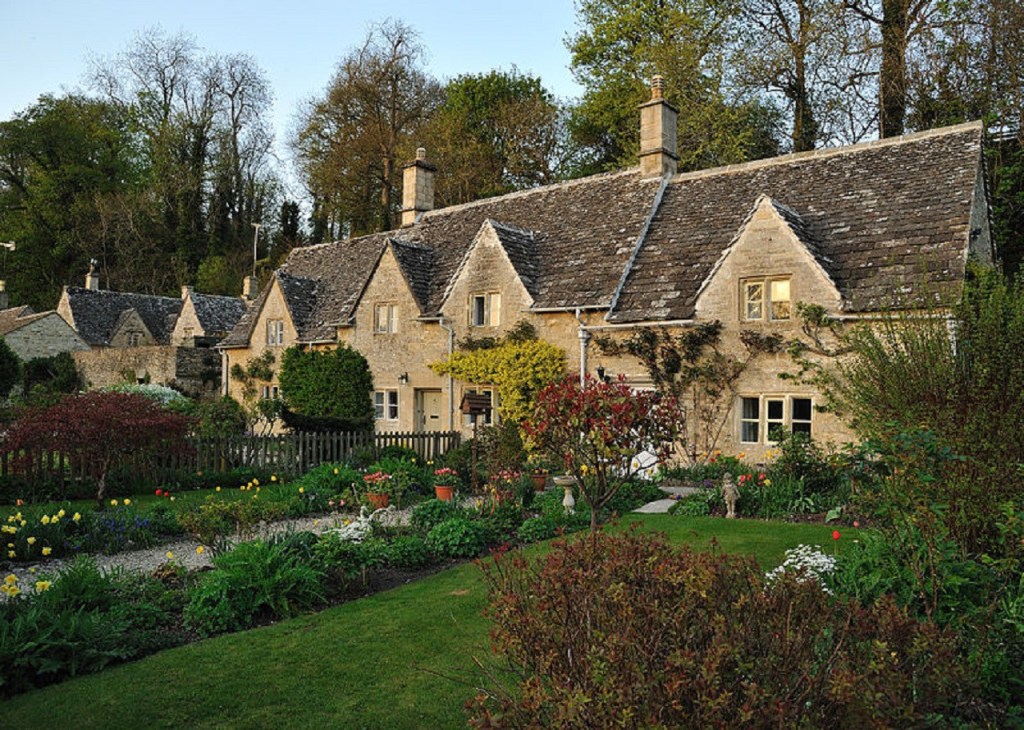
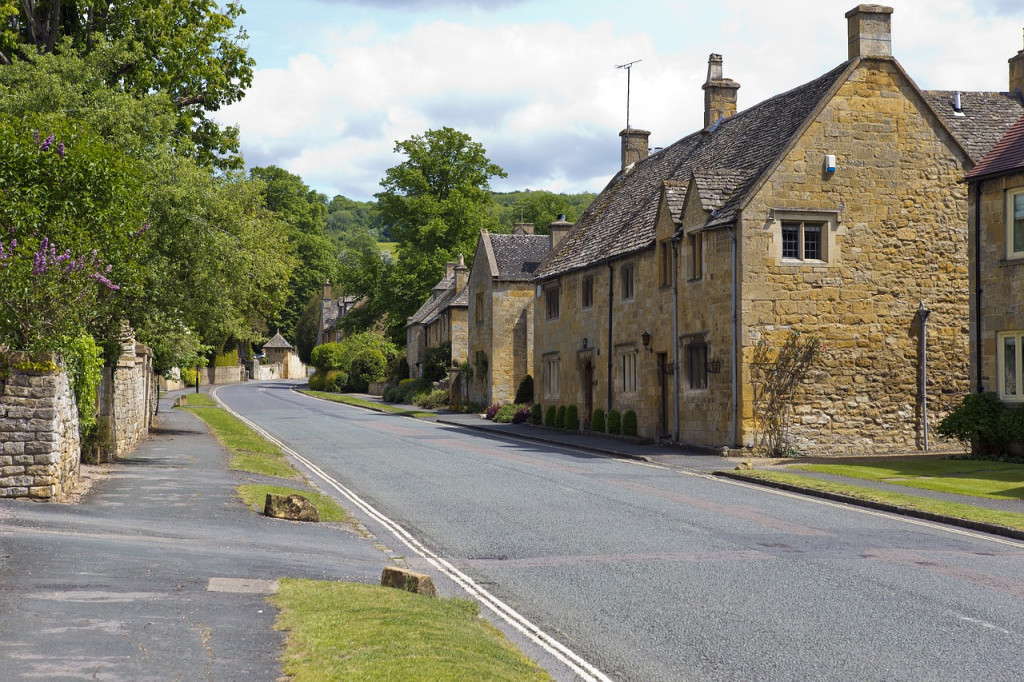
Descubra o charme idílico dos Cotswolds através destas imagens cativantes das suas aldeias pitorescas e paisagens ondulantes.
Escape da agitação urbana e embarque numa viagem cativante aos Cotswolds, uma das regiões mais queridas e pitorescas da Inglaterra. Conhecidos pelas suas colinas ondulantes, charmosas vilas de pedra e paisagens idílicas, os Cotswolds oferecem um vislumbre intemporal da vida rural inglesa. Uma viagem de um dia a partir de Londres oferece a oportunidade perfeita para explorar esta Área de Excecional Beleza Natural, caracterizada por casas de campo de calcário cor de mel, cidades históricas de mercado e paisagens tranquilas. Quer procure uma fuga serena, oportunidades fotográficas deslumbrantes ou um sabor da herança britânica tradicional, um tour guiado aos Cotswolds promete uma experiência inesquecível, misturando beleza natural com rica história cultural.
Não há um código de vestimenta formal para visitar os Cotswolds. É altamente recomendada uma vestimenta casual e confortável, pois você provavelmente caminhará bastante. Calçado prático, como ténis ou sapatos de caminhada, é essencial. É aconselhável vestir-se em camadas para se adaptar às variadas condições meteorológicas ao longo do dia, incluindo um casaco impermeável ou guarda-chuva, especialmente fora do verão. Um chapéu e óculos de sol podem ser úteis durante os meses mais ensolarados.
Os Cotswolds, uma Área de Excecional Beleza Natural (AONB) designada desde 1966, estende-se por vários condados ingleses, incluindo Gloucestershire, Oxfordshire e Wiltshire. Esta região é celebrada pela sua distinta arquitetura de calcário de tonalidade dourada, que confere às suas vilas e cidades uma estética única e unificada. A paisagem é um mosaico de colinas suaves, vales exuberantes e bosques antigos, atravessada por muros de pedra seca e rios sinuosos. Historicamente, os Cotswolds prosperaram com o comércio medieval de lã, e a riqueza gerada durante este período é evidente nas grandiosas 'igrejas de lã' e elegantes casas senhoriais espalhadas por toda a área. Hoje, os Cotswolds continuam a encantar os visitantes com a sua atmosfera tranquila, lojas independentes, pubs tradicionais e um forte sentido de comunidade local. Explorar esta região significa recuar no tempo, imergir-se numa paisagem que inspirou artistas e escritores durante séculos e descobrir a beleza quintessencial da Inglaterra rural.
Reservar sua excursão pelos Cotswolds online garante uma experiência de viagem tranquila e sem estresse. Você pode garantir seu lugar com antecedência, o que é crucial para passeios de um dia populares a partir de Londres, evitando a decepção de excursões esgotadas. A reserva online geralmente oferece acesso a uma variedade de pacotes turísticos, incluindo opções que combinam os Cotswolds com outros marcos ingleses famosos como o Palácio de Blenheim ou Oxford. Essa conveniência permite comparar itinerários, escolher o passeio perfeito que se adapta aos seus interesses e, muitas vezes, beneficia de confirmação direta e bilhetes digitais. É uma forma eficiente de organizar sua visita, garantindo transporte e orientação especializada para navegar pelas rotas charmosas, mas às vezes complexas, da região.
A história dos Cotswolds está profundamente ligada ao comércio medieval de lã. Do século XIII ao XV, a região tornou-se incrivelmente rica devido à alta qualidade da lã produzida pela sua raça nativa de ovelhas, a 'Cotswold Lion'. Essa prosperidade levou à construção de magníficas 'igrejas da lã' e das distintas casas senhoriais e chalés de pedra cor de mel que definem a área hoje. Comerciantes e mercadores construíram casas grandiosas, e cidades mercantis como Stow-on-the-Wold e Cirencester floresceram como centros de comércio. Com o declínio do comércio de lã, a região escapou largamente da industrialização, preservando seu caráter rural e patrimônio arquitetônico. No final do século XIX e início do século XX, os Cotswolds atraíram proponentes do movimento Arts and Crafts, consolidando ainda mais sua reputação de beleza e artesanato tradicional. Hoje, seu status de proteção como Área de Excepcional Beleza Natural garante sua contínua preservação para as futuras gerações.
Os Cotswolds, como região, não têm horários de funcionamento fixos e suas paisagens naturais e trilhas públicas são geralmente acessíveis a todo momento. No entanto, atrações individuais como museus, lojas, cafés e pubs nas aldeias seguem seus próprios horários de funcionamento. Durante a principal temporada turística (da primavera ao outono), a maioria dos estabelecimentos está tipicamente aberta das 9:00 ou 10:00 da manhã até as 17:00 ou 18:00, com os pubs muitas vezes permanecendo abertos até mais tarde. É aconselhável notar que algumas lojas menores ou atrações rurais podem ter horários reduzidos ou fechar em certos dias, particularmente durante os meses mais tranquilos do inverno.
Os Cotswolds são lindos durante todo o ano, mas a melhor época para visitar é durante a primavera (abril a maio) e o outono (setembro a outubro). Na primavera, o campo ganha vida com flores silvestres vibrantes e árvores em flor, oferecendo temperaturas amenas e menos multidões do que no verão. O outono traz uma deslumbrante exibição de folhagem dourada e avermelhada, criando um cenário pitoresco para exploração. O verão (junho a agosto) também é popular, com clima mais quente ideal para atividades ao ar livre, embora as aldeias possam estar mais movimentadas. O inverno oferece uma atmosfera mais tranquila, muitas vezes festiva, mas algumas atrações podem ter horários de funcionamento limitados e o clima pode ser mais frio e úmido, embora a neve possa criar uma paisagem mágica.
Ao explorar os Cotswolds, você descobrirá uma variedade de vilarejos pitorescos, cada um com seu próprio charme único. Paradas populares geralmente incluem Bourton-on-the-Water, conhecida como a 'Veneza dos Cotswolds' devido às suas pontes baixas e ao tranquilo Rio Windrush. Bibury, famosa por ser descrita por William Morris como 'a aldeia mais bonita da Inglaterra', oferece a icónica Arlington Row de casas de tecelões. Outros locais frequentemente visitados incluem Stow-on-the-Wold, uma cidade mercantil histórica com uma rica história de comércio de lã, e Broadway, com sua impressionante torre que oferece vistas panorâmicas. Além das aldeias, você encontrará paisagens naturais deslumbrantes, igrejas históricas, pubs antigos e lojas de artesanato independentes que vendem produtos locais e artigos artesanais. Muitos passeios também se estendem a atrações próximas como o Palácio de Blenheim, as agulhas acadêmicas de Oxford, ou os locais históricos associados a Downton Abbey, oferecendo uma experiência regional abrangente.
Ao visitar os Cotswolds, sapatos confortáveis para caminhar são essenciais, pois você provavelmente explorará vilas encantadoras a pé e talvez desfrutará de passeios suaves pelo campo. O clima pode ser variável, então vestir-se em camadas é aconselhável, mesmo no verão. Traga uma câmera para capturar as paisagens deslumbrantes e a arquitetura pitoresca. Muitas vilas têm estradas estreitas; se estiver a dirigir independentemente, prossiga com cautela. A receção de telemóvel pode ser irregular em algumas áreas rurais. Reservar uma visita guiada a partir de Londres é uma forma altamente recomendada de aproveitar os pontos turísticos de forma eficiente, pois cuida do transporte e fornece comentários especializados. Esteja preparado para multidões nas vilas mais populares, especialmente durante a época alta e fins de semana.
Os visitantes dos Cotswolds são encorajados a respeitar o ambiente natural e as comunidades locais. Por favor, mantenha-se nos caminhos designados e nos direitos de passagem públicos para proteger a propriedade privada e as terras agrícolas. Não deite lixo; leve todo o lixo consigo ou descarte-o em recipientes apropriados. Conduza com cuidado nas estreitas estradas rurais e esteja atento a pedestres, ciclistas e animais de quinta. Respeite a paz e o sossego das áreas residenciais, especialmente nas vilas mais pequenas. A fotografia é geralmente permitida em áreas públicas, mas seja sempre atencioso com a privacidade ao tirar fotos de pessoas ou casas particulares.
Visitar os Cotswolds é uma experiência imperdível para quem procura vivenciar a beleza quintessencial da Inglaterra rural. Oferece uma fuga única da vida citadina, transportando-o para um mundo de charme intemporal, paisagens naturais deslumbrantes e rica história. As icónicas aldeias de pedra cor de mel da região, as colinas verdes ondulantes e a atmosfera tranquila criam um cenário idílico para relaxamento e exploração. Quer seja um entusiasta da história, um amante da natureza ou simplesmente esteja à procura de paisagens pitorescas, os Cotswolds proporcionam uma oportunidade incomparável para descobrir a herança britânica tradicional e criar memórias duradouras.
Os Cotswolds são famosos pela sua beleza natural deslumbrante, caracterizada por colinas ondulantes, pitorescas aldeias de calcário 'cor de mel', charmosas casas de pedra e uma rica história derivada do comércio medieval de lã.
Os Cotswolds ficam aproximadamente a 128 a 160 quilómetros a oeste de Londres. Dependendo do tráfego e da aldeia específica visitada, a viagem por estrada geralmente leva entre 2 a 3 horas.
A maneira mais popular e conveniente de visitar os Cotswolds a partir de Londres é participar numa excursão de um dia guiada. Estas excursões oferecem transporte, um itinerário que abrange as principais aldeias e comentários de especialistas.
As aldeias populares frequentemente incluídas nas excursões são Bourton-on-the-Water, Bibury, Stow-on-the-Wold, Broadway e Burford, conhecidas pelo seu charme único e arquitetura icónica.
Sim, os Cotswolds podem ser agradáveis para crianças, especialmente aquelas que apreciam a natureza e paisagens pitorescas. Muitas aldeias têm espaços abertos, riachos e caminhadas leves. Algumas excursões também incluem atrações que podem agradar a famílias.
Os Cotswolds oferecem pratos tradicionais de pub britânicos, charmosas casas de chá que servem chás com creme e bolos, e restaurantes focados em produtos locais e sazonais. Espere pratos substanciosos, queijos artesanais e cervejas locais.
Sim, os Cotswolds podem ser visitados durante todo o ano. Enquanto a primavera e o outono oferecem clima agradável e paisagens bonitas, o verão é vibrante e o inverno proporciona uma atmosfera mais tranquila, muitas vezes festiva, embora algumas atrações possam ter horários reduzidos.
A arquitetura dos Cotswolds distingue-se principalmente pelo uso de calcário oolítico local, que tem uma cor quente e dourada. Esta pedra é utilizada em casas de campo, solares, igrejas e muros de pedra seca, conferindo à região a sua característica estética unificada.
Muitas excursões guiadas de Londres combinam os Cotswolds com outras atrações famosas nas proximidades, como o Palácio de Blenheim, Oxford, Stratford-upon-Avon ou a aldeia de Downton Abbey (Bampton), oferecendo uma experiência completa do património inglês.
A maneira mais conveniente de visitar os Cotswolds a partir de Londres é participando de um tour guiado de um dia. Estes tours geralmente incluem transporte de ida e volta de um ponto de encontro central em Londres, muitas vezes por confortável ônibus ou micro-ônibus para pequenos grupos, permitindo que você relaxe e aproveite a viagem panorâmica sem ter que navegar no transporte público ou dirigir. Embora seja possível viajar de forma independente de trem para cidades como Moreton-in-Marsh ou Cheltenham, explorar as aldeias espalhadas de forma eficaz muitas vezes exige um carro ou serviços de táxi locais, o que pode ser menos eficiente do que um tour estruturado.
Não há um código de vestimenta formal para visitar os Cotswolds. É altamente recomendada uma vestimenta casual e confortável, pois você provavelmente caminhará bastante. Calçado prático, como ténis ou sapatos de caminhada, é essencial. É aconselhável vestir-se em camadas para se adaptar às variadas condições meteorológicas ao longo do dia, incluindo um casaco impermeável ou guarda-chuva, especialmente fora do verão. Um chapéu e óculos de sol podem ser úteis durante os meses mais ensolarados.