

O que está incluído
- Bilhete sem filas para "A Última Ceia"
- Guia em direto
- Visita guiada a pé
Explore imagens deslumbrantes de passeios a pé por Milão, mostrando marcos icônicos, ruas movimentadas e a atmosfera vibrante da cidade.
Embarque numa viagem enriquecedora pelas vibrantes ruas de Milão com um passeio a pé guiado. Estas experiências imersivas oferecem uma oportunidade inigualável para explorar a rica história da cidade, a arquitetura deslumbrante e o património cultural a pé. Liderado por guias locais experientes, descobrirá pontos turísticos icónicos, joias escondidas e histórias fascinantes que dão vida a Milão. Desde o majestoso Duomo à elegante Galleria Vittorio Emanuele II, e ao histórico Castelo Sforza, um passeio a pé proporciona uma visão abrangente desta metrópole dinâmica. Perfeitos para visitantes de primeira viagem e viajantes experientes, estes passeios prometem uma apreciação mais profunda pela capital italiana da moda e do design.
Para os passeios a pé em Milão, sapatos confortáveis são essenciais. Vista-se de acordo com o clima, optando por camadas que podem ser adicionadas ou removidas. Se o seu passeio incluir visitas a locais religiosos como o Duomo ou Santa Maria delle Grazie, é respeitoso usar roupas que cubram os ombros e os joelhos. Isso se aplica tanto a homens quanto a mulheres. Evite roupas excessivamente reveladoras para garantir a entrada em espaços sagrados.
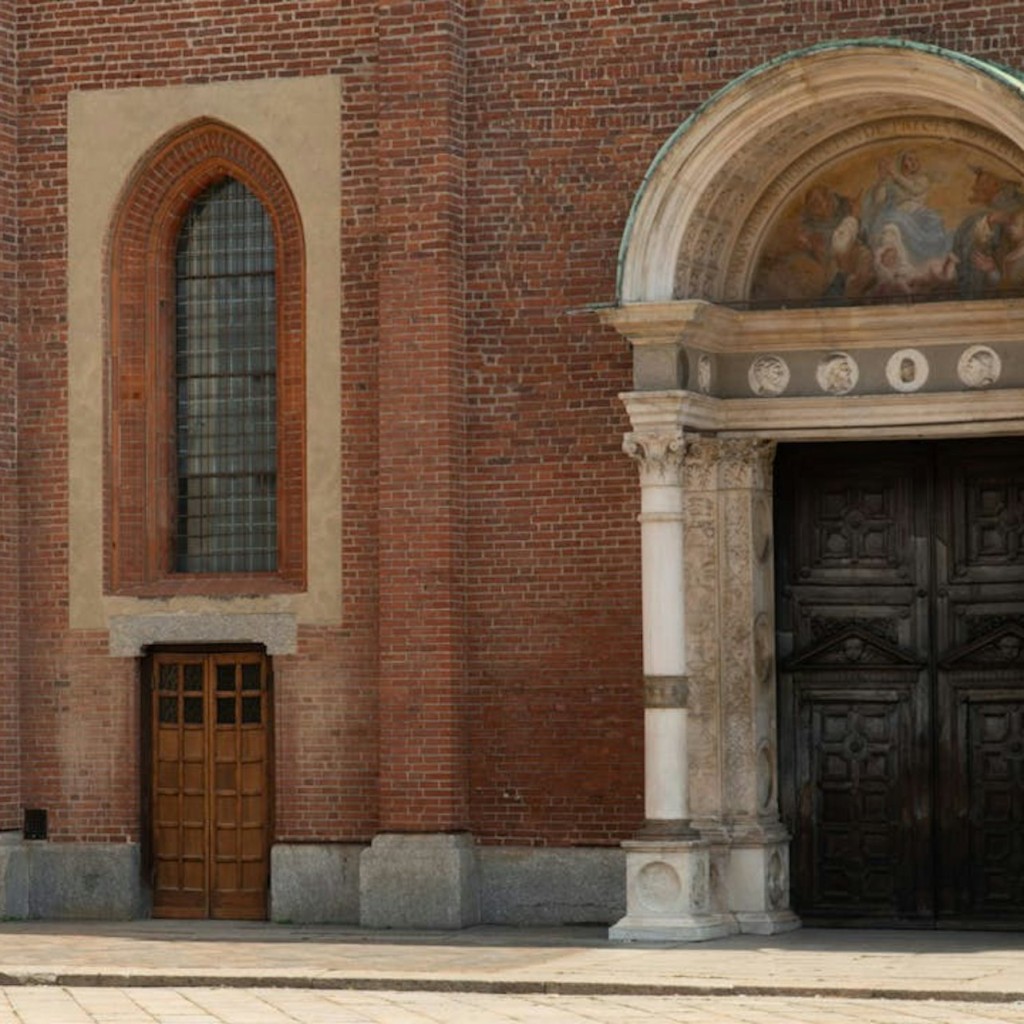
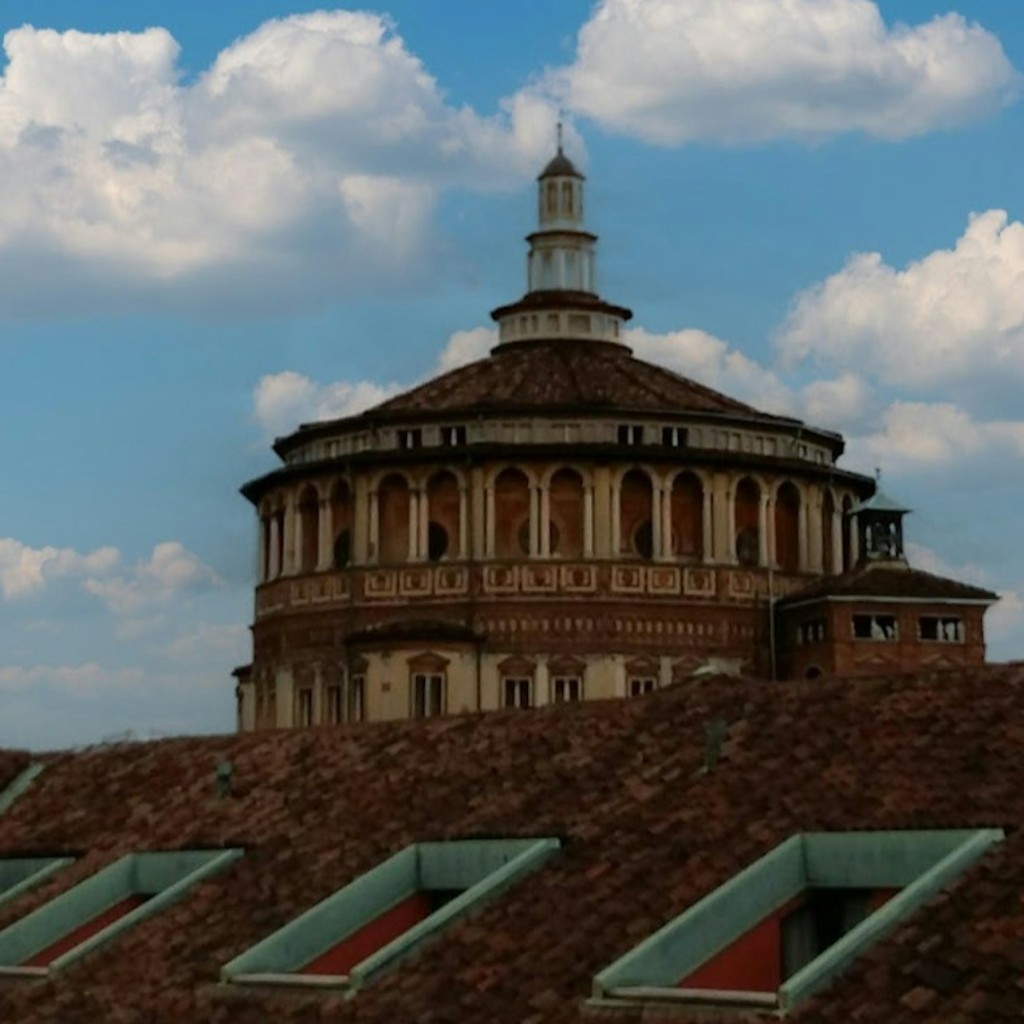
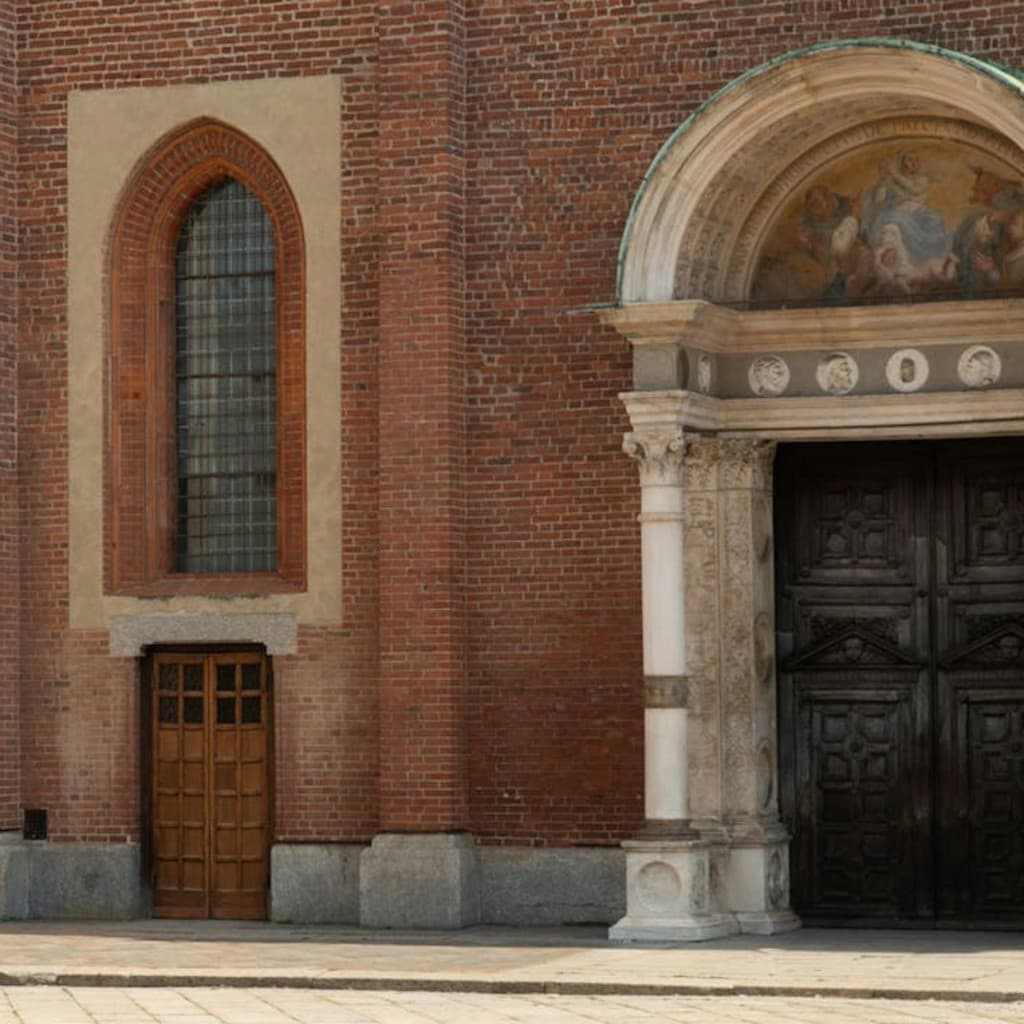
Os passeios a pé em Milão são concebidos para oferecer uma exploração íntima e informativa das atrações mais amadas da cidade e dos tesouros menos conhecidos. Os guias partilham perspetivas sobre a transformação de Milão de um assentamento romano para um centro global de moda, finanças e arte. Irá navegar por praças movimentadas, encantadoras vielas de paralelepípedos e grandes avenidas, ganhando uma perspetiva local sobre a vida quotidiana e os eventos históricos. Os passeios geralmente abrangem locais chave como o magnífico Duomo di Milano, a luxuosa galeria comercial Galleria Vittorio Emanuele II, o impressionante Castelo Sforza com as suas coleções de arte e a reverenciada casa de ópera Teatro alla Scala. Muitos passeios também incluem destaques como a igreja Santa Maria delle Grazie, lar de 'A Última Ceia' de Leonardo da Vinci, permitindo aos participantes apreciar tanto as vistas exteriores como, com bilhetes específicos, o acesso interior. Quer esteja interessado em arte, história, moda, ou simplesmente em absorver a atmosfera milanesa, um passeio a pé oferece uma forma estruturada mas flexível de experienciar o melhor de Milão.
Reservar seu passeio a pé por Milão online oferece conveniência e garante seu lugar em itinerários populares. Muitos passeios têm capacidade limitada, especialmente aqueles que incluem acesso sem fila a atrações como A Última Ceia ou o Duomo, tornando a reserva antecipada essencial. Reservas online garantem a data e hora escolhidas, permitindo que você planeje seu itinerário sem estresse. Você pode frequentemente comparar diferentes opções de passeios, ler avaliações e encontrar passeios adaptados aos seus interesses específicos, garantindo uma experiência tranquila e agradável ao chegar em Milão. Economiza tempo e garante um início tranquilo à sua exploração da cidade.
A história de Milão é uma tapeçaria tecida a partir de fundações romanas, lutas de poder medievais, florescimento artístico renascentista e dominância industrial e da moda moderna. Fundada pelos celtas por volta de 600 a.C., tornou-se uma importante cidade romana, Mediolanum, e foi até capital do Império Romano Ocidental. Durante a Idade Média, Milão ascendeu como uma poderosa comuna, mais tarde caindo sob o domínio de famílias influentes como os Visconti e os Sforza, que patrocinaram as artes e encomendaram estruturas icónicas como o Duomo e o Castelo Sforzesco. Esta era viu mestres como Leonardo da Vinci e Donato Bramante deixarem suas marcas indeléveis. A cidade então passou pelo domínio espanhol e austríaco antes de se tornar um centro chave para a unificação italiana no século XIX. No século XX, Milão solidificou sua reputação como a potência económica da Itália, um centro para finanças, design e moda. Um passeio a pé oferece contexto a essas camadas históricas, exibindo estilos arquitetónicos, monumentos e planeamento urbano que refletem o legado duradouro e a resiliência de Milão.
Os passeios a pé em Milão não têm 'horário de funcionamento' tradicionais como um único local. Em vez disso, os passeios são programados para horários de início específicos, geralmente de manhã (por exemplo, 9:30 AM ou 10:00 AM) e à tarde (por exemplo, 2:00 PM ou 2:30 PM). É importante selecionar um horário de passeio que se adeque à sua agenda e chegar ao ponto de encontro designado alguns minutos antes da hora de partida. Alguns passeios especializados, como passeios a pé noturnos, terão horários de início à noite. Verifique os detalhes do seu passeio escolhido para os horários exatos.
A época ideal para fazer um passeio a pé em Milão é durante os meses de primavera (abril-junho) e outono (setembro-outubro). Durante esses períodos, o clima é geralmente ameno e agradável, ideal para longos períodos de caminhada e exploração ao ar livre. Os verões podem ser quentes e úmidos, especialmente em julho e agosto, enquanto os invernos podem ser frios e com nevoeiro. Para evitar as maiores multidões em locais populares e desfrutar de uma experiência mais serena, considere reservar um passeio pela manhã. Os dias de semana geralmente oferecem uma experiência com menos multidões do que os fins de semana. Independentemente da estação, um horário de passeio bem escolhido pode melhorar sua exploração de Milão.
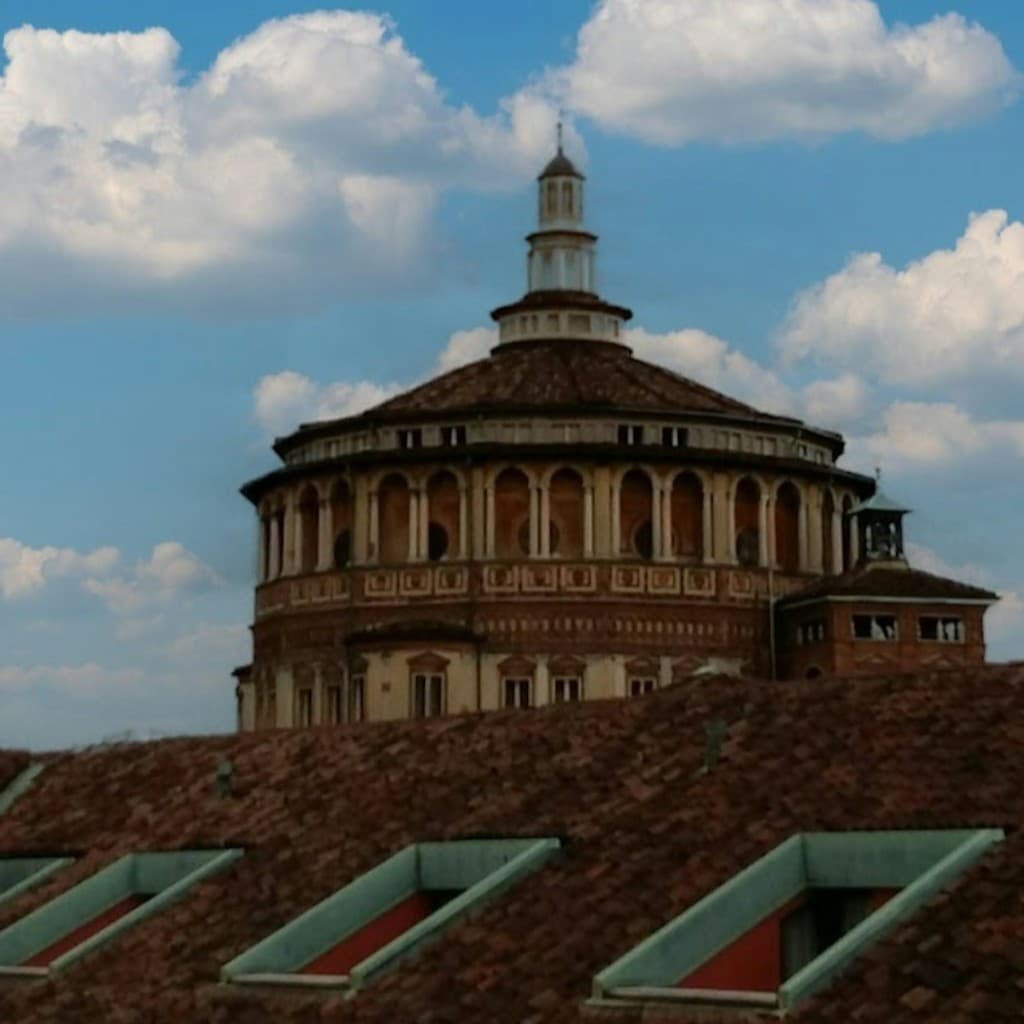
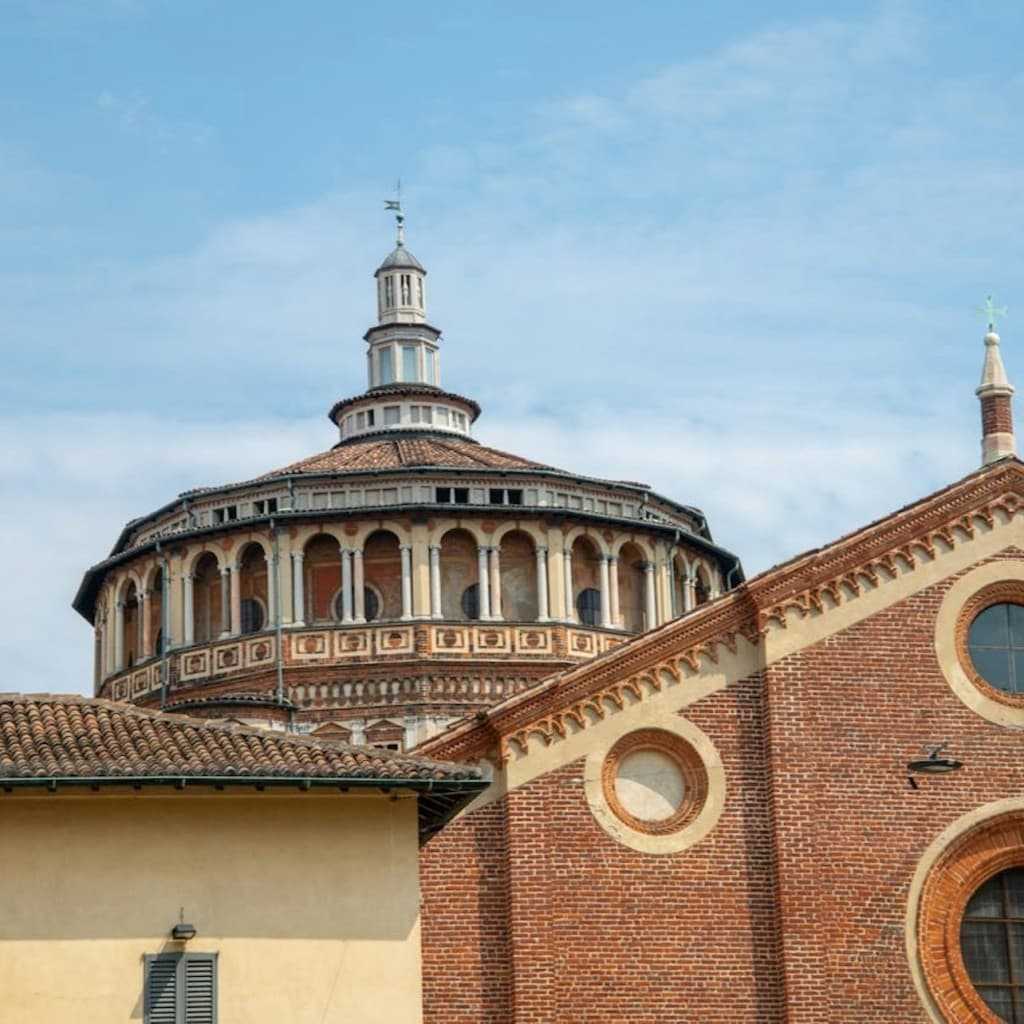
Num passeio a pé por Milão, 'interior' refere-se às inúmeras atrações principais que você encontrará e sobre as quais aprenderá. Você geralmente visitará o exterior da Catedral de Milão (Duomo), maravilhando-se com sua intrincada arquitetura gótica, e passeará pela deslumbrante Galleria Vittorio Emanuele II. Os passeios frequentemente passam pelo histórico teatro de ópera Teatro alla Scala, oferecendo um vislumbre de sua grandiosa fachada. Você explorará os vastos pátios do Castelo Sforzesco e aprenderá sobre sua história ducal e coleções de arte. Muitos passeios guiados destacam a igreja Santa Maria delle Grazie e seu refeitório, onde está abrigado o afresco 'A Última Ceia' de Leonardo da Vinci; passeios específicos incluem entrada sem fila para ver esta obra-prima. Dependendo do passeio escolhido, você também poderá explorar bairros como Brera, conhecido por sua galeria de arte (Pinacoteca di Brera), ou outras praças e edifícios históricos significativos.
Ao preparar-se para um passeio a pé em Milão, use sapatos confortáveis, pois estará de pé por várias horas. Leve uma garrafa de água, especialmente durante os meses mais quentes, e um pequeno lanche, se necessário. É aconselhável verificar a previsão do tempo e vestir-se adequadamente, usando várias camadas de roupa se as temperaturas variarem. Embora os passeios sejam geralmente conduzidos em inglês, confirme o idioma do seu passeio específico se precisar de um diferente. Chegue ao ponto de encontro cerca de 10 a 15 minutos antes da hora de início para fazer o check-in. Para passeios que incluem entrada para atrações específicas como A Última Ceia, certifique-se de ter seus bilhetes ou confirmação prontamente disponíveis.
Para garantir uma experiência agradável para todos, os visitantes em passeios a pé são geralmente solicitados a permanecer com o grupo e seguir as instruções do guia. A pontualidade é apreciada nos pontos de encontro e após os intervalos. Espera-se respeito pelos costumes locais e o desfrute tranquilo de locais históricos e religiosos. Bolsas ou mochilas grandes podem estar sujeitas a verificações de segurança ou ser exigidas para serem guardadas em certas atrações internas, então considere levar apenas o essencial. Fumar geralmente não é permitido nas proximidades do grupo ou em locais fechados.
Participar de um passeio a pé em Milão é altamente recomendado para quem busca uma verdadeira conexão com a cidade. Transforma sua visita de simplesmente ver pontos turísticos em uma rica experiência educacional e cultural. Com guias locais especializados, você obtém informações mais profundas sobre a história, arte e a vida vibrante de Milão que poderia perder explorando independentemente. Esses passeios frequentemente oferecem acesso privilegiado ou benefícios de
Um passeio a pé típico por Milão inclui uma exploração guiada dos principais pontos turísticos da cidade, como o Duomo, a Galeria Vittorio Emanuele II e o Castelo Sforza. Muitos passeios também incluem comentários sobre as áreas ao redor do Teatro alla Scala e da Santa Maria delle Grazie. Alguns passeios específicos oferecem entrada sem fila para certas atrações, como A Última Ceia ou o interior do Duomo.
A maioria dos passeios a pé por Milão dura tipicamente entre 2 a 4 horas, dependendo do itinerário, do número de locais visitados e se o acesso interno às atrações está incluído.
Muitos passeios a pé por Milão são adequados para crianças mais velhas que conseguem manter o interesse e caminhar por períodos prolongados. Alguns passeios são especificamente desenhados para serem familiares. É melhor verificar os detalhes do passeio para recomendações de idade e considerar a duração da caminhada.
Sim, é altamente recomendável reservar o seu passeio a pé por Milão com antecedência, especialmente para passeios que incluem atrações populares como A Última Ceia, que têm disponibilidade limitada. Reservar com antecedência garante o seu lugar e permite-lhe escolher a sua data e hora preferidas.
Sapatos confortáveis para caminhar são essenciais. Vista-se em camadas para se adaptar às condições climáticas variáveis. Se o seu passeio incluir locais religiosos, certifique-se de que os seus ombros e joelhos estão cobertos como sinal de respeito.
Os passeios a pé por Milão envolvem caminhadas e permanência em pé significativas, frequentemente em superfícies irregulares ou de calçada. Embora alguns passeios possam acomodar necessidades específicas, muitos não são totalmente acessíveis a cadeiras de rodas. É aconselhável contactar diretamente o fornecedor do passeio para perguntar sobre opções de acessibilidade.
Os passeios a pé por Milão são principalmente oferecidos em inglês, mas muitos fornecedores também oferecem passeios em outros idiomas, como italiano, espanhol, francês ou alemão. Deve confirmar o idioma do passeio escolhido ao fazer a reserva.
Os pontos de encontro para os passeios a pé em Milão estão geralmente localizados em áreas centrais, facilmente acessíveis pela extensa rede de transportes públicos de Milão. Pode usar o Metro (linhas M1, M2, M3, M5), elétricos ou autocarros para chegar ao ponto de partida designado. Por exemplo, os passeios que começam perto do Duomo são acessíveis através das linhas de Metro M1 (vermelha) e M3 (amarela) para a estação Duomo. Os pontos de encontro perto do Castelo Sforzesco estão próximos das estações Cadorna (M1, M2) ou Cairoli (M1). Consulte sempre as instruções de encontro do seu passeio específico para as direções mais precisas.
Para os passeios a pé em Milão, sapatos confortáveis são essenciais. Vista-se de acordo com o clima, optando por camadas que podem ser adicionadas ou removidas. Se o seu passeio incluir visitas a locais religiosos como o Duomo ou Santa Maria delle Grazie, é respeitoso usar roupas que cubram os ombros e os joelhos. Isso se aplica tanto a homens quanto a mulheres. Evite roupas excessivamente reveladoras para garantir a entrada em espaços sagrados.