


O que está incluído
- Entrada no Château de Vincennes
- Visita guiada em francês (capacidade limitada, informações no local)
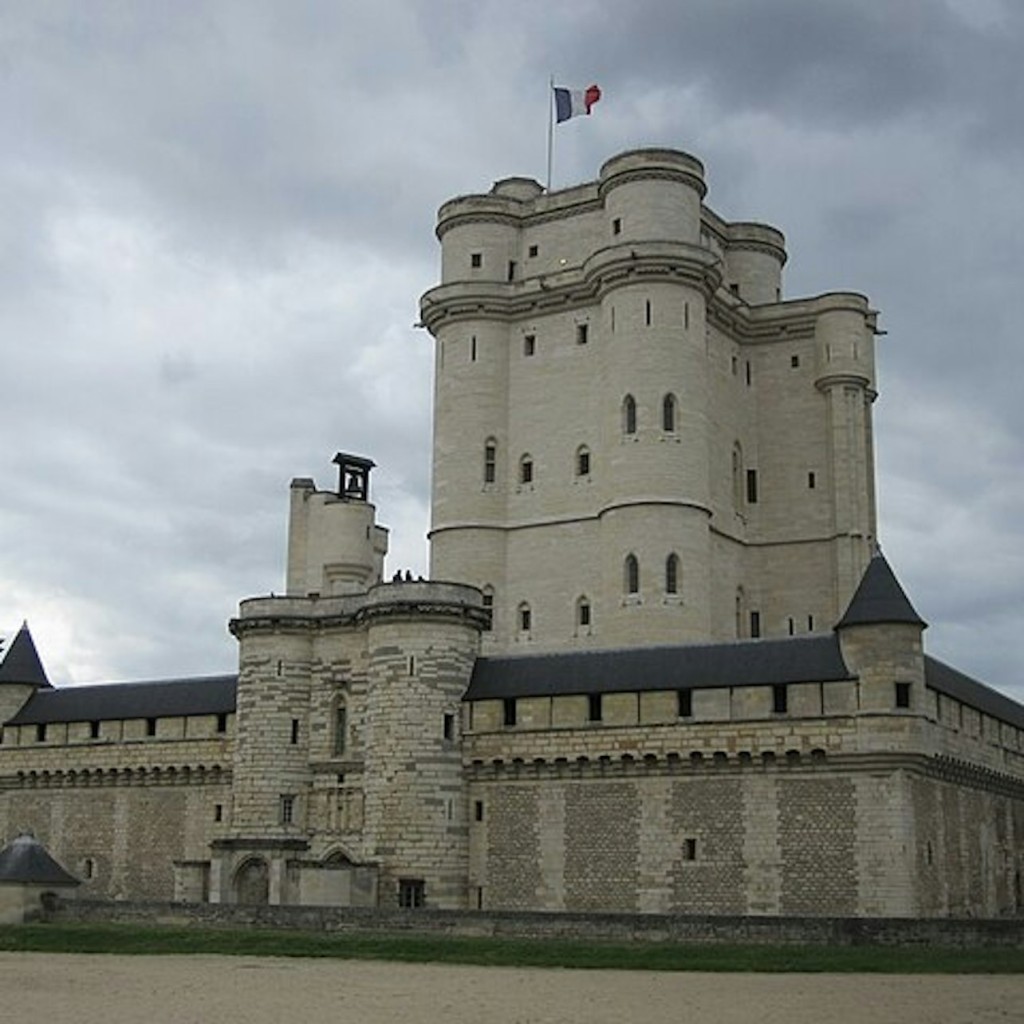
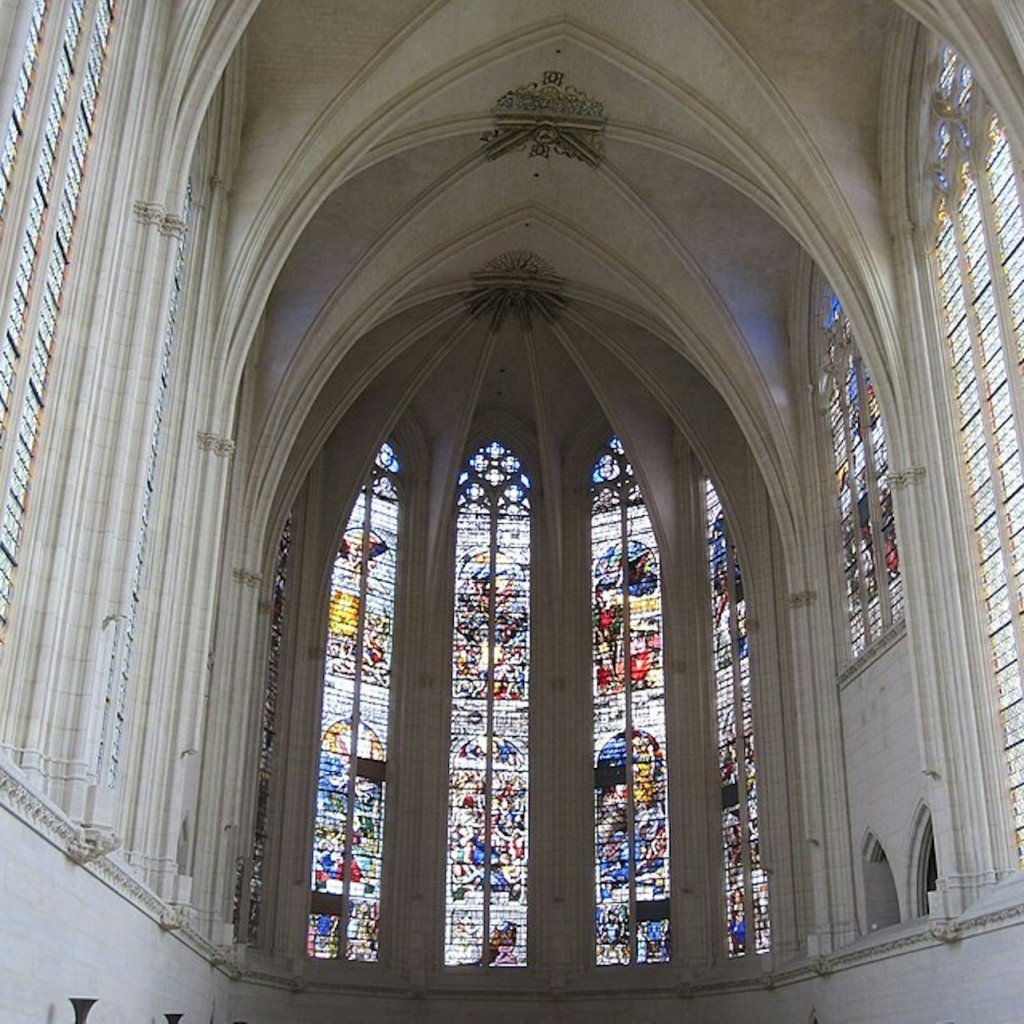
Explore o esplendor visual do Castelo de Vincennes através destas imagens cativantes, que exibem a sua arquitetura majestosa e grandiosidade histórica.
Não há um código de vestuário formal exigido para visitar o Castelo de Vincennes. Recomenda-se roupa confortável e prática, especialmente calçado adequado para caminhar em superfícies irregulares e subir escadas. Visto que partes da visita são ao ar livre, é aconselhável vestir-se de acordo com o clima, levando um chapéu e protetor solar no verão, ou camadas de roupa e um casaco impermeável durante as estações mais frias ou chuvosas.
Reservar os seus bilhetes para o Castelo de Vincennes online oferece várias vantagens, garantindo uma visita mais tranquila e conveniente. A reserva online permite-lhe garantir a sua entrada antecipadamente, poupando tempo valioso ao evitar filas para bilhetes à chegada, especialmente durante as épocas turísticas de pico. Também ajuda a planear o seu itinerário de forma mais eficaz e proporciona tranquilidade ao saber que a sua visita está confirmada. Além disso, algumas plataformas online podem oferecer ofertas exclusivas ou bilhetes combinados, melhorando a sua experiência geral e potencialmente poupando dinheiro.
A história do Castelo de Vincennes remonta ao século XII, quando Luís VII construiu uma casa senhorial real na floresta de Vincennes. Cresceu significativamente sob Luís IX (São Luís), que residia frequentemente lá e diz-se ter administrado justiça debaixo de um carvalho. Filipe VI de Valois iniciou a construção da formidável Torre de Menagem em 1337, um projeto continuado pelos seus sucessores, João II o Bom e Carlos V. Carlos V transformou Vincennes numa verdadeira residência real e centro administrativo, adicionando o recinto fortificado e a Sainte-Chapelle. O castelo acolheu muitos eventos reais, incluindo casamentos e nascimentos, e serviu de refúgio durante épocas de peste. Ao longo dos séculos, também foi usado como prisão estatal, detendo figuras proeminentes como Henrique IV, Cardeal de Retz, Mirabeau e o Marquês de Sade. Napoleão I converteu-o num arsenal militar, um papel que manteve através de vários conflitos. Apesar dos danos durante a Segunda Guerra Mundial, extensos esforços de restauro devolveram grande parte da sua grandiosidade medieval, preservando o seu rico legado para as gerações futuras.
O Château de Vincennes geralmente recebe visitantes diariamente. De meados de maio a meados de setembro, o castelo normalmente funciona das 10:00 às 18:00. Durante o resto do ano, de meados de setembro a meados de maio, o horário de funcionamento é geralmente das 10:00 às 17:00. É importante notar que a última entrada é geralmente de 30 a 45 minutos antes do horário de fechamento. O castelo está normalmente fechado em certos feriados públicos, como 1º de janeiro, 1º de maio e 25 de dezembro. Áreas ou edifícios específicos dentro do complexo podem ter horários de funcionamento ligeiramente diferentes ou estar sujeitos a fechamentos temporários.
Para desfrutar plenamente do Castelo de Vincennes, considere visitá-lo durante a primavera (abril-maio) ou outono (setembro-outubro). Durante estas épocas de transição, o clima é tipicamente ameno e agradável, tornando confortável explorar os extensos jardins e subir à Torre de Menagem. Há também geralmente menos multidões em comparação com os meses de pico do verão, permitindo uma experiência mais serena. As manhãs de dias de semana, pouco depois da abertura, são geralmente os períodos menos movimentados. Os fins de semana, especialmente durante as férias escolares, podem ser mais movimentados. É também aconselhável visitar fora dos principais feriados públicos franceses.
Dentro do Castelo de Vincennes, a sua jornada começa com a colossal Torre de Menagem (Donjon), onde pode subir os seus vários níveis para explorar apartamentos reais, uma capela privada e salas administrativas, culminando em vistas panorâmicas do telhado. A adjacente Sainte-Chapelle, construída no estilo Gótico Flamejante, cativa com os seus intrincados vitrais e beleza arquitetónica. Passeie pelo vasto pátio para ver os Pavilhões do Rei e da Rainha, que abrigavam a família real e a sua corte. Explore as muralhas fortificadas, descobrindo as várias torres e portarias que protegiam o castelo. As antigas celas prisionais dentro da Torre de Menagem oferecem um vislumbre sombrio, mas fascinante, da sua história mais obscura. Todo o complexo proporciona uma imagem vívida da vida medieval, defesa e poder.
Planeie usar sapatos confortáveis para caminhar, pois explorar o Castelo de Vincennes envolve uma quantidade significativa de caminhada em terrenos variados, incluindo calçadas de pedra e subida de escadas, particularmente se desejar subir à Torre de Menagem. Os terrenos do castelo são extensos, por isso reserve tempo suficiente para a sua visita. A fotografia é geralmente permitida para uso pessoal, mas o flash pode ser restrito em certas áreas. As opções de comida e bebida dentro do complexo do castelo são limitadas, por isso considere trazer água ou lanches, ou planeie comer antes ou depois da sua visita. Embora partes do local sejam acessíveis, os níveis superiores da Torre de Menagem e da Sainte-Chapelle podem envolver escadas sem acesso de elevador. Verifique se há exposições temporárias ou eventos especiais que possam estar a decorrer durante a sua visita.
Espera-se que os visitantes do Castelo de Vincennes adiram às regulamentações padrão de museus e monumentos. Bolsas grandes, mochilas e itens volumosos podem precisar ser guardados em armários ou não são permitidos dentro de certos edifícios, embora armários geralmente não estejam disponíveis. A fotografia para uso pessoal é geralmente permitida, mas tripés, monopés e fotografia com flash podem ser restritos em algumas áreas. Alimentos e bebidas normalmente não são permitidos dentro dos edifícios históricos. Correr ou ter comportamento disruptivo é desencorajado para preservar a tranquilidade e segurança do local. Animais de estimação, com exceção de animais de serviço, geralmente não são permitidos dentro dos edifícios ou nos terrenos.
O Castelo de Vincennes vale absolutamente a pena visitar para qualquer pessoa interessada na história francesa, arquitetura medieval e herança real. Oferece uma conexão tangível com o passado, permitindo aos visitantes seguir os passos dos reis e explorar uma das fortalezas medievais mais bem preservadas da Europa. A sua impressionante Torre de Menagem, a deslumbrante Sainte-Chapelle e os extensos terrenos proporcionam uma experiência rica e imersiva que contrasta bem com os locais mais famosos de Paris. É um excelente destino para quem procura uma alternativa ou adição menos lotada, mas igualmente historicamente significativa, ao seu itinerário parisiense.
O principal destaque é, sem dúvida, a Torre de Menagem (Donjon), uma estrutura imponente do século XIV que serviu como residência real e oferece vistas esplêndidas do seu topo.
Sim, é muito acessível por transportes públicos, com a Linha 1 do Metro a ter uma paragem direta chamada 'Château de Vincennes' a uma curta caminhada da entrada.
A maioria dos visitantes passa aproximadamente 2 a 3 horas a explorar a Torre de Menagem, a Sainte-Chapelle e a passear pelos extensos jardins do castelo.
Sim, o castelo oferece frequentemente visitas guiadas em francês e, por vezes, em inglês, focando-se na sua história e arquitetura. Guias áudio também estão normalmente disponíveis.
Embora seja normalmente possível consumir alimentos e bebidas não alcoólicas em áreas externas designadas, estes geralmente não são permitidos dentro dos edifícios históricos.
Sim, a grande escala do castelo, a arquitetura impressionante e o apelo histórico cativam frequentemente as crianças, tornando-o uma experiência educativa envolvente para famílias.
Representa séculos de história francesa, desde uma residência real medieval e centro administrativo até uma prisão estatal e fortaleza militar, incorporando o poder e a evolução da monarquia francesa.
Algumas áreas do Castelo de Vincennes são acessíveis, particularmente os pisos térreos de certos edifícios e o pátio principal. No entanto, a Torre de Menagem e os níveis superiores de outras estruturas envolvem escadas e podem não ser totalmente acessíveis para todos os visitantes.
O Château de Vincennes é facilmente acessível por transporte público a partir de Paris. Pegue a Linha 1 do Metrô diretamente para 'Château de Vincennes', que é a última parada da linha. Da estação de metrô, a entrada do castelo fica a uma curta e direta caminhada de aproximadamente 5 a 10 minutos. Alternativamente, você pode pegar o trem RER A para a estação 'Vincennes', de onde o castelo também fica a uma curta caminhada. Várias linhas de ônibus também servem a área.
Não há um código de vestuário formal exigido para visitar o Castelo de Vincennes. Recomenda-se roupa confortável e prática, especialmente calçado adequado para caminhar em superfícies irregulares e subir escadas. Visto que partes da visita são ao ar livre, é aconselhável vestir-se de acordo com o clima, levando um chapéu e protetor solar no verão, ou camadas de roupa e um casaco impermeável durante as estações mais frias ou chuvosas.