


O que está incluído
- Entrada para o Museu Méliès
Explore uma jornada visual pela arte inovadora e pela cativante história de Georges Méliès e as suas mágicas contribuições para o cinema.
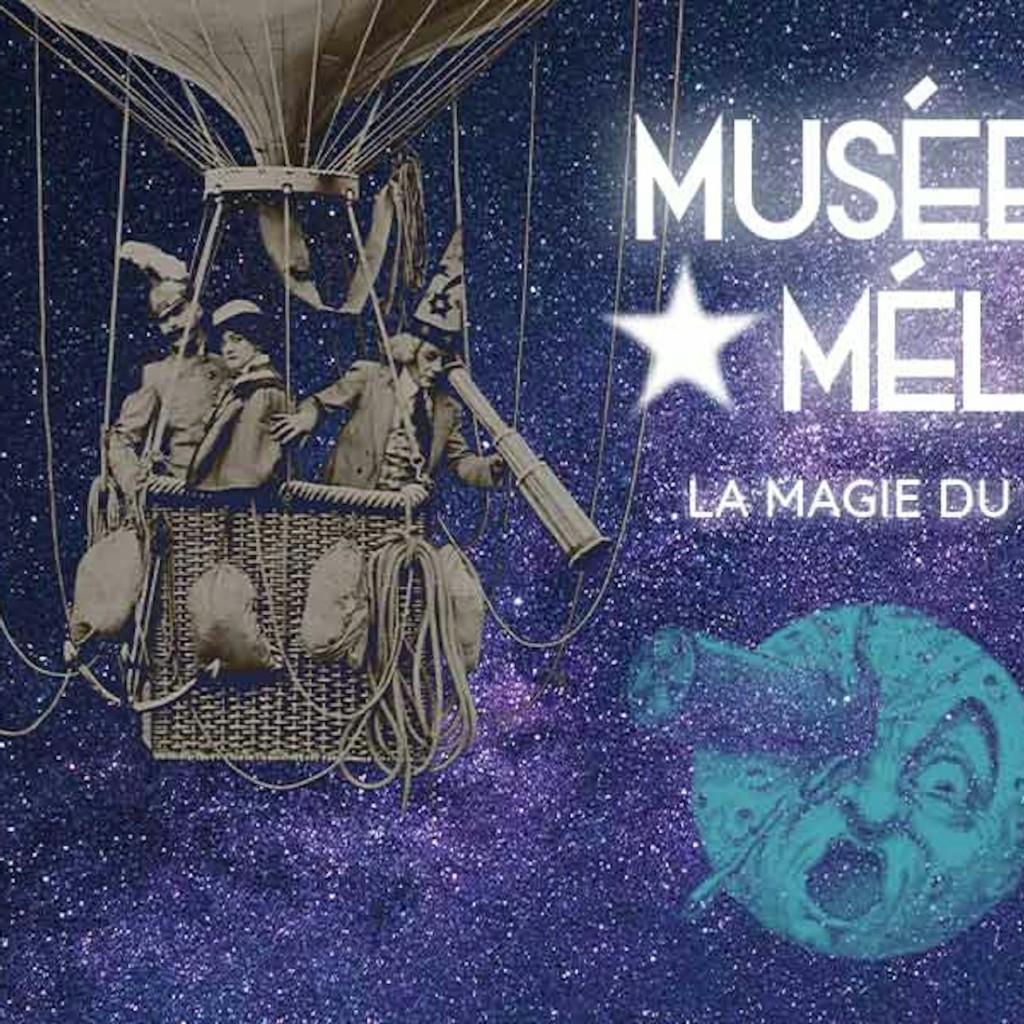
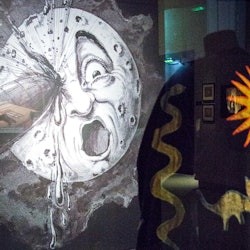
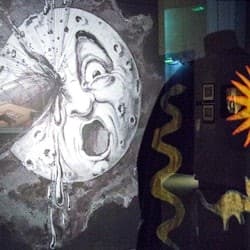
Entre no mundo encantador de Georges Méliès, o pioneiro indiscutível do cinema, no Museu Méliès dentro da Cinemateca Francesa. Esta instituição cativante presta homenagem ao gênio imaginativo que transformou a produção cinematográfica com efeitos especiais inovadores, narrativas originais e um sentido ilimitado de maravilha. Os visitantes são convidados a explorar uma coleção meticulosamente curada de artefatos, adereços, figurinos e desenhos originais que iluminam as extraordinárias contribuições de Méliès. Descubra as técnicas revolucionárias que ele empregou para criar ilusões que cativaram o público, desde truques de desaparecimento a fantásticas viagens à lua. O museu oferece uma jornada única pelos primórdios do cinema, celebrando a arte e a engenhosidade que lançaram as bases para a cinematografia moderna e os efeitos especiais.
Não há um código de vestuário formal exigido para visitar o Museu Méliès. Os visitantes são encorajados a usar roupas e sapatos confortáveis, pois provavelmente estarão de pé e a caminhar pelos vários espaços de exposição. Vestuário casual padrão é perfeitamente aceitável, refletindo o ambiente acolhedor e acessível do museu. Camadas podem ser úteis dependendo do clima e da temperatura interior do edifício.
O Museu Méliès na Cinemateca Francesa oferece um mergulho imersivo no legado de Georges Méliès, frequentemente aclamado como o 'pai dos efeitos especiais' e um contador de histórias visionário. Localizado em Paris, este museu é um testemunho do seu espírito inventivo e da sua influência duradoura na arte cinematográfica. Os visitantes podem traçar a carreira de Méliès desde os seus primórdios como mágico no Théâtre Robert-Houdin até à sua prolífica produção de mais de 500 filmes, incluindo obras-primas como 'Viagem à Lua'. As exposições do museu apresentam materiais raros sobreviventes, incluindo equipamento de câmara original, fotogramas de filmes pintados à mão, cenários elaborados e correspondência pessoal, proporcionando informações íntimas sobre o seu processo criativo. Exibições interativas e apresentações multimédia dão vida ao seu mundo mágico, explicando os métodos engenhosos por trás dos seus famosos truques e narrativas. Ele destaca como Méliès não só entreteve, mas também inovou, desenvolvendo técnicas como stop-motion, múltiplas exposições e dissoluções, que ainda hoje são fundamentais para a produção cinematográfica. O museu serve como um recurso essencial para entusiastas do cinema, historiadores e qualquer pessoa curiosa sobre as origens da magia cinematográfica, preservando a memória de um verdadeiro autor cuja visão continua a inspirar.
Reservar seus ingressos online para o Museu Méliès oferece diversas vantagens, garantindo uma visita mais tranquila e conveniente. A reserva online geralmente permite que você garanta seu horário de entrada preferido, ajudando a planejar seu roteiro de forma mais eficaz e evitar possíveis filas na entrada, especialmente durante as temporadas de pico turístico. Também oferece confirmação imediata de sua reserva, proporcionando tranquilidade antes de sua chegada. Comprar ingressos com antecedência economiza tempo que pode ser melhor gasto explorando as fascinantes exposições do museu, em vez de esperar na fila. Garanta sua experiência e mergulhe na magia do cinema primitivo sem demora, pré-reservando sua entrada.
Georges Méliès (1861–1938) foi um ilusionista e diretor de cinema francês que fez importantes desenvolvimentos técnicos e narrativos no cinema primitivo. Inicialmente um mágico de sucesso e proprietário do Théâtre Robert-Houdin, Méliès ficou cativado pelo cinematógrafo dos irmãos Lumière, mas rapidamente reconheceu seu potencial além da simples documentação. Ele adquiriu sua própria câmera em 1896 e começou a experimentar, rapidamente descobrindo e inventando muitos dos efeitos especiais que definiriam o cinema primitivo. Ele foi pioneiro em técnicas como stop-motion, exposições múltiplas, dissoluções e pintura manual de quadros de filmes, transformando o cinema de uma novidade em uma forma de arte capaz de contar histórias fantásticas. Méliès produziu mais de 500 filmes, incluindo seu mais famoso, 'Viagem à Lua' (1902), que exibia sua imaginação visionária e design de produção elaborado. Apesar de sua imensa criatividade, dificuldades financeiras e o surgimento de filmes mais longos e complexos levaram à sua falência na década de 1910, e grande parte de sua filmografia foi tragicamente perdida ou destruída. A Cinémathèque Française, um proeminente arquivo e museu de filmes, foi fundamental na preservação do que restou do legado de Méliès. Fundada por Henri Langlois e Georges Franju em 1936, a Cinémathèque tem defendido o trabalho de Méliès, restaurando e exibindo seus filmes. O Museu Méliès, dentro da Cinémathèque Française, agora é um tributo dedicado, garantindo que seu espírito pioneiro e suas contribuições mágicas para o cinema continuem a inspirar novas gerações.
O Museu Méliès na Cinemateca Francesa geralmente abre as suas portas de quarta a segunda-feira. O horário de funcionamento padrão é geralmente das 12:00 às 19:00, com horários prolongados em certas noites, muitas vezes até às 20:00 ou 21:00. Está tipicamente fechado todo o dia às terças-feiras. É aconselhável considerar que os horários de abertura podem por vezes variar em feriados públicos ou para eventos especiais, e a última entrada é geralmente uma hora antes do encerramento. Por favor, planeie a sua visita em conformidade, tendo em mente estes horários gerais.
Para desfrutar do Museu Méliès com menos multidões e uma experiência de visitação mais íntima, considere visitar durante as manhãs dos dias de semana, logo após a abertura, ou no final da tarde, uma ou duas horas antes do fechamento. Fins de semana e feriados tendem a ser mais movimentados, especialmente no meio do dia. Outono e primavera são geralmente estações agradáveis para visitar Paris, oferecendo temperaturas moderadas e frequentemente menos turistas em comparação com os meses de pico do verão. Evitar os períodos de férias escolares, tanto francesas quanto internacionais, também pode contribuir para uma visita mais relaxada, permitindo tempo suficiente para explorar cada exposição e apreciar os intrincados detalhes do trabalho de Méliès.
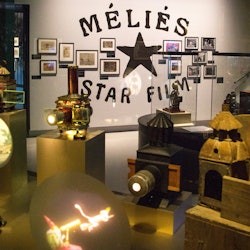
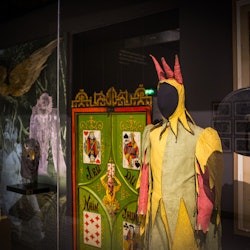
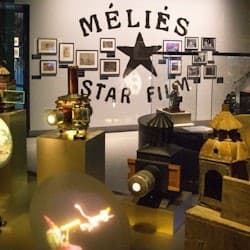
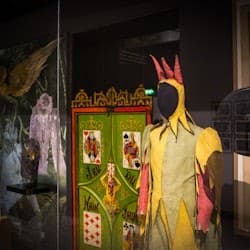
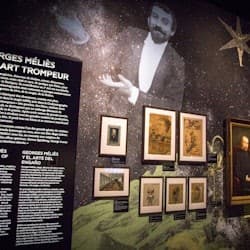
Dentro do Museu Méliès, os visitantes embarcarão em uma jornada cronológica pela vida e obra de Georges Méliès. Os espaços de exposição são projetados para mostrar suas contribuições pioneiras para o cinema através de uma rica coleção de artefatos autênticos. Você pode esperar ver câmeras e projetores de filmes originais do final do século XIX e início do século XX, ao lado de reconstruções detalhadas de seus cenários de filmes e truques de mágica. O museu apresenta uma exibição significativa de seus famosos quadros de filmes pintados à mão, oferecendo um vislumbre da estética vibrante de seus filmes mudos. Há também itens pessoais, figurinos e adereços de suas produções icônicas. Instalações interativas explicam a mecânica de seus efeitos especiais, como truques de parada e dissoluções, permitindo que os visitantes compreendam suas técnicas inovadoras em primeira mão. Fotografias de arquivo, cartas e pôsteres ilustram ainda mais a carreira de Méliès e seu impacto significativo na arte do cinema, fornecendo uma visão abrangente de seu extraordinário legado.
Ao planear a sua visita ao Museu Méliès, considere reservar tempo suficiente para apreciar plenamente as exposições, tipicamente 1,5 a 2,5 horas. O museu está localizado dentro da Cinémathèque Française, que também pode acolher outras exposições temporárias ou exibições de filmes, por isso verifique a sua programação se desejar combinar a sua visita. A fotografia sem flash é geralmente permitida para uso pessoal, permitindo-lhe capturar memórias dos fascinantes artefactos. O museu é frequentemente acessível para visitantes com mobilidade reduzida, mas é sempre bom confirmar os detalhes específicos de acessibilidade, se necessário. Pode haver uma loja do museu onde pode encontrar livros, mercadorias e recordações relacionadas com Georges Méliès e o cinema primitivo. Armários ou bengaleiros podem estar disponíveis para casacos e malas.
Para garantir uma experiência agradável para todos os visitantes e a preservação das exposições, espera-se que os convidados cumpram as regras padrão do museu. Por favor, evite tocar em quaisquer artefactos ou exposições, a menos que seja explicitamente indicado como interativo. Comida e bebidas geralmente não são permitidas nas áreas de exposição. Mantenha um nível de ruído respeitoso e evite correr ou ter comportamentos perturbadores. A fotografia com flash é tipicamente proibida para proteger materiais históricos sensíveis, mas a fotografia sem flash para uso pessoal pode ser permitida. Sacos grandes e mochilas podem precisar ser guardados num bengaleiro ou nos armários disponíveis na entrada. Siga quaisquer instruções dadas pelo pessoal do museu para a sua segurança e a segurança das coleções.
O Museu Méliès é inegavelmente imperdível para qualquer pessoa com interesse em cinema, história ou inovação criativa. Oferece um olhar cativante sobre as origens do cinema e o génio de Georges Méliès, cujo trabalho pioneiro lançou as bases para a cinematografia moderna e os efeitos especiais. O museu proporciona uma rara oportunidade de ver artefactos autênticos de uma era passada, dando vida à magia e engenhosidade que definiram os primeiros filmes. É uma jornada educativa e inspiradora que destaca o poder duradouro da imaginação e da narração de histórias, tornando-a uma experiência cultural verdadeiramente única em Paris.
O Museu Méliès é uma exposição dedicada dentro da Cinemateca Francesa em Paris, celebrando a vida e as obras de Georges Méliès, um cineasta e ilusionista francês pioneiro conhecido pelos seus efeitos especiais inovadores no cinema primitivo.
Georges Méliès foi um ilusionista e diretor de cinema francês ativo de 1896 a 1913. Ele é amplamente considerado o 'pai dos efeitos especiais' pela invenção de técnicas como stop-motion, múltiplas exposições e dissoluções, transformando o filme numa arte de fantasia e ilusão.
Pode ver equipamento de cinema original, figurinos, adereços, fotogramas de filmes pintados à mão, documentos pessoais e exibições interativas que demonstram os efeitos especiais e as técnicas de narrativa de Méliès.
Sim, as exposições interativas e a narrativa visual do museu tornam-no uma experiência envolvente e educativa para visitantes de todas as idades, incluindo crianças, introduzindo-as à magia do cinema primitivo.
Uma visita típica ao Museu Méliès geralmente leva entre 1,5 a 2,5 horas, dependendo do seu ritmo e do tempo que dedica a cada exposição.
A fotografia para uso pessoal é geralmente permitida dentro do museu, mas a fotografia com flash é geralmente proibida para proteger os artefactos e as exibições históricas. Por favor, respeite qualquer sinalização relativa à fotografia.
Visitas guiadas podem ser oferecidas periodicamente ou para grupos. É aconselhável perguntar sobre a disponibilidade de visitas guiadas ou áudio-guias à sua chegada ou ao reservar os seus bilhetes.
O Museu Méliès, localizado dentro da Cinemateca Francesa, é facilmente acessível através da extensa rede de transportes públicos de Paris. A estação de Métro mais próxima é Bercy (Linhas 6 e 14), que fica a uma curta caminhada. Várias linhas de autocarro também servem a área, com paragens convenientemente localizadas perto do local. Para quem chega de comboio regional (RER), a estação Gare de Lyon fica a uma curta distância a pé ou a uma curta viagem de Métro. Caminhar até ao museu a partir de atrações próximas também é uma opção, oferecendo a oportunidade de ver mais do bairro de Bercy.
Não há um código de vestuário formal exigido para visitar o Museu Méliès. Os visitantes são encorajados a usar roupas e sapatos confortáveis, pois provavelmente estarão de pé e a caminhar pelos vários espaços de exposição. Vestuário casual padrão é perfeitamente aceitável, refletindo o ambiente acolhedor e acessível do museu. Camadas podem ser úteis dependendo do clima e da temperatura interior do edifício.