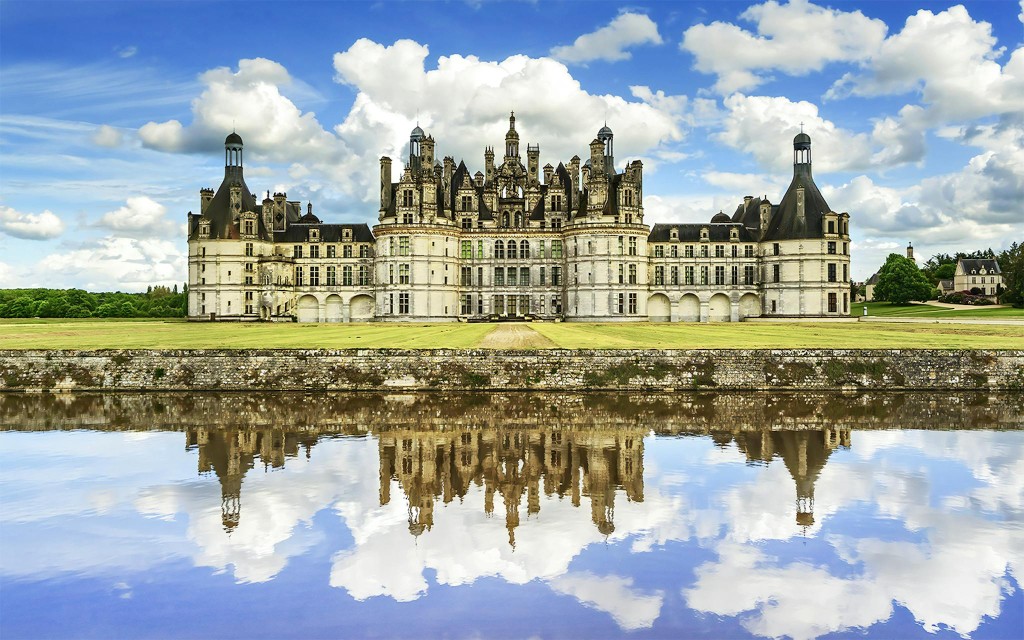
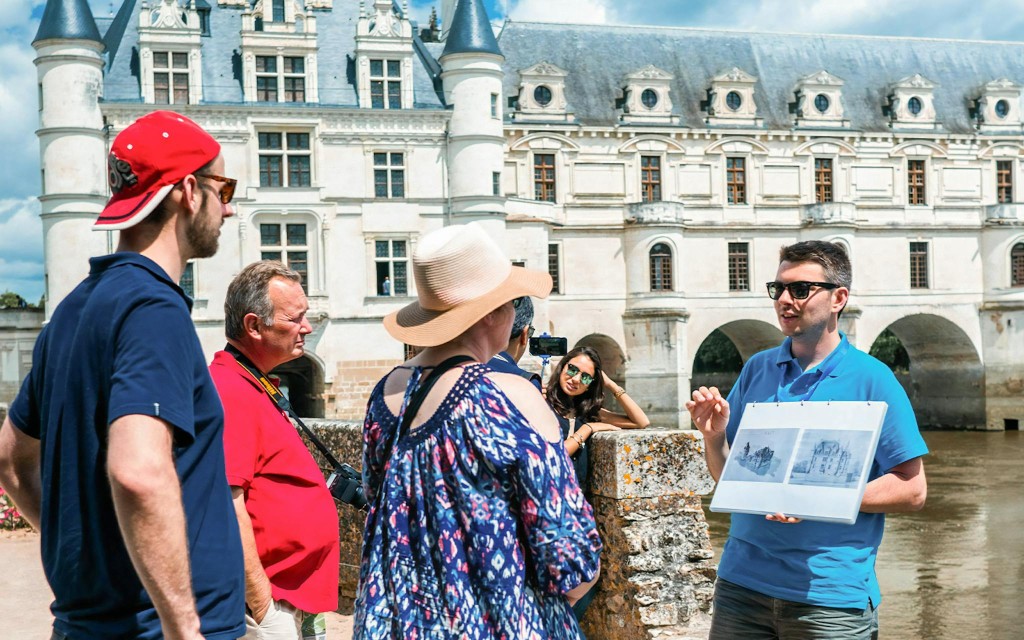
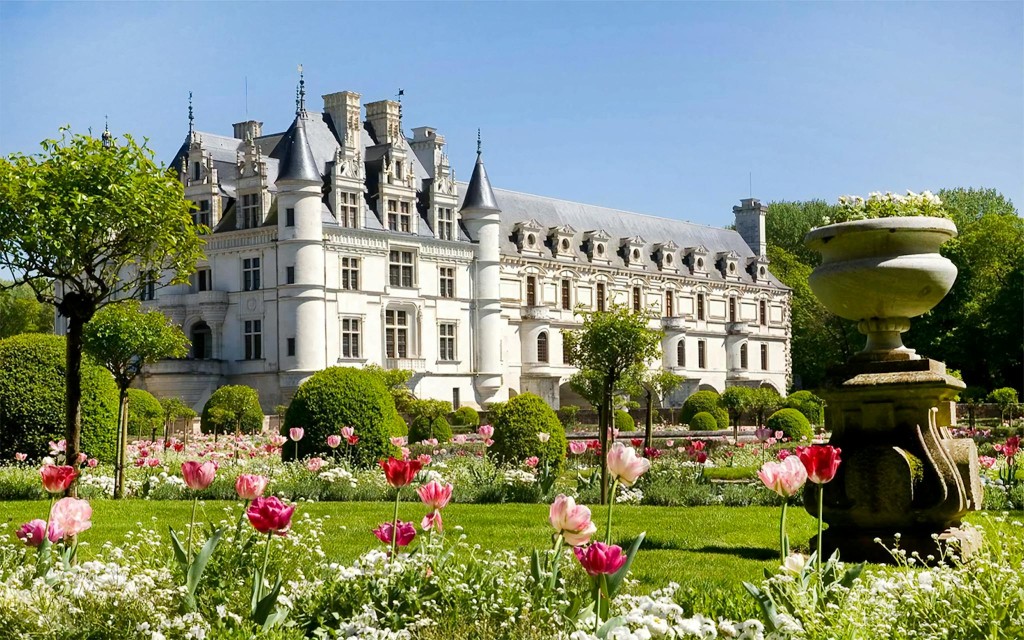
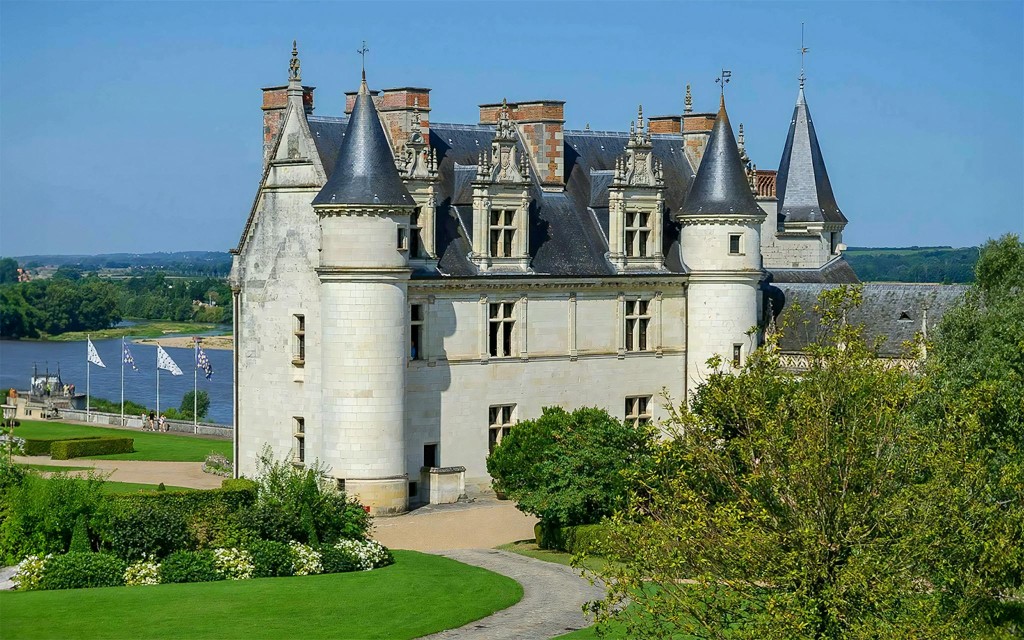
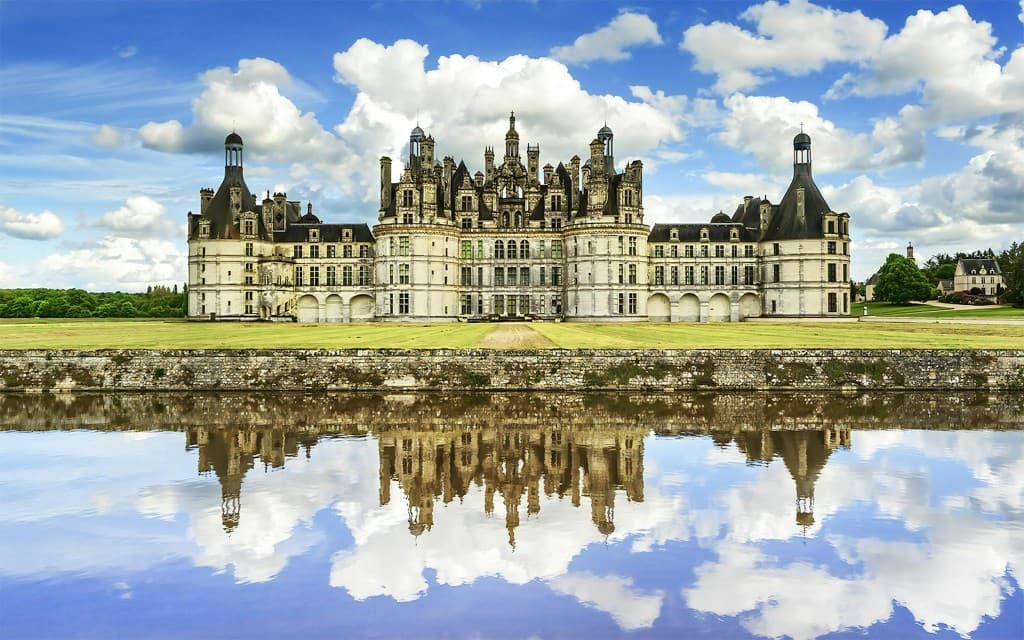
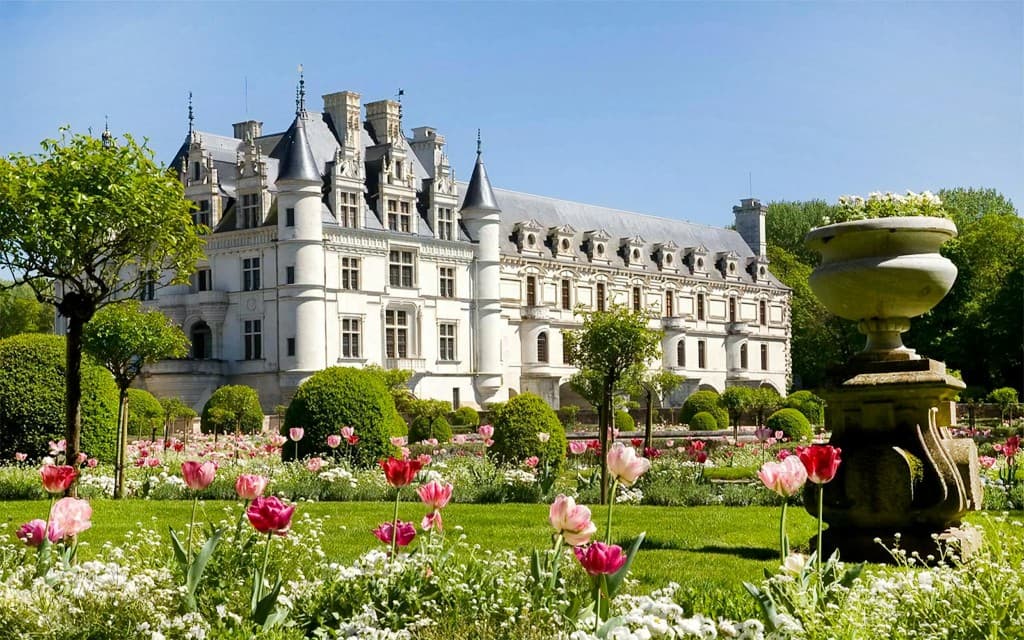
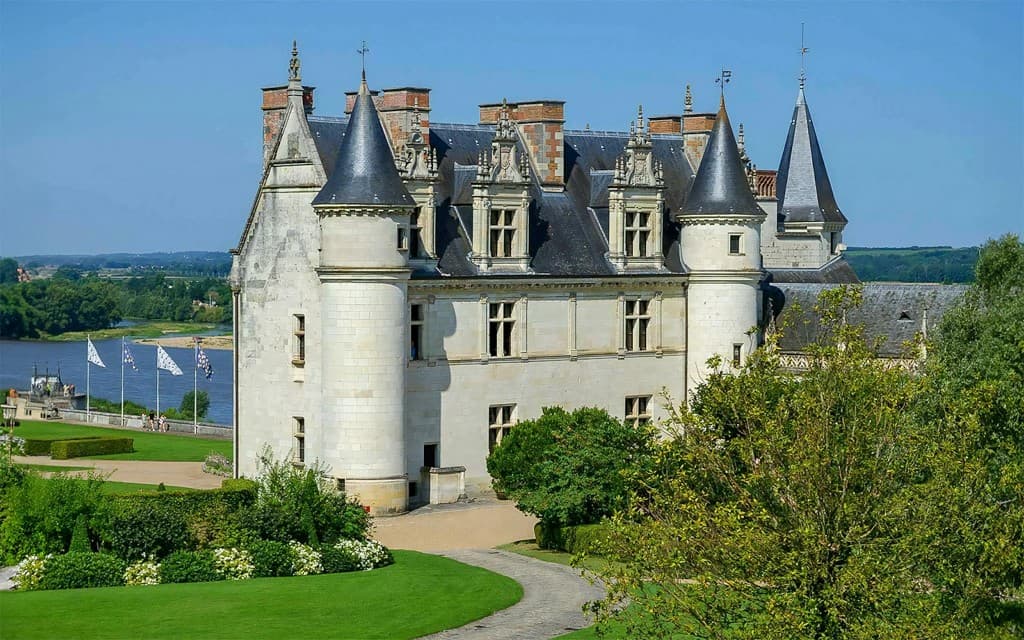
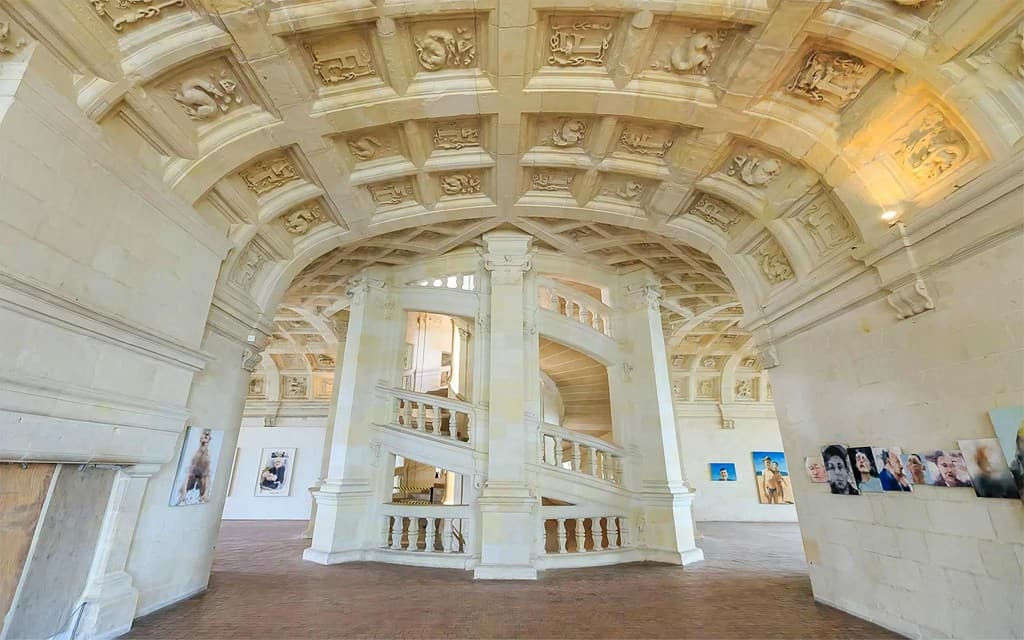
The history of the Loire Valley is deeply intertwined with the history of France itself, particularly during the Renaissance. From the 10th century onwards, the region became strategically important due to its central location and the Loire River, a vital waterway. During the Hundred Years' War, the Loire became a crucial border, leading to the construction of numerous fortified castles. The true golden age of the Loire Valley began in the 15th and 16th centuries when French kings, including Charles VII, Louis XI, Charles VIII, Louis XII, and Francis I, chose to reside here. They transformed existing fortresses into luxurious Renaissance palaces, drawing inspiration from Italian architecture and art. This royal patronage attracted many artists and intellectuals, including Leonardo da Vinci, who spent his final years in Amboise. The châteaux served as symbols of power, wealth, and sophisticated living, shaping the region's cultural landscape. After the French court moved permanently to Paris in the 17th century, the Loire Valley retained its prestige as a playground for French aristocracy and a region of significant historical importance.