O que está incluído
- Acesso com hora marcada à Torre de Pisa
- Acesso à Catedral de Pisa, ao Batistério de São João, ao Camposanto de Pisa, ao Museu Opera del Duomo e ao Museu Sinopie
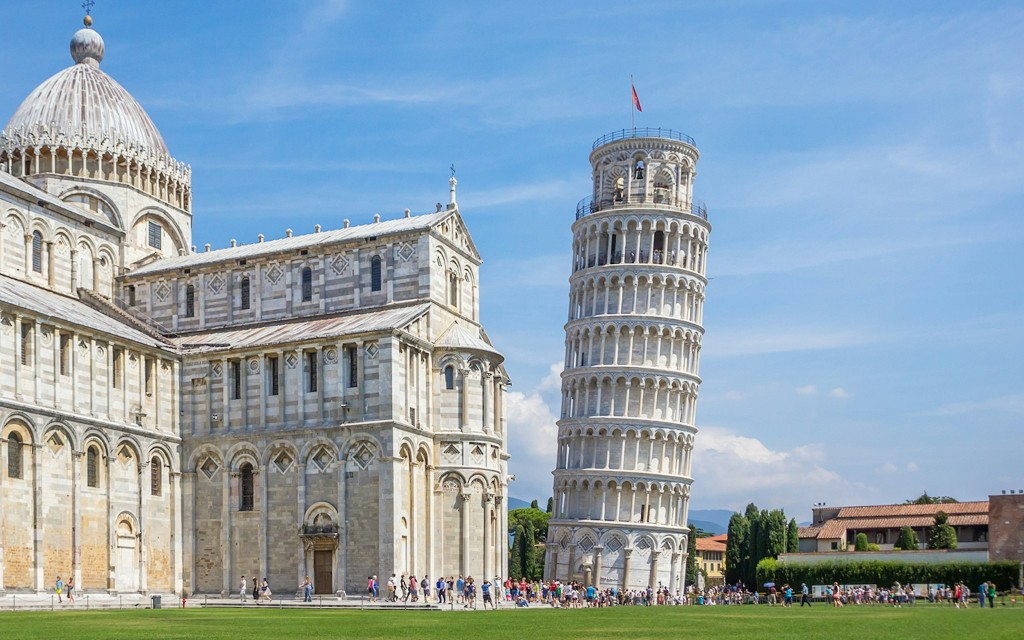
Explore the beauty and unique architecture of the Leaning Tower of Pisa through these stunning photos.
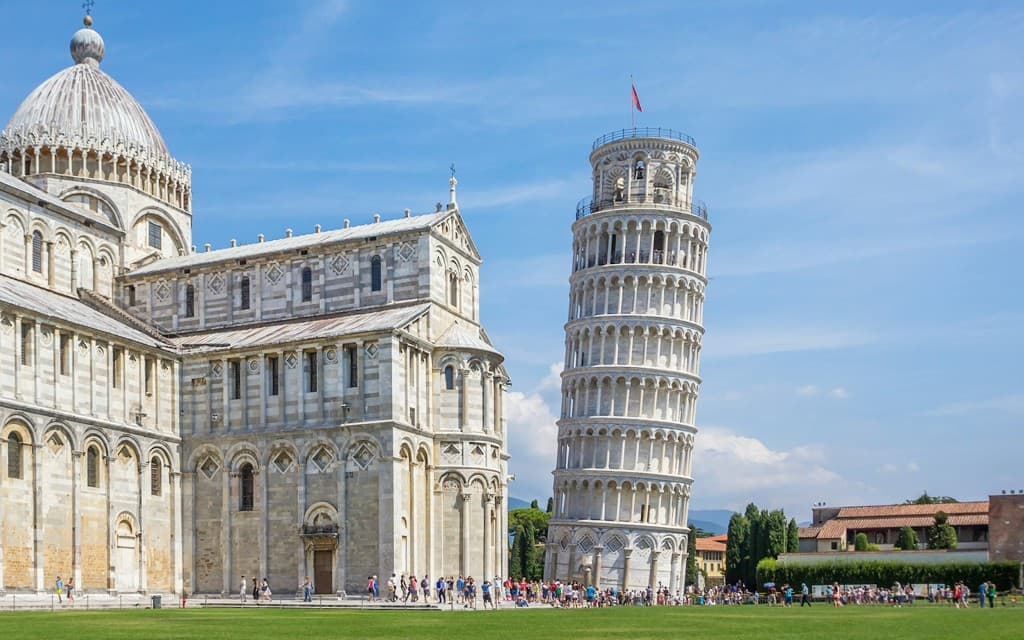
The Leaning Tower of Pisa, or simply the Tower of Pisa, is one of Italy's most iconic landmarks, drawing visitors from across the globe to witness its unique architectural flaw. Located in the charming city of Pisa, Tuscany, this freestanding bell tower is renowned for its unintended tilt, a result of unstable ground beneath its foundation. The tower stands as a testament to architectural ingenuity and historical significance, offering breathtaking views of the surrounding cityscape and the Piazza dei Miracoli. Its presence evokes a sense of wonder and awe, inviting visitors to capture unforgettable memories against the backdrop of this enduring symbol of Italy. A visit promises an enriching experience, blending history, art, and stunning panoramic vistas.
Explore o Complexo Monumental de Pisa com acesso à Torre Inclinada, à Catedral, ao Batistério e ao Museu da Ópera em uma única visita.
Tudo começa na entrada principal da Piazza del Duomo, onde você validará seu ingresso e passará pelos controles de segurança. Depois, é só seguir as placas indicativas para chegar aos monumentos.
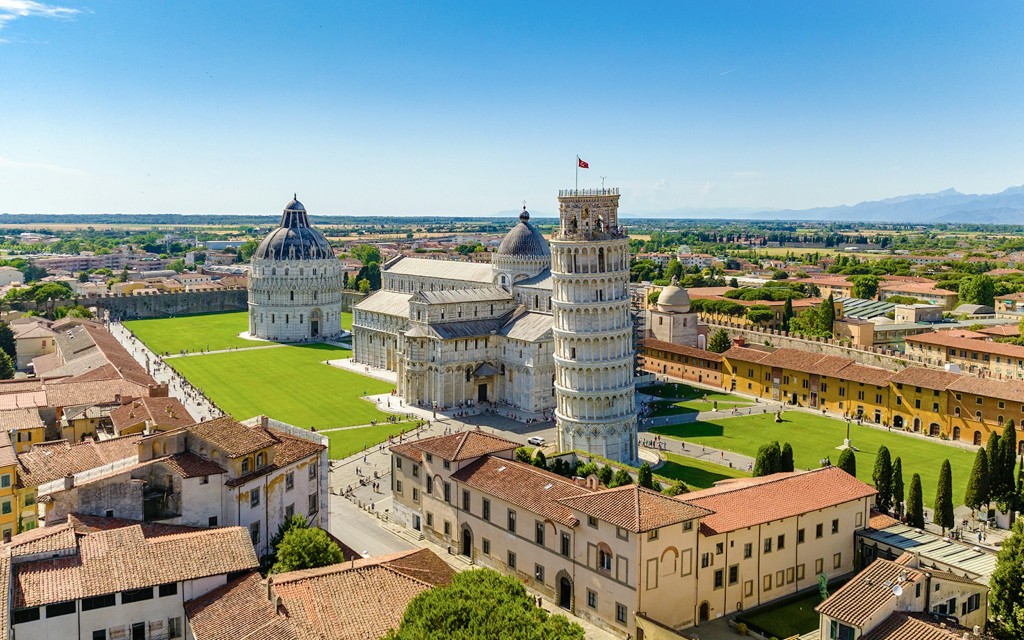
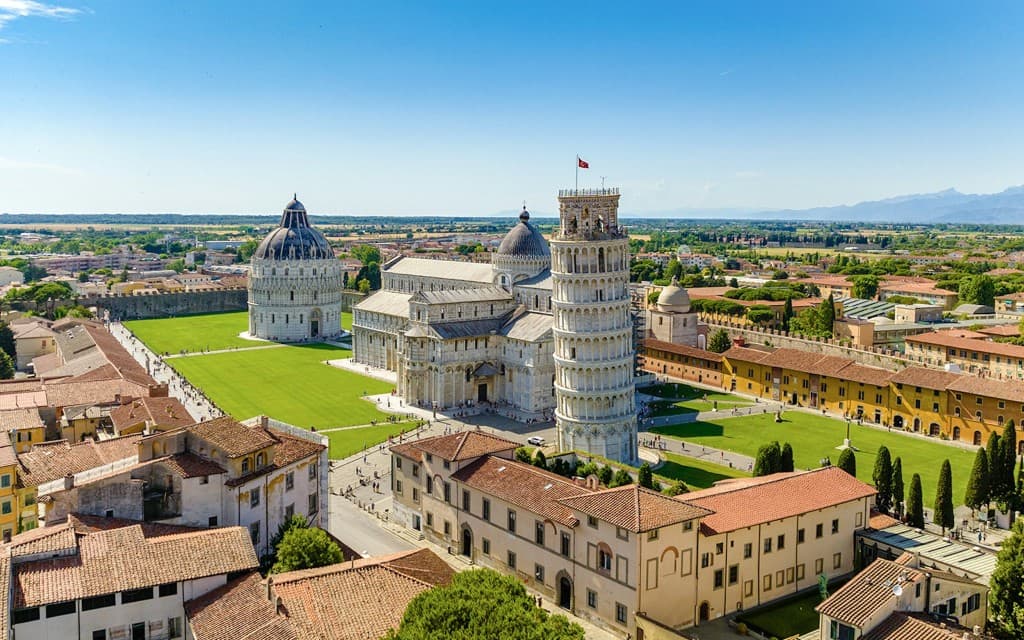
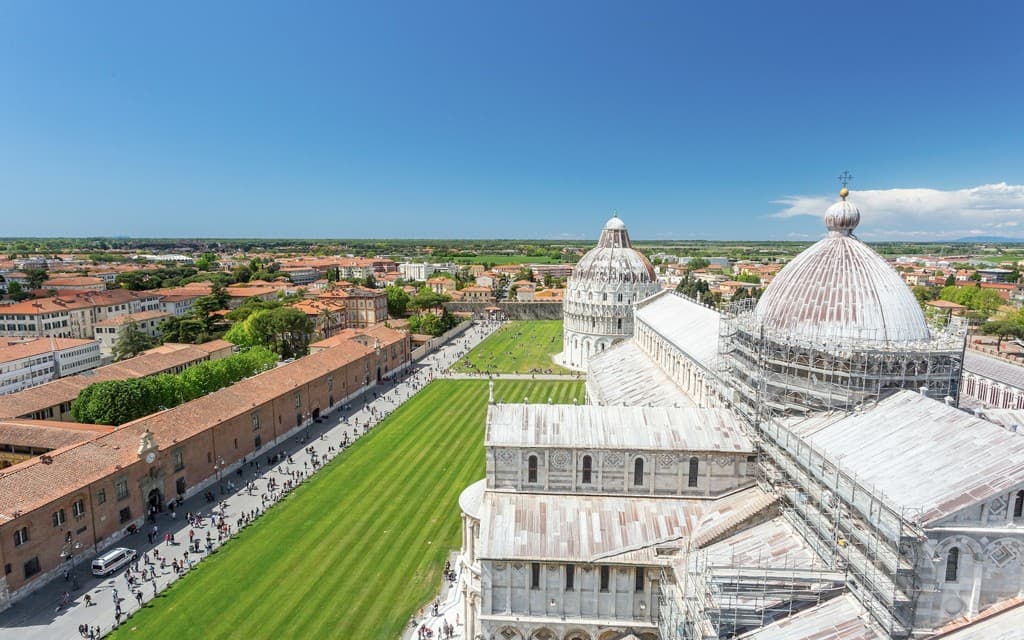
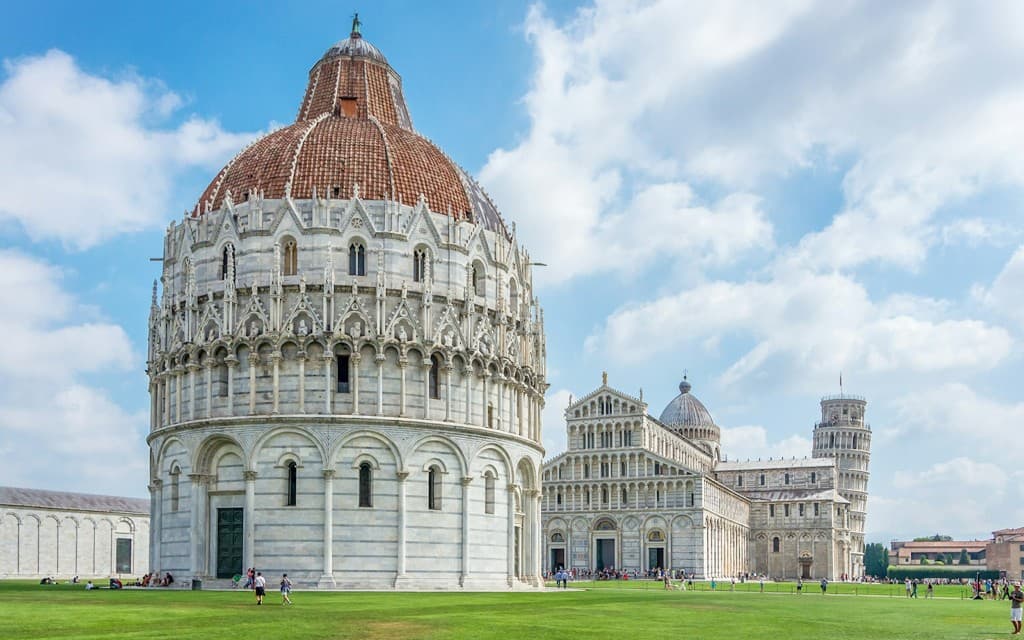
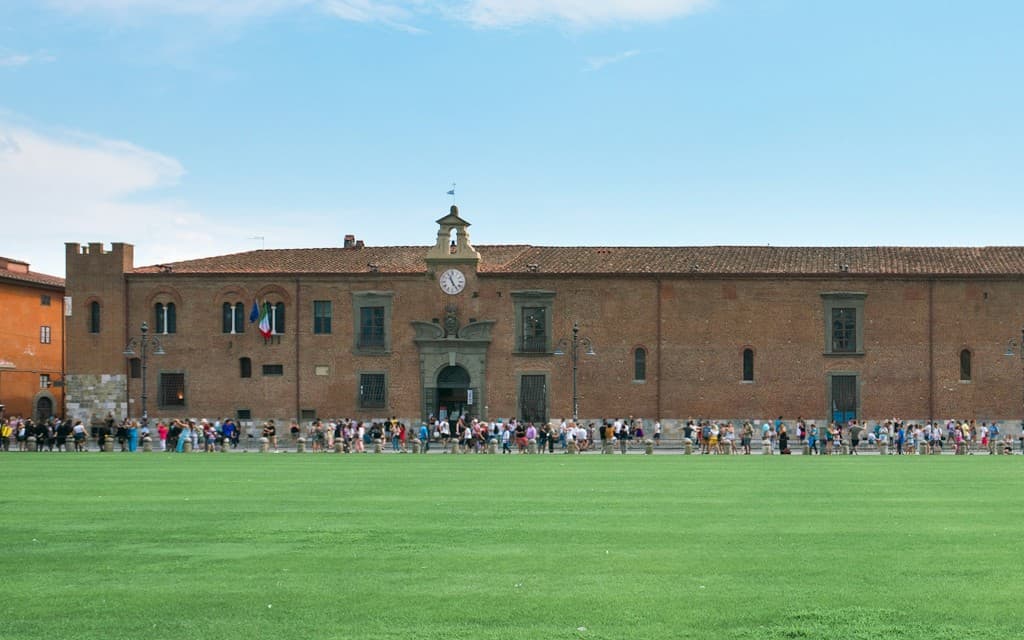
Este complexo, que faz parte do Patrimônio Mundial da UNESCO, reúne quatro monumentos icônicos em uma única praça. Cada um deles conta um capítulo da história artística e religiosa de Pisa, revelando séculos de inovação arquitetônica.
Torre de Pisa: Ao entrar na torre, suba os 297 degraus em espiral. Durante o percurso, dá pra sentir a inclinação da estrutura. Quando chegar ao topo aprecie as belíssimas vistas de Pisa.
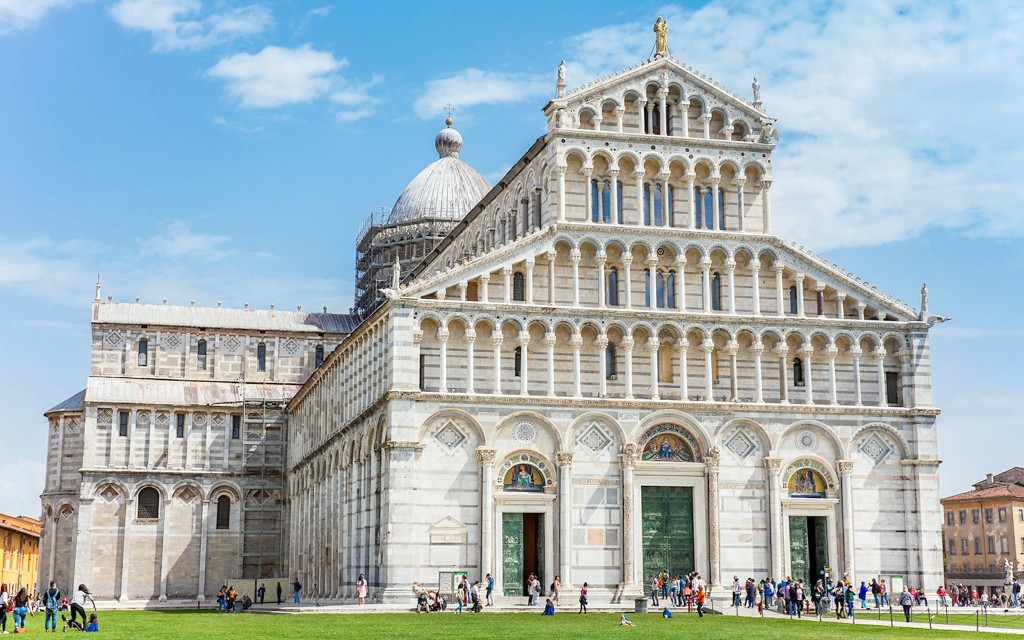
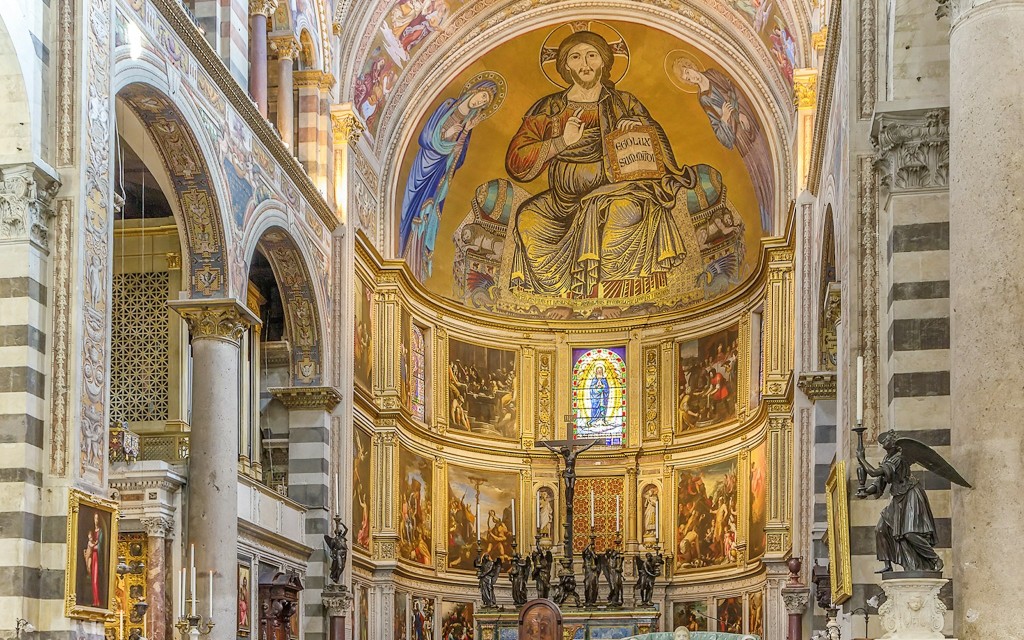
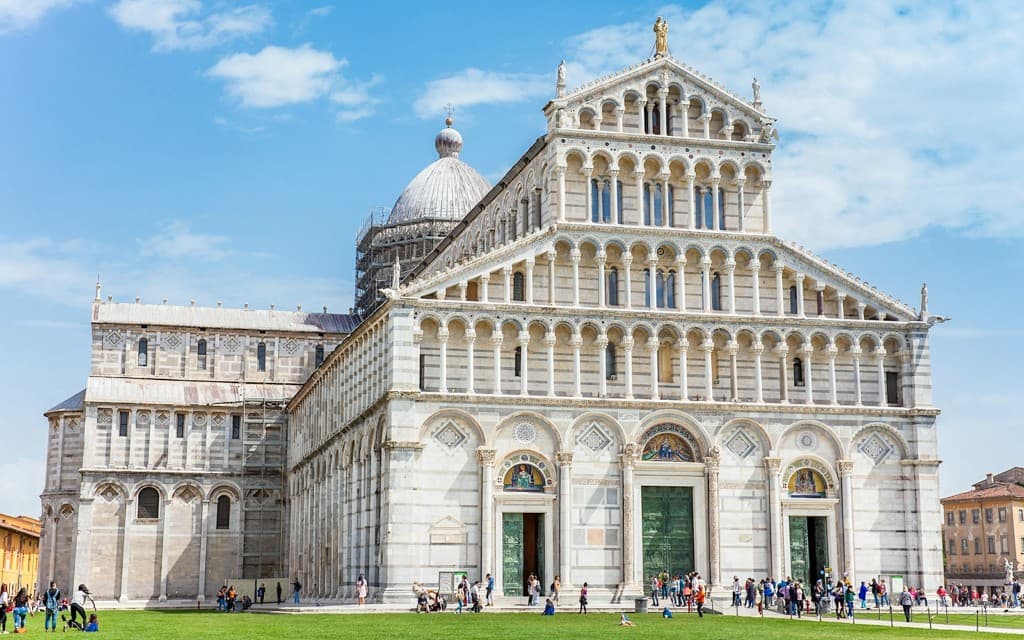
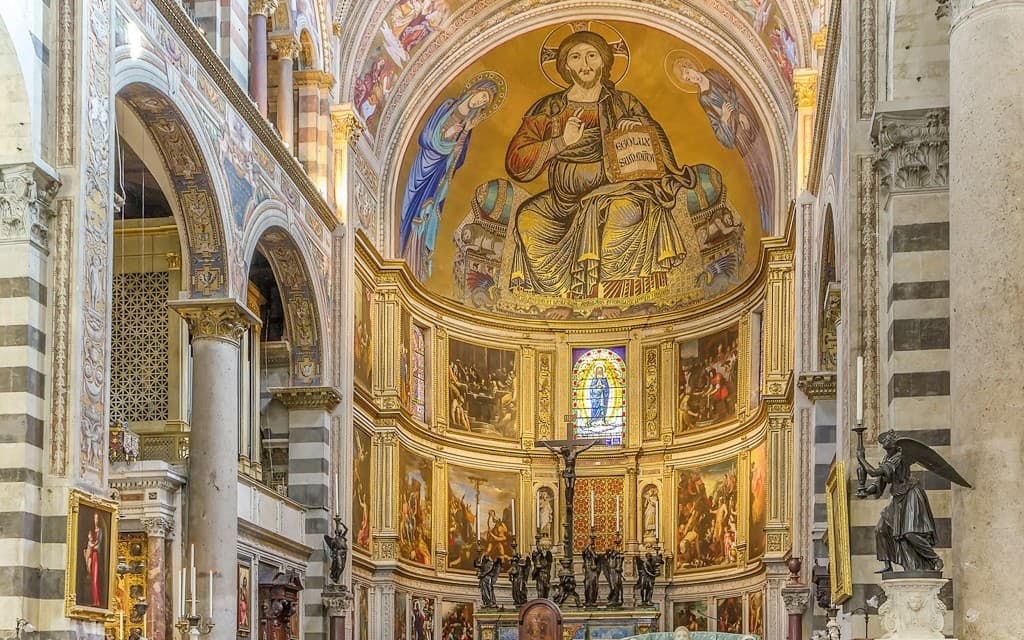
Catedral (Duomo di Pisa): Maravilhe-se com as colunas de mármore, os mosaicos dourados e os vitrais coloridos que enchem o espaço da Catedral com uma aura majestosa.
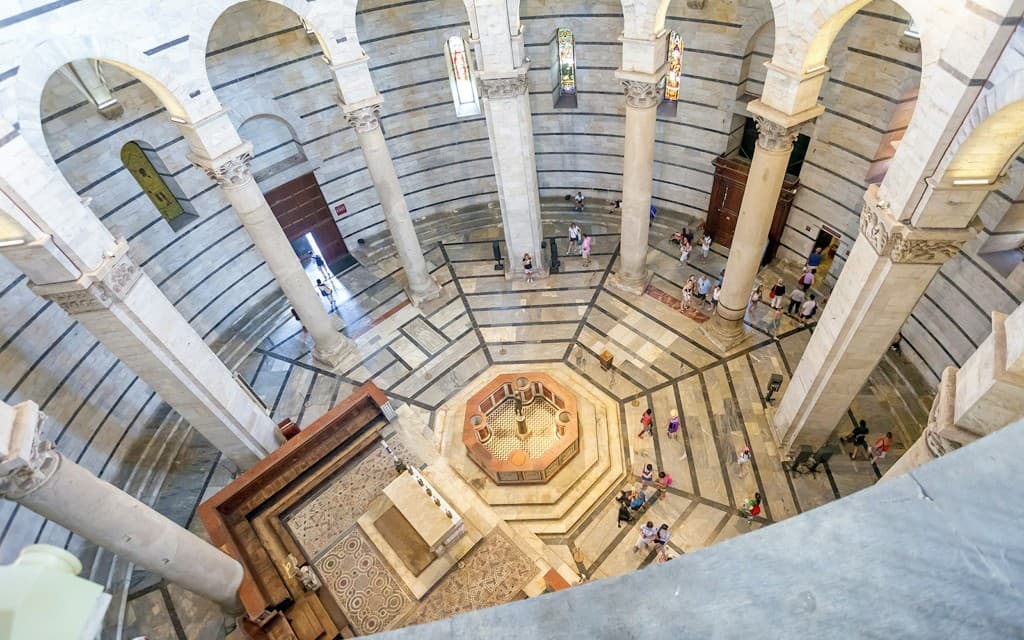
Batistério de São João: Sob a grande cúpula, a acústica é tão precisa que até um sussurro pode ser ouvido com nitidez em todo o espaço.
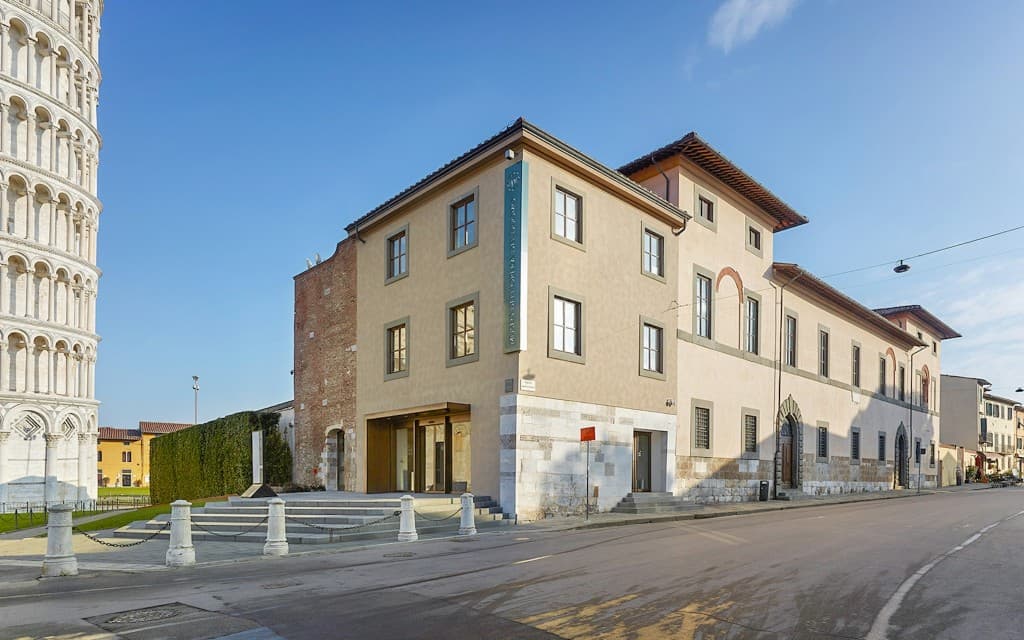
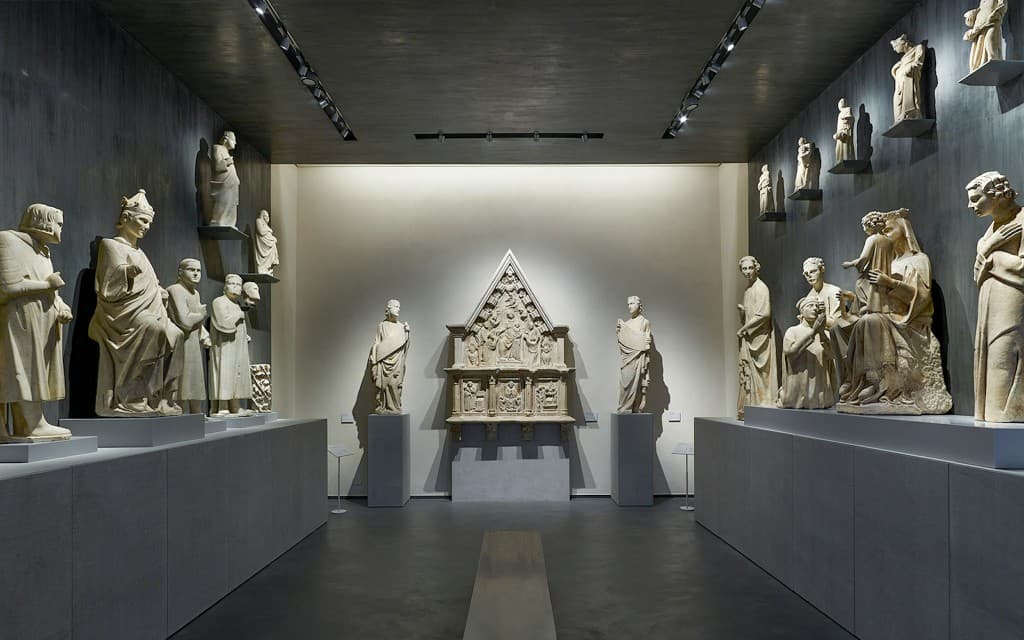
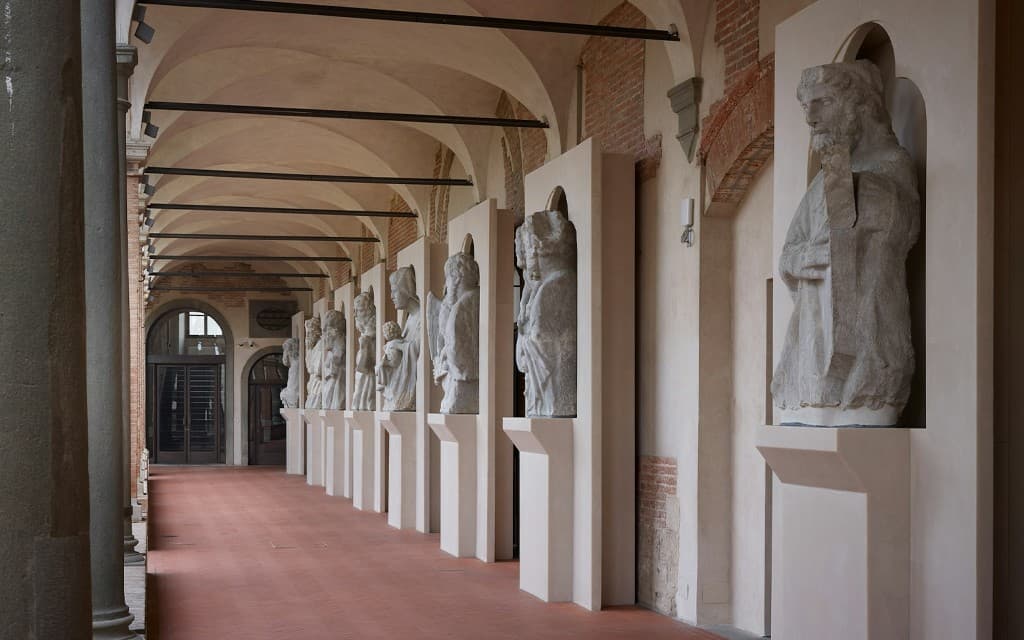
Museu Opera del Duomo: Explore uma notável coleção de esculturas originais, obras de arte e artefatos sagrados que, no passado, decoravam os monumentos da praça.
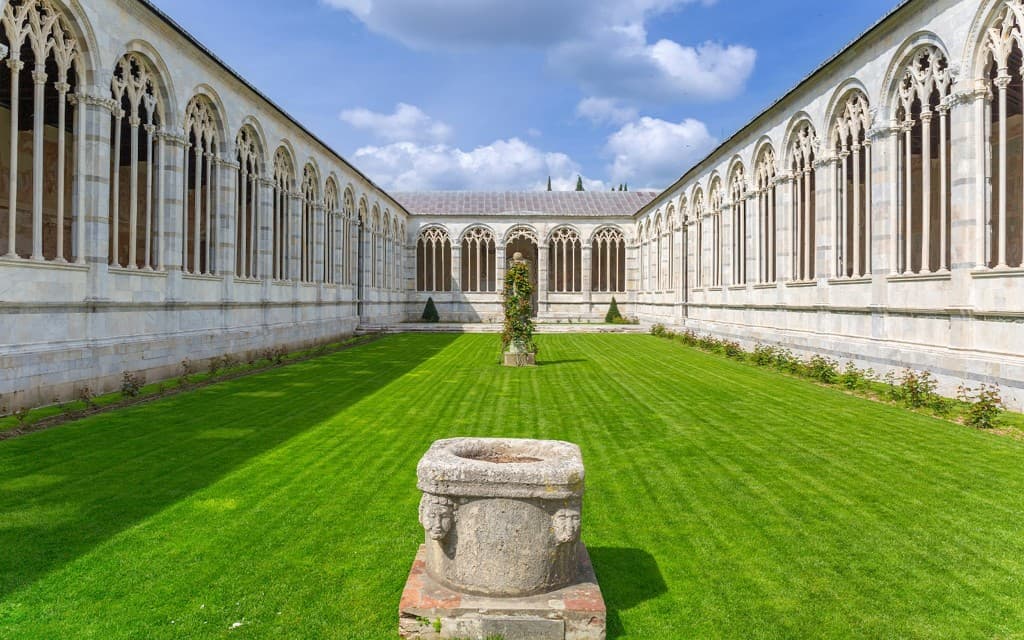
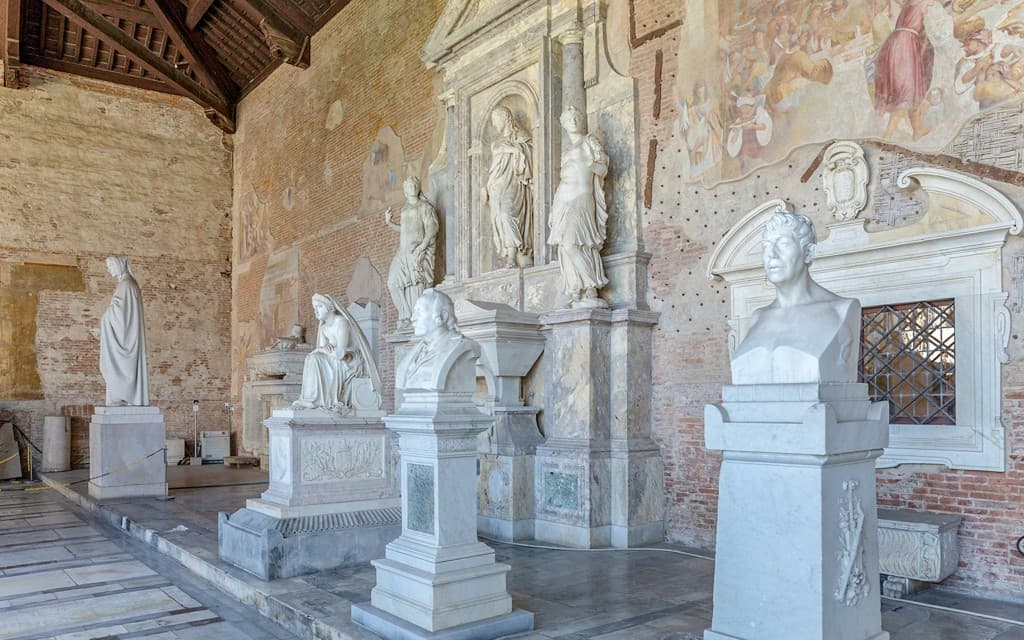
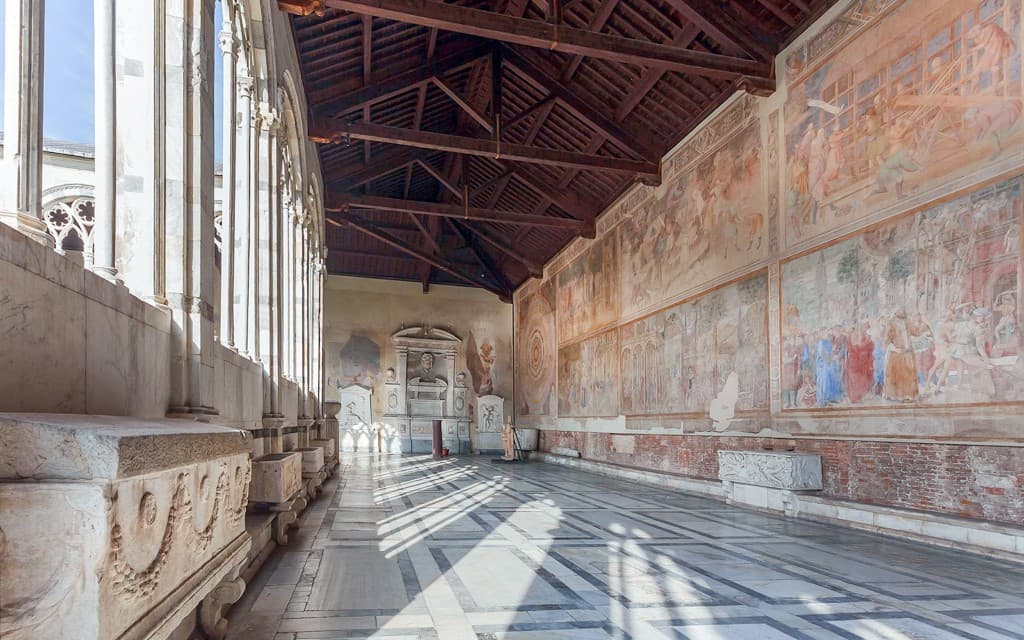
Pisa Camposanto: Caminhe por esse cemitério tranquilo, cercado por afrescos medievais e sarcófagos antigos que contam histórias da antiguidade.
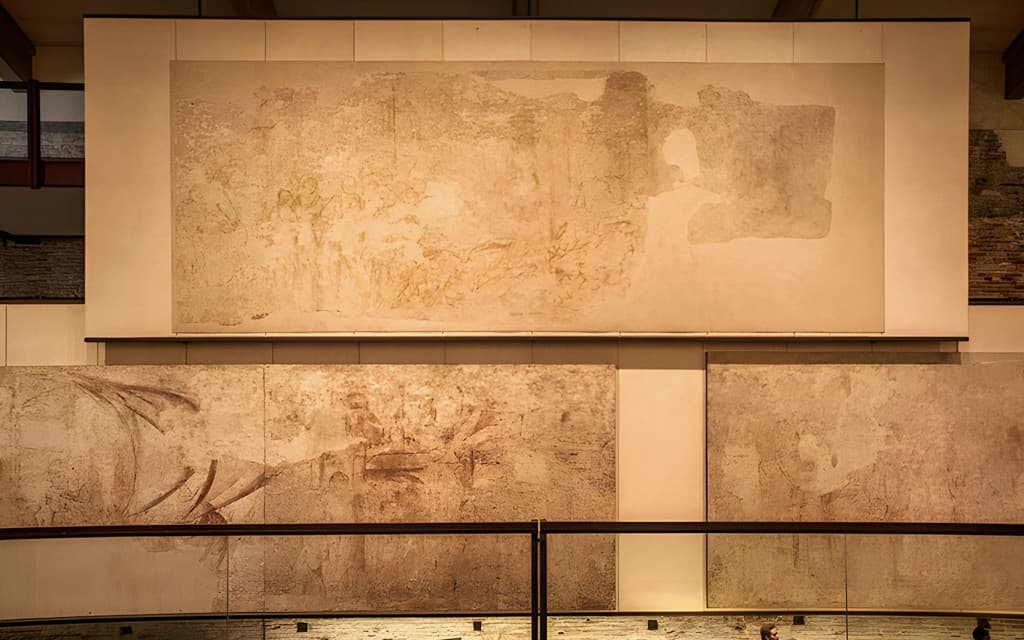
Museo delle Sinopie: Conclua seu passeio pelo complexo descobrindo os impressionantes esboços em vermelho-ocre que revelam o processo criativo por trás dos afrescos de tirar o fôlego do Camposanto.
São 273 degraus íngremes até o topo, sem elevador. Por isso, a subida na torre é inacessível para cadeirantes e visitantes com problemas cardiovasculares.
Crianças menores de 8 anos não podem subir na torre. Além disso, visitantes com idade entre 8 e 18 anos devem estar acompanhados de um adulto.
A entrada com hora marcada para a Torre de Pisa é bem rigorosa, então chegue com 15 minutos de antecedência. Atrasos não serão tolerados.
Se o horário que você escolheu não estiver disponível devido à alta demanda, um novo horário será atribuído dentro de uma hora antes ou depois da sua escolha original. Vale lembrar que o tempo de permanência no topo da torre é limitado a 30 minutos.
O acesso à catedral é gratuito, mas você precisa de um passe com hora marcada se for visitá-la por conta própria. Esse passe está automaticamente incluído em qualquer ingresso para o Complexo de Pisa, incluindo o ingresso para a Torre.
Lembre-se de usar roupas discretas que cubram os joelhos e os ombros, pois a visita inclui a entrada na Catedral e no Batistério.
The Leaning Tower of Pisa, an iconic symbol of architectural imperfection turned into a celebrated landmark, stands as the bell tower of the Pisa Cathedral. Its construction began in the 12th century, and shortly after, the tower started to lean due to the soft ground on which it was built. This unintended tilt has made it famous worldwide. The tower is approximately 55 meters tall and is a prime example of Romanesque architecture, adorned with intricate marble detailing and elegant arches.
It is located in the Piazza dei Miracoli (Square of Miracles), a UNESCO World Heritage Site that also includes the Pisa Cathedral, Baptistery, and Camposanto Monumentale. Despite its lean, structural engineers have worked to stabilize the tower, ensuring its safety for visitors. Today, the Leaning Tower of Pisa continues to captivate visitors with its charm and historical significance. Climbing to the top offers not only a unique physical experience but also panoramic views of Pisa and the surrounding Tuscan landscape. It remains a symbol of human endeavor, a blend of artistry, science, and history that has stood the test of time.
Booking your Leaning Tower of Pisa tickets online offers a seamless and stress-free experience. While tickets can be purchased on-site, access is strictly limited and operates with timed entry. During busy months, climb slots frequently sell out days or even weeks ahead, and same-day availability is rare.
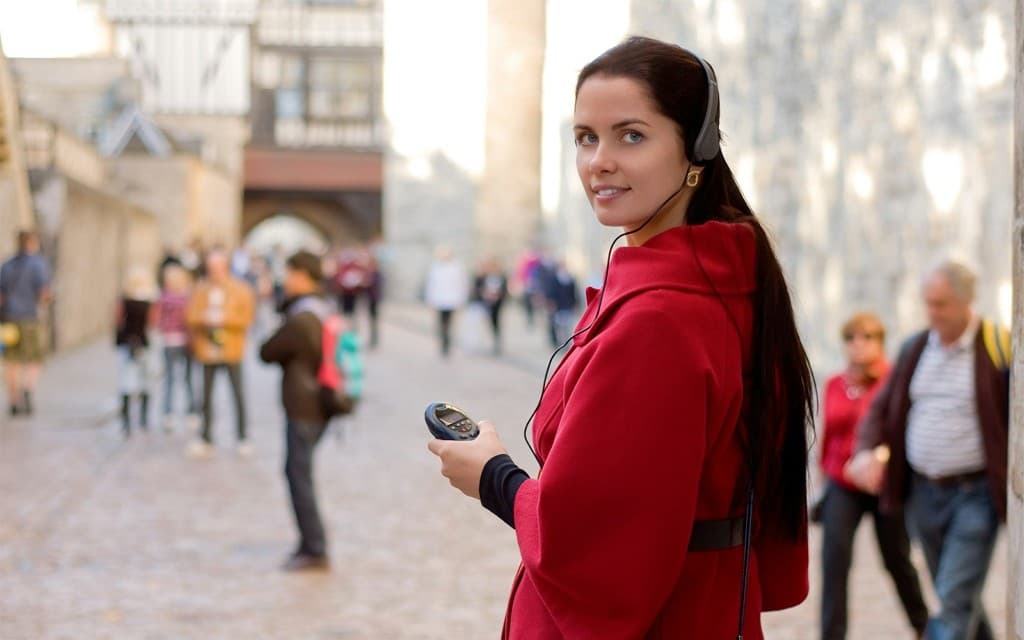
Booking in advance guarantees your moment to enter and helps you avoid long ticket office lines in the square. It also lets you compare simple tower entry with guided or multi-monument formats before arriving. Online reservations make planning easier, especially if you want extras such as audio guides, expert tours, or combined access across the complex. On our website, you can review verified options, inclusions, and often find online deals and discounts.
The construction of the Leaning Tower of Pisa began in 1173 and took nearly 200 years to complete due to various interruptions, including wars. Shortly after construction began, the tower started to sink and lean due to the unstable subsoil, which consisted of soft clay and sand. Efforts were made to compensate for the lean during construction, but they were largely unsuccessful. Over the centuries, the tower's lean increased, leading to concerns about its stability.
In the 20th century, extensive engineering work was undertaken to stabilize the tower and prevent its collapse. Soil was removed from beneath the north side of the tower to reduce the tilt, and a system of counterweights was added. These efforts successfully reduced the lean by several degrees, ensuring the tower's safety for future generations.
The Leaning Tower of Pisa has become an iconic symbol of Italy and a testament to human ingenuity in the face of architectural challenges. Its history is a blend of ambition, error, and ultimately, preservation, making it a captivating landmark for visitors from around the world.
The Leaning Tower of Pisa is open every day, although schedules can shift slightly depending on the season.
Regular hours:
The best time to visit the Leaning Tower of Pisa is early in the morning or later in the afternoon, when tour groups thin out and temperatures are more comfortable. These hours also provide softer light across the square, which is ideal for photography.
Across the year, spring and early autumn usually offer the most pleasant balance between climate and crowd levels. June brings special events such as the Luminara, creating a festive atmosphere but also higher demand.
The Leaning Tower of Pisa offers a unique interior experience that complements its iconic exterior. As you ascend the spiraling staircase, you'll notice the walls curving along with the tower's lean. There are 273 steps to reach the top, and along the way, you'll find viewing platforms that offer glimpses of the surrounding cityscape.
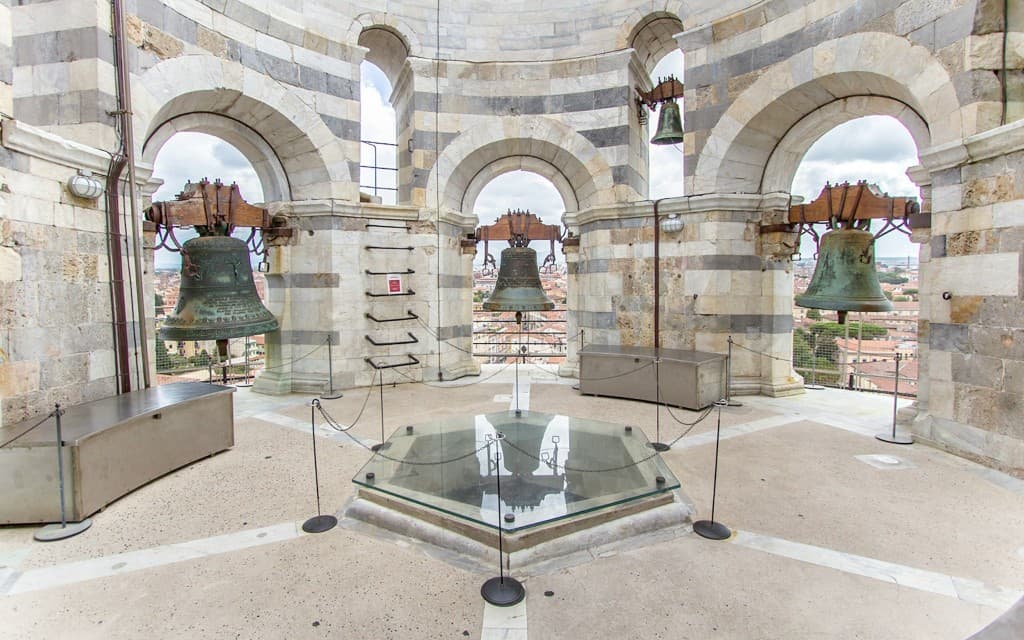
At the summit, you'll be rewarded with panoramic views of Pisa, the Piazza dei Miracoli, and the rolling Tuscan hills. The bell chamber at the top houses seven bells, each tuned to a different note. While the bells no longer ring to prevent further stress on the structure, they remain a testament to the tower's original purpose.
The interior walls are relatively simple, but the experience of climbing a leaning structure is extraordinary. The Leaning Tower of Pisa provides a memorable journey that blends architectural wonder with historical significance.
The tower is only one part of a much larger monumental ensemble. The surrounding square contains several major sites that together explain Pisa’s religious, artistic, and political importance during the Middle Ages.
Together, these sites create a fuller understanding of the complex and are often easier to visit when booked as part of a combined ticket.
Before booking your Leaning Tower of Pisa tickets, keep the following in mind:
The Leaning Tower of Pisa is more than just a quirky architectural marvel; it's an experience that resonates with history, art, and human endeavor. Standing in the Piazza dei Miracoli, gazing up at the iconic tower, is a moment that etches itself into your memory. Climbing to the top offers not only panoramic views but also a unique physical sensation as you navigate the leaning structure. The Leaning Tower of Pisa is a symbol of perseverance, a testament to the challenges and triumphs of human innovation. Whether you're an architecture enthusiast, a history buff, or simply a traveler seeking unforgettable moments, the Leaning Tower of Pisa is undoubtedly worth a visit. It provides a blend of awe, wonder, and historical significance that will leave you with lasting memories of your time in Italy.
You can reserve timed-entry tickets online in advance. Booking ahead is the most reliable way to secure a climbing slot and plan your visit with confidence.
Comparing options online allows you to see availability, inclusions, and upgrade formats before you arrive in the square.
A limited number may be sold at the ticket office, but same-day availability is uncommon in busy periods and queues can be long.
Yes. Walking inside the tilted structure and reaching the panoramic top is very different from viewing it only from the outside.
The visit usually lasts around 30 minutes, including the ascent, time at the top, and the descent.
Yes. Children under 8 are not permitted, and minors must be accompanied by an adult. The steep stairs may also be unsuitable for visitors with mobility or heart concerns.
Comfortable, secure footwear is strongly recommended due to the worn marble steps. There is no strict dress code.
Large items are not allowed during the climb and usually need to be left in the free storage area nearby.
Early morning and late afternoon typically offer lighter crowds and better temperatures.
Yes. Extensive stabilization work allows visitors to enter under controlled and monitored conditions.
The Leaning Tower of Pisa is located in the Piazza dei Miracoli. The easiest way to get there is by bus from Pisa Central Station. Several bus lines serve the area around the Piazza dei Miracoli. You can also walk from the city center, which takes approximately 20-30 minutes.