

O que está incluído
- Passeio guiado a pé de 3 horas pelo Boulevard Olímpico
- Entrada no AquaRio e o Museu do Amanhã
- Guia especializado fluente em português, inglês e espanhol
- Traslados do hotel em ônibus com ar condicionado
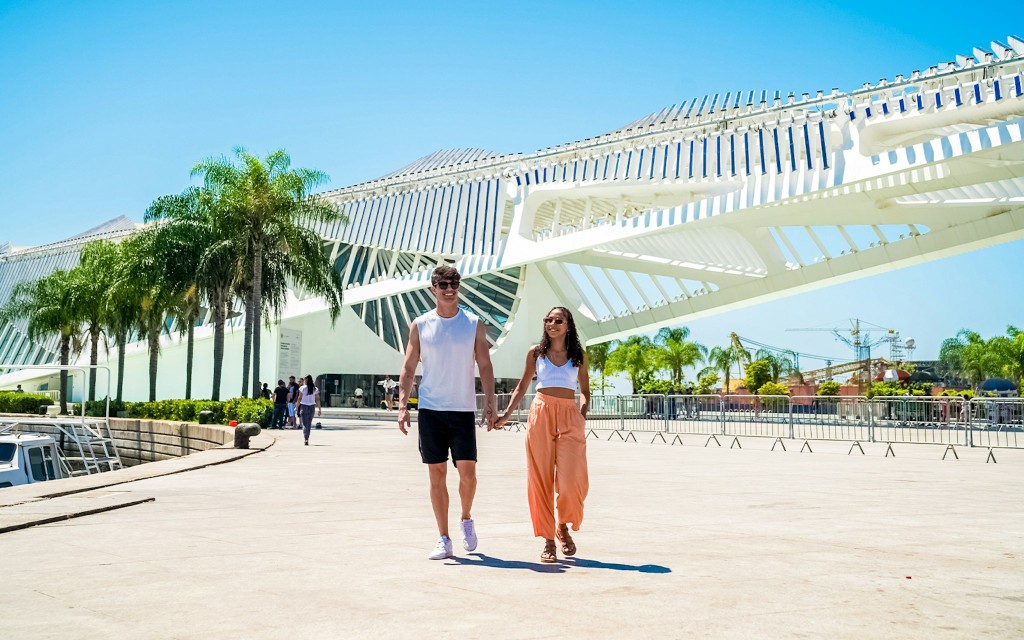
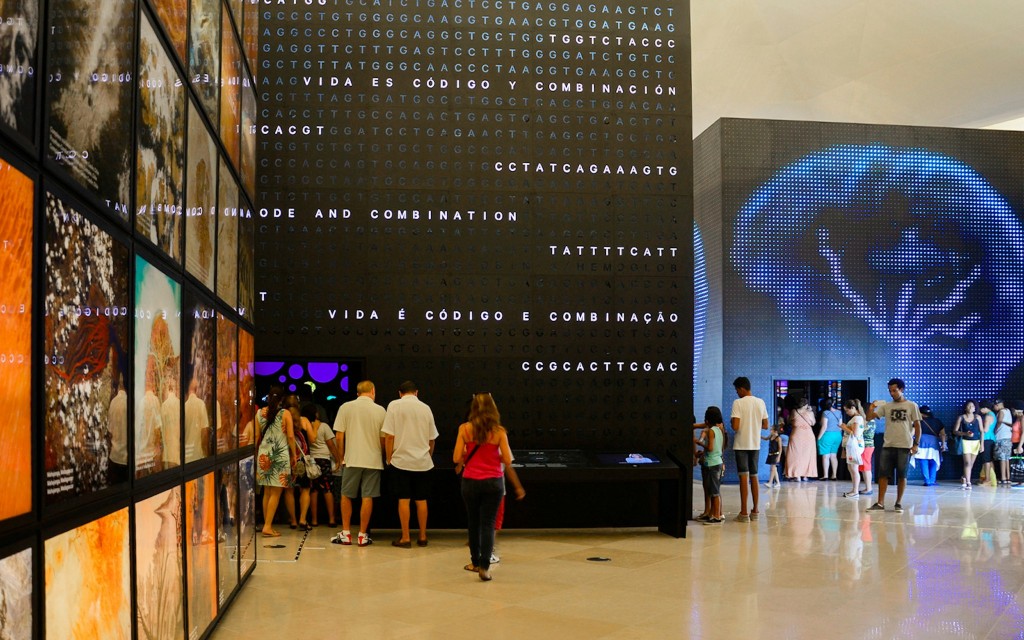
Explore the Museum of Tomorrow through these captivating photos, showcasing its stunning architecture and engaging exhibits.
The Museum of Tomorrow (Museu do Amanhã) in Rio de Janeiro is an applied science museum that explores the opportunities and challenges that humanity will face in the coming decades. Located on Pier Mauá, this iconic structure, designed by Santiago Calatrava, has become a symbol of Rio's revitalization. The museum blends science, technology, and art to engage visitors in thinking about sustainable futures. Interactive exhibits tackle climate change, biodiversity, and societal challenges, making it an educational experience for all ages. The museum's architecture and waterfront location also offer stunning views of Guanabara Bay, enhancing the overall experience.
There is no specific dress code for visiting the Museum of Tomorrow. Comfortable attire and shoes are recommended, as you'll be doing a fair amount of walking and standing. Consider bringing a light jacket, as the interior may be air-conditioned.
Descubra os ícones do Rio com visitas guiadas ao AquaRio, ao Museu do Amanhã e ao Boulevard Olímpico.
Você começa o dia com o conveniente embarque no hotel em bairros selecionados. Encontre seu guia profissional, que descreverá o itinerário e garantirá que todos os ingressos estejam prontos antes de você embarcar no veículo com ar condicionado para sua aventura.
Neste tour guiado, você encontrará os pontos turísticos e destaques culturais mais famosos do Rio de Janeiro, oferecendo uma visão da história, da arquitetura e do espírito vibrante da cidade.
Destaques
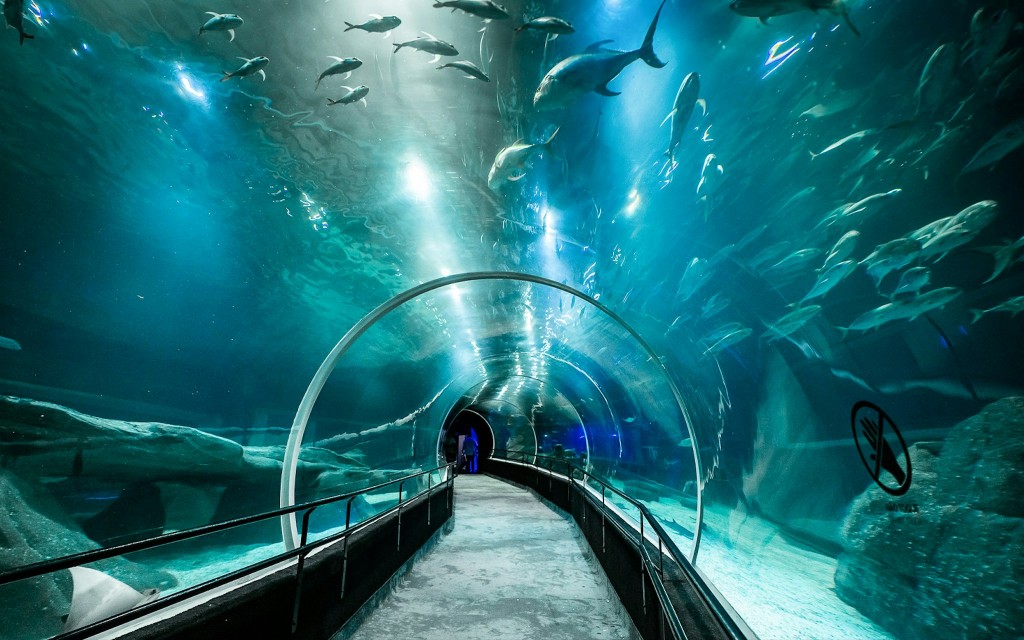
AquaRio: Explore o maior aquário do Brasil, que abriga diversas espécies marinhas e exposições interessantes sobre a conservação dos oceanos.
Museu do Amanhã: Visite este inovador museu de ciências, conhecido por sua arquitetura impressionante e exibições interativas sobre sustentabilidade e o futuro.
Boulevard Olímpico: Passeie por essa área revitalizada à beira-mar, com arte de rua e locais dos Jogos Olímpicos de 2016.
Comentários ao vivo em vários idiomas: Você terá uma compreensão mais profunda com os insights de seu guia em português, inglês e espanhol.
Tenha em mãos um documento de identidade válido com foto que corresponda ao nome da sua reserva, caso seja solicitado no momento da coleta ou entrada.
Use sapatos confortáveis para caminhar e roupas adequadas para o clima, pois o passeio acontece independentemente das condições meteorológicas.
Leve protetor solar, chapéu e óculos escuros para se proteger do sol durante as atividades ao ar livre.
Bolsas grandes, malas e bagagens de grandes dimensões não são permitidas no tour ou dentro das atrações por motivos de segurança.
Animais de estimação não são permitidos, exceto animais de serviço registrados.
Álcool, drogas e qualquer forma de intoxicação são estritamente proibidos.
Se o seu hotel não estiver dentro das zonas de embarque designadas, você será informado sobre o ponto de encontro mais próximo e o horário após a reserva.
O passeio é realizado em todas as condições climáticas. Procure vestir-se de acordo.
Essa experiência requer um número mínimo de participantes. Se houver cancelamento devido a um número insuficiente de reservas, uma data/experiência alternativa ou um reembolso total serão oferecidos.
Crianças com 2 anos ou menos não pagam, desde que não ocupem um assento.
Os menores de 18 anos devem apresentar um documento de identidade ou passaporte válido e estar acompanhados por um adulto.
O passeio a pé pelo Boulevard Olímpico dura aproximadamente 3 horas.
The Museum of Tomorrow is more than just a science museum; it's a visionary space designed to inspire critical thinking about the future. Its distinctive architectural design, resembling a futuristic spine, captures attention and complements its waterfront location. Inside, the museum presents complex topics like population growth, climate change, and resource depletion through engaging and accessible exhibits. The museum's narrative encourages visitors to consider how their actions today impact the world of tomorrow. It fosters discussions about sustainability, ethical consumption, and innovative solutions to global problems. The interactive displays and multimedia presentations cater to diverse audiences, making it an enriching experience for families, students, and international travelers. The Museum of Tomorrow aims to raise awareness and empower individuals to create a more sustainable and equitable future.
Booking your tickets online for the Museum of Tomorrow ensures a hassle-free visit. By purchasing in advance, you can skip potential ticket lines, especially during peak tourist seasons. Online booking often provides flexible entry times, allowing you to plan your day efficiently. Plus, you'll receive immediate confirmation, giving you peace of mind and more time to explore other attractions in Rio de Janeiro. Secure your spot and make the most of your museum experience.
The Museum of Tomorrow, or Museu do Amanhã, was conceived as part of the revitalization of Rio de Janeiro's port area. The project was initiated by the city government in collaboration with the Roberto Marinho Foundation. World-renowned architect Santiago Calatrava was commissioned to design the museum, drawing inspiration from the bromeliads of the Botanic Garden and the local Carioca culture. The museum opened its doors in December 2015, quickly becoming a landmark and a symbol of the city's commitment to innovation and sustainability. Its exhibits were developed in partnership with scientists, educators, and designers from around the world. Since its opening, the Museum of Tomorrow has welcomed millions of visitors and has received numerous awards for its architecture, exhibits, and educational initiatives. It continues to serve as a dynamic space for exploring the challenges and opportunities facing humanity in the 21st century.
The Museum of Tomorrow's opening hours can vary depending on the season and special events. Typically, it is open from Tuesday to Sunday, but it's best to check their website for the most up-to-date information before planning your visit. This will ensure that you can make the most of your time at the museum.
The best time to visit the Museum of Tomorrow is during the weekdays to avoid large crowds. Arriving shortly after opening can also provide a more relaxed experience. Rio de Janeiro's dry season (May to September) offers pleasant weather for exploring the museum and its surrounding areas.
Inside the Museum of Tomorrow, you'll encounter a series of immersive exhibits that delve into the planet's past, present, and possible futures. The 'Cosmos' section explores the origins of life, while the 'Earth' exhibit examines the impact of human activity on the environment. Other exhibits focus on topics like population trends, consumption patterns, and technological innovations. Interactive displays allow visitors to engage with complex data and consider different scenarios for the future. The museum also features temporary exhibitions that highlight specific scientific discoveries or cultural perspectives. The architecture itself is a key attraction, with its soaring spaces and panoramic views contributing to the overall visitor experience. Don't miss the opportunity to reflect on the challenges and opportunities facing humanity as you explore this thought-provoking museum.
Photography is generally allowed inside the Museum of Tomorrow, but flash photography may be restricted in certain areas. There is a café on-site where you can take a break and enjoy refreshments. The museum also offers guided tours in multiple languages, providing additional insights into the exhibits. Be sure to check for any temporary exhibition closures or special events happening during your visit.
To ensure a pleasant experience for all visitors, please refrain from eating or drinking inside the exhibition halls. Large bags and backpacks may be subject to inspection. Please follow the instructions of museum staff and respect the exhibits. Touching the displays may be restricted in certain areas to protect them.
The Museum of Tomorrow is absolutely worth visiting for its unique blend of architecture, science, and art. It offers a thought-provoking exploration of the challenges and opportunities facing humanity, inspiring visitors to think critically about the future. The interactive exhibits are engaging and educational for all ages. Plus, its waterfront location provides stunning views of Guanabara Bay and the surrounding cityscape. Whether you're a science enthusiast or simply looking for a unique cultural experience, the Museum of Tomorrow is a must-see attraction in Rio de Janeiro.
Yes, the Museum of Tomorrow is fully accessible for visitors with disabilities, including wheelchair access and accessible restrooms.
Yes, guided tours are available in English and other languages. Check the museum's website for tour schedules and availability.
Yes, you can bring your camera, but flash photography may be restricted in certain areas.
Yes, there is a cloakroom available for storing luggage and backpacks.
Yes, there is a café on-site where you can purchase food and beverages.
The nearest VLT (light rail) station is Parada dos Museus. Several bus lines also serve the area.
Booking tickets in advance is highly recommended, especially during peak season, to avoid long lines.
The museum's exhibits cover a wide range of topics, including climate change, biodiversity, population growth, and technological innovation.
The Museum of Tomorrow is easily accessible by public transportation. The nearest VLT (light rail) station is Parada dos Museus. Several bus lines also serve the area. If you prefer to walk, it's a pleasant stroll from Praça Mauá.
There is no specific dress code for visiting the Museum of Tomorrow. Comfortable attire and shoes are recommended, as you'll be doing a fair amount of walking and standing. Consider bringing a light jacket, as the interior may be air-conditioned.