O que está incluído
- Entrada no Coliseu
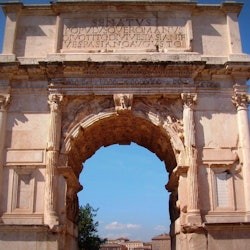
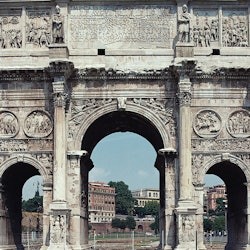
- Entrada no Fórum Romano e no Monte Palatino
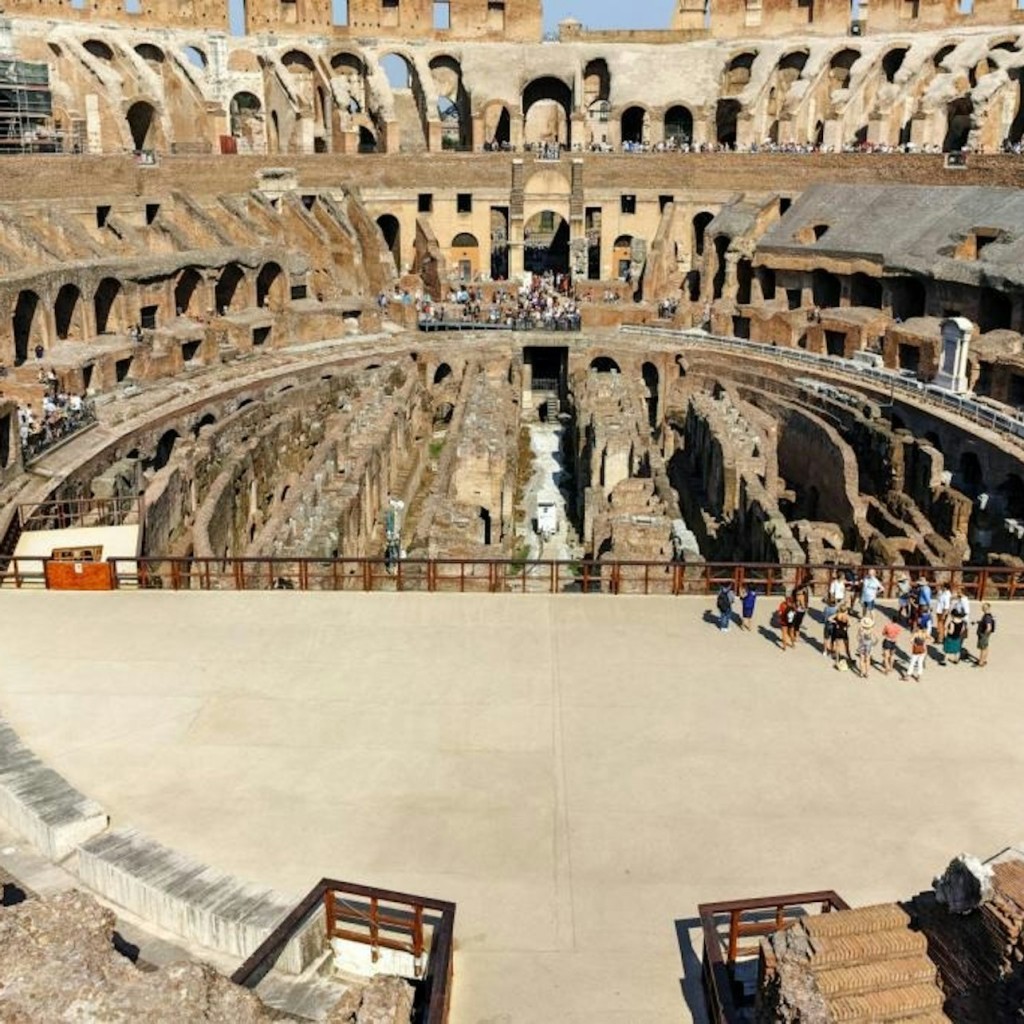
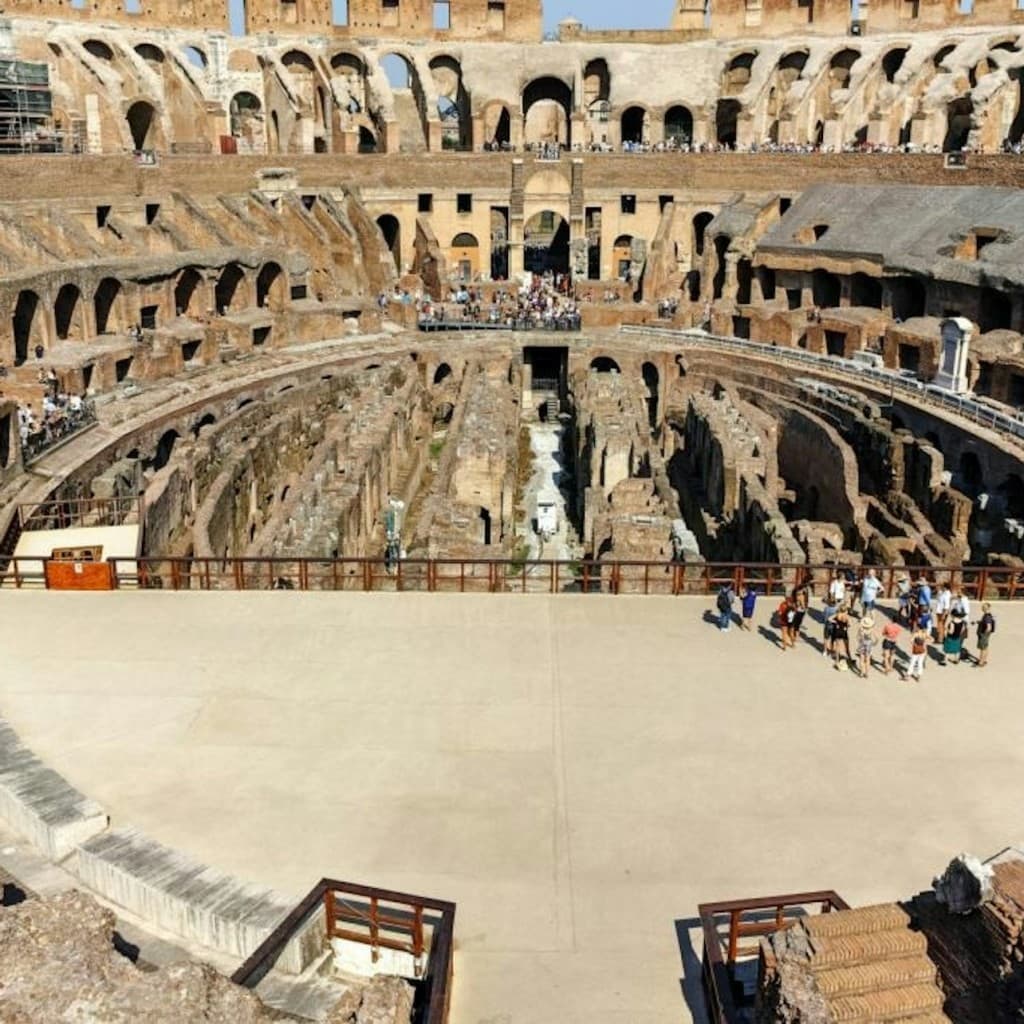
- Acesso ao solo da arena
- Guia em direto
- Visita guiada
- Auscultadores para ouvir o guia
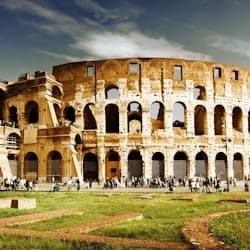
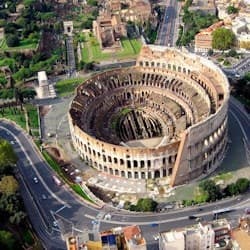
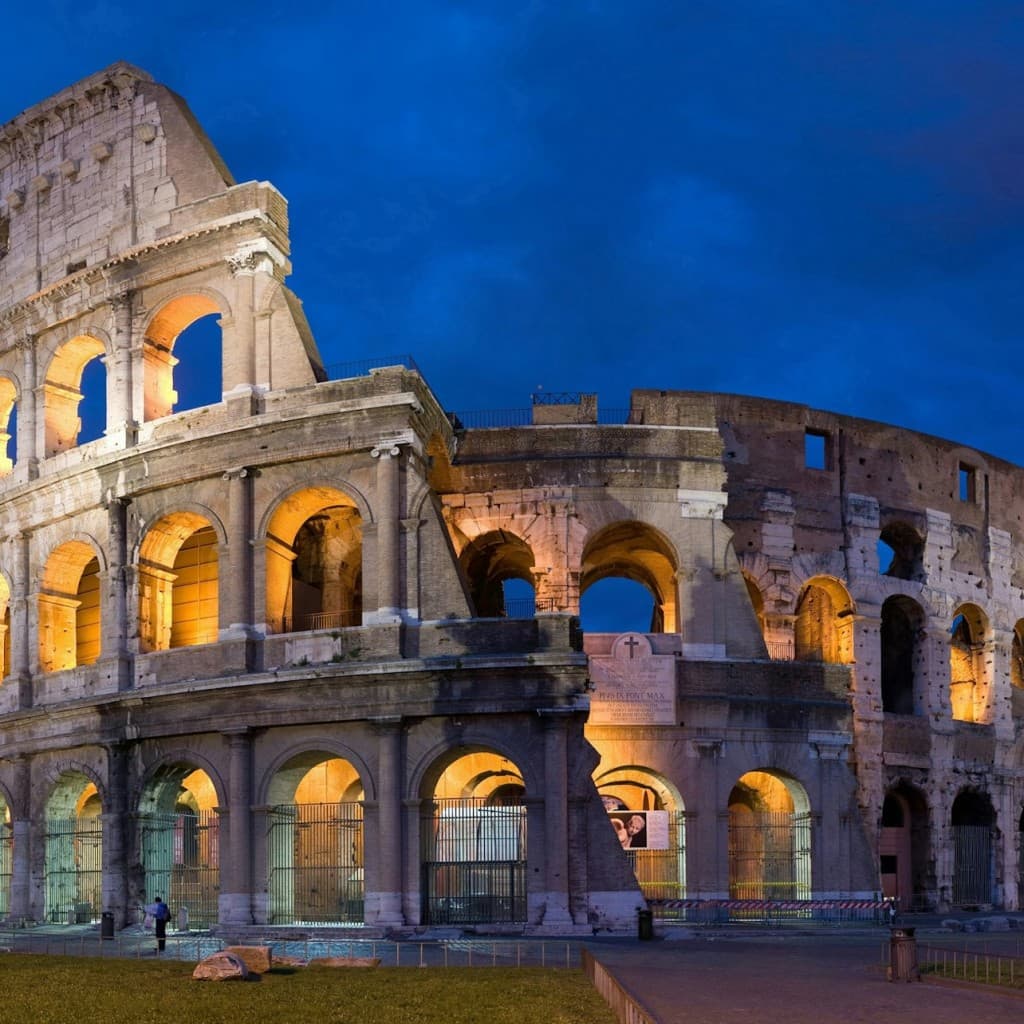
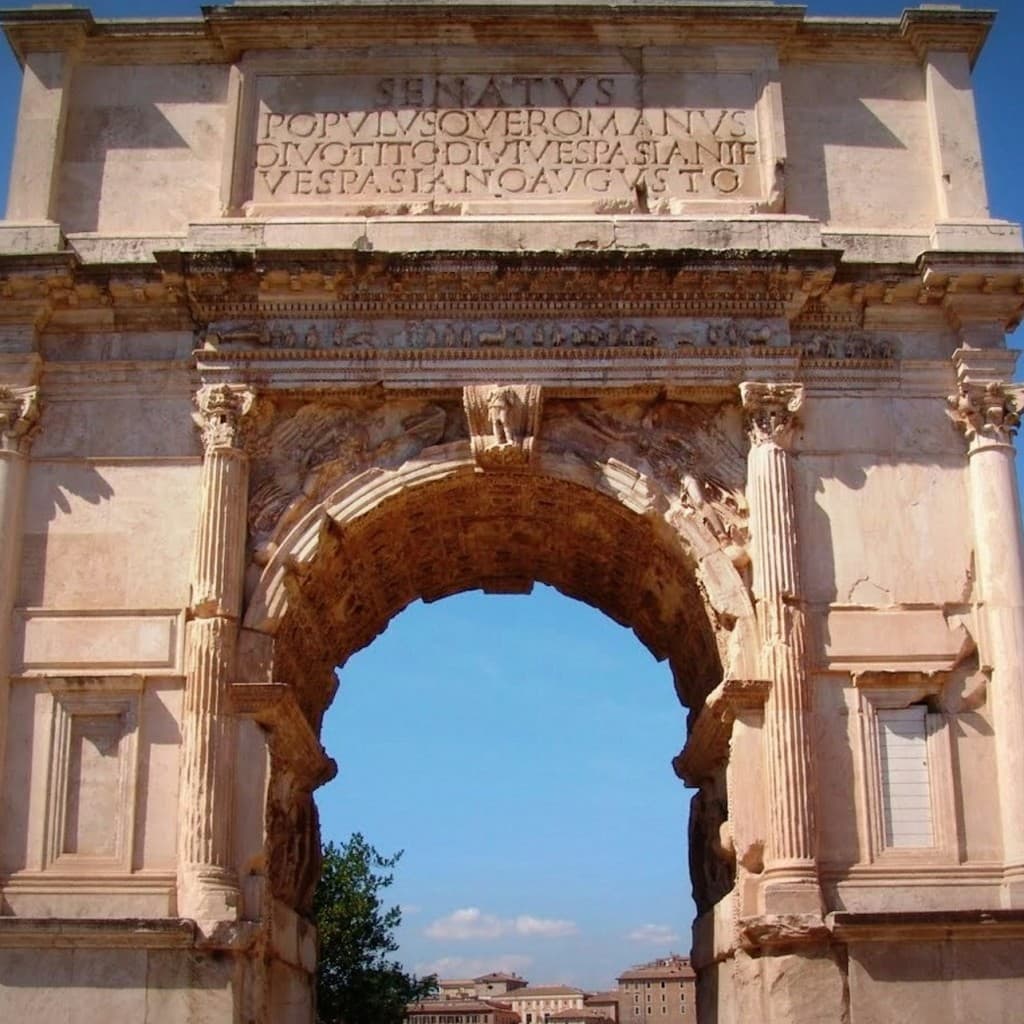
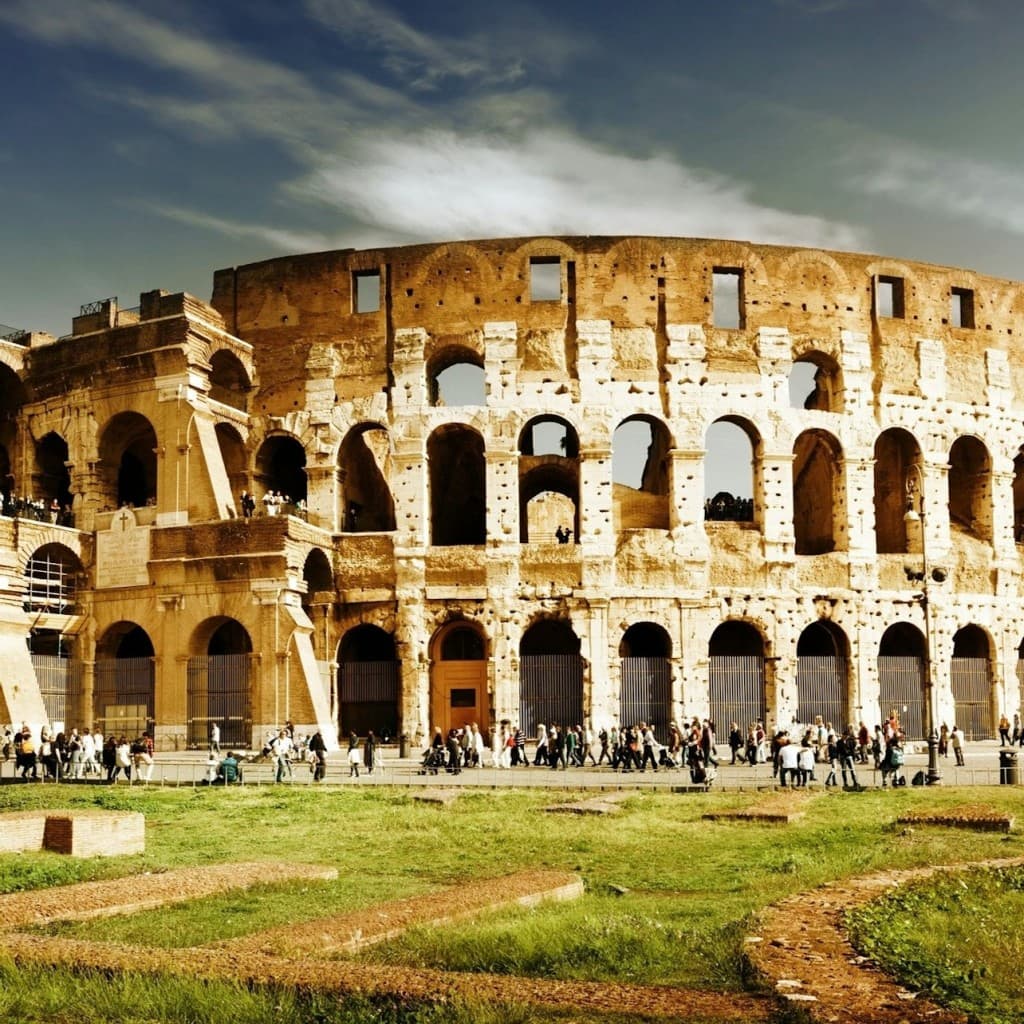
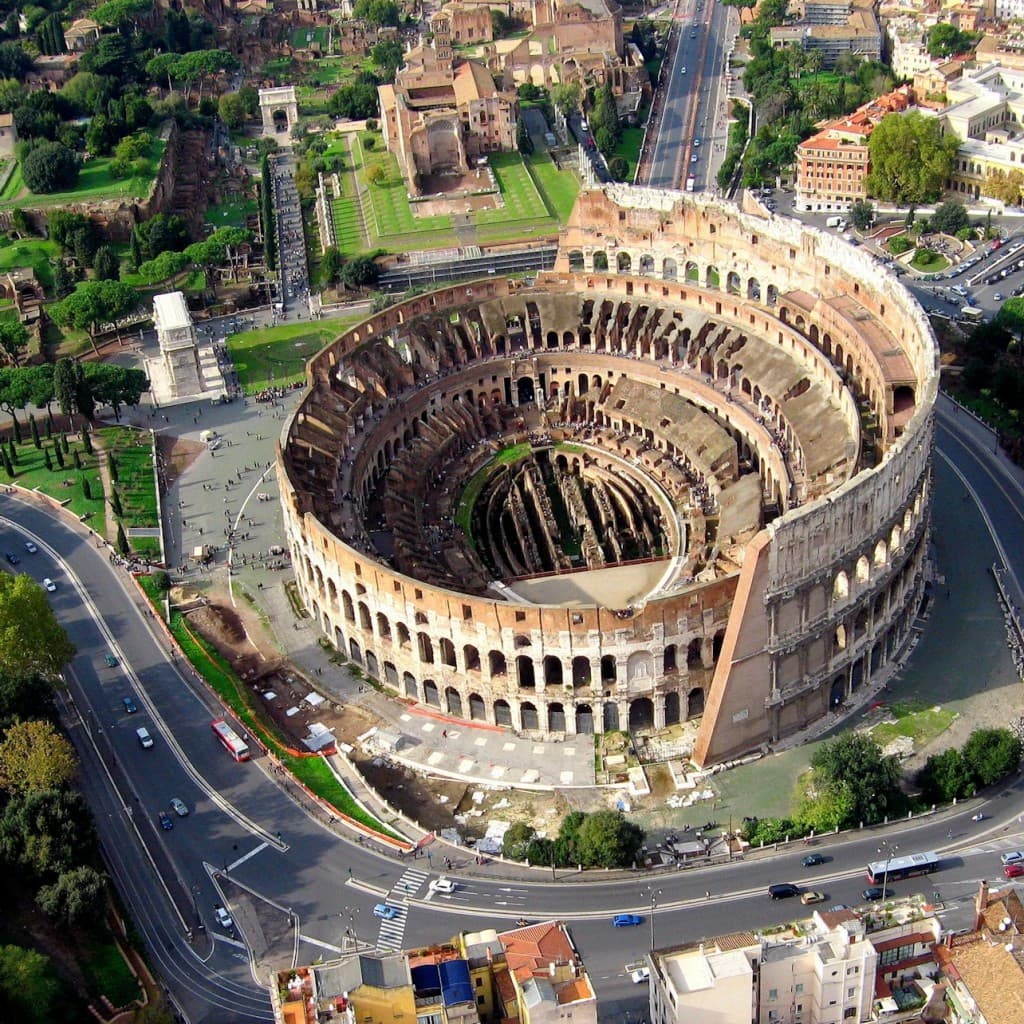
Explore the grandeur of the Colosseum through these captivating photos.
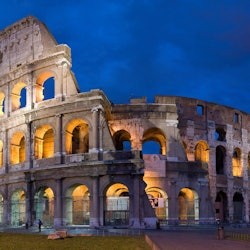
The Colosseum, an iconic symbol of ancient Rome, stands as a testament to the grandeur and engineering prowess of the Roman Empire. Located in the heart of Rome, this ancient amphitheater once hosted gladiatorial contests and public spectacles, drawing crowds from all corners of the empire.
Today, it is one of the most popular tourist destinations in the world, attracting almost 15 million visitors each year who come to marvel at its imposing structure and imagine the events that unfolded within its walls. Walking through the Colosseum is an immersive experience, allowing you to connect with the past and feel the pulse of ancient Rome. Prepare to be transported back in time as you explore this remarkable monument.
The Roman Colosseum, originally known as the Flavian Amphitheater, was commissioned by Emperor Vespasian of the Flavian dynasty around 70-72 AD and was completed by his son, Emperor Titus, in 80 AD. It was primarily used for gladiatorial contests, public executions, animal hunts, and mock sea battles. The structure was capable of accommodating an estimated 50,000 to 80,000 spectators, who were seated according to social rank.
The Colosseum's design incorporates a complex system of vaults, arches, and stairways that allowed for efficient crowd management. The arena floor was covered in sand to absorb blood, and beneath it lay a network of tunnels and cages where gladiators and animals were held before their performances. Over the centuries, the Colosseum has suffered damage from earthquakes, fires, and vandalism, but it remains an enduring symbol of Roman power and architectural achievement.
Booking your Colosseum entry online is the most reliable way to plan your visit and avoid long queues at the entrance. Advance reservations secure a timed entry and help you choose the experience that fits your interests, whether that includes access to the arena floor or a guided underground visit beneath the amphitheater.
Colosseum admissions typically include access to the Roman Forum and Palatine Hill within a 24-hour window, allowing you to explore the broader heart of ancient Rome. On our website, you can compare verified entry options, guided tours, and combo access to make the most of your visit.
The Colosseum in Rome, originally known as the Flavian Amphitheater, was commissioned by Emperor Vespasian around 70-72 AD after the reign of Emperor Nero. Construction was completed by his son, Emperor Titus, in 80 AD. The amphitheater was built on the site of Nero's former palace, the Domus Aurea, as a gift to the Roman people. The Roman Colosseum was used for gladiatorial contests, public executions, animal hunts, and mock sea battles. The inaugural games, held by Emperor Titus in 80 AD, lasted for 100 days and featured thousands of gladiators and animals.
Over the centuries, the Colosseum underwent several renovations and modifications, including the addition of an underground complex (hypogeum) and a system of retractable awnings (velarium) to provide shade for spectators. Gladiatorial contests were banned in the 5th century AD, and the Colosseum was later used for other purposes, such as housing, workshops, and a Christian shrine. Earthquakes and stone-robbing also contributed to the Colosseum's decline. In modern times, restoration efforts have helped to preserve this iconic landmark for future generations.
The Colosseum follows seasonal opening hours:
Access to the Roman Forum and Palatine Hill is typically from 9:00 AM to 4:30 PM, though hours may vary slightly by season and daylight.
The best time to visit the Colosseum is early in the morning or late afternoong, when crowds are lighter and the experience feels less rushed. Morning visits offer cooler temperatures and softer light inside the arena, while late afternoon and early evening can be calmer as tour groups thin out.
Mondays and Tuesdays are usually less busy than the rest of the week, while weekends tend to be the most crowded. Seasonally, summer brings a lively atmosphere but heavier crowds, while winter months are generally quieter and more comfortable for sightseeing.
Inside the Colosseum, you can explore several key areas that bring its history to life.
Before visiting the Colosseum, keep the following in mind:
Visiting the Roman Colosseum is an awe-inspiring experience that transports you back to the heart of ancient Rome. Standing within its walls, you can almost hear the roar of the crowds and the clash of gladiators' swords. The sheer scale and architectural grandeur of the amphitheater are truly remarkable. Whether you're a history enthusiast or simply a curious traveler, the Colosseum offers a unique glimpse into the past. Walking through the ancient arena evokes a sense of wonder and reverence, making it an unforgettable highlight of any trip to Rome. The Colosseum is more than just a historical site; it's a symbol of human achievement and the enduring legacy of the Roman Empire.
Access to the Colosseum can be arranged online in advance. On our website, you can compare authorized Colosseum entry options, check availability by date and time, and choose the option that best fits your visit to Rome.
Colosseum entry is available online or at the official on-site counters. Using our website allows you to review verified Colosseum access options in advance, benefit from potential online deals, and plan your visit more efficiently.
Yes, visiting the Colosseum requires valid admission. Booking Colosseum entry through our website helps you arrange access ahead of time and avoid uncertainty on the day of your visit, especially during peak periods.
The cost of Colosseum entry depends on the type of access and included areas. On our website, you can see current Colosseum prices, compare available options, and understand what is included before making a choice.
The best Colosseum option depends on how much time you have and which areas you would like to explore. Our website highlights the most popular and best-value Colosseum entry options to help you choose confidently.
The average visit duration is between 1.5 to 3 hours, depending on your level of interest.
There is no specific dress code, but it is recommended to dress respectfully and wear comfortable shoes.
The Colosseum was primarily used for gladiatorial contests, public executions, animal hunts, and mock sea battles.
The Colosseum is in central Rome, right next to the Roman Forum and Palatine Hill. Getting to the Colosseum is therefore easy with public transportation:
By metro:
By bus:
By tram:
On foot: