

O que está incluído
- Entrada no Palácio Nacional de Sintra
- Audioguia em português, inglês, espanhol e francês (conforme a opção selecionada)
- Tour guiado pelo Palácio Nacional de Sintra (conforme opções selecionadas)
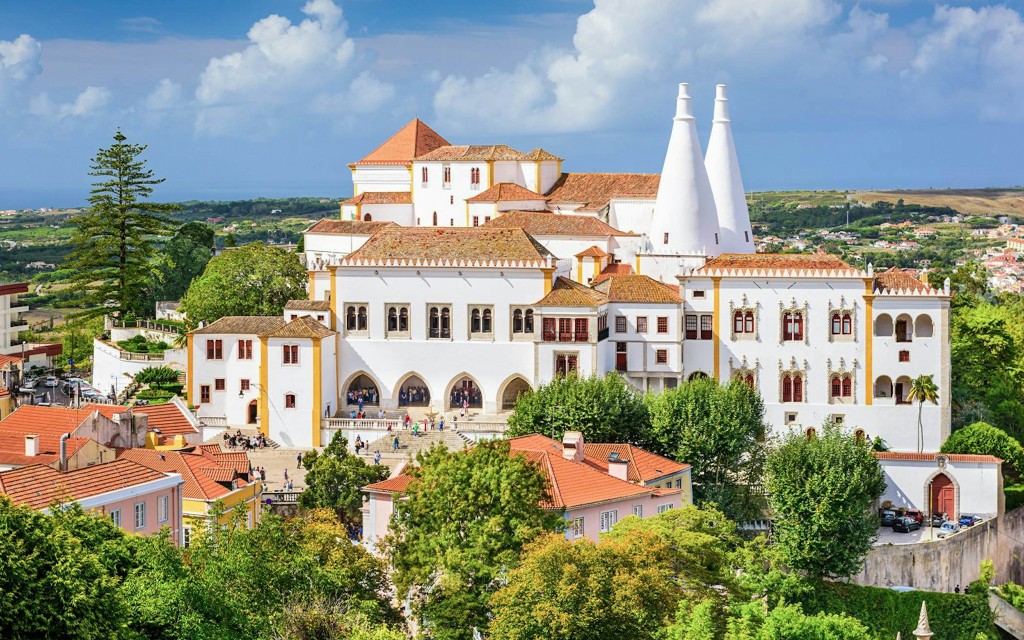
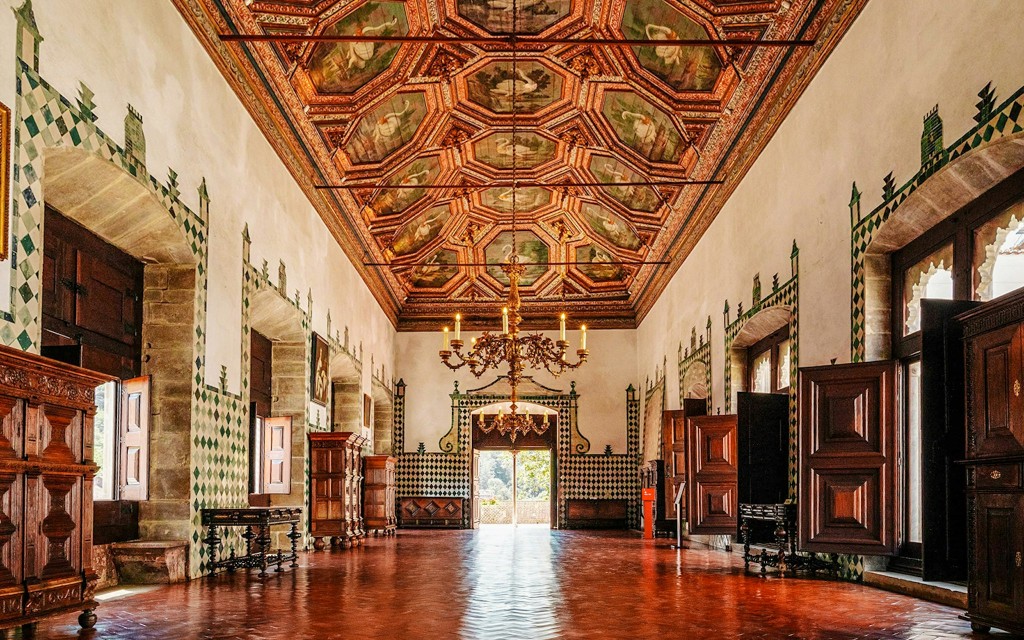
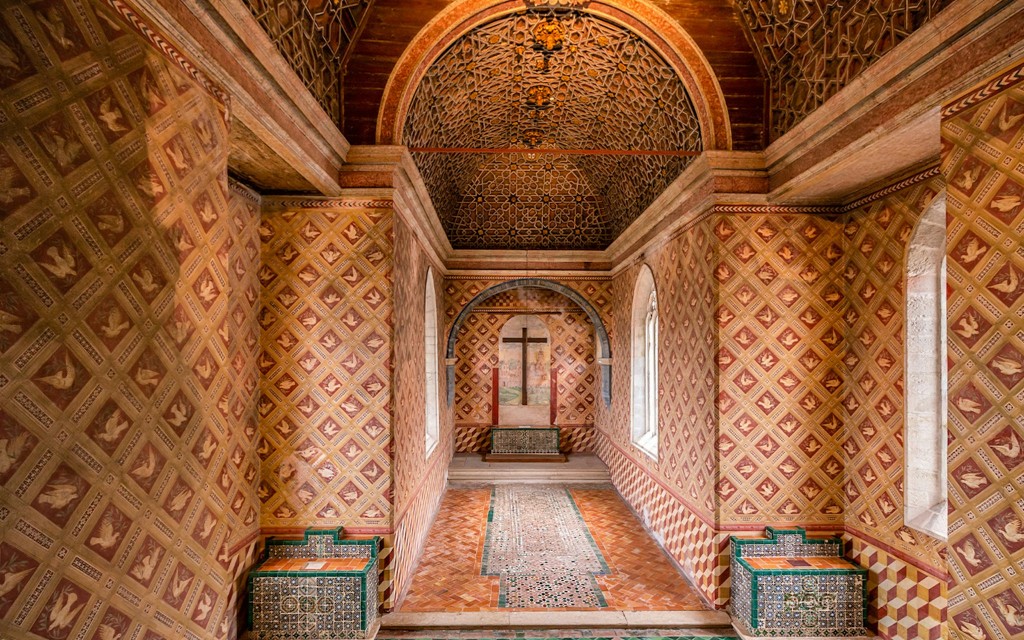
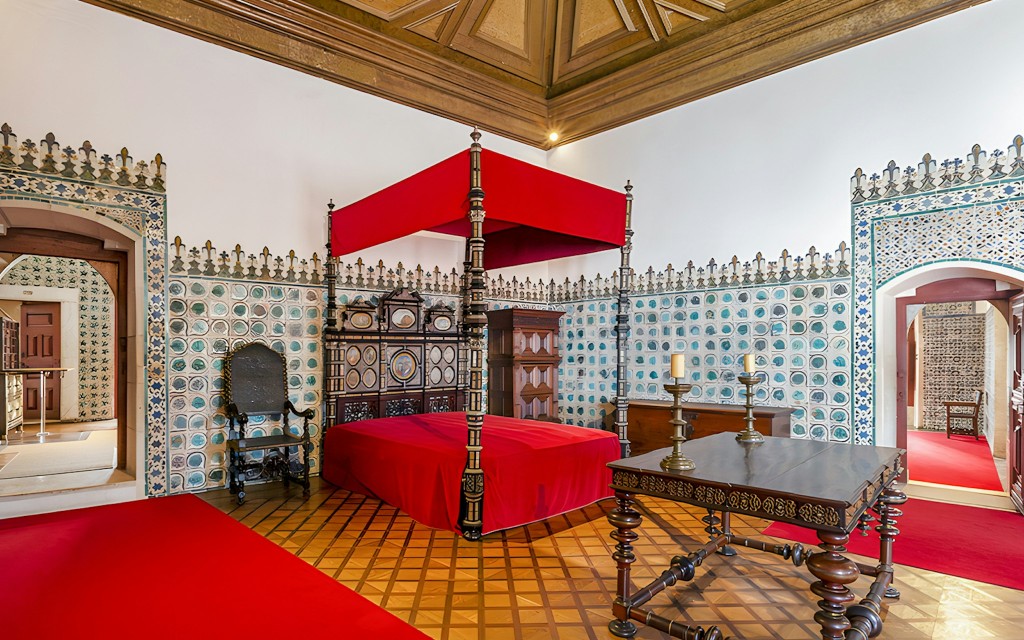
Explore the visual highlights of the National Palace of Sintra through these stunning photographs, capturing its architectural beauty and historical significance.
The National Palace of Sintra, also known as Palácio Nacional de Sintra, stands as a remarkable testament to Portugal's rich history and architectural diversity. Located in the heart of Sintra, this palace is distinguished by its iconic chimneys and a blend of Moorish, Gothic, and Manueline styles. Having been inhabited almost continuously from the 15th to the late 19th centuries, it offers a unique glimpse into the lives of the Portuguese monarchy through the ages. Its opulent rooms, adorned with intricate tile work and heraldic decorations, narrate tales of royal ceremonies and daily life. This UNESCO World Heritage site is a must-see for anyone visiting the Sintra region.
There is no strict dress code for visiting the National Palace of Sintra. However, it is advisable to dress respectfully, considering the historical and cultural significance of the site. Comfortable walking shoes are essential, as you'll be doing a lot of walking and standing. Dressing in layers is also a good idea, as the temperature inside the palace may vary.
Adquira esses ingressos para o Palácio Nacional de Sintra para que você possa explorar mais de 1.000 anos de história portuguesa. O palácio é imediatamente perceptível por suas duas chaminés cônicas, um traço característico da própria Sintra. Com seus quartos, galerias e corredores ricamente decorados, era o local favorito de uma sucessão de famílias reais portuguesas e seus séquitos, até o fim da monarquia em 1910.
Maravilhe-se com a forma como a paisagem natural foi usada para fundir os estilos manuelino, gótico e mudéjar. As janelas com arcos e paredes revestidas de azulejos com padrões geométricos são um testemunho do trabalho medieval com pincel e artesanato.
Leve bastante água, um chapéu e óculos de sol se estiver visitando no verão.
Leve sua câmera para capturar imagens dos interiores e jardins do palácio.
Leve seus próprios fones de ouvido e um celular totalmente carregado para ter a melhor experiência com o audioguia.
Mochilas grandes, malas, drones e bastões de selfie não são permitidos no palácio.
Não são permitidos animais de estimação, exceto cães-guia.
O palácio é acessível para cadeirantes, mas algumas áreas podem ser de difícil acesso.
É permitido levar cães-guia para o local.
A última entrada no palácio é às 18 horas - Você não poderá emitir ingressos após esse horário.
Aproveite o audioguia gratuito em português, espanhol, inglês ou francês! Leve fones de ouvido para ter a melhor experiência auditiva.
Baixe o aplicativo gratuito Zoom Guide antes de visitar o Palácio Nacional de Sintra. Ele tem audioguias em vários idiomas, imagens e textos que podem te ajudar a se localizar melhor na área. Você também pode fazer o download do conteúdo e acessá-lo offline se não tiver acesso à internet.
The National Palace of Sintra is not just a building; it's a living chronicle of Portuguese history. Unlike other grand palaces in Europe, Sintra’s palace evolved organically over centuries, reflecting the tastes and influences of successive monarchs. Originally built by the Moors, it was expanded by King João I in the 15th century, with significant additions made in the Manueline style during the reign of King Manuel I. Each room within the palace tells a story, from the Swan Room, decorated with paintings of swans representing King João I's future wife, to the Magpie Room, which commemorates a royal scandal. The palace’s architecture and interior design offer a unique blend of cultural influences, making it a fascinating destination for history buffs and art enthusiasts alike. As you wander through its halls, you'll be transported back in time, gaining insight into the lives and legacies of Portugal's most influential rulers.
Booking your tickets online offers a seamless and stress-free experience, allowing you to bypass long queues and immediately immerse yourself in the palace's historical ambiance. Securing your entry in advance guarantees that you won't miss out on exploring this iconic landmark, especially during peak tourist seasons. Online booking often provides additional benefits, such as skip-the-line access, and the flexibility to reschedule your visit if needed.
The history of the National Palace of Sintra dates back to the Moorish occupation of the Iberian Peninsula. The Moors built a palace on this site, which was later taken over by the Portuguese monarchy. King João I significantly expanded the palace in the 15th century, and King Manuel I further enhanced it in the 16th century, adding the Manueline architectural style. The palace served as a royal residence for centuries, witnessing numerous historical events and hosting prominent figures. Over time, it underwent various renovations and adaptations, reflecting the changing tastes of the monarchs. The palace remained a royal residence until the late 19th century, and it was eventually opened to the public as a museum, preserving its rich history and cultural heritage.
The National Palace of Sintra generally opens at 9:30 AM and closes at 6:00 PM, with last admission typically around 5:30 PM. These hours may vary depending on the time of year and on holidays, so checking the official website before your visit is always recommended.
The ideal time to visit the National Palace of Sintra is during the spring (April-May) or fall (September-October) months. During these periods, the weather is pleasant, and the crowds are smaller compared to the peak summer season. Arriving early in the morning or later in the afternoon can also help you avoid the busiest times.
Inside the National Palace of Sintra, visitors can explore a series of lavishly decorated rooms that reflect different periods of Portuguese history. The Swan Room, adorned with 27 painted swans, is a symbol of fidelity and is one of the palace’s most iconic spaces. The Magpie Room, features hundreds of magpies, each holding a rose, commemorates a tale of gossip within the court. The Arab Room showcases intricate tile work, reflecting the palace’s Moorish origins, while the Coats of Arms Room displays the heraldic symbols of Portugal’s noble families. Each room is filled with period furniture, artwork, and historical artifacts, providing a comprehensive view of royal life throughout the centuries. Don't miss the palace's kitchens, which feature massive ovens and cooking implements, offering a glimpse into the culinary practices of the past.
Before visiting the National Palace of Sintra, it's helpful to know that the palace is located on a hill, so comfortable walking shoes are recommended. The palace can get crowded, especially during peak season, so arriving early is a good idea. Photography is allowed inside the palace, but flash photography may be restricted in certain areas. Consider purchasing a combination ticket to visit other attractions in Sintra, such as the Pena Palace and Quinta da Regaleira, to make the most of your trip.
To ensure the preservation of the National Palace of Sintra and the comfort of all visitors, there are a few rules to keep in mind. Please refrain from touching or climbing on any of the historical artifacts or furniture. Food and drinks are generally not allowed inside the palace. Follow the instructions of the palace staff and any posted signs. Be respectful of the historical setting and other visitors.
The National Palace of Sintra is undoubtedly worth visiting for its unique blend of architectural styles and rich history. Its well-preserved interiors offer a fascinating glimpse into the lives of the Portuguese monarchy over several centuries. The palace’s iconic chimneys and intricate tile work are stunning features that set it apart from other European palaces. A visit here provides a memorable and educational experience, making it a highlight of any trip to Portugal.
The National Palace of Sintra is a historic palace in Sintra, Portugal, known for its blend of Moorish, Gothic, and Manueline architectural styles.
It is located in the town of Sintra, near Lisbon, Portugal.
You can take a direct train from Lisbon (Rossio Station) to Sintra. From the Sintra train station, the palace is a short walk or bus ride away.
The palace is generally open from 9:30 AM to 6:00 PM, but it's best to check the official website for the most current schedule.
Ticket prices vary. Check the official website for current pricing.
Yes, buying tickets online is recommended to avoid queues, especially during peak season.
Allow at least 2 to 3 hours to fully explore the palace.
Self-guided tours are the norm, with informational panels available. Occasionally, guided tours may be offered; check upon arrival.
Accessibility is limited due to the palace's historical structure. Contact the palace in advance for detailed information.
The National Palace of Sintra is easily accessible by public transport. From Lisbon, take the train to Sintra. Once in Sintra, the palace is a short walk from the train station. Follow the signs or take a local bus to reach the palace entrance.
There is no strict dress code for visiting the National Palace of Sintra. However, it is advisable to dress respectfully, considering the historical and cultural significance of the site. Comfortable walking shoes are essential, as you'll be doing a lot of walking and standing. Dressing in layers is also a good idea, as the temperature inside the palace may vary.