Trabi Museum: Entry Ticket
Comparar opções
| Opção | Tipo | Resumo | Duração | A partir de | Reservar |
|---|---|---|---|---|---|
| Trabi Museum: Entry Ticket | Bilhetes | O humilde Trabant, com faróis em forma de lua e estilo de caixa de brinquedos vintage, é um símbolo da vida por trás da... | Flexível | €10.48 | Reservar |
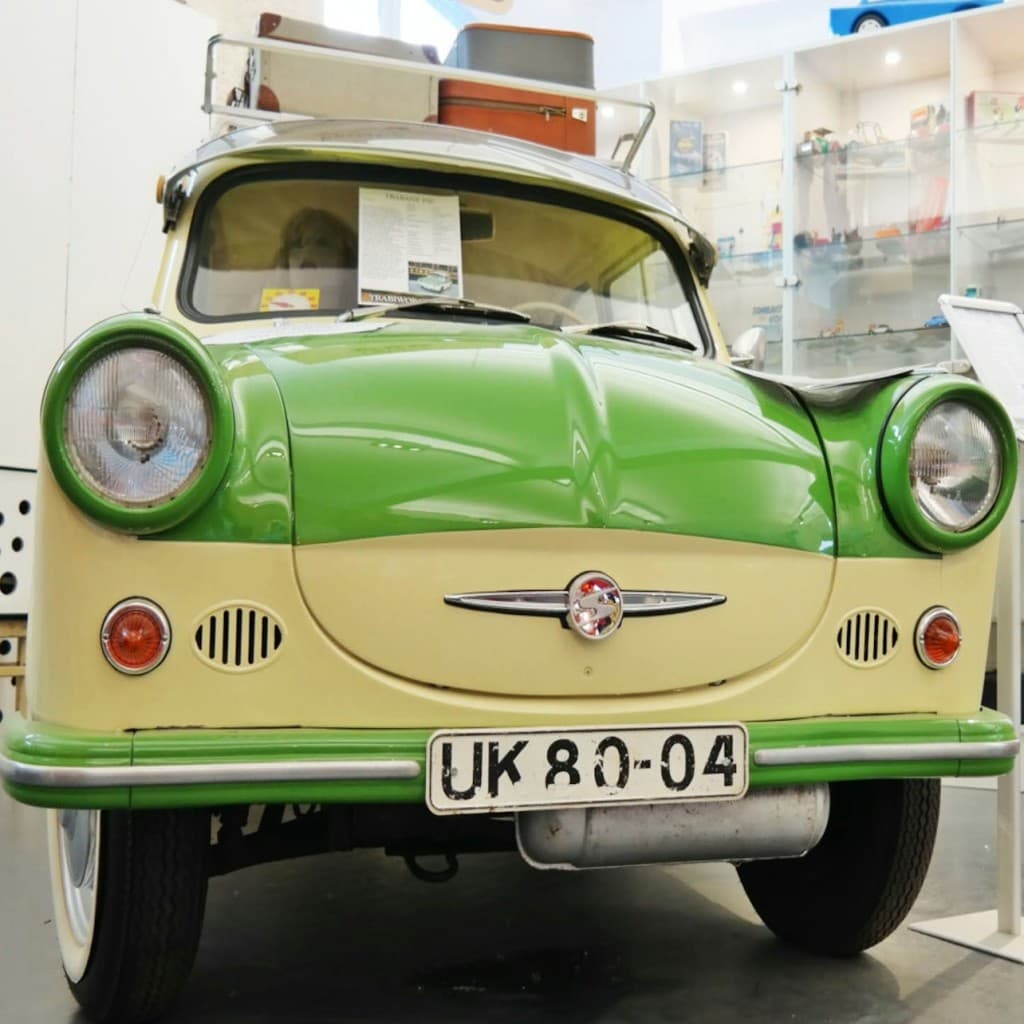
Step back in time and discover a true East German icon at the Trabi Museum in Berlin. Dedicated to the legendary Trabant car, this unique museum offers a fascinating glimpse into a significant piece of GDR history and culture. The Trabant, affectionately known as the 'Trabi', was more than just a car; it was a symbol of an era, representing ingenuity under challenging circumstances and the daily lives of millions. Visitors can explore a diverse collection of these compact vehicles, each telling its own story, from standard models to rare prototypes and customized versions. It's an engaging experience for automotive enthusiasts, history buffs, and anyone curious about the unique legacy of the Trabant.
O Que Esperar
Destaques
Sobre Trabi Museum
The Trabi Museum in Berlin provides an immersive journey into the world of the Trabant, the beloved 'people's car' of East Germany. Located near Checkpoint Charlie, the museum showcases a comprehensive collection of various Trabant models, offering insights into its design, production, and cultural impact. You'll learn about the challenges faced by its manufacturers, VEB Sachsenring Automobilwerke Zwickau, and how the Trabi evolved over its nearly 30-year production run. The exhibits highlight the car's innovative features for its time, such as its duroplast body, and also touch upon the humorous and sometimes poignant stories associated with Trabi ownership. Beyond the vehicles themselves, the museum delves into the social context, explaining how the Trabant became an integral part of East German identity and a symbol of freedom for many during the fall of the Berlin Wall. It’s an informative and nostalgic visit that celebrates an automotive legend.
Porquê reservar online?
Booking your Trabi Museum entry ticket online offers several benefits, ensuring a smooth and hassle-free visit. By purchasing your tickets in advance, you can save valuable time upon arrival, bypassing potential queues and proceeding directly to the exhibits. Online booking also guarantees your entry, which is especially helpful during peak tourist seasons when capacity might be a concern. It provides the convenience of securing your visit from anywhere, at any time, allowing you to plan your itinerary efficiently and focus on enjoying the unique history of the Trabant without delays.
História
The history of the Trabant is deeply intertwined with the story of East Germany itself. Production of the Trabant began in 1957 at the VEB Sachsenring Automobilwerke Zwickau, evolving from earlier models like the P50. Designed to be an affordable and reliable car for the average citizen, the Trabi soon became a ubiquitous sight on East German roads. Its most distinctive feature was its body made from duroplast, a material derived from recycled cotton waste and resin, chosen due to steel shortages. Despite its modest two-stroke engine and often long waiting lists for purchase, the Trabant represented personal mobility and a significant life achievement for many families. Over its production run, which lasted until 1991, various models were introduced, though fundamental design changes were rare. With the fall of the Berlin Wall in 1989 and German reunification, the Trabi faced competition from Western cars, leading to the end of its production. Today, it remains an iconic symbol, evoking both nostalgia and historical reflection on a unique chapter of automotive and social history.
Horário de funcionamento
The Trabi Museum generally welcomes visitors seven days a week. Typical operating hours often run from mid-morning until early evening. However, these times can be subject to change, especially during holidays or for special events. It is recommended to consult a recent schedule for the most up-to-date opening and closing times to plan your visit accordingly and ensure a seamless experience.
Melhor altura para visitar
For a more comfortable and less crowded experience, the best time to visit the Trabi Museum is during weekday mornings, shortly after opening, or in the late afternoon, closer to closing time. Weekends and public holidays tend to be busier, especially during peak tourist seasons. Visiting during the off-season, typically from November to March (excluding Christmas and New Year), can also offer a more tranquil atmosphere. This allows you more time and space to thoroughly explore the exhibits and delve into the fascinating history of the Trabant without feeling rushed.
O que ver dentro
Inside the Trabi Museum, you'll encounter a captivating array of Trabant models that span its production history. The exhibition features standard sedans and station wagons, showcasing the evolution of the vehicle's design and engineering. You can also expect to see less common variants, such as the open-top military 'Kübel' version, rally cars, and even unique prototypes that never went into mass production. Displays elaborate on the car's distinctive two-stroke engine and its lightweight duroplast body, explaining the innovative material science behind it. Informative panels and photographs illustrate the Trabant's manufacturing process and its cultural significance, accompanied by anecdotes and personal stories from former Trabi owners, bringing the car's legacy to life.
Coisas importantes a saber
When planning your visit to the Trabi Museum, consider purchasing your tickets online in advance to save time and ensure entry. The museum is generally compact, allowing for a thorough exploration within a reasonable timeframe. Photography is usually permitted, making it easy to capture memories of the unique vehicles. The museum is often wheelchair accessible, but it's good practice to confirm specific accessibility features if needed. Restrooms and sometimes a small souvenir shop are available on-site. The museum's central location means it's often close to other attractions and dining options, allowing you to easily integrate it into your Berlin itinerary.
Regras para visitantes
To ensure an enjoyable experience for all guests, visitors are generally requested to refrain from touching the exhibits unless explicitly stated. Running or loud behavior is typically discouraged. Food and drinks are usually not permitted within the exhibition areas. Photography for personal use is generally allowed, but flash photography might be restricted to protect artifacts. Please follow the instructions of museum staff and any posted signs for a safe and respectful visit.
Vale a pena visitar?
The Trabi Museum is absolutely worth visiting for anyone with an interest in automotive history, cultural artifacts, or the unique story of East Germany. It offers more than just a collection of cars; it's a journey into the daily lives and aspirations of people behind the Iron Curtain. Seeing the evolution of the Trabant, understanding its challenges, and appreciating its enduring legacy provides valuable insight into a pivotal period. It’s an engaging, educational, and often nostalgic experience that appeals to a wide audience, from car enthusiasts to families and history buffs, offering a distinct perspective on Berlin's past.
Perguntas frequentes
The Trabi Museum in Berlin is dedicated to the history and cultural significance of the Trabant, the iconic car produced in East Germany.
The Trabi Museum is located in central Berlin, often found near historical landmarks such as Checkpoint Charlie in the Mitte district.
Most visitors spend approximately 1 to 1.5 hours exploring all the exhibits at the Trabi Museum.
Yes, the Trabi Museum can be an engaging experience for children, offering a unique glimpse into automotive history and a different culture.
Photography for personal use is generally permitted inside the Trabi Museum, though flash photography might be restricted.
The Trabi Museum typically offers a self-guided experience with informative displays, allowing visitors to explore at their own pace. Specific guided tours may be available for groups upon prior arrangement.
The museum generally strives to be accessible, but it is always recommended to check specific accessibility details directly for any particular requirements.
Como chegar
The Trabi Museum in Berlin is easily accessible via public transport. Visitors can typically reach the museum by taking the U-Bahn or S-Bahn to a nearby station, often within walking distance of the central Mitte area. For example, stations like Hausvogteiplatz (U2) or Französische Straße (U6) might be good options, depending on the exact location. From the nearest station, a short walk through the city will lead you directly to the museum's entrance, making it convenient to combine with other sightseeing activities in the vicinity.