

O que está incluído
- Entrada no museu
- Acesso às exposições temporárias
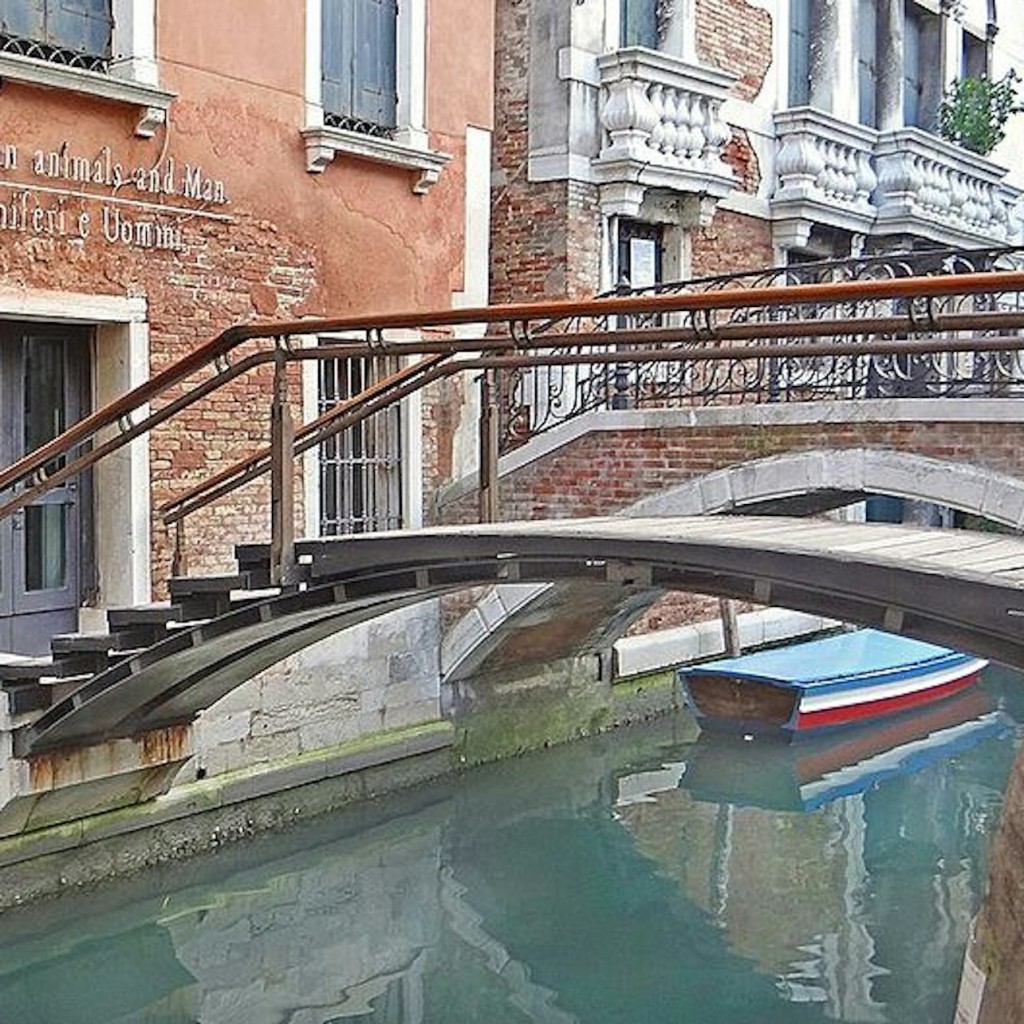
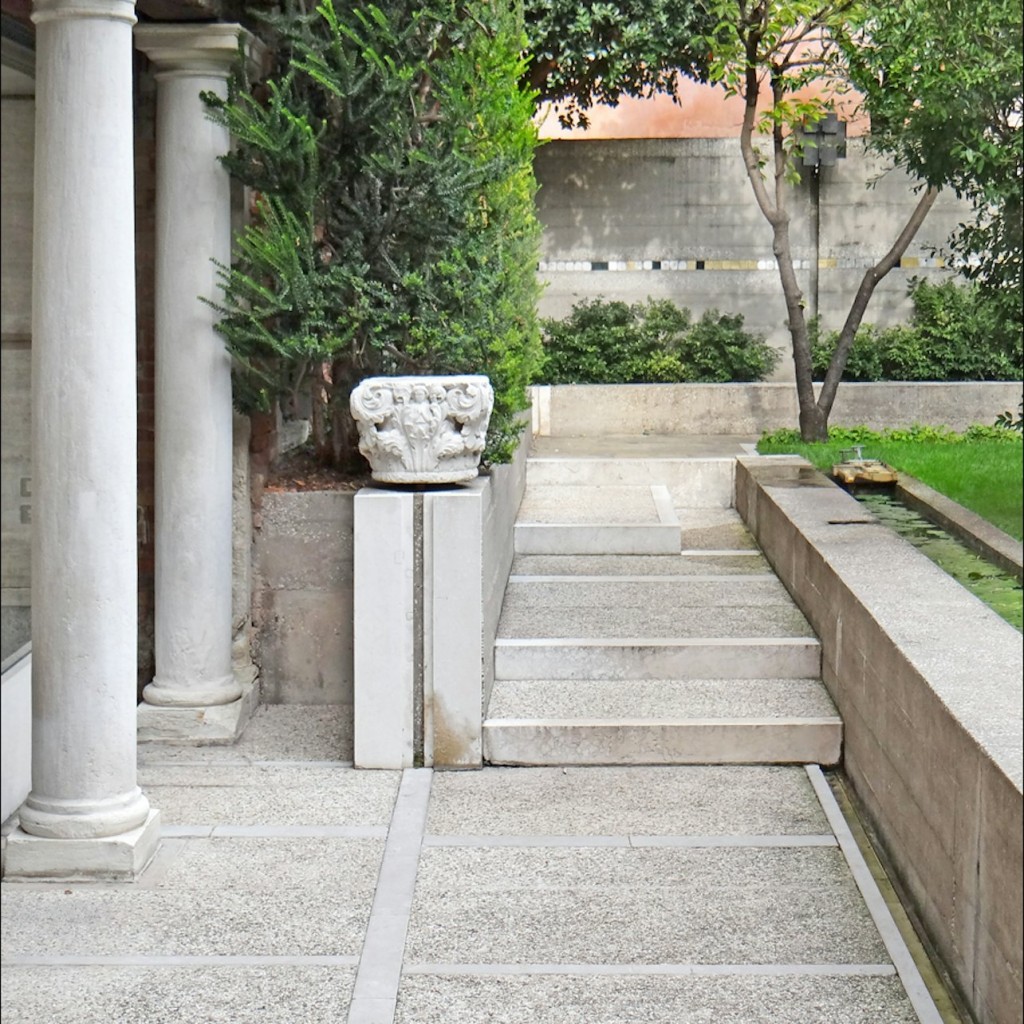
Explore uma jornada visual pela Fondazione Querini Stampalia, apresentando as suas magníficas coleções de arte, interiores históricos e a arquitetura inovadora do jardim de Carlo Scarpa.
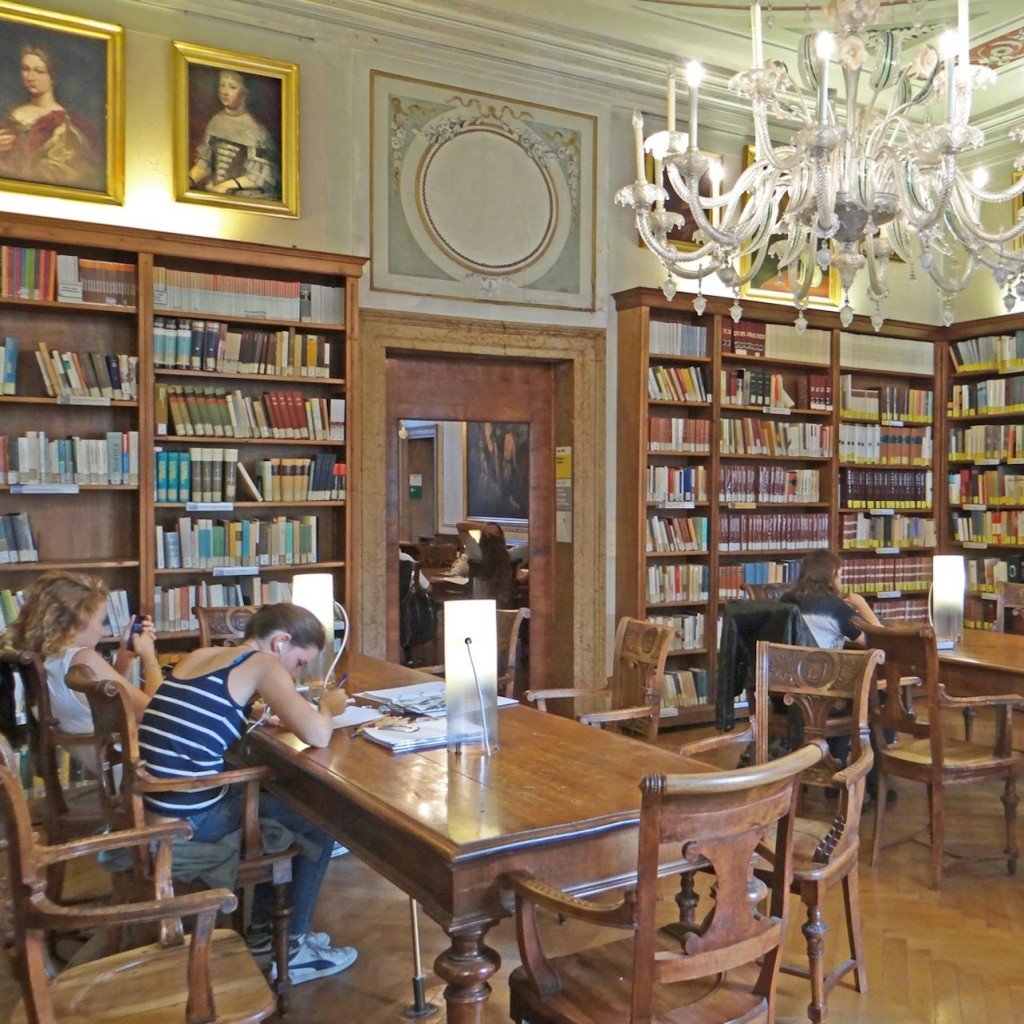
Descubra a Fundação Querini Stampalia, uma instituição veneziana única alojada num palácio do século XVI magnificamente preservado no sestiere de Castello. Esta joia cultural oferece aos visitantes uma jornada incomparável através de séculos de arte, história e arquitetura. A fundação preserva a casa histórica e as suas vastas coleções, exibindo o legado da família Querini Stampalia. Além das suas exposições permanentes de pinturas, mobiliário e artes decorativas, a fundação é um vibrante centro cultural, acolhendo exposições contemporâneas, uma biblioteca especializada e um jardim inovador redesenhado por Carlo Scarpa. É um testemunho da duradoura herança artística e intelectual de Veneza, convidando à exploração e contemplação longe das principais rotas turísticas da cidade.
A Fondazione Querini Stampalia não impõe um código de vestuário rigoroso. No entanto, como instituição cultural e local de significado histórico, o vestuário casual elegante é geralmente recomendado e apreciado. Sapatos confortáveis são aconselháveis, pois fará uma boa quantidade de caminhada pelo palácio e jardim. Roupas modestas são apropriadas, especialmente se visitar durante os meses mais quentes, para garantir uma experiência confortável e respeitosa no ambiente histórico.
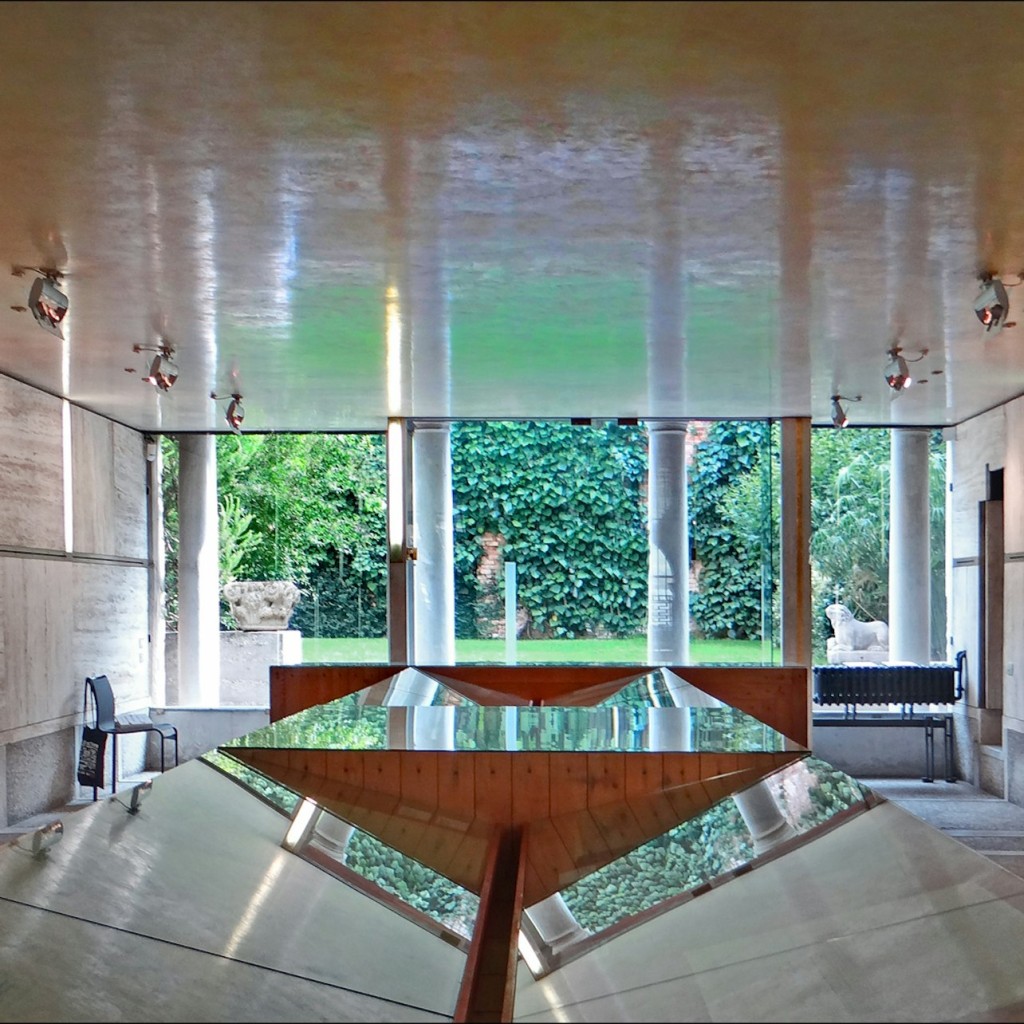
A Fundação Querini Stampalia é um testemunho da visão do Conde Giovanni Querini Stampalia, o último descendente de uma antiga família nobre veneziana, que em 1869 legou toda a sua propriedade à cidade para o bem público. O seu legado criou uma instituição dedicada a promover a cultura e o conhecimento, uma missão que continua a cumprir hoje. A fundação engloba uma casa-museu histórica, uma biblioteca e espaços para exposições temporárias e eventos culturais. O museu oferece um raro vislumbre da vida privada de uma família aristocrática veneziana, com salas largamente preservadas como estavam, repletas de pinturas requintadas de mestres venezianos como Giovanni Bellini, Pietro Longhi e Giambattista Tiepolo, juntamente com mobiliário de época, porcelana, globos e instrumentos musicais. A biblioteca, única pelos seus horários de funcionamento noturnos, serve tanto académicos quanto o público. Um destaque significativo é a intervenção do renomado arquiteto Carlo Scarpa, que restaurou meticulosamente partes do piso térreo e projetou o tranquilo jardim na década de 1960, misturando design moderno com elementos históricos. Esta fusão de passado e presente torna a Fundação Querini Stampalia um destino fascinante para qualquer pessoa interessada na arte, história e inovação arquitetónica veneziana.
Reservar seu ingresso para a Fundação Querini Stampalia online oferece conveniência e tranquilidade. Ao comprar antecipadamente, você garante sua admissão sem a necessidade de fazer fila na entrada, o que é especialmente benéfico durante as épocas de pico turístico. Os ingressos online proporcionam um processo de entrada tranquilo, permitindo que você dedique mais tempo a explorar as magníficas coleções, os aposentos históricos e o aclamado jardim de Carlo Scarpa. É uma maneira simples de otimizar sua visita e garantir acesso a este tesouro cultural, tornando sua experiência mais relaxante e agradável desde o momento em que você chega.
A Fundação Querini Stampalia deve a sua existência à profunda generosidade do Conde Giovanni Querini Stampalia, o último herdeiro masculino de uma venerável família patrícia veneziana. Em 1869, sem descendentes diretos, o Conde Giovanni legou todo o seu património – incluindo o palácio da família, as suas extensas coleções de arte, arquivos, biblioteca e bens financeiros – à cidade de Veneza. O seu testamento estipulava a criação de uma fundação pública dedicada à "promoção de estudos e conhecimentos úteis", garantindo acesso perpétuo aos seus tesouros culturais. A família Querini Stampalia traçou a sua linhagem até o século X, acumulando riqueza e influência através do comércio e do envolvimento político. Ao longo de gerações, adquiriram uma notável coleção de arte, livros e artefactos, refletindo os gostos sofisticados e as atividades intelectuais da família. O próprio palácio, construído no século XVI, serviu como residência principal da família, continuamente expandido e embelezado. A fundação rapidamente se tornou uma instituição cultural vital, abrindo a sua biblioteca ao público com horários notavelmente longos, um conceito revolucionário na época. No século XX, a fundação embarcou num significativo projeto de modernização, envolvendo o renomado arquiteto Carlo Scarpa na década de 1960 para redesenhar partes do térreo e do jardim, misturando harmoniosamente a preservação histórica com um design vanguardista e marcando um novo capítulo na sua distinta história.
A Fundação Querini Stampalia geralmente recebe visitantes da manhã ao final da tarde. Por favor, note que a fundação está normalmente fechada às terças-feiras. A biblioteca, no entanto, mantém horários de funcionamento distintos e frequentemente prolongados, por vezes permanecendo aberta até tarde da noite em certos dias. Como os horários podem estar sujeitos a alterações sazonais ou eventos especiais, é aconselhável considerar pequenas variações. Fins de semana e feriados também podem ter horários ajustados. Planeie sempre a sua visita tendo em mente os horários gerais de funcionamento.
Para visitar a Fundação Querini Stampalia com menos multidões e em um ambiente mais tranquilo, considere visitá-la durante as épocas de transição da primavera (abril-maio) ou outono (setembro-outubro). O clima durante esses meses também é agradável para explorar Veneza. Os dias de semana, especialmente as manhãs logo após a abertura, são geralmente menos movimentados do que os fins de semana ou os horários de pico da tarde. Chegar cedo permite que você aprecie a elegância tranquila dos aposentos históricos e a beleza serena do jardim de Scarpa antes que mais visitantes cheguem. Este horário melhora a atmosfera contemplativa do museu.
Dentro da Fundação Querini Stampalia, os visitantes são imersos em uma jornada pela história e arte venezianas. Os andares superiores abrigam o museu da casa histórica, onde os apartamentos privados da família Querini Stampalia são preservados com sua decoração e mobiliário originais. Você encontrará obras-primas de pintores venezianos do século XIV ao XVIII, incluindo trabalhos de Pietro Longhi retratando cenas da vida cotidiana veneziana e elegantes retratos de Giambattista Tiepolo. Os aposentos são adornados com móveis de época, lustres de vidro de Murano, porcelanas, tapeçarias e objetos preciosos que oferecem uma autêntica visão da vida aristocrática. No térreo e no jardim, você pode admirar as intervenções magistrais de Carlo Scarpa, cujo design arquitetônico moderno se integra perfeitamente à estrutura antiga, criando espaços serenos e contemplativos. A biblioteca, com sua rica coleção de livros e manuscritos, também oferece um vislumbre das atividades intelectuais do passado.
Ao visitar a Fondazione Querini Stampalia, note que enquanto os andares superiores mantêm um ambiente histórico, o piso térreo apresenta elementos arquitetónicos modernos de Carlo Scarpa. A fotografia sem flash é geralmente permitida para uso pessoal na maioria das áreas, mas verifique sempre a sinalização específica. A fundação oferece uma livraria onde pode encontrar publicações relacionadas com as suas coleções e exposições. Existem também instalações para guardar malas temporariamente. A acessibilidade pode variar; embora as renovações de Scarpa no piso térreo tenham melhorado o acesso, algumas áreas históricas nos andares superiores podem apresentar desafios. Reserve tempo suficiente para explorar tanto o museu como o jardim único. Considere combinar a sua visita com outras atrações próximas em Castello.
Para preservar as coleções históricas e garantir uma experiência agradável para todos, os visitantes devem geralmente aderir a certas regras. Malas grandes, mochilas e guarda-chuvas devem ser guardados nas instalações de bengaleiro designadas. Alimentos e bebidas não são permitidos nas áreas de exposição ou salas históricas. Tocar nas peças em exposição é estritamente proibido. Mantenha a voz baixa e uma postura respeitosa. A fotografia com flash não é permitida para proteger as obras de arte. Por favor, seja atencioso com os outros visitantes e evite obstruir as passagens. Quaisquer regras específicas de exposições temporárias serão afixadas na entrada.
A Fondazione Querini Stampalia é sem dúvida digna de uma visita para aqueles que procuram uma compreensão mais profunda da vida, arte e arquitetura venezianas para além dos caminhos turísticos típicos. Oferece uma rara oportunidade de entrar numa residência nobre veneziana magnificamente preservada, completa com o seu mobiliário original e uma coleção de arte notável. A mistura única de charme histórico e design moderno, particularmente as brilhantes intervenções arquitetónicas de Carlo Scarpa e o jardim tranquilo, proporciona uma experiência cultural rica e multifacetada. Para amantes da arte, entusiastas da história e qualquer pessoa interessada em inovação arquitetónica, é um destino cativante que revela o legado duradouro da cidade.
A fundação abriga uma rica coleção de pinturas venezianas dos séculos XIV ao XVIII, incluindo obras de Pietro Longhi e Giambattista Tiepolo, juntamente com mobiliário de época, porcelana, globos e artes decorativas, tudo dentro de um palácio historicamente preservado.
O piso térreo, incluindo as intervenções de Carlo Scarpa e o jardim, geralmente oferece acessibilidade melhorada. No entanto, alguns andares superiores do palácio histórico, devido à sua idade e estrutura, podem apresentar desafios. É melhor perguntar à chegada para obter informações específicas sobre acessibilidade.
A fotografia sem flash é geralmente permitida para uso pessoal na maioria das áreas do museu e do jardim. No entanto, regras específicas podem ser aplicadas a exposições temporárias, por isso, esteja sempre atento à sinalização ou pergunte à equipe.
Com certeza. O piso térreo e o jardim interior apresentam notáveis intervenções arquitetónicas do renomado arquiteto do século XX Carlo Scarpa, que combinam magistralmente o design moderno com o histórico palácio veneziano. O seu uso de água, pedra e luz é particularmente notável.
A maioria dos visitantes passa entre 1,5 a 2 horas a explorar a Fundação Querini Stampalia, permitindo tempo suficiente para apreciar as coleções de arte, as salas históricas, a arquitetura de Scarpa e o jardim tranquilo.
Sim, a Fundação Querini Stampalia possui uma extensa biblioteca histórica que está aberta ao público. É particularmente conhecida pelas suas coleções especializadas e frequentemente tem horários de funcionamento distintos e prolongados em comparação com o museu.
Está localizada no sestiere (distrito) de Castello, em Veneza, especificamente no Campo Santa Maria Formosa, a uma curta caminhada da Ponte de Rialto e facilmente acessível de Vaporetto para Rialto ou San Zaccaria.
A Fundação Querini Stampalia é facilmente acessível no bairro de Castello, em Veneza. De Piazzale Roma ou da estação de comboios Santa Lucia, apanhe um Vaporetto (autocarro aquático) linha 1 ou 2 até à paragem de Rialto. De Rialto, é uma caminhada de cerca de 10-15 minutos, seguindo as indicações para Santa Maria Formosa. Em alternativa, a linha de Vaporetto 4.1 ou 5.1 para San Zaccaria também permite uma caminhada por partes mais tranquilas de Castello, embora seja uma viagem um pouco mais longa. A fundação está situada perto do Campo Santa Maria Formosa, um ponto de referência proeminente.
A Fondazione Querini Stampalia não impõe um código de vestuário rigoroso. No entanto, como instituição cultural e local de significado histórico, o vestuário casual elegante é geralmente recomendado e apreciado. Sapatos confortáveis são aconselháveis, pois fará uma boa quantidade de caminhada pelo palácio e jardim. Roupas modestas são apropriadas, especialmente se visitar durante os meses mais quentes, para garantir uma experiência confortável e respeitosa no ambiente histórico.