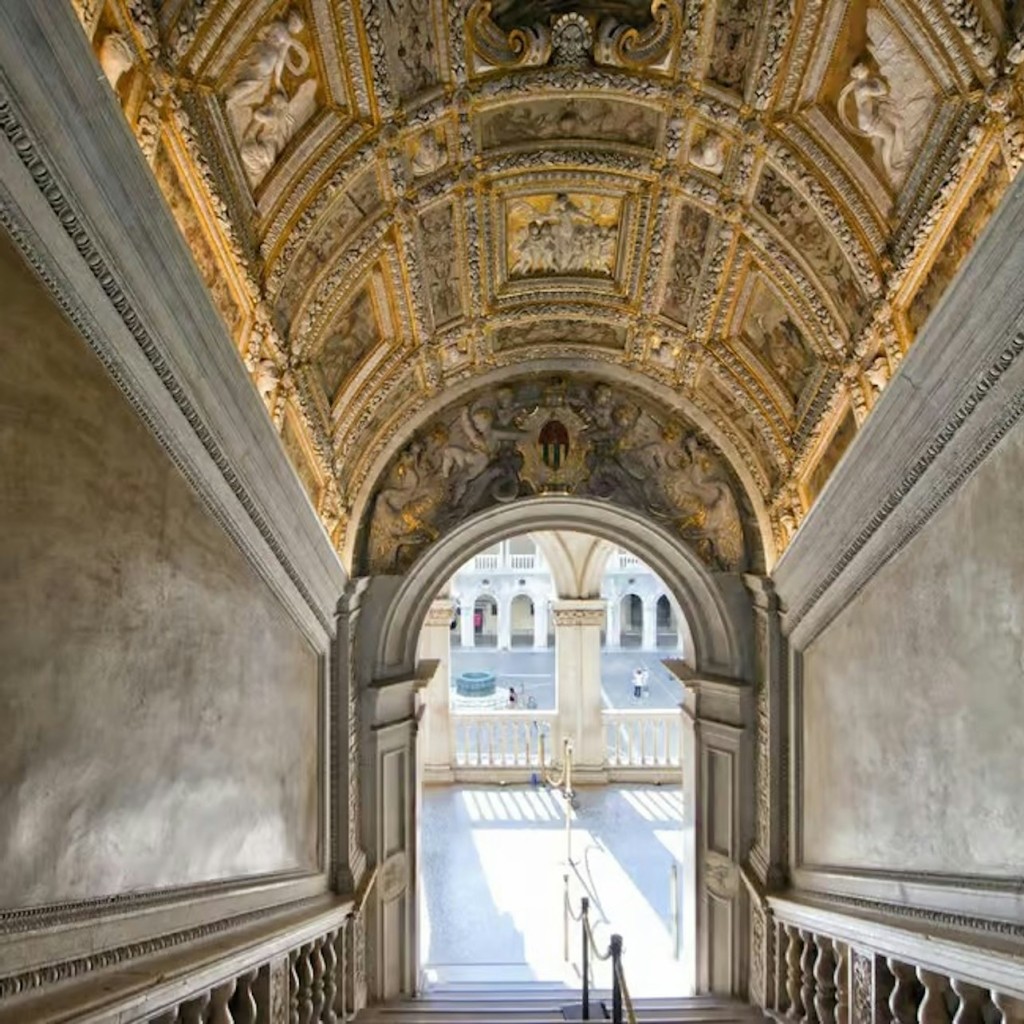
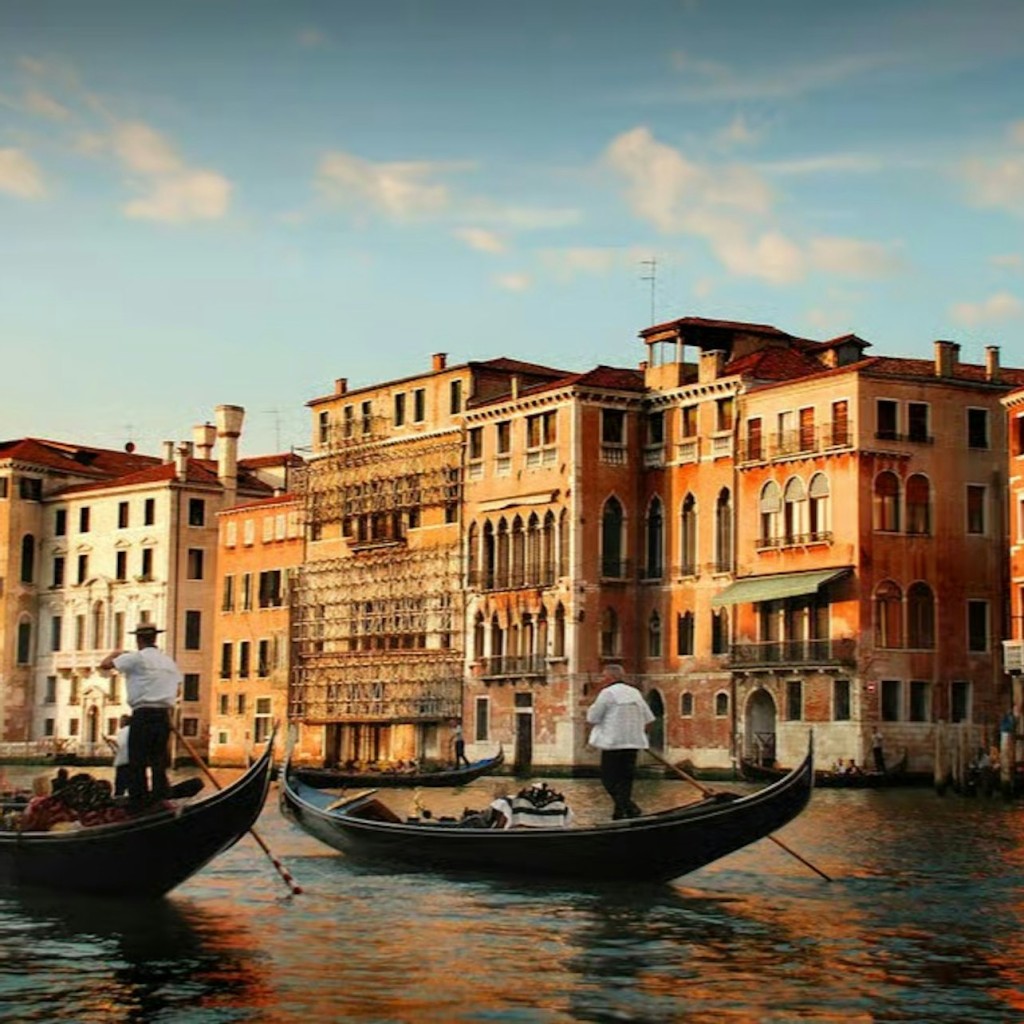
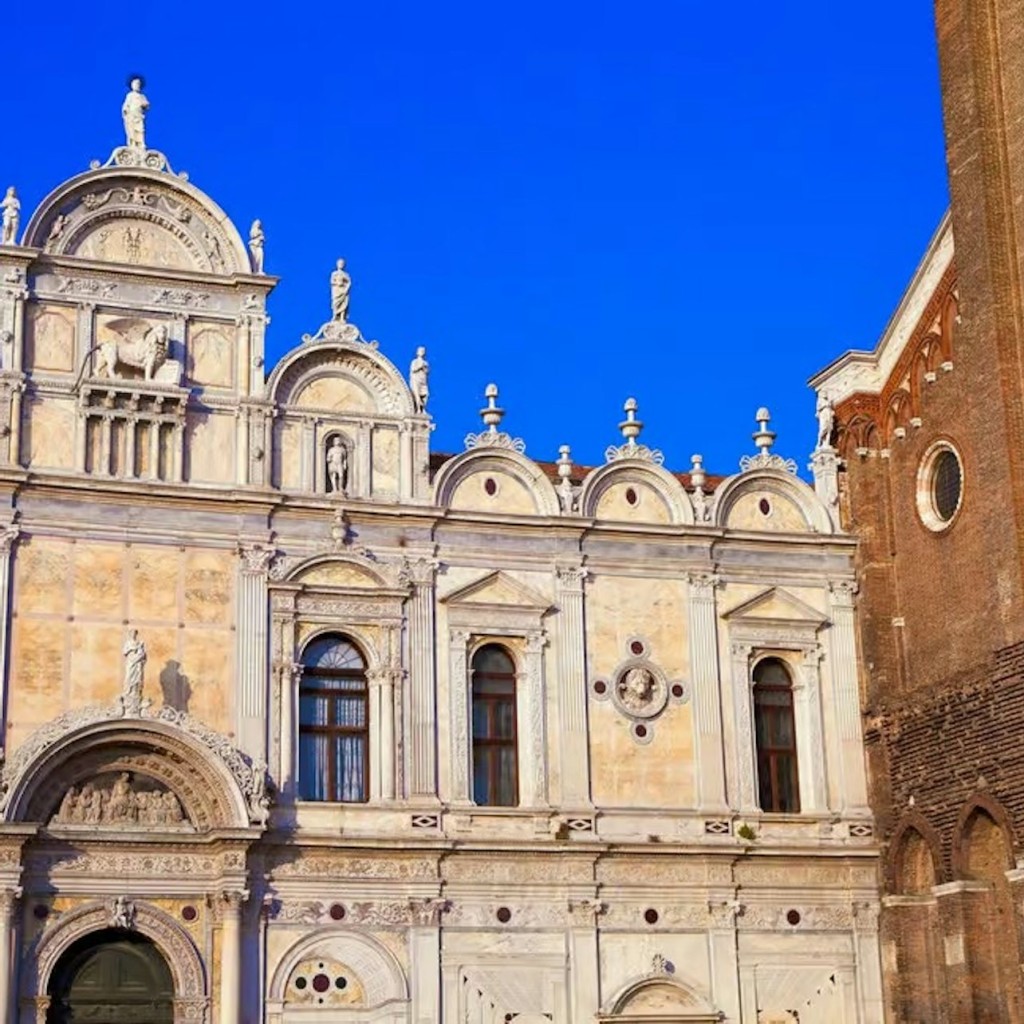
Os Passes da Cidade de Veneza são soluções abrangentes de turismo que agrupam a entrada para muitas das principais atrações de Veneza e, frequentemente, incluem opções de transporte público. São concebidos para viajantes que desejam vivenciar a rica cultura e história da cidade de forma eficiente. Ao adquirir um passe, os visitantes obtêm entrada em locais de renome mundial, como o Palácio Ducal, vários museus cívicos e, por vezes, até locais religiosos, dependendo do passe específico escolhido. O principal benefício reside na conveniência: um único passe substitui múltiplos bilhetes, reduzindo os tempos de espera nas bilheteiras e permitindo uma exploração mais espontânea. Diferentes passes atendem a várias durações de viagem e interesses, desde escapadelas curtas na cidade até explorações mais aprofundadas. Alguns passes podem incluir o uso ilimitado do sistema Vaporetto (autocarro aquático), que é crucial para navegar na lagoa veneziana e nas suas ilhas, enquanto outros podem focar-se puramente no acesso a museus ou oferecer experiências únicas como visitas guiadas a pé. Oferecem um excelente valor, especialmente para aqueles que planeiam visitar várias atrações principais, garantindo uma viagem tranquila e memorável pela Cidade Flutuante.