Acropolis & Parthenon: Ancient Athens' Iconic Landmark


Early Access to the Acropolis & Parthenon Walking Tour - With entrance fees

Early Access to the Acropolis & Parthenon Walking Tour - Without entrance fees

Сравнить варианты
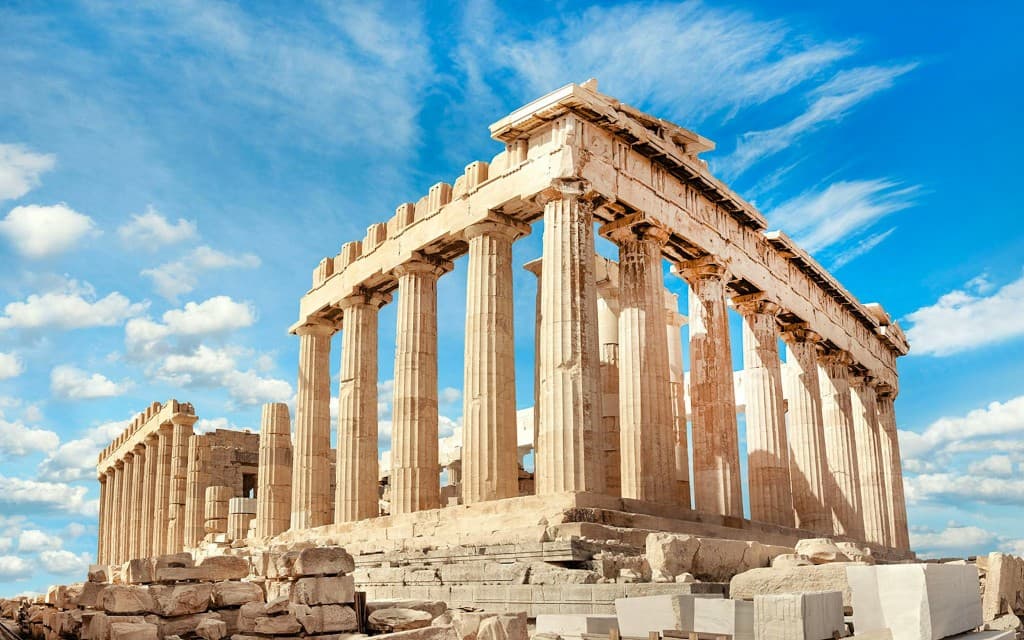
Explore the magnificent Acropolis of Athens, a UNESCO World Heritage Site and the enduring symbol of Classical Greece. Perched high above the bustling city, this ancient citadel invites visitors to step back in time and witness the architectural marvels that defined a civilization. At its heart stands the Parthenon, the majestic temple dedicated to the goddess Athena, embodying the peak of Doric order. A visit here offers a profound journey through history, art, and philosophy, providing unparalleled panoramic views of Athens and the Aegean beyond. Discover the legends and stories embedded in every stone of this historic site.
Что вас ожидает
Главное
Описание Acropolis & Parthenon
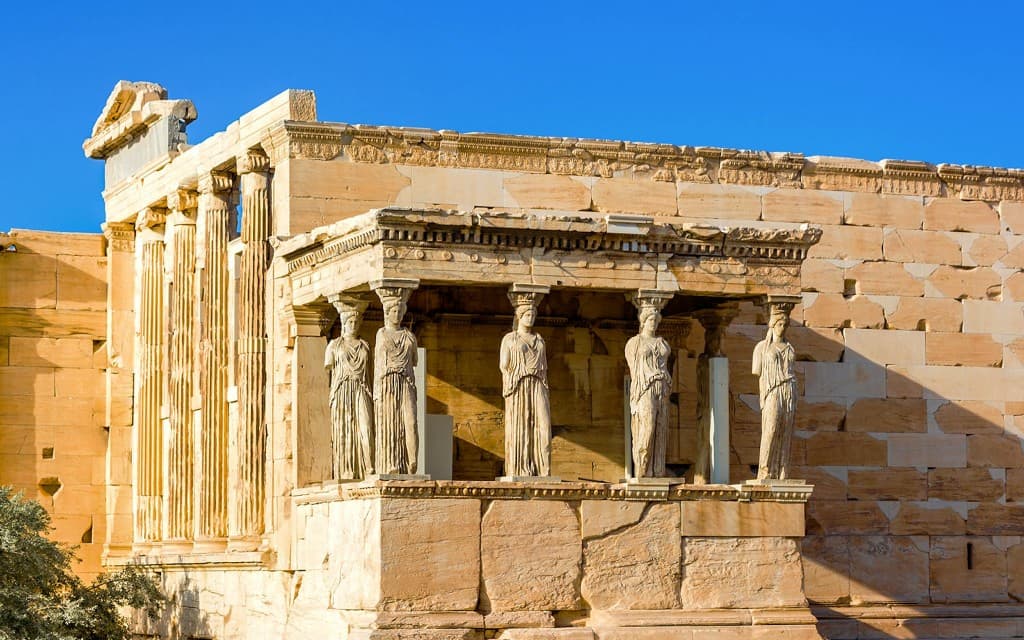
The Acropolis of Athens is a prominent ancient citadel located on a rocky outcrop above the city of Athens, Greece. It served as a natural fortress, a religious center, and a symbol of the city's power and prosperity throughout its long history. The most famous and significant monument on the Acropolis is the Parthenon, a former temple dedicated to the goddess Athena, whom the people of Athens considered their patron. Built in the 5th century BC, during the golden age of Pericles, the Parthenon is an enduring symbol of ancient Greece, its democracy, and its cultural brilliance. Beyond the Parthenon, the Acropolis complex includes other significant structures such as the Propylaea, the monumental gateway to the sanctuary; the Erechtheion, an elegant temple known for its Porch of the Caryatids; and the Temple of Athena Nike, a smaller temple celebrating victory. Together, these structures showcase the pinnacle of ancient Greek architectural and artistic achievement. The site also offers breathtaking vistas of Athens, stretching from the Saronic Gulf to the surrounding mountains, making it a must-visit destination for anyone interested in history, architecture, and stunning landscapes.
Зачем бронировать онлайн?
Booking your Acropolis and Parthenon tickets online offers several advantages, including the convenience of securing your entry in advance and often providing skip-the-line access. This allows you to bypass potentially long queues, especially during peak seasons, saving valuable time. Online booking also provides flexibility with various ticket options, such as combined tickets with audio guides or guided tours, allowing for a more enriched and efficient visit tailored to your preferences. It ensures your entry on your preferred date and time, streamlining your travel experience.
История
The history of the Acropolis dates back to the Neolithic period, with evidence of early settlements around 4000 BC. In the Mycenaean era (1600-1100 BC), it became a fortified citadel. However, its golden age truly began in the 5th century BC, following the Persian Wars. Under the leadership of Pericles, an ambitious building program transformed the Acropolis into the monumental complex we largely see today. The Parthenon, built between 447 and 432 BC, was the most significant project, designed by architects Ictinus and Callicrates, with sculptural decoration by Phidias. Subsequent structures like the Propylaea, Erechtheion, and Temple of Athena Nike further enhanced its grandeur. Throughout Roman, Byzantine, Frankish, and Ottoman periods, the Acropolis served various purposes, from a Christian church to a mosque, and later a Turkish garrison. Many of its sculptures and architectural elements were removed or damaged over centuries. In the 19th century, with the establishment of the modern Greek state, efforts began to restore and protect the Acropolis, leading to ongoing archaeological work and conservation projects that continue to this day, preserving its status as a universal symbol of classical spirit and civilization.
Часы работы
The Acropolis typically opens daily, though specific hours are subject to seasonal changes. During the summer months (April to October), it generally opens earlier, often around 8:00 AM, and closes later, sometimes around 7:00 PM or 8:00 PM. In winter months (November to March), opening hours are usually shorter, from around 8:30 AM to 5:00 PM. It is closed on certain public holidays, including January 1st, March 25th, May 1st, Easter Sunday, and December 25th and 26th. It is advisable to plan your visit according to the current season.
Лучшее время для посещения
To fully enjoy your visit to the Acropolis and avoid the largest crowds, consider arriving either immediately after opening in the early morning or in the late afternoon, approximately two hours before closing. This strategy also helps in mitigating the intense heat of the Athenian sun, particularly during the summer. Spring (April-May) and autumn (September-October) offer pleasant weather conditions, making them ideal seasons for exploration. Weekdays generally see fewer visitors than weekends. Visiting during these times allows for a more comfortable and less rushed experience, offering better photo opportunities of the Parthenon and other monuments.
Что посмотреть внутри
Within the Acropolis complex, visitors will encounter several iconic ancient Greek structures. The centerpiece is undoubtedly the Parthenon, the grand Doric temple dedicated to Athena Parthenos, celebrated for its architectural precision and sculptural decoration. The Propylaea serves as the monumental entrance, a complex structure of gateways and columns. To the north stands the Erechtheion, an intricate temple featuring the famous Porch of the Caryatids, where six maiden figures support the roof. Nearby, the small but elegant Temple of Athena Nike guards the entrance. Visitors can also see the remains of the Odeon of Herodes Atticus and the Theatre of Dionysus on the southern slopes, offering glimpses into ancient performance arts. Each structure tells a part of Athens' rich history and mythology.
Что нужно знать
Wear comfortable walking shoes, as the site involves significant walking on uneven surfaces and slopes. Bring water, especially during warmer months, as shade is limited on the Acropolis. Sunscreen, a hat, and sunglasses are also highly recommended. There are limited facilities on the Acropolis itself, so it's wise to use restrooms and purchase refreshments before ascending. Consider purchasing skip-the-line tickets or guided tours online to save time and enhance your understanding of the monuments. Photography is permitted for personal use, but drones are generally prohibited without special permission.
Правила для посетителей
Visitors are expected to treat the archaeological site with respect. Do not touch or lean on the ancient monuments. Climbing on structures is strictly forbidden. Large bags and backpacks may need to be checked at the entrance. Food and drinks, other than water, are generally not permitted near the monuments. Smoking is prohibited throughout the site. Keep noise levels to a minimum to ensure a peaceful experience for all visitors. Follow all instructions given by site staff for your safety and the preservation of the heritage site.
Стоит ли посетить?
The Acropolis and Parthenon are undoubtedly worth visiting as they represent the pinnacle of ancient Greek civilization and a cornerstone of Western culture. As a UNESCO World Heritage Site, it offers an unparalleled opportunity to walk among millennia-old structures, understand the roots of democracy and philosophy, and witness architectural genius firsthand. The breathtaking panoramic views of Athens alone make the ascent worthwhile. For anyone with an interest in history, art, or simply experiencing one of the world's most iconic landmarks, the Acropolis provides an unforgettable and deeply enriching experience that transcends time.
Часто задаваемые вопросы
The Acropolis of Athens is an ancient citadel located on a rocky outcrop above the city of Athens, Greece. It is a UNESCO World Heritage Site, home to several historically significant buildings, most notably the Parthenon.
The Parthenon is a former temple on the Athenian Acropolis, Greece, dedicated to the goddess Athena, whom the people of Athens considered their patron. It is a symbol of ancient Greece and one of the world's greatest cultural monuments.
It is highly recommended to book your Acropolis tickets in advance, especially during peak season, to secure your entry and potentially benefit from skip-the-line access, saving you time.
The most convenient way to reach the Acropolis is by metro. The 'Acropolis' station on the red line is a short walk from the entrance. 'Monastiraki' station (blue and green lines) is also nearby.
A typical visit to the Acropolis, including time to explore the main monuments like the Parthenon, Propylaea, and Erechtheion, usually takes about 2 to 3 hours.
Restrooms and basic facilities are available near the entrance of the Acropolis, but limited directly within the monument area. It's advisable to use them before ascending.
While some areas of the Acropolis are challenging due to uneven terrain and steps, there is an elevator available for visitors with severe mobility issues. It is usually accessed from the north slope and requires prior arrangement.
Как добраться
The Acropolis is easily accessible by public transport. The nearest metro station is Acropolis (red line), which is a short walk from the site's main entrance. Alternatively, Monastiraki station (blue and green lines) is also within walking distance, offering a scenic route through the historic Plaka district. Various bus and trolleybus lines also serve the area around the Acropolis. Taxis are widely available and can drop visitors near the main entrance points.