Что включено
- Fast Track-Eintritt zur Basilika Santa Croce
- Zugang zu den Kapellen Bardi, Peruzzi und Pazzi
- Zugang zu Gräbern
- Zugang zum Museum des Refektoriums (Cimabues Kruzifix)
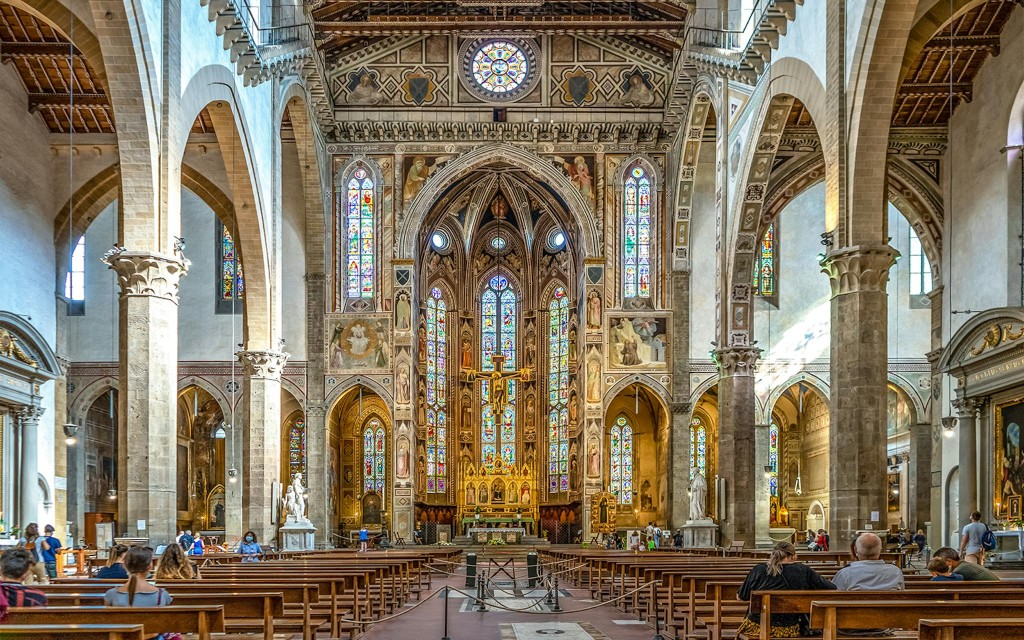
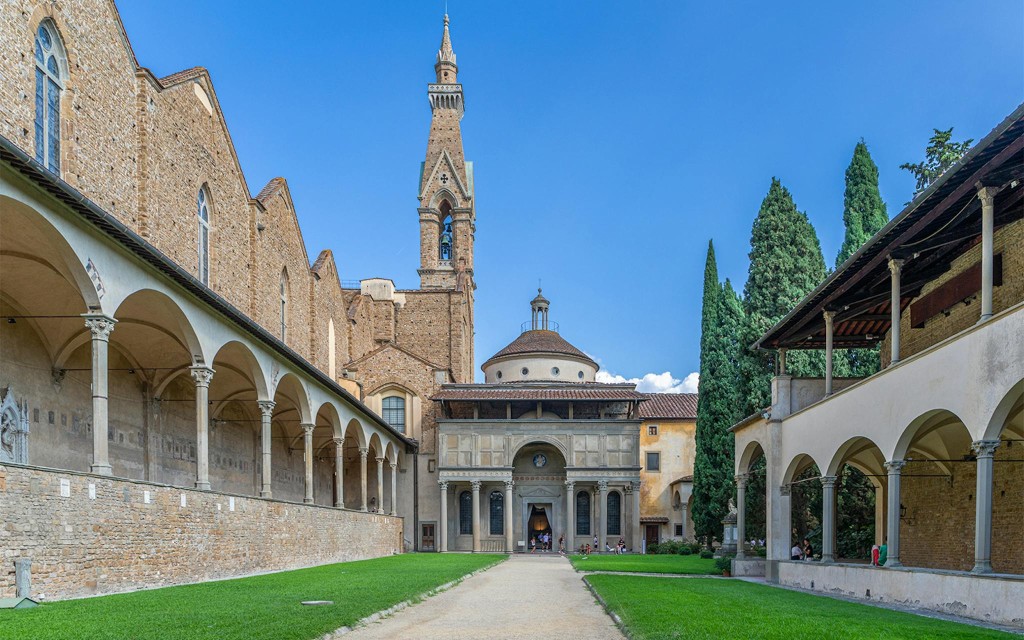
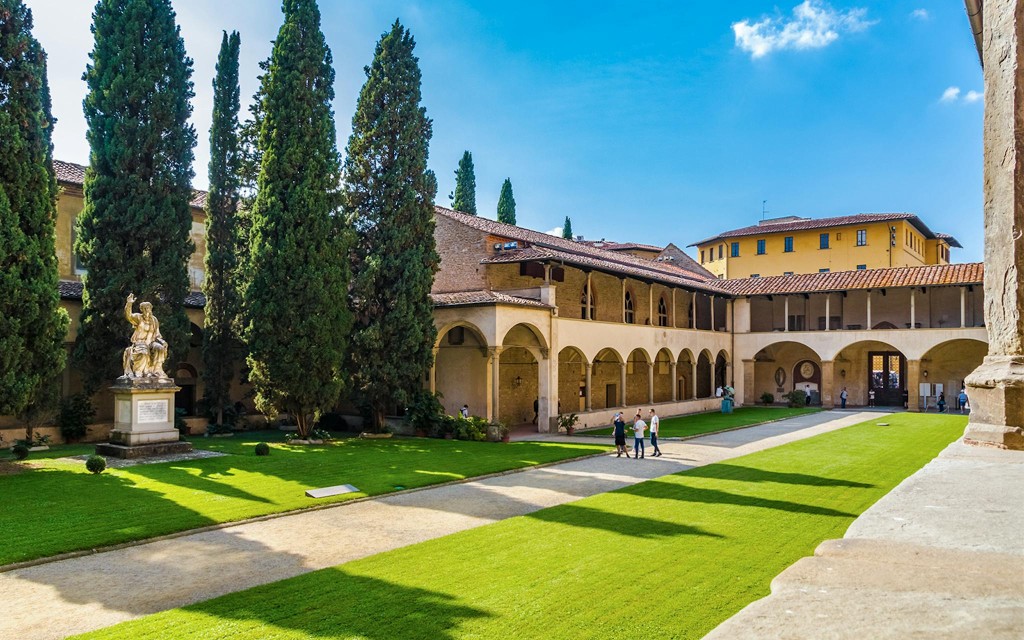
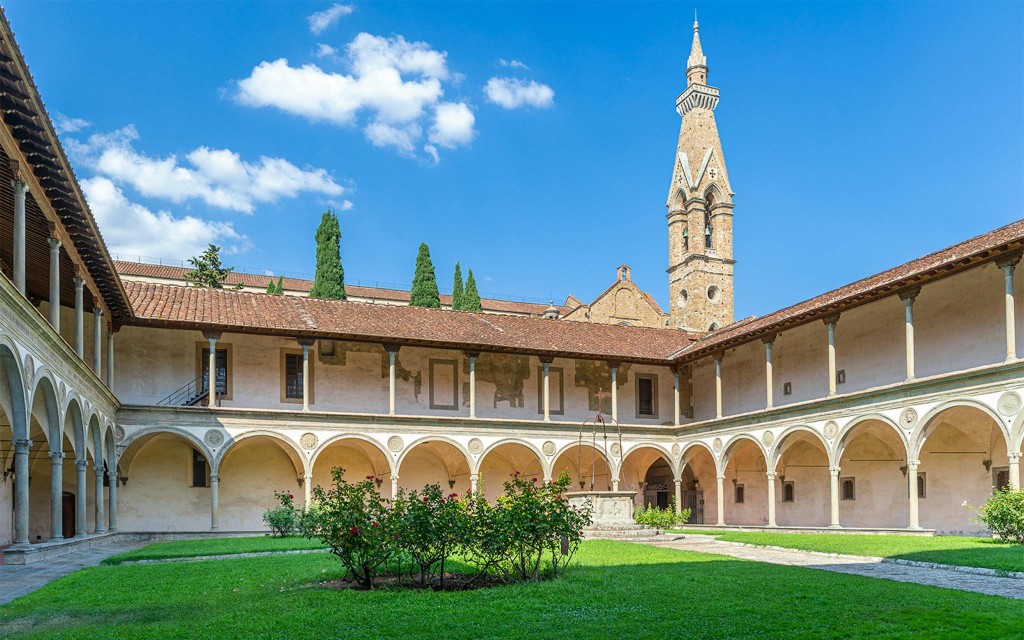
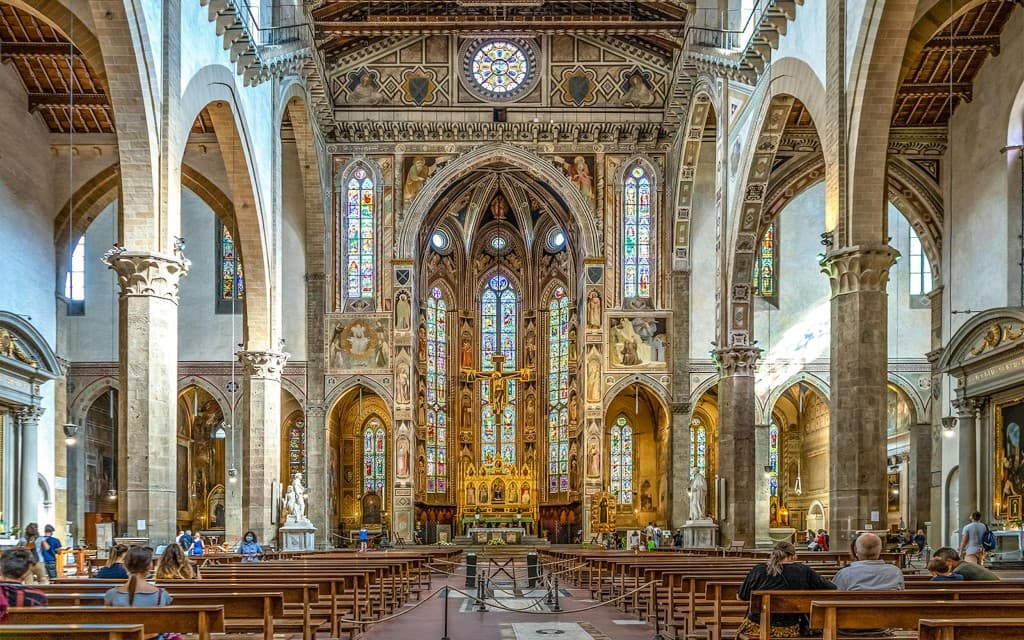
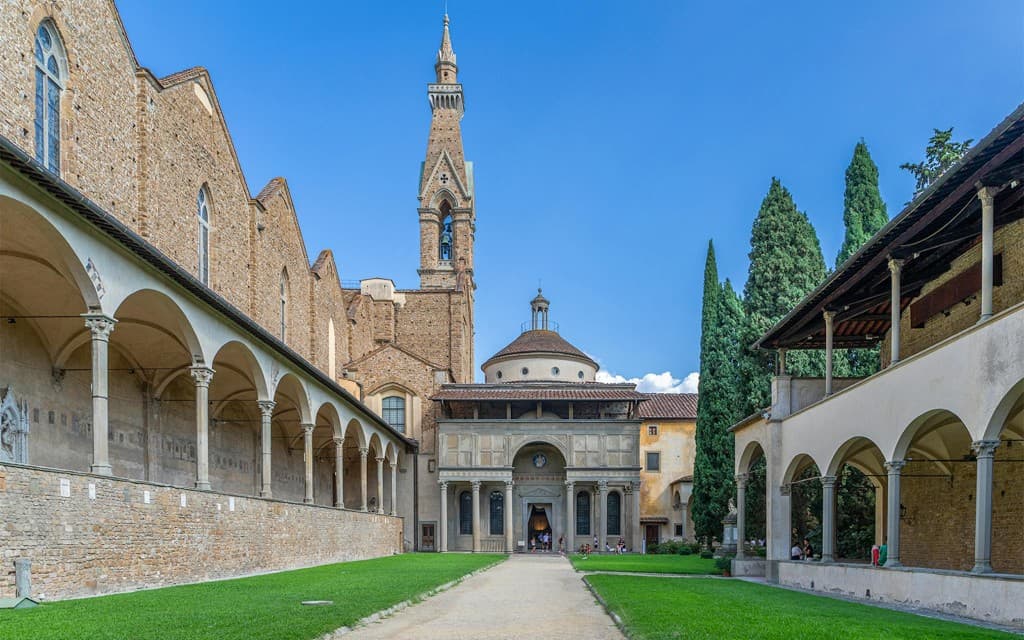
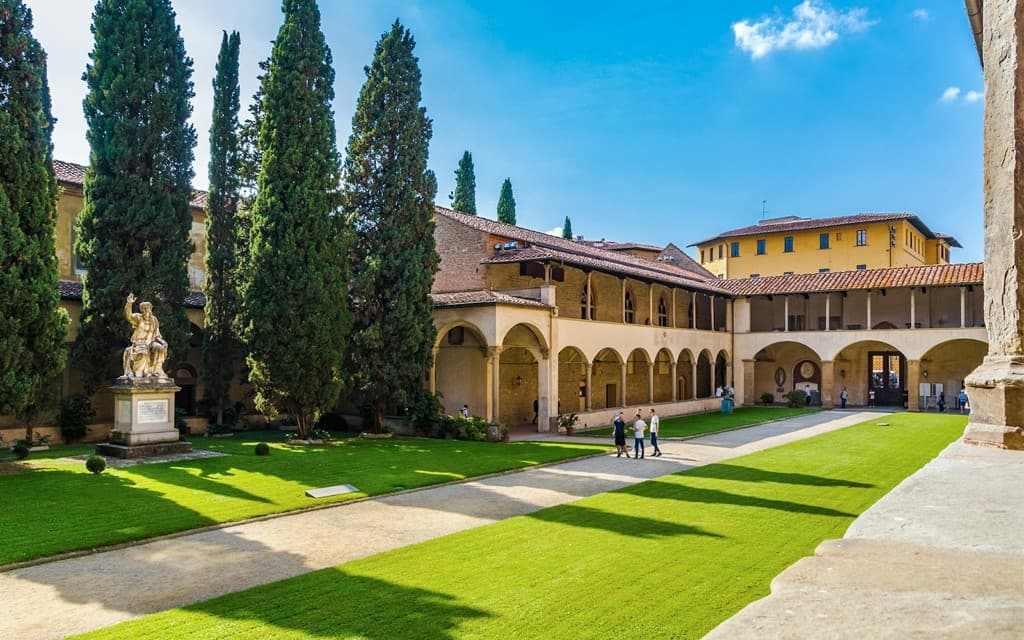
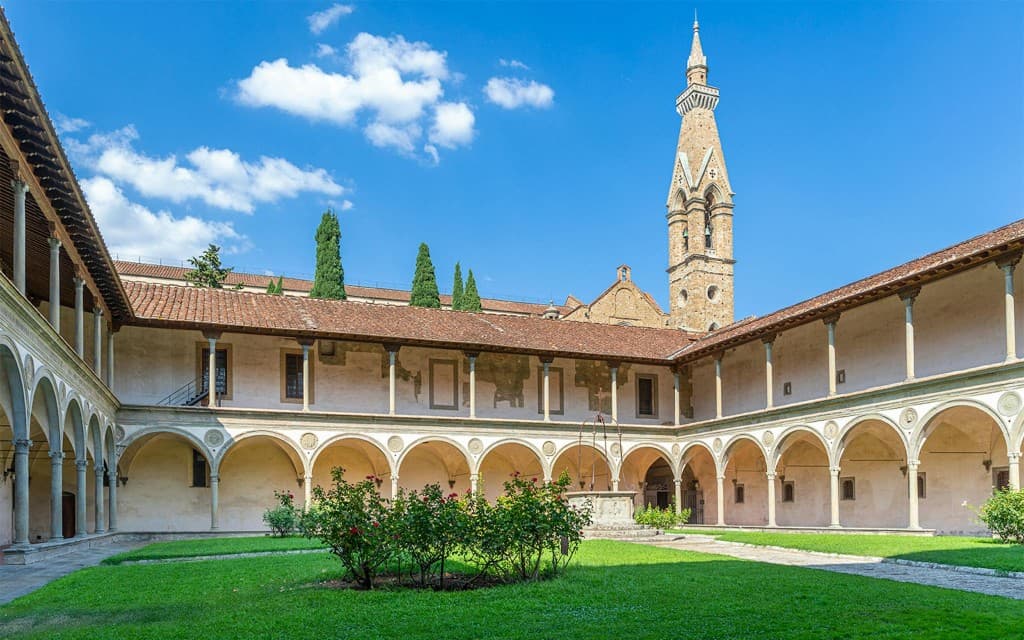
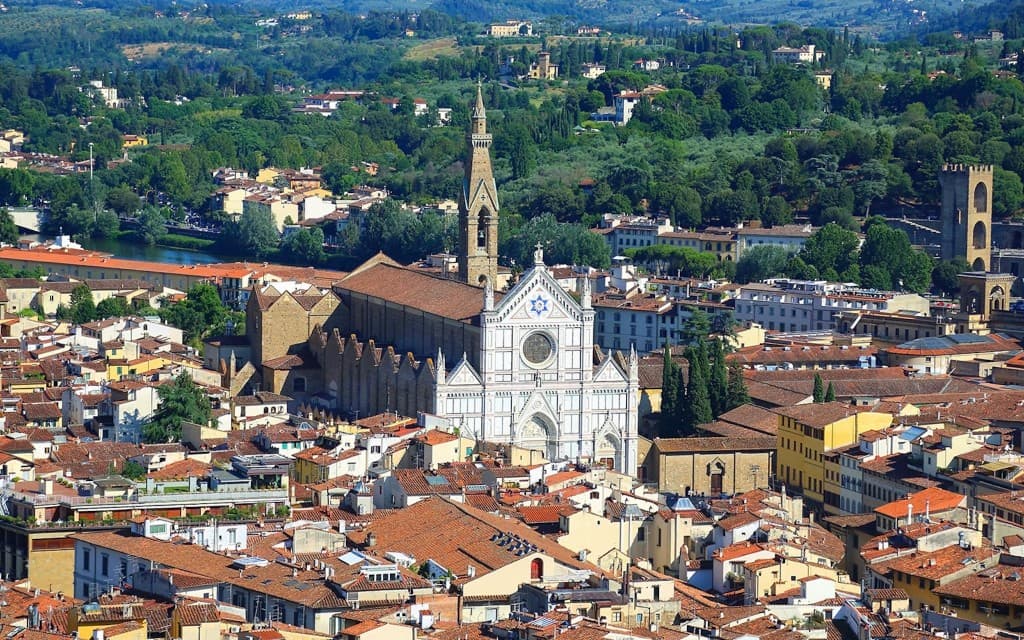
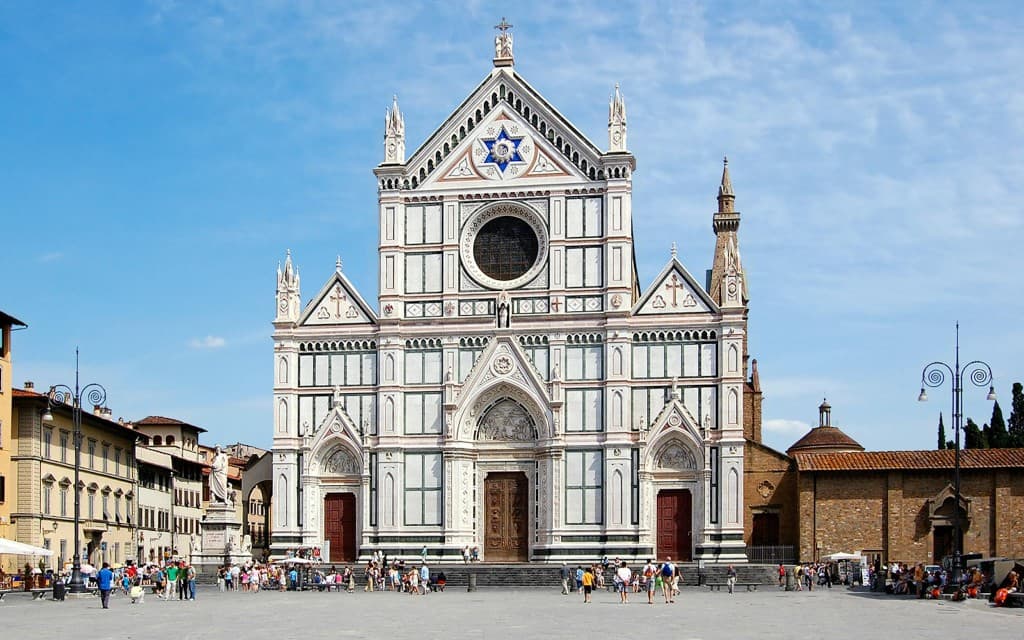
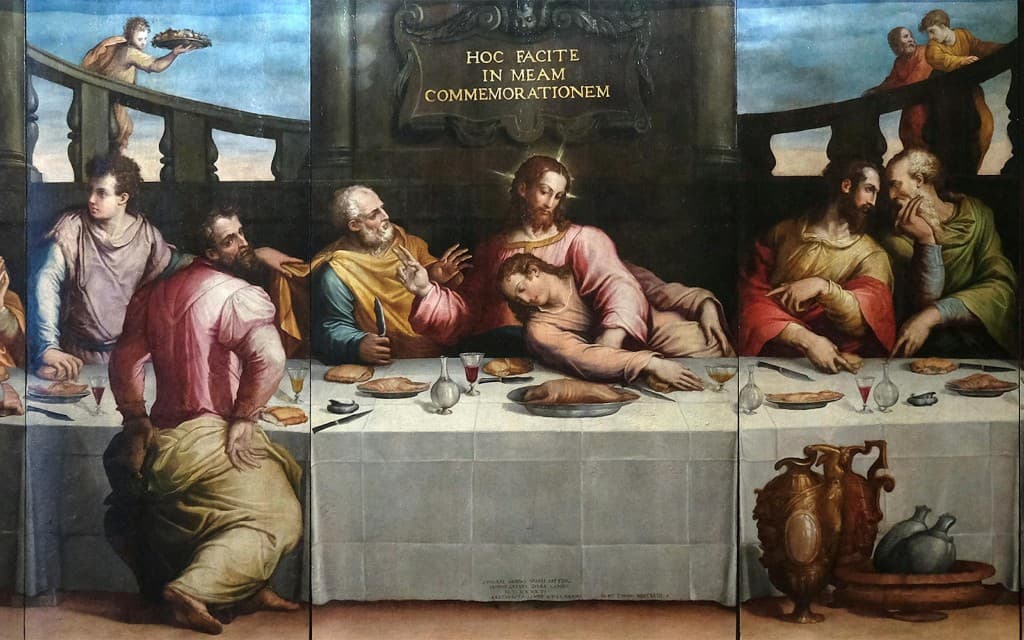
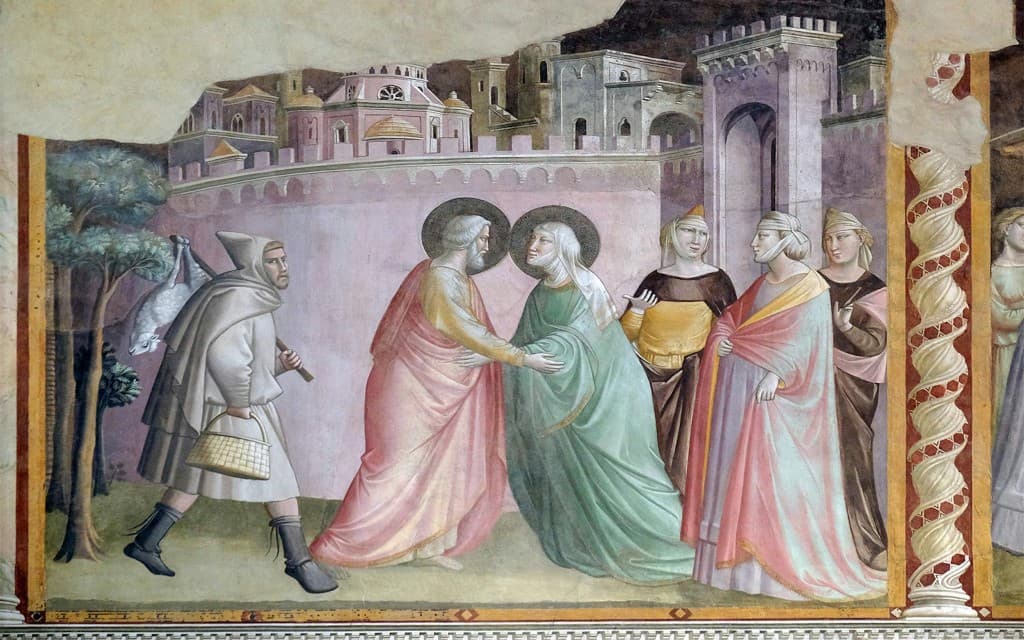
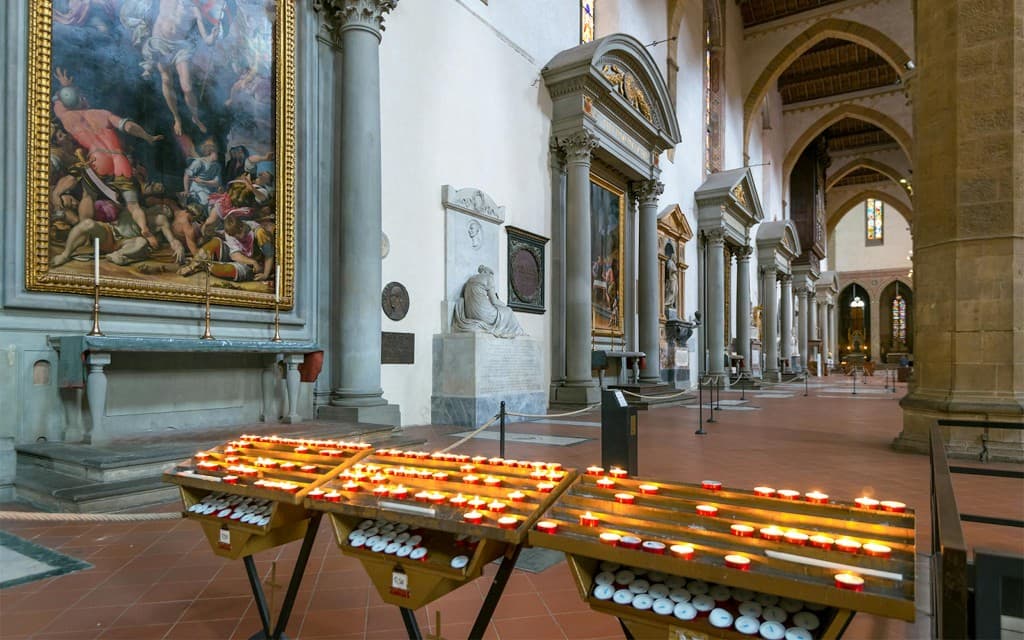
Посмотрите изображения, демонстрирующие величие и художественные сокровища Базилики Санта-Кроче, предлагающие визуальный предварительный просмотр ее знаменитых гробниц, фресок и потрясающей архитектуры.
Базилика Санта-Кроче является одной из самых значимых и почитаемых достопримечательностей Флоренции, часто называемой «Храмом итальянской славы». Эта великолепная францисканская церковь — не только архитектурное чудо, но и последнее пристанище для некоторых самых прославленных деятелей Италии, включая Микеланджело, Галилео Галилея, Никколо Макиавелли и Джоаккино Россини. Посетителей привлекает её торжественная красота, богатая история и выдающаяся коллекция произведений искусства эпохи Возрождения, хранящаяся в её стенах. Посещение предлагает глубокое путешествие по итальянской истории, искусству и культуре, раскрывая наследие тех, кто сформировал современный мир. Откройте для себя потрясающие фрески, замысловатые гробницы и безмятежные клуатры, которые определяют эту знаковую флорентийскую базилику.
Как священное религиозное место, для входа в Базилику Санта-Кроче требуется соблюдение уважительного дресс-кода. Это обычно означает, что плечи и колени должны быть прикрыты. Желательно избегать ношения топов на бретельках, топов без бретелек, коротких шорт или мини-юбок. Шляпы также следует снимать при входе в базилику. Соблюдение этих правил обеспечивает вход и демонстрирует почтение к культурному и духовному значению места.
Santa Croce umfasst 250 Grabstätten, Giottos Fresken und Brunelleschis prächtigste Kapelle. Mit diesem Ticket haben Sie Zugang zu allen Attraktionen, ohne in der Warteschlange an der Kasse anstehen zu müssen.
Bitte legen Sie Ihr Ticket am Eingang an der Nordseite der Basilika am Largo Bargellini vor. Es ist kein Umtausch am Schalter erforderlich. Sobald Sie eingetreten sind, können Sie den Komplex selbstständig und in Ihrem eigenen Tempo erkunden. Planen Sie ein bis zwei Stunden ein, um die wichtigsten Highlights zu besichtigen.
Basilika Santa Croce
Die größte Franziskanerkirche von Florenz ist seit dem 13. Jahrhundert die letzte Ruhestätte der bedeutendsten Persönlichkeiten der Stadt. Treten Sie in das weitläufige gotische Kirchenschiff ein und lassen Sie die Größe des Raumes auf sich wirken, bevor Sie mit der Erkundung beginnen.
Schauen Sie nach unten, wenn Sie das Kirchenschiff durchqueren: Der Boden selbst ist ein Mosaik aus Grabsteinen, von denen jeder einen Namen aus der Vergangenheit von Florenz trägt.
Halten Sie einen Moment inne vor den Gräbern von Michelangelo, Galileo und Machiavelli, die in die Wände des Hauptschiffs eingelassen sind. Jedes Denkmal wurde von einem anderen Künstler entworfen und spiegelt die Epoche wider, in der es entstanden ist.
Nehmen Sie sich Zeit für die Kapellen Bardi und Peruzzi, in denen Giotto im frühen 14. Jahrhundert zwei Freskenzyklen schuf. Sie gehören zu den frühesten erhaltenen Beispielen naturalistischer Malerei in der westlichen Kunst.
Gehen Sie zum Kreuzgang und betreten Sie Brunelleschis Pazzi-Kapelle, die in den 1470er-Jahren fertiggestellt wurde. Die Proportionen sind bewusst gewählt und präzise – es handelt sich um eines der deutlichsten Beispiele für die Architektur der Frührenaissance in Florenz.
Gehen Sie weiter zum Opernmuseum, zur Krypta und zur Medici-Kapelle. All dies ist in Ihrem Ticket enthalten, ohne dass zusätzliche Kosten anfallen.
Durchschnittlich benötigt ein Besucher etwa 50 Minuten für eine eigenständige Tour durch die Basilika, doch können Besucher bis zur Schließung um 17:30 Uhr so lange bleiben, wie sie möchten.
Da es sich um eine aktive Kultstätte handelt, müssen Besucher beim Betreten angemessene Kleidung tragen. Schultern und Knie müssen bedeckt sein.
Базилика Санта-Кроче — это монументальная готическая церковь, расположенная на площади Санта-Кроче во Флоренции, Италия. Её строительство началось в 1294 году, возможно, по проекту Арнольфо ди Камбио, и она служила духовным центром для францисканского ордена. На протяжении веков она превратилась в пантеон для выдающихся итальянцев, заслужив своё прозвище. Впечатляющий фасад базилики, завершённый в 19 веке, украшен полихромным мрамором, задавая величественный тон для сокровищ внутри. Внутри обширный неф окружён многочисленными капеллами, каждая из которых является хранилищем бесценного искусства. Фрески Джотто в капеллах Барди и Перуцци особенно примечательны, демонстрируя шедевры раннего Возрождения. Помимо искусства, здесь ощущается огромный исторический вес: гробницы легендарных художников, учёных, писателей и политиков создают мощную связь с прошлым Италии. Прилегающие клуатры и Капелла Пацци, архитектурная жемчужина эпохи Возрождения, спроектированная Филиппо Брунеллески, ещё больше обогащают впечатления посетителей, предлагая безмятежные места для размышлений вдали от шумного города.
Бронирование входных билетов или экскурсий в Базилику Санта-Кроче онлайн предлагает несколько преимуществ. Это гарантирует вам пропуск, особенно в пик сезона, и часто предоставляет возможность прохода без очереди, экономя ценное время. Предварительная покупка билетов означает, что вы избежите очередей у входа, что позволит начать ваше посещение более спокойно и эффективно. Кроме того, многие онлайн-билеты включают немедленное подтверждение и гибкие правила отмены, что обеспечивает спокойствие и удобство при планировании вашего маршрута во Флоренции. Рассмотрите возможность приобретения входного билета в Комплекс Базилики Санта-Кроче или присоединения к экскурсии, чтобы углубить ваше понимание этого значимого места.
История Базилики Санта-Кроче восходит к концу XIII века, когда 3 мая 1294 года был заложен ее краеугольный камень. Она была построена на руинах более ранней церкви, по заказу францисканского ордена, и традиционно приписывается Арнольфо ди Камбио. Базилика быстро стала важным центром для францисканских монахов и мощным символом флорентийского республиканизма. На протяжении веков ее значимость росла, поскольку богатые флорентийские семьи спонсировали часовни, украшая их шедеврами ведущих художников того времени, включая Джотто. К XVI веку церковь стала использоваться как место захоронения выдающихся флорентийцев, и эта традиция значительно расширилась в эпоху Возрождения и наполеоновскую эпоху. Именно в эти периоды она заслужила репутацию «Пантеона Италии», став местом последнего упокоения таких светил, как Микеланджело, Галилео Галилей и Никколо Макиавелли. Готический фасад, более позднее дополнение, был завершен в середине XIX века, что способствовало его современному культовому облику. На протяжении всей своей истории Санта-Кроче пережила наводнения, войны и социальные изменения, всегда оставаясь свидетельством неизменного наследия Флоренции в искусстве, науке и мысли.
Базилика Санта-Кроче обычно работает по меняющемуся графику в течение года. Как правило, она открыта с понедельника по субботу, обычно с середины утра, часто около 9:30, до позднего вечера, обычно около 17:30. По воскресеньям и в праздничные дни часы работы часто сокращены, обычно она открывается в начале дня, возможно, с 13:00 до 17:30. Эти часы могут меняться из-за религиозных церемоний или специальных мероприятий. Рекомендуется учитывать эти потенциальные изменения при планировании вашего визита.
Чтобы в полной мере оценить Базилику Санта-Кроче без больших толп, часто рекомендуется посещать ее рано утром, вскоре после открытия, или поздно днем, за час-два до закрытия. Будние дни, как правило, предлагают более спокойное посещение по сравнению с выходными. Весна и осень обеспечивают приятную погоду для прогулок по Флоренции, что делает эти сезоны идеальными для посещения. Хотя летом туристов больше, посещение рано утром все равно может обеспечить более спокойную атмосферу. Избегание религиозных праздников, по возможности, также может помочь в посещении базилики с меньшими помехами.
Внутри Базилики Санта-Кроче посетители могут ознакомиться с богатым собранием художественных и исторических сокровищ. Самыми выдающимися особенностями являются гробницы и памятники, посвященные величайшим умам Италии, среди которых Микеланджело Буонарроти, Галилео Галилей, Никколо Макиавелли и Джоакино Россини. Каждая гробница сама по себе является произведением искусства, отражающим эпоху, в которую она была создана. Базилика также содержит значимые произведения искусства, в особенности фрески Джотто, изображающие сцены из жизни святого Франциска в капеллах Барди и Перуцци. Не пропустите Капеллу Пацци, выдающийся образец архитектуры Возрождения, спроектированный Филиппо Брунеллески. Школа кожи Санта-Кроче, действующая на территории комплекса, предлагает заглянуть в традиционное флорентийское мастерство. Клуатры обеспечивают спокойное уединение, демонстрируя красоту монастырской архитектуры.
При посещении Базилики Санта-Кроче рекомендуется надевать удобную обувь, так как вы будете ходить по большому комплексу. Рассмотрите возможность приобретения аудиогида для более глубокого понимания истории, искусства и знаменитых гробниц базилики. Фотографирование обычно разрешено для личного использования, но вспышка часто запрещена, и рекомендуется проявлять осторожность, особенно во время религиозных служб. Общественные туалеты обычно доступны на территории комплекса. Будьте готовы к проверкам безопасности на входе. Школа кожи Санта-Кроче, доступная из клуатров, стоит посещения ради уникальных сувениров и наблюдения за работой мастеров.
От посетителей ожидается уважительное поведение в Базилике Санта-Кроче, так как это действующее место поклонения. Это включает соблюдение тишины, особенно в капеллах и около алтарей. Еда и напитки не разрешены внутри базилики. Большие сумки или рюкзаки могут потребоваться сдать на хранение при входе. Пожалуйста, следуйте инструкциям персонала и уважайте обозначенные зоны. Бег и громкие разговоры не приветствуются, чтобы сохранить торжественную атмосферу места.
Базилика Санта-Кроче, несомненно, стоит посещения для всех, кто приезжает во Флоренцию. Она предлагает уникальное сочетание исторической значимости, художественных шедевров и архитектурного величия. Будучи местом захоронения некоторых из самых влиятельных деятелей Италии, она обеспечивает ощутимую связь с эпохой Возрождения и последующими периодами. Возможность увидеть фрески Джотто, исследовать Капеллу Пацци Брунеллески и ощутить тихую благоговение клуатров делает посещение обогащающим и незабываемым опытом. Это место, где искусство, история и духовность сходятся, предлагая глубокие прозрения в итальянскую культуру.
Главные достопримечательности включают гробницы Микеланджело, Галилея, Макиавелли и Россини, фрески Джотто в капеллах Барди и Перуцци, а также Капеллу Пацци, спроектированную Брунеллески.
Да, поскольку это религиозный объект, посетители должны одеваться уважительно. Плечи и колени должны быть прикрыты. Желательно избегать маек, коротких шорт и мини-юбок.
Большинство посетителей тратят примерно от 1,5 до 2 часов на осмотр комплекса базилики, включая церковь, капеллы и клуатры.
Фотографирование для личного пользования обычно разрешено, но вспышка, как правило, запрещена для защиты произведений искусства. Всегда проявляйте уважение к другим посетителям и религиозным службам.
Базилика стремится быть доступной, хотя некоторые старые секции или неровные полы могут представлять трудности. Как правило, для более легкого доступа рекомендуется использовать главный вход.
Она получила это прозвище, потому что служит местом захоронения многих выдающихся итальянских деятелей, включая художников, ученых, писателей и политических лидеров, что закрепляет ее роль национального пантеона.
Да, часто доступны экскурсии с гидом, предоставляющие более глубокое понимание истории базилики, искусства и историй, стоящих за ее знаменитыми обитателями. Также можно найти аудиогиды.
Базилика Санта-Кроче удобно расположена в центре Флоренции и легко доступна пешком от большинства основных достопримечательностей, таких как Дуомо или Пьяцца делла Синьория. Для тех, кто пользуется общественным транспортом, несколько местных автобусных маршрутов останавливаются недалеко от Пьяцца ди Санта-Кроче. Ближайшие крупные автобусные остановки обычно находятся в нескольких минутах ходьбы, что делает ее легкодоступным местом в городе.
Как священное религиозное место, для входа в Базилику Санта-Кроче требуется соблюдение уважительного дресс-кода. Это обычно означает, что плечи и колени должны быть прикрыты. Желательно избегать ношения топов на бретельках, топов без бретелек, коротких шорт или мини-юбок. Шляпы также следует снимать при входе в базилику. Соблюдение этих правил обеспечивает вход и демонстрирует почтение к культурному и духовному значению места.