

Что включено
- Экскурсия с гидом по Базилике Папале, Лоджии делле Бенедициони, Сала деи Папи, Скала Джан Лоренцо Бернини и новому Историческому музею Либериано
- Профессиональный гид
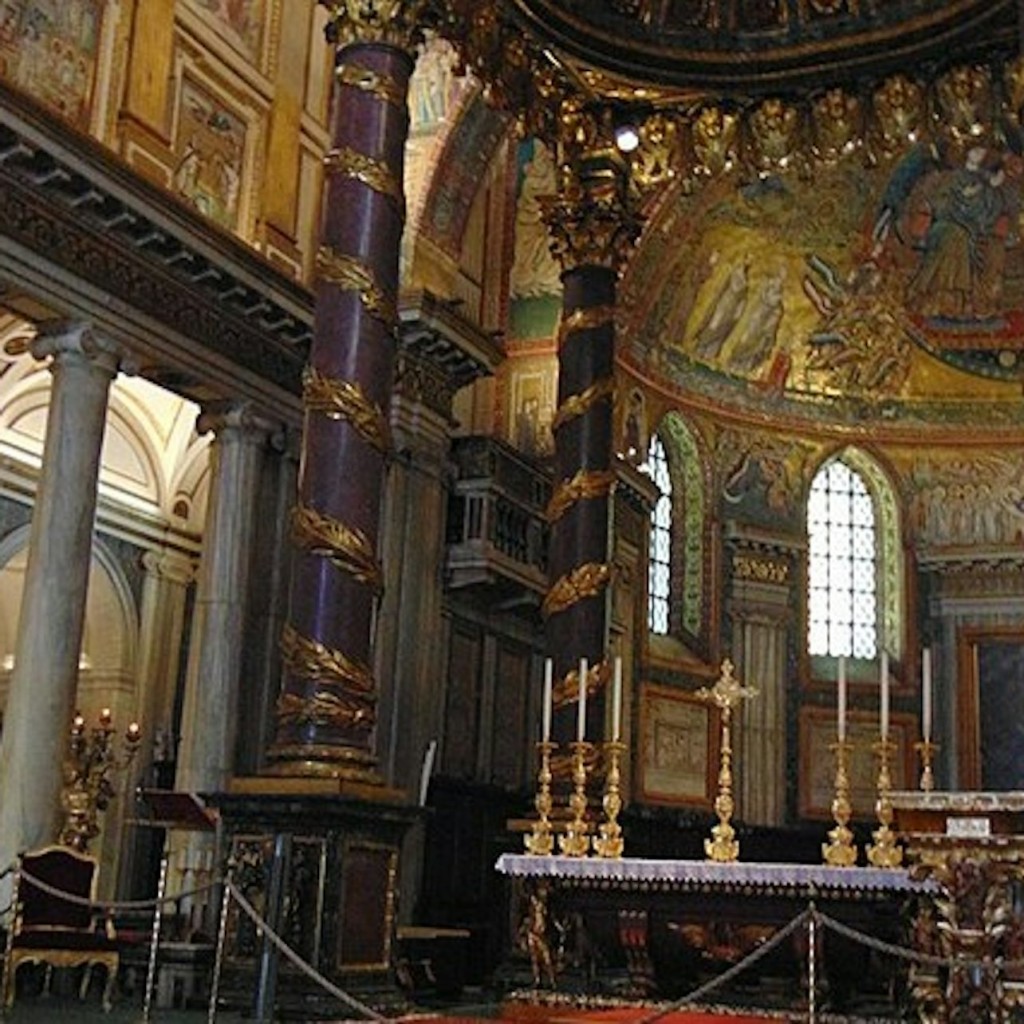
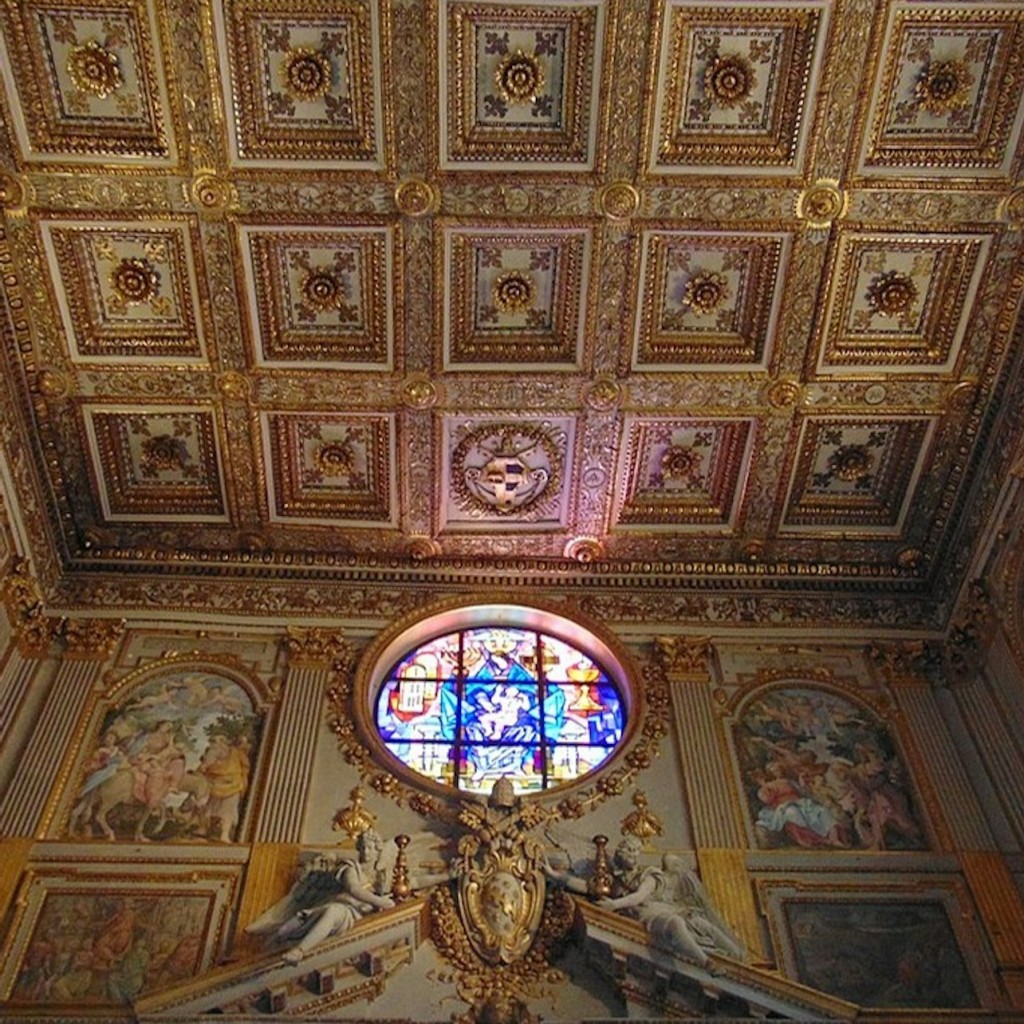
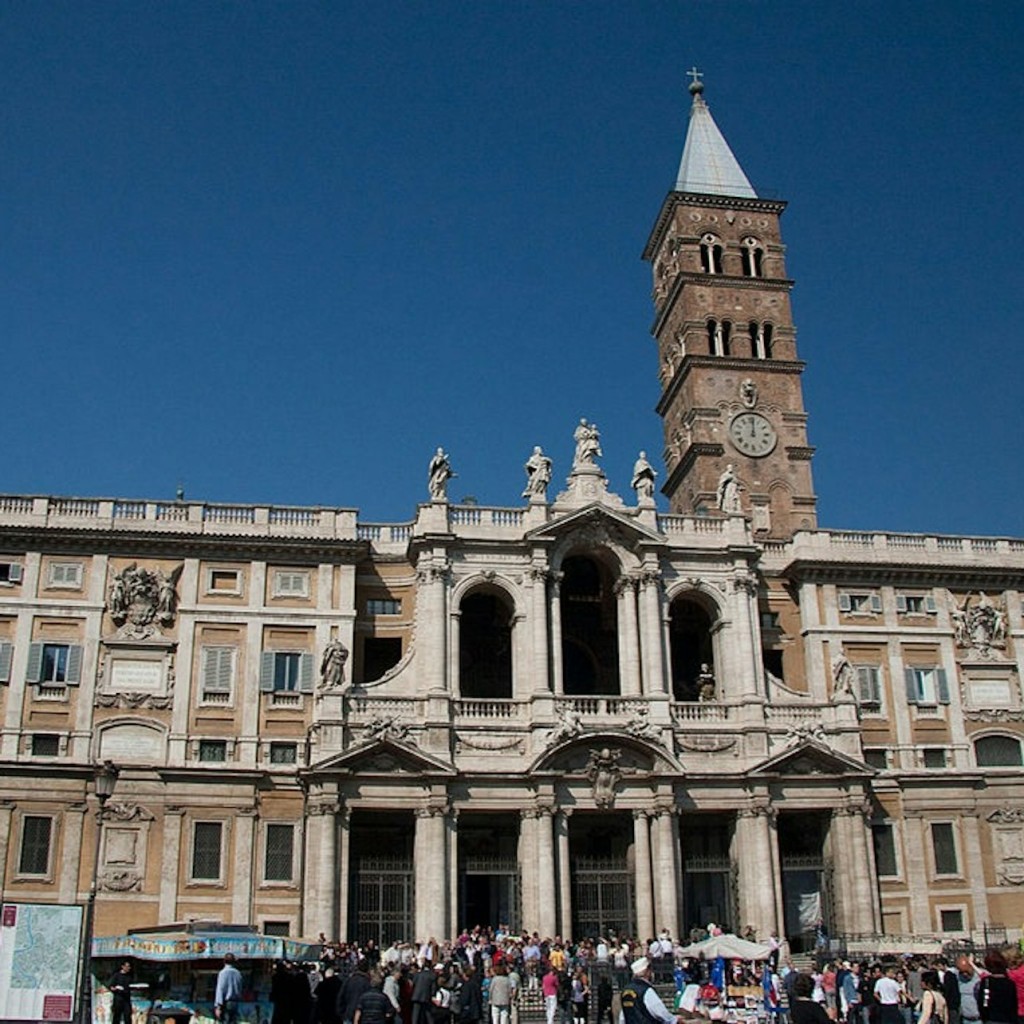
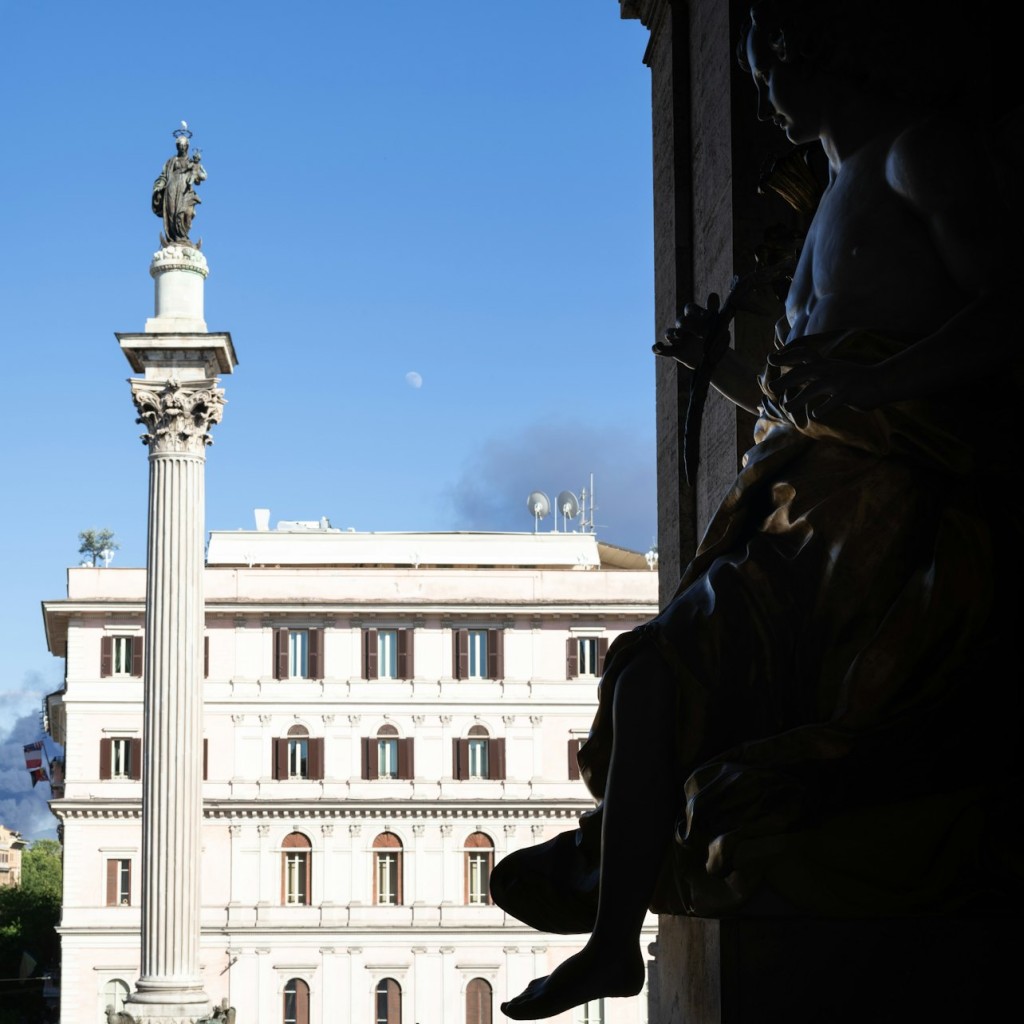
Откройте для себя коллекцию захватывающих изображений, демонстрирующих величие и тонкие детали Базилики Санта-Мария-Маджоре, от ее древних мозаик до величественных интерьеров и архитектурного великолепия.
Базилика Санта-Мария-Маджоре является одной из четырех главных папских базилик Рима, архитектурной и художественной жемчужиной, воплощающей многовековую христианскую преданность. Посвященная Деве Марии, она является самой большой католической марианской церковью в Риме и объектом Всемирного наследия ЮНЕСКО. Посетителям предлагается исследовать ее великолепные интерьеры, представляющие собой смесь раннехристианского, средневекового и барочного стилей. От древних мозаик, изображающих сцены из Ветхого Завета, до богато украшенных капелл и впечатляющей апсиды, базилика предлагает глубокое путешествие по искусству, истории и вере. Она остается действующим местом поклонения и ключевой достопримечательностью Вечного города.
Посетители Базилики Санта-Мария-Маджоре обязаны одеваться скромно из уважения к ее религиозному значению. Это означает, что плечи и колени должны быть прикрыты. Головные уборы следует снимать при входе. Хотя строгих правил относительно конкретной одежды нет, слишком откровенная одежда, такая как топы без рукавов, шорты или короткие юбки, может помешать входу. Рекомендуется носить удобную, но уважительную одежду.
Базилика Санта-Мария-Маджоре, или Святой Марии Великой, занимает уникальное положение среди великих церквей Рима, являясь единственной, сохранившей свою первоначальную раннехристианскую структуру, хотя и с многочисленными последующими дополнениями. Основанная в V веке, ее величие отражает ее значимость как одного из важнейших марианских святилищ в мире. Базилика славится своим потрясающим набором мозаик, особенно тех, что украшают неф, триумфальную арку и апсиду, которые рассказывают библейские истории и прославляют Деву Марию. Ее интерьер также включает ослепительный кессонный потолок, который, как говорят, был позолочен первым золотом, привезенным из Америки. На протяжении веков папы и знатные семьи заказывали различные капеллы и алтари, каждый из которых является шедевром сам по себе, демонстрируя эволюцию художественных и архитектурных стилей. В базилике также хранятся значимые реликвии, включая «Священную Колыбель» или часть яслей из Рождества, что делает ее почитаемым местом паломничества. Ее непреходящая красота и духовное значение делают ее обязательным местом для посещения для всех, кто исследует богатое наследие Рима.
Онлайн-бронирование посещения базилики Санта-Мария-Маджоре предлагает несколько преимуществ, обеспечивая более гладкий и насыщенный впечатлениями опыт. Вы можете получить приоритетный вход, что позволит вам избежать потенциально длинных очередей, особенно в пиковые сезоны. Многие онлайн-варианты также предоставляют удобные функции, такие как аудиогиды или доступ к музейным зонам, улучшая ваше понимание обширной истории и искусства базилики. Кроме того, экскурсии, включая специализированные варианты, такие как подземные или художественно-исторические туры, могут быть легко организованы заранее, предоставляя более глубокие знания от опытных гидов об этой великолепной папской базилике.
История базилики Санта-Мария-Маджоре пропитана легендами и веками папского покровительства. Согласно преданию, Дева Мария явилась во сне Папе Либерию и римскому патрицию Иоанну в IV веке, поручив им построить церковь на Эсквилинском холме там, где в августе выпадет снег. Утром 5 августа 358 года н.э. снег чудесным образом покрыл указанное место, что привело к первоначальному строительству базилики. Однако нынешнее здание в значительной степени датируется V веком, построенное при Папе Сиксте III после Эфесского собора (431 год н.э.), который провозгласил Марию Богородицей. На протяжении веков базилика претерпела многочисленные реконструкции и дополнения. Ее знаменитая колокольня, самая высокая в Риме, была добавлена в XIV веке, а барочный фасад был завершен в XVIII веке Фердинандо Фугой. Несмотря на эти модификации, базилика удивительно сохраняет свой первоначальный раннехристианский базиликальный план, что делает ее уникальным свидетельством непрерывного религиозного и художественного наследия Рима.
Базилика Санта-Мария-Маджоре обычно принимает посетителей ежедневно в течение всего года. Общие часы работы обычно с примерно 7:00 до 18:45. Однако важно отметить, что доступ к определенным зонам, таким как музей, склеп или купол, может иметь другое или более ограниченное время работы. Поскольку это действующее место поклонения, часы работы также могут изменяться для религиозных служб, специальных мероприятий или праздников. Рекомендуется выделить достаточно времени для посещения, особенно если вы планируете осмотреть несколько секций.
Оптимальное время для посещения базилики Санта-Мария-Маджоре — рано утром, вскоре после открытия, или поздно днем, ближе к закрытию. В эти периоды толпы обычно меньше, что позволяет получить более спокойный опыт и лучшие возможности оценить замысловатые детали ее искусства и архитектуры. Будние дни, как правило, менее загружены, чем выходные. По возможности избегайте середины дня, особенно в пиковый туристический сезон (весна и осень), когда базилика может быть довольно многолюдной. Посещение вне крупных религиозных праздников также может улучшить спокойствие вашего опыта.
Внутри базилики Санта-Мария-Маджоре посетителей встречает простор художественных и архитектурных чудес. Обширный центральный неф фланкирован 36 ионическими колоннами, направляющими взгляд к триумфальной арке и апсиде, обе украшены впечатляющими мозаиками V века, изображающими сцены из Ветхого Завета и жизни Девы Марии. Золоченый кессонный потолок, спроектированный Джулиано да Сангалло, является чудом барокко. Исследуйте роскошную Капеллу Боргезе, также известную как Капелла Паолина, где хранится почитаемая икона Salus Populi Romani, и Сикстинскую капеллу (не путать с капеллой Ватикана), содержащую гробницу Папы Сикста V. Спуститесь в Крипту Рождества под главным алтарем, где хранятся реликвии Святой Колыбели. Базилика также может похвастаться красивой кампанилой, самой высокой в Риме, и музеем, содержащим облачения, реликварии и другие исторические артефакты.
При посещении Базилики Санта-Мария-Маджоре планируйте приходить в удобной обуви, так как вам предстоит пройти довольно много пешком. Рассмотрите возможность предварительной покупки билетов онлайн для посещения любых особых зон, таких как музей или крипта, чтобы сэкономить время. Фотографирование обычно разрешено в большинстве общественных мест для личного использования, но вспышка может быть запрещена. Часто имеются удобства, такие как туалеты, доступные для посетителей. Экскурсии могут значительно улучшить ваше понимание богатой истории базилики и замысловатых произведений искусства. Помните, что это действующее место поклонения, поэтому ожидается уважительное поведение и соответствующая одежда.
Как священное религиозное место, посетители Базилики Санта-Мария-Маджоре должны соблюдать определенные правила. Пожалуйста, соблюдайте тишину или говорите приглушенным голосом из уважения к верующим. Еда, питье и курение строго запрещены внутри базилики. Большие сумки и рюкзаки, возможно, придется сдать в гардероб. Фотографирование для личного использования обычно разрешено, но использование вспышки часто запрещено, а штативы не допускаются без специального разрешения. Всегда следуйте указаниям персонала базилики и указателям.
Базилика Санта-Мария-Маджоре, несомненно, стоит посещения для любого, кто исследует Рим. Она предлагает увлекательное сочетание истории, искусства и духовного значения, что отличает ее от других крупных римских достопримечательностей. Ее беспрецедентные древние мозаики, великолепная архитектура, охватывающая столетия, и ее статус крупной папской базилики делают ее культурным сокровищем. Независимо от того, привлекают ли вас ее художественные шедевры, ее глубокая религиозная история или вы просто хотите испытать одну из самых священных и красивых церквей Рима, Санта-Мария-Маджоре предлагает обогащающий и незабываемый опыт, с которым немногие другие места могут сравниться.
Это одна из четырех главных папских базилик Рима, крупнейшая католическая марианская церковь в Риме, а также объект Всемирного наследия ЮНЕСКО, известная своими древними мозаиками и богатой историей.
Вход в основную базилику обычно бесплатный, но может взиматься плата за посещение определенных зон, таких как музей, крипта, или за экскурсии и аудиогиды.
Не пропустите мозаики V века в нефе и триумфальной арке, позолоченный кессонный потолок, капеллы Боргезе и Сикстинскую, а также Крипту Рождества Христова.
Фотосъемка для личного использования обычно разрешена в большинстве зон, но вспышка, как правило, запрещена, а штативы не допускаются без специального разрешения.
Большинство посетителей тратят примерно 1,5-2 часа на осмотр базилики, включая основные зоны, некоторые капеллы и специальные выставки.
Хотя основной этаж базилики в целом доступен, некоторые старые секции, капеллы или Крипта Рождества Христова могут иметь лестницы или ограниченную доступность. Рекомендуется уточнить информацию по прибытии.
Да, будучи действующей церковью, базилика регулярно проводит мессы и другие религиозные службы. Посетители могут присутствовать, но требуется уважительное поведение и соответствующая одежда.
Базилика Санта-Мария-Маджоре хорошо связана с сетью общественного транспорта Рима. Вы можете добраться до нее на метро линии A (остановки Витторио Эмануэле или Термини) или на метро линии B (остановка Термини), после чего пройти пешком короткое расстояние. Многочисленные автобусные маршруты также останавливаются поблизости. Такси и службы такси предлагают прямой доступ к окрестностям.
Посетители Базилики Санта-Мария-Маджоре обязаны одеваться скромно из уважения к ее религиозному значению. Это означает, что плечи и колени должны быть прикрыты. Головные уборы следует снимать при входе. Хотя строгих правил относительно конкретной одежды нет, слишком откровенная одежда, такая как топы без рукавов, шорты или короткие юбки, может помешать входу. Рекомендуется носить удобную, но уважительную одежду.