

Что включено
- Входной билет
- Вход на временные выставки
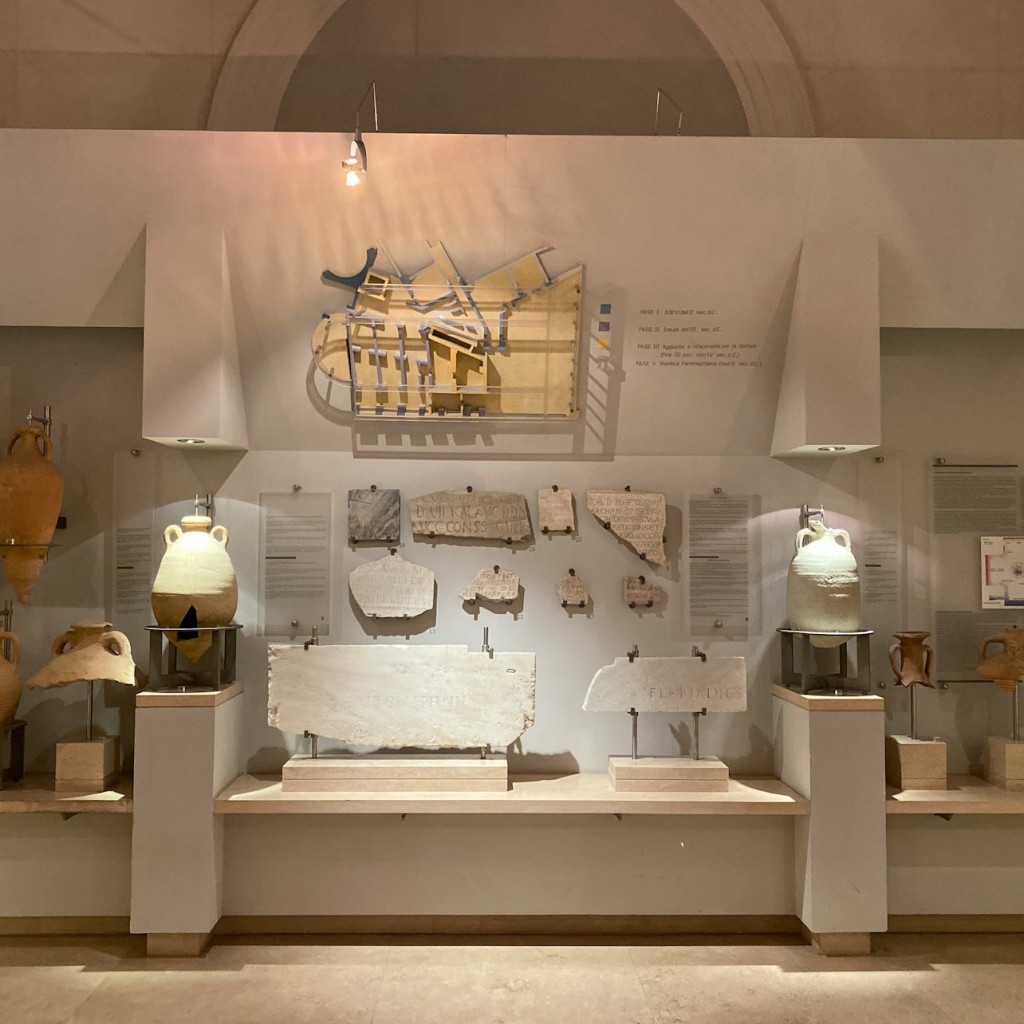
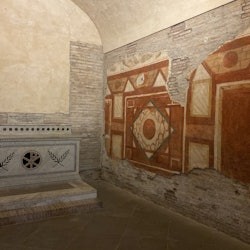
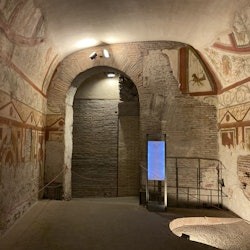
Откройте для себя скрытую красоту и историческую глубину Римских домов на Целии с помощью этих увлекательных изображений, предлагающих заглянуть в древнеримские дома и раннехристианские фрески, ожидающие вашего посещения.
Окунитесь в скрытый мир под холмом Целий, посетив Римские дома Целия (Case Romane del Celio) — необыкновенный археологический комплекс, предлагающий уникальное путешествие во времени. Этот подземный объект, расположенный под базиликой Святых Иоанна и Павла, раскрывает слои римской истории, от древней бытовой жизни до раннехристианских мест поклонения. Посетители могут исследовать хорошо сохранившиеся комнаты, замысловатые фрески и структурную эволюцию римских инсул и домов. Он дает интимное представление о повседневной жизни древних римлян и раннем развитии христианства в городе, вдали от величия монументальных руин.
Строгого дресс-кода для посещения Римских домов на Целии нет. Однако, поскольку это археологический объект, настоятельно рекомендуются удобные прогулочные туфли из-за неровных поверхностей. Стандартная повседневная одежда вполне приемлема. Имейте в виду, что подземный характер объекта означает, что здесь может быть прохладнее, чем на уровне улицы, поэтому легкая куртка или кардиган может повысить ваш комфорт, особенно в прохладные месяцы.
Римские дома Целия (Case Romane del Celio) представляют собой одно из самых увлекательных подземных открытий Рима, демонстрируя впечатляющий набор древнеримских резиденций, которые впоследствии были приспособлены и застроены. Расположенный под современной базиликой Санти Джованни э Паоло, объект включает более четырех акров раскопанных строений, предлагающих богатую историческую панораму, охватывающую несколько веков. То, что начиналось как комплекс римских домов (домусов) со 2-го по 4-й века нашей эры, включая инсулу и патрицианскую резиденцию, со временем трансформировалось, в конечном итоге включив раннехристианские элементы. Главным событием, несомненно, является серия прекрасно сохранившихся фресок, изображающих как языческие, так и христианские сюжеты, предоставляя бесценные сведения об искусстве и верованиях того периода. Эта археологическая жемчужина позволяет посетителям ощутить интимный масштаб древнего городского жилища, что резко контрастирует с общественными памятниками Римского форума или Колизея. Это свидетельство непрерывного заселения и преобразования римского городского ландшафта.
Бронирование входного билета в Case Romane del Celio онлайн обеспечивает удобство и спокойствие. Зарезервируйте предпочитаемое время входа заранее, избегая возможных очередей по прибытии, особенно в пиковые туристические сезоны. Онлайн-бронирование гарантирует ваш допуск и помогает более эффективно спланировать ваш маршрут, позволяя беспрепятственно интегрировать этот уникальный подземный опыт в ваше исследование исторических сокровищ Рима. Это быстрый и простой способ обеспечить гладкое начало вашего визита.
История Case Romane del Celio — это увлекательное повествование, охватывающее более четырех веков, начиная с I века нашей эры. Этот объект начинался как серия римских многоквартирных домов (инсул), а затем превратился в величественную частную резиденцию (домус), принадлежавшую богатой римской семье, возможно, Валериев. В IV веке, по мере распространения христианства, эти домашние пространства были тонко адаптированы для христианского богослужения, кульминацией чего стало создание 'domus ecclesiae' или домашней церкви. Объект известен своей связью со святыми Иоанном и Павлом, двумя христианскими мучениками, которые, как считается, жили здесь, и чья история связана с более поздней базиликой, построенной над руинами. В последующие века объект постепенно был погребен и застроен, чтобы быть вновь открытым во время раскопок в конце XIX века и тщательно извлеченным на свет в начале XX века. Его археологические слои прекрасно иллюстрируют переход Рима от язычества к раннему христианству.
Римские дома на Целии обычно принимают посетителей в определенные часы, часто открываясь утром и закрываясь ближе к вечеру. Рабочие дни обычно включают большинство будней и выходных, с возможными закрытиями в праздничные дни или в определенные дни для технического обслуживания. Желательно отметить, что часы работы могут варьироваться в зависимости от сезона, с продлением часов летом или сокращением часов в более спокойные периоды. Последний вход обычно за час до закрытия. Всегда лучше планировать свой визит, учитывая эти потенциальные изменения.
Чтобы в полной мере оценить безмятежную и созерцательную атмосферу Case Romane del Celio, рассмотрите возможность посещения в межсезонье (весной или осенью), когда погода в Риме приятна, а количество туристов более управляемо. Утренние часы по будням, вскоре после открытия, или поздно вечером перед закрытием, часто являются самыми тихими. Эти периоды позволяют получить более глубокий опыт, предоставляя широкие возможности для изучения фресок и архитектуры без суеты больших толп.
Внутри Case Romane del Celio вы отправитесь в подземное путешествие по нескольким уровням древнеримских сооружений. Этот объект раскрывает сложную сеть комнат, дворов и проходов, которые когда-то составляли часть большого римского домуса и инсулы (многоквартирного дома). Ключевые достопримечательности включают яркие и удивительно сохранившиеся фрески, украшающие стены и потолки, демонстрирующие как мифологические сцены, так и раннехристианскую символику. Посетители могут проследить превращение этих домашних пространств в ранние места христианского поклонения, включая возможное 'Titulus Byzantis'. Археологический маршрут проведет вас через различные исторические периоды, позволяя наблюдать архитектурные адаптации и элементы повседневной жизни древних римских жителей.
Планируя посещение Римских домов на Целии, наденьте удобную обувь, так как вам предстоит прогулка по археологическому объекту с неровными поверхностями и лестницами. В подземной среде поддерживается более прохладная температура, поэтому легкая куртка может быть полезна даже летом. Фотографировать обычно разрешено, но вспышка часто запрещена для защиты хрупких фресок. Учитывая характер объекта, большие сумки или рюкзаки, возможно, придется сдать в камеры хранения, если они доступны. По всему объекту часто встречаются информационные панели, дающие контекст для различных комнат и произведений искусства.
Посетители Римских домов на Целии обязаны соблюдать определенные правила для сохранения целостности археологического объекта. Обычно это включает воздержание от прикосновений к древним стенам, фрескам и артефактам. Фотографировать обычно разрешено для личного использования, но использование вспышки, как правило, запрещено. Есть и пить не разрешается в выставочных зонах. Большие сумки, рюкзаки и зонты, возможно, придется сдать в гардероб или специально отведенное место для хранения. Гостей просят соблюдать уважительную тишину, чтобы улучшить впечатления для всех.
Римские дома на Целии, несомненно, стоит посетить из-за их беспрецедентного взгляда на повседневную жизнь в Древнем Риме и зарождение христианства. В отличие от грандиозных общественных памятников, этот объект предлагает интимную, личную перспективу на римскую историю через свои хорошо сохранившиеся дома и частные помещения. Яркие фрески — редкое удовольствие, обеспечивающее прямую визуальную связь с прошлым. Это путешествие под поверхностью, которое раскрывает слои человеческого обитания и духовного поклонения, делая его глубоко обогащающим опытом для всех, кто интересуется многогранной историей Рима.
Дома Рима на Целии — это подземный археологический комплекс в Риме, раскрывающий древнеримские дома, раннехристианские места поклонения и прекрасно сохранившиеся фрески под базиликой Святых Иоанна и Павла.
Они расположены на Целиевском холме в Риме, в частности, под базиликой Святых Иоанна и Павла. Адрес: Clivo di Scauro, Rome.
Большинство посетителей тратят примерно от 1 до 1,5 часов на осмотр всего объекта, в зависимости от их темпа и интереса к подробной исторической информации.
Хотя для бронирования могут быть доступны специальные экскурсии с гидом, на объекте обычно представлены подробные информационные панели. Аудиогиды также часто доступны для улучшения самостоятельного изучения.
Из-за его археологической природы и подземного расположения объект может включать лестницы и неровные поверхности, что может представлять трудности для посетителей с ограниченной подвижностью или в инвалидных колясках. Рекомендуется уточнить конкретные особенности доступности.
Фотографирование для личного использования обычно разрешено, но вспышка, как правило, запрещена для защиты хрупких древних фресок и произведений искусства.
Самый удобный способ — доехать на метро линии B до станции Colosseo, которая находится в нескольких минутах ходьбы от объекта. Несколько автобусных маршрутов также обслуживают район вокруг Колизея.
Римские дома на Целии расположены на Целийском холме, легко доступны от основных транспортных узлов Рима. Ближайшая станция метро – Колизей (линия B), откуда до них можно приятно прогуляться в гору. Различные автобусные маршруты также обслуживают район вокруг Колизея и Целийского холма, что делает его удобным для посещения. Как только вы прибудете к базилике Святых Иоанна и Павла, вход на подземный объект будет четко обозначен.
Строгого дресс-кода для посещения Римских домов на Целии нет. Однако, поскольку это археологический объект, настоятельно рекомендуются удобные прогулочные туфли из-за неровных поверхностей. Стандартная повседневная одежда вполне приемлема. Имейте в виду, что подземный характер объекта означает, что здесь может быть прохладнее, чем на уровне улицы, поэтому легкая куртка или кардиган может повысить ваш комфорт, особенно в прохладные месяцы.