

Что включено
- Посещение всех достопримечательностей и музеев в Археологическом парке Остия (действителен в течение 8 дней с момента первого входа для одного входа)
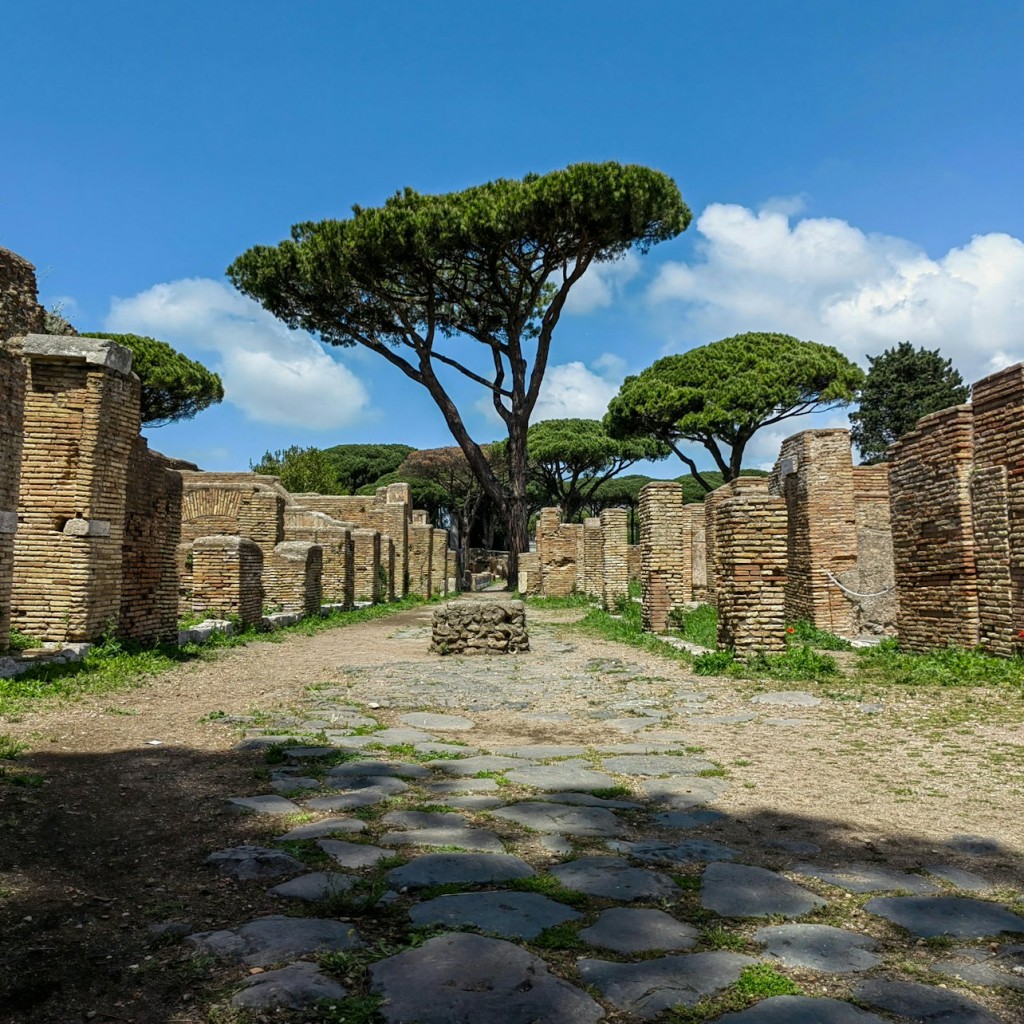
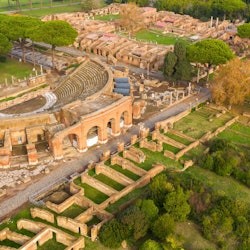
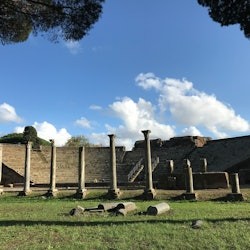
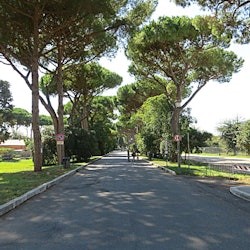
Погрузитесь в захватывающие изображения Археологического парка Остии Антики, демонстрирующие его удивительно сохранившиеся улицы, древние здания и потрясающие мозаики.
Перенеситесь в прошлое в археологическом парке Остия Антика, одном из наиболее хорошо сохранившихся древнеримских городов, который когда-то служил оживленным портом Рима. Этот замечательный археологический объект под открытым небом предлагает уникальный взгляд на повседневную жизнь Древнего Рима. Прогуляйтесь по удивительно сохранившимся улицам, исследуйте многоэтажные жилые дома, посетите впечатляющие храмы и откройте для себя древние бани, театры и яркие мозаики. В отличие от грандиозных, монументальных руин Римского форума, Остия Антика представляет собой более интимную и понятную картину римского общества, позволяя посетителям представить себе жизнь простых граждан, торговцев и моряков, которые когда-то процветали здесь. Это незаменимое место для всех, кто интересуется римской историей и археологией.
Строгого дресс-кода для посещения Археологического парка Остии Антики нет. Однако рекомендуется удобная и практичная одежда из-за необходимости много ходить по неровной местности. Желательно носить удобную прогулочную обувь или сандалии с хорошей поддержкой. В теплые месяцы рекомендуется легкая одежда, головной убор и солнцезащитный крем, а в прохладное время года — многослойная одежда. Поскольку это объект под открытым небом, будьте готовы к пребыванию на солнце или возможному дождю.
Остия Антика, что в переводе с латыни означает «древний устье», была портовым городом древнего Рима, расположенным в устье реки Тибр. Основанный примерно в IV веке до нашей эры, он вырос в важнейший торговый центр, способствуя торговле и снабжая Рим необходимыми товарами. Город достиг своего расцвета во II веке нашей эры, имея население до 100 000 жителей. Его упадок начался с падением Западной Римской империи и изменением русла Тибра, что привело к его окончательному заброшению и погребению под песком и илом, что удивительно сохранило его строения. Сегодня археологический парк занимает обширную территорию, предлагая беспрецедентное представление о городском планировании, архитектуре и социальной структуре римского портового города. Посетители могут исследовать полный спектр общественных и частных зданий, от грандиозных общественных площадей и административных зданий до частных домов, магазинов и мест поклонения, что делает его ярким свидетельством римской изобретательности и повседневной жизни.
Бронирование билетов в Археологический парк Остии Антики онлайн предлагает несколько преимуществ. Вы можете заранее обеспечить себе вход, сэкономив ценное время и избежав возможных очередей на входе, особенно в пиковый сезон. Заранее забронированные билеты часто предоставляют гибкость, а некоторые варианты включают удобные дополнения, такие как аудиогиды для более полного самостоятельного знакомства или даже трансфер в одну сторону для облегчения доступа. Планирование визита заранее обеспечивает беспрепятственный и безстрессовый вход, позволяя максимально использовать ваше время для изучения обширных руин этого древнеримского портового города без задержек.
Основанная, возможно, уже в VII веке до нашей эры, Остия Антика по-настоящему начала свое значительное развитие около IV века до нашей эры как первая колония и военный форпост Рима. Ее стратегическое расположение в устье реки Тибр сделало ее жизненно важной для морской обороны Рима и, что особенно важно, для его снабжения продовольствием. По мере расширения Рима росла и Остия, превращаясь из военной базы в оживленный торговый порт. К имперской эпохе, особенно при таких императорах, как Клавдий и Траян, Остия процветала, переживая обширное городское развитие. Она стала ярким космополитическим городом, домом для складов, коммерческих офисов, общественных бань, храмов, театра и многоэтажных жилых домов, известных как «инсулы». Пик ее процветания пришелся на III век нашей эры. С упадком Римской империи, изменением русла Тибра и появлением новых портов Остия постепенно утратила свое значение. К IX веку она была в значительной степени заброшена, ее строения медленно покрывались илом и растительностью, что, по иронии судьбы, способствовало ее замечательной сохранности до начала систематических раскопок в XIX веке.
Часы работы Археологического парка Остия Антика варьируются в течение года. В летние месяцы парк обычно работает дольше, часто закрываясь позже вечером. Зимой время закрытия обычно раньше из-за сокращения светового дня. Парк обычно закрыт по понедельникам, 25 декабря и 1 января. При планировании визита всегда рекомендуется учитывать возможные сезонные изменения.
Идеальное время для посещения Остии Антики — весна (апрель-май) или осень (сентябрь-октябрь), когда погода мягкая и комфортная для длительных прогулок на свежем воздухе. В эти сезоны также, как правило, меньше посетителей по сравнению с пиковыми летними месяцами, что позволяет более спокойно исследовать местность. Будние дни, особенно со вторника по четверг, обычно менее многолюдны, чем выходные. Прибытие рано утром вскоре после открытия или позднее днем поможет вам избежать самых больших толп и насладиться местом в большей тишине.
Внутри Остии Антики вас ждет множество древних строений. Начните свое путешествие по Декуманусу Максимусу, главной улице, которая ведет прямо в сердце города. Полюбуйтесь хорошо сохранившимся Театром, который когда-то вмещал тысячи зрителей и до сих пор иногда используется для мероприятий. Откройте для себя впечатляющие Термы Нептуна, знаменитые своими замысловатыми мозаиками с изображением Нептуна и Амфитриты. Прогуляйтесь по Форуму, гражданскому и религиозному центру, окруженному Капитолием и другими храмами. Исследуйте Пьяццале делле Корпорациони, где расположены офисы различных торговых гильдий с их характерными мозаичными знаками. Не пропустите Мацеллум (рынок), Дом Дианы и различные инсулы (многоквартирные дома), которые раскрывают условия жизни обычных римлян. Остатки древних таверн (термополий) и общественных туалетов также предлагают увлекательные сведения о повседневной жизни.
Надевайте удобную прогулочную обувь, так как исследование Остии Антики включает в себя длительные прогулки по неровным древним тропам и булыжникам. Возьмите с собой воду, особенно в теплое время года, так как тень в некоторых местах может быть ограничена. На территории есть туалеты и кафе, где можно перекусить. Рассмотрите возможность приобретения аудиогида или присоединения к экскурсии, чтобы углубить понимание руин. Место в основном находится под открытым небом, поэтому подготовьтесь к различным погодным условиям, взяв соответствующую одежду и средства защиты от солнца. Хотя карты доступны, территория хорошо обозначена указателями, что делает самостоятельное изучение удобным.
Посетители обязаны уважать археологический объект, не трогая и не взбираясь на древние сооружения. Фотографирование, как правило, разрешено для личного использования, но для коммерческой фотосъемки может потребоваться специальное разрешение. Большие сумки и рюкзаки, возможно, придется сдать на хранение при входе. Мусорить строго запрещено, и посетители должны выбрасывать отходы в специально отведенные урны. Домашние животные, как правило, не допускаются на территорию археологической зоны. Пожалуйста, следуйте всем инструкциям персонала парка и оставайтесь на обозначенных дорожках, чтобы защитить хрупкие древние остатки.
Остия Антика, несомненно, стоит посетить за ее непревзойденную способность перенести вас в повседневную жизнь Древнего Рима. В отличие от монументального величия Форума, Остия предлагает понятный человеческий масштаб, демонстрируя все: от скромных пекарен и прачечных до общественных бань и многоквартирных домов. Ее замечательное состояние сохранности, включая детализированные мозаики и фрески, дает яркую и интимную картину процветающего римского портового города. Это менее людная альтернатива местам в Риме, предлагающая более спокойный и захватывающий археологический опыт, который по-настоящему оживляет историю.
Большинство посетителей проводят от 3 до 4 часов, исследуя основные зоны Археологического парка Остия Антика, хотя более тщательное посещение может занять больше времени.
Некоторые основные дорожки относительно ровные, однако большая часть территории имеет неровный рельеф, древнюю брусчатку и ступеньки, что может затруднить полный доступ для инвалидных колясок.
Да, обычно на территории археологического парка есть кафе или ресторан, где посетители могут приобрести прохладительные напитки, закуски и легкие блюда.
Хотя специальных мест для пикников нет, посетители могут приносить небольшие закуски и напитки. Однако употребление пищи, как правило, ограничено специально отведенными местами или кафе.
Оба варианта отличные. Экскурсия предлагает глубокий исторический контекст, в то время как самостоятельное посещение с аудиогидом или картой позволяет более гибко исследовать место в своем собственном темпе.
Да, туалеты доступны на территории археологического парка, обычно рядом со входом и зоной кафе.
Да, Остия Антика может быть очень увлекательной для детей, которые любят историю и исследования. Открытые пространства и видимые сооружения предлагают осязаемую связь с прошлым, хотя маленькие дети могут устать от длительных прогулок.
Чтобы добраться до Археологического парка Остия Антика из Рима, воспользуйтесь пригородной железнодорожной линией Roma-Lido. Вы можете сесть на этот поезд на станции Piramide (которая соединяется с линией метро B Piramide), Porta San Paolo или Basilica San Paolo. Поездка занимает примерно 25-30 минут. Выйдите на станции 'Ostia Antica'. Оттуда вход в археологический парк находится в 5-10 минутах ходьбы, есть четкие указатели.
Строгого дресс-кода для посещения Археологического парка Остии Антики нет. Однако рекомендуется удобная и практичная одежда из-за необходимости много ходить по неровной местности. Желательно носить удобную прогулочную обувь или сандалии с хорошей поддержкой. В теплые месяцы рекомендуется легкая одежда, головной убор и солнцезащитный крем, а в прохладное время года — многослойная одежда. Поскольку это объект под открытым небом, будьте готовы к пребыванию на солнце или возможному дождю.