

Что включено
- Отдельный вход
- Экскурсовод
- Экскурсия
- Наушники, чтобы слышать гида
Отправьтесь в визуальное путешествие по великолепным залам, знаковым шедеврам и потрясающей архитектуре Палаццо Барберини.
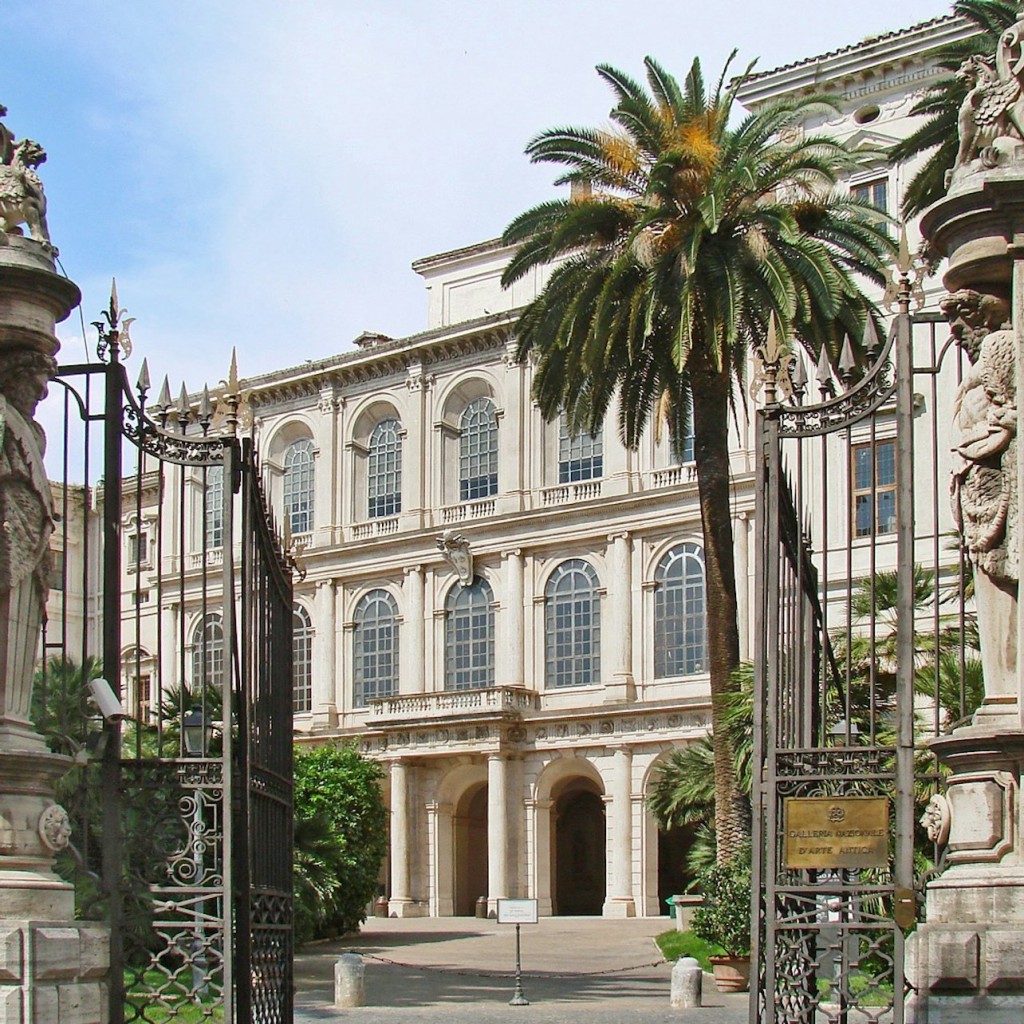
Погрузитесь в великолепие Палаццо Барберини, монументального дворца в стиле барокко, расположенного в самом сердце Рима. В этом великолепном особняке, где находится Национальная галерея старинного искусства, представлена беспрецедентная коллекция шедевров Возрождения и барокко. Посетители приглашаются исследовать роскошные интерьеры, восхищаться архитектурным гением его известных проектировщиков и любоваться знаковыми произведениями легендарных художников. От «Форнарины» Рафаэля до драматической «Юдифи, обезглавливающей Олоферна» Караваджо, Палаццо Барберини предлагает глубокое путешествие сквозь века итальянского искусства и культуры, делая его обязательной остановкой как для ценителей искусства, так и для любителей истории.
Для посещения Палаццо Барберини нет строгого дресс-кода. Однако, будучи культурным учреждением, хранящим значительное искусство и историю, рекомендуется одеваться уважительно. Рекомендуется удобная одежда и обувь, особенно учитывая количество ходьбы, необходимое для исследования большого дворца и его обширных коллекций.
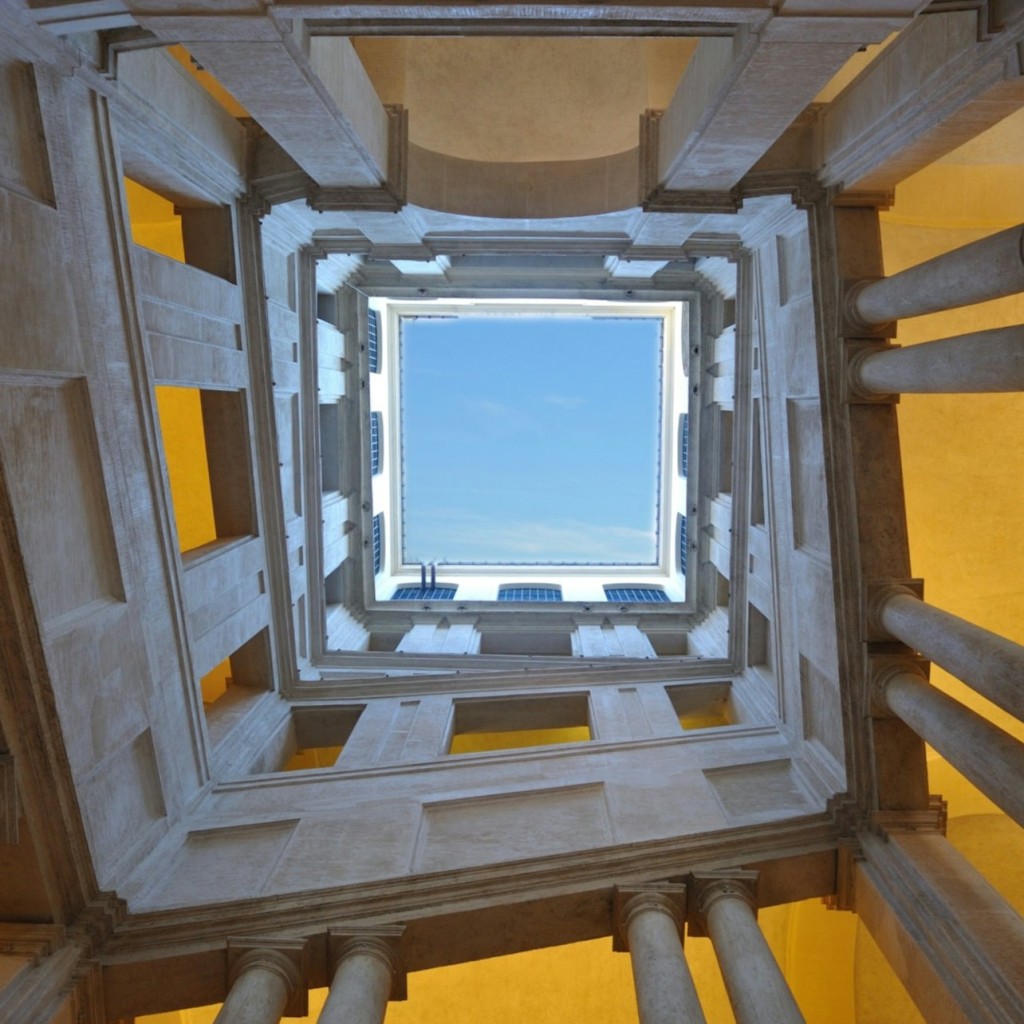
Палаццо Барберини является одним из самых впечатляющих примеров архитектуры барокко в Риме, свидетельством могущества и престижа семьи Барберини, особенно Папы Урбана VIII. Спроектированный целым рядом архитектурных титанов, включая Карло Мадерно, Джан Лоренцо Бернини и Франческо Борромини, дворец демонстрирует гармоничное сочетание стилей и инновационных структурных элементов. Его грандиозный овальный салон, монументальная лестница Бернини и элегантная винтовая лестница Борромини сами по себе являются архитектурными чудесами. В настоящее время во дворце хранится значительная часть национальной художественной коллекции Италии, представленная богатым собранием картин с XIII по XVIII века. Помимо известных работ Караваджо и Рафаэля, коллекция включает произведения Филиппо Липпи, Эль Греко, Тинторетто, Тициана, Гвидо Рени и многих других, предоставляя всесторонний обзор истории искусства в периоды Возрождения и барокко. Каждая комната рассказывает свою историю, украшенная фресками, скульптурами и декоративно-прикладным искусством, которые переносят посетителей в эпоху папского великолепия.
Бронирование билетов в Палаццо Барберини онлайн предлагает несколько преимуществ, обеспечивая комфортное и приятное посещение. Онлайн-бронирование позволяет заранее обеспечить себе вход, часто предоставляя доступ без очереди для экономии ценного времени, особенно в пиковые туристические сезоны. Многие онлайн-варианты также включают гибкие правила отмены, аудиогиды или даже комбинированные билеты с другими достопримечательностями, такими как Галерея Корсини, предлагая большую ценность. Предварительная покупка билетов помогает вам более эффективно спланировать свой маршрут и избежать возможного разочарования, если билеты будут распроданы, гарантируя вам возможность исследовать этот великолепный дворец и его коллекцию искусства мирового класса.
История Палаццо Барберини тесно переплетена с могущественной семьей Барберини и их возвышением в Риме XVII века. Заказанный кардиналом Маффео Барберини до того, как он стал Папой Урбаном VIII в 1623 году, дворец был задуман как символ богатства и влияния его семьи. Строительство началось в 1625 году под руководством Карло Мадерно, который разработал инновационный П-образный план. После смерти Мадерно в 1629 году проект был передан его молодому помощнику, Джованни Лоренцо Бернини, который внес многочисленные элементы барокко, включая парадную лестницу и фасад. Позднее Франческо Борромини, соперник Бернини, также внес свой вклад в строительство дворца, спроектировав характерную винтовую лестницу. Дворец стал культурным центром, принимая художников, ученых и роскошные мероприятия. После упадка семьи Барберини части дворца использовались для различных целей, прежде чем он был приобретен итальянским государством в 1949 году и назначен домом для Национальной галереи старинного искусства в 1953 году. Его превращение в национальный музей обеспечило сохранение и публичное использование его художественного и архитектурного наследия.
Палаццо Барберини обычно открыт для публики со вторника по воскресенье, часы работы, как правило, с 10:00 до 18:00. Последний вход обычно за один час до закрытия. Дворец постоянно закрыт по понедельникам, 1 января и 25 декабря. Посетителям следует учесть, что могут быть особые часы работы в праздничные дни или временные закрытия, поэтому всегда рекомендуется планировать заранее, чтобы обеспечить беспроблемное посещение. Рекомендуется выделить достаточно времени для изучения обширных коллекций и великолепных архитектурных пространств.
Чтобы в полной мере насладиться великолепным искусством и архитектурой Палаццо Барберини с меньшим количеством отвлекающих факторов, идеальное время для посещения — утро буднего дня, вскоре после открытия. В этот период обычно меньше людей, что позволяет более спокойно и созерцательно наслаждаться шедеврами. Выходные и послеобеденное время, особенно в пиковые туристические сезоны, такие как весна и осень, как правило, более загружены. Посещение в межсезонье, например, поздней осенью или ранней весной, также может предложить более расслабленную атмосферу, хотя погодные условия могут меняться. Ранний вход гарантирует, что у вас будет достаточно времени, чтобы не спеша исследовать все этажи и выставки.
Внутри Палаццо Барберини посетители обнаружат необыкновенную коллекцию произведений искусства и архитектурных чудес. На основном этаже находится Национальная галерея старинного искусства, где можно полюбоваться такими шедеврами, как «Форнарина» Рафаэля — выразительный портрет дочери его возлюбленного пекаря. Драматические работы Караваджо, включая «Юдифь, обезглавливающая Олоферна» и «Нарцисс», завораживают своим интенсивным реализмом и светотенью. Не пропустите монументальную фреску «Триумф Божественного Провидения» Пьетро да Кортоны, украшающую потолок Большого салона — ослепительный пример барочной иллюзионистской живописи. Во дворце также есть знаменитая лестница Бернини и винтовая лестница Борромини, обе являются архитектурными шедеврами. Различные комнаты богато украшены мебелью, гобеленами и скульптурами, которые отражают роскошный образ жизни семьи Барберини и их покровительство искусству.
Планируя свой визит в Палаццо Барберини, рассмотрите возможность приобретения билетов онлайн заранее, чтобы сэкономить время по прибытии и, возможно, получить преимущества прохода без очереди. Дворец довольно большой, поэтому рекомендуется удобная обувь. Часто можно арендовать аудиогиды, предоставляющие содержательные комментарии к произведениям искусства и истории дворца, что значительно улучшит ваш опыт. Услуги включают туалеты и книжный магазин. Следует обратить внимание на информацию о доступности для посетителей с ограниченной подвижностью, так как некоторые зоны могут иметь лестницы, хотя прилагаются усилия для обеспечения доступа, где это возможно. Обращайте внимание на временные выставки, которые часто дополняют постоянную коллекцию.
Чтобы сохранить произведения искусства и обеспечить приятные впечатления для всех, посетителей просят соблюдать определенные правила. Пожалуйста, воздержитесь от прикосновений к произведениям искусства или экспонатам. Большие сумки и рюкзаки, возможно, придется сдать в гардероб. Еда и напитки не допускаются в выставочные залы. Фотографирование для личного использования, как правило, разрешено без вспышки, но для штативов и профессионального оборудования может потребоваться специальное разрешение. Бег, крик или вызывающее поведение не поощряются. Следуйте указаниям персонала и соблюдайте уважительное расстояние от других посетителей и экспонатов.
Палаццо Барберини, несомненно, стоит посетить любому, кто путешествует в Рим. Он предлагает уникальную возможность погрузиться в величие барочной архитектуры и увидеть необыкновенную коллекцию итальянского искусства от эпохи Возрождения до XVIII века. Помимо известных имен, таких как Караваджо и Рафаэль, сам масштаб и художественные амбиции дворца захватывают дух. Он дает более глубокое понимание культурного наследия Рима и жизни его могущественных покровителей. Для любителей искусства, историков или просто тех, кто ищет момент благоговения, дворец дарит незабываемые впечатления, выходящие далеко за рамки обычного посещения музея.
К основным достопримечательностям относятся шедевры Караваджо, Рафаэля и Бернини, захватывающая дух потолочная фреска Пьетро да Кортоны и инновационные архитектурные проекты Бернини и Борромини.
Да, билеты можно приобрести онлайн, что часто рекомендуется для гарантированного входа и потенциальной возможности воспользоваться проходом без очереди.
Большинство посетителей тратят примерно 2-3 часа на изучение дворца и его художественной коллекции, чтобы в полной мере оценить все предлагаемое.
Прилагаются усилия для обеспечения доступности там, где это возможно, но, учитывая историческую природу здания, некоторые зоны могут представлять сложности. Рекомендуется узнать о конкретных особенностях доступности до вашего визита.
Ближайшая станция метро — Барберини, на линии A (красная линия), которая находится всего в нескольких минутах ходьбы от входа во дворец.
Хотя строгого дресс-кода нет, обычно рекомендуется соблюдать уважительную форму одежды. Рекомендуется удобная обувь из-за продолжительных прогулок.
Фотосъемка для личного пользования обычно разрешена без вспышки. Использование штативов или профессионального оборудования обычно требует специального разрешения.
Палаццо Барберини удобно расположен и легко доступен на общественном транспорте. Ближайшая станция метро — Барберини (линия А), которая находится всего в нескольких минутах ходьбы. Несколько автобусных маршрутов также имеют остановки поблизости, включая маршруты H, 62, 85, 160 и 492. От вокзала Термини вы можете доехать на метро A две остановки прямо до Барберини. Прогулка от других центральных достопримечательностей Рима также является приятным вариантом, так как дворец расположен недалеко от фонтана Треви и Испанской лестницы.
Для посещения Палаццо Барберини нет строгого дресс-кода. Однако, будучи культурным учреждением, хранящим значительное искусство и историю, рекомендуется одеваться уважительно. Рекомендуется удобная одежда и обувь, особенно учитывая количество ходьбы, необходимое для исследования большого дворца и его обширных коллекций.