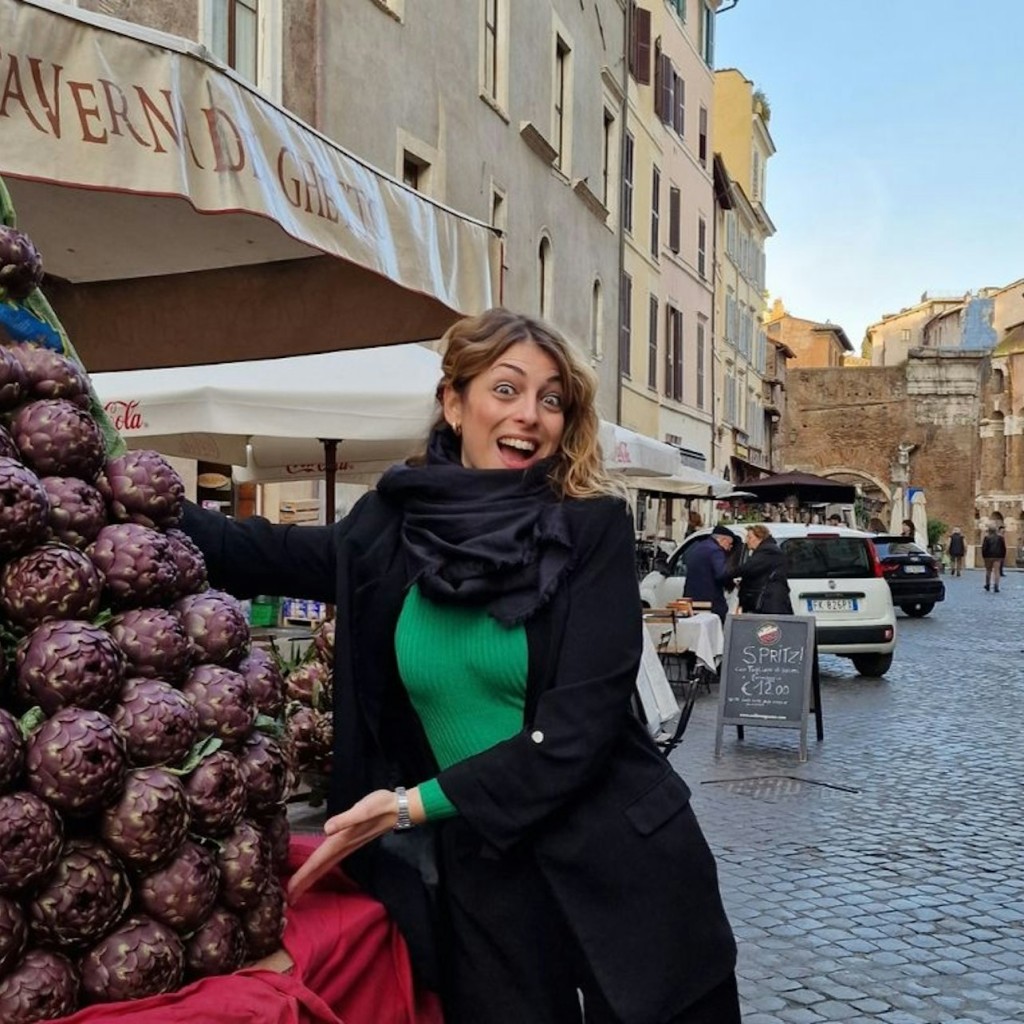
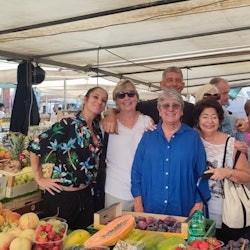
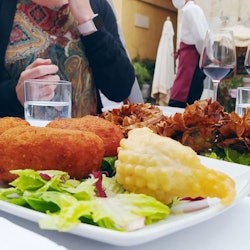
История римской кухни тесно переплетена с тысячелетним прошлым города, отражая влияния от древнеримских пиршеств до простых, сытных блюд крестьян. Изначально римская еда в значительной степени основывалась на злаках, бобовых и оливковом масле. С расширением Римской империи были введены новые ингредиенты и кулинарные техники, обогатившие местную палитру вкусов. На протяжении веков развивались специфические блюда, часто рожденные из необходимости и традиции 'cucina povera' (бедной кухни), используя легкодоступные ингредиенты для создания невероятно ароматных и сытных блюд. Основные продукты, такие как паста, пицца и мороженое, хотя и не являются исключительно римскими, тесно связаны с итальянским кулинарным наследием и здесь их ценят. Еврейское гетто Рима, например, имеет свои собственные отличительные кулинарные традиции, такие как carciofi alla giudia (артишоки по-еврейски). Городские рынки, такие как Кампо де Фьори, на протяжении веков были оживленными центрами продовольственной торговли, играя решающую роль в формировании римской гастрономии. Сегодняшние гастрономические туры прославляют эту богатую историю, предлагая попробовать блюда, рецепты которых совершенствовались на протяжении поколений, обеспечивая прямую связь с глубоким кулинарным наследием города.