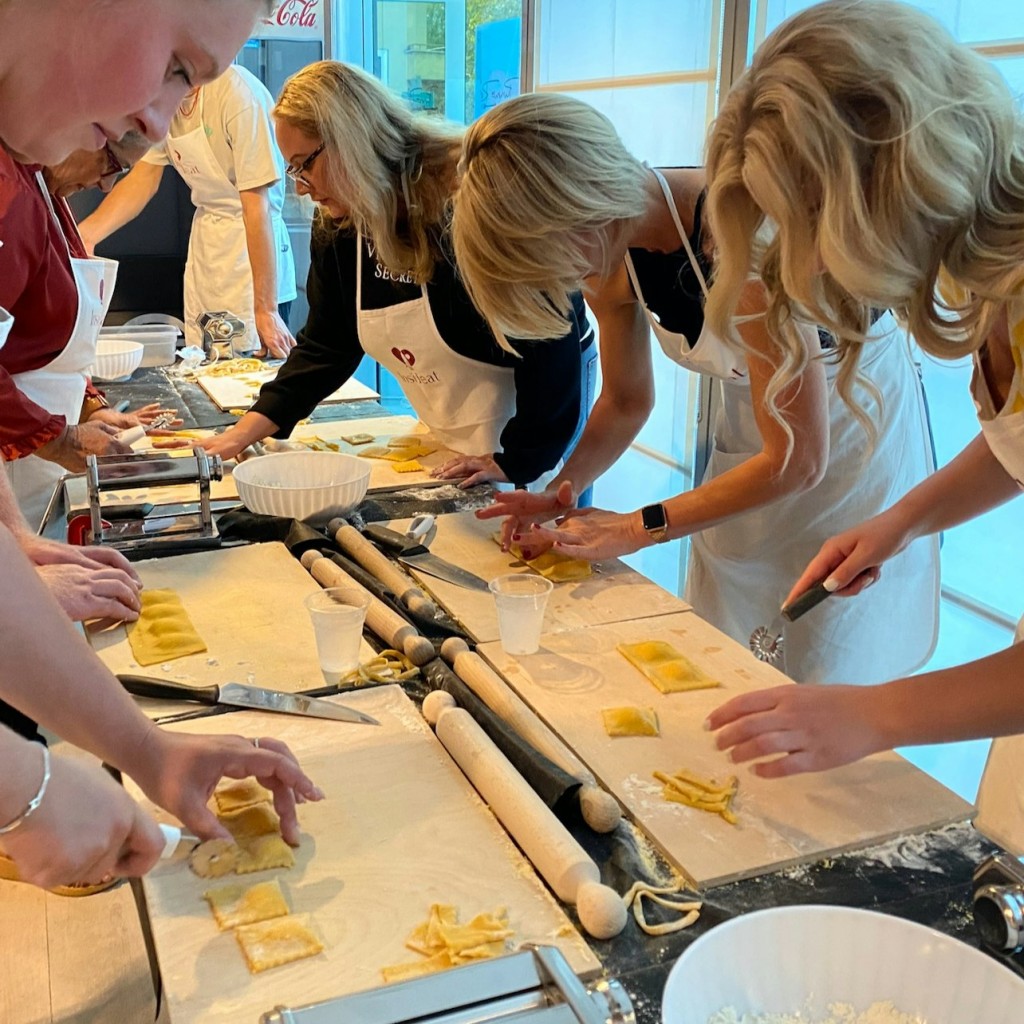
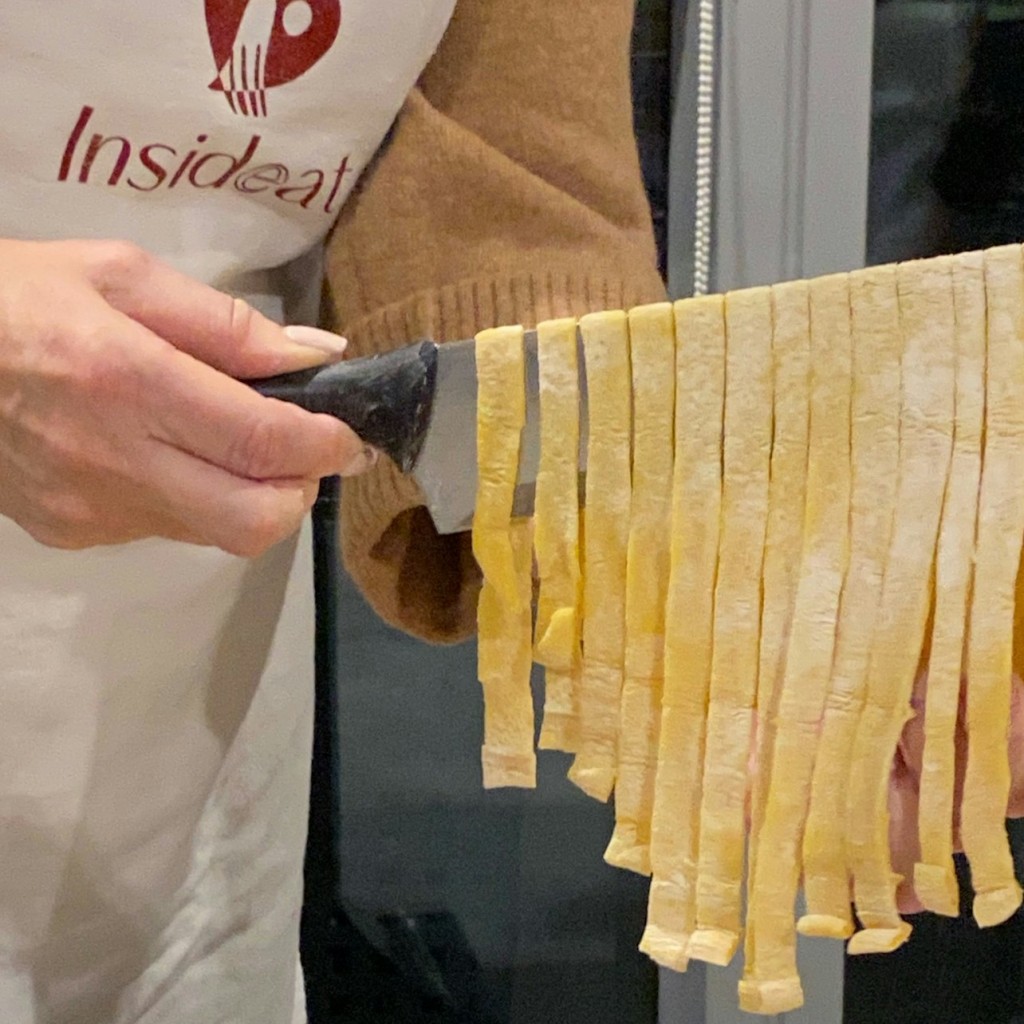
Мастер-классы и курсы в Риме предлагают возможность близко познакомиться со знаменитым наследием города, выходя за рамки обычных туристических достопримечательностей и предоставляя содержательные, интерактивные впечатления. Представьте, как вы осваиваете секреты подлинной итальянской кухни под руководством местного шеф-повара, готового поделиться семейными рецептами и кулинарными техниками. Вы можете научиться готовить классические блюда, такие как карбонара, качо-э-пепе, или даже сделать свою собственную пиццу с нуля, в сочетании с домашним мороженым или тирамису. Помимо кухни, мастер-классы охватывают различные культурные направления, от обучения приготовлению освежающего лимончелло до занятий по рисованию с дегустацией, где вы сможете раскрыть свой творческий потенциал с бокалом местного вина. Эти занятия обычно проводятся в очаровательных, часто расположенных в центре местах, от профессиональных кухонь до художественных студий, создавая гостеприимную атмосферу для участников любого уровня подготовки. Они предоставляют прекрасную возможность познакомиться с другими путешественниками, окунуться в римскую жизнь и приобрести практические навыки или сувениры, которые вы сможете забрать домой. Каждое занятие разработано таким образом, чтобы быть информативным, увлекательным и очень приятным, что делает их идеальным дополнением к любому маршруту по Риму для тех, кто хочет лично ощутить душу города.