



Что включено
- Экскурсовод
- Гастротур
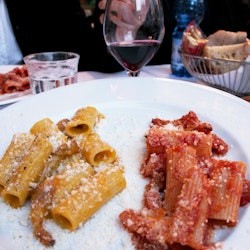
- Четыре гастрономические остановки с несколькими дегустациями
- Обед из 3 блюд
- Дегустационное римское джелато
- Экскурсия для небольших групп
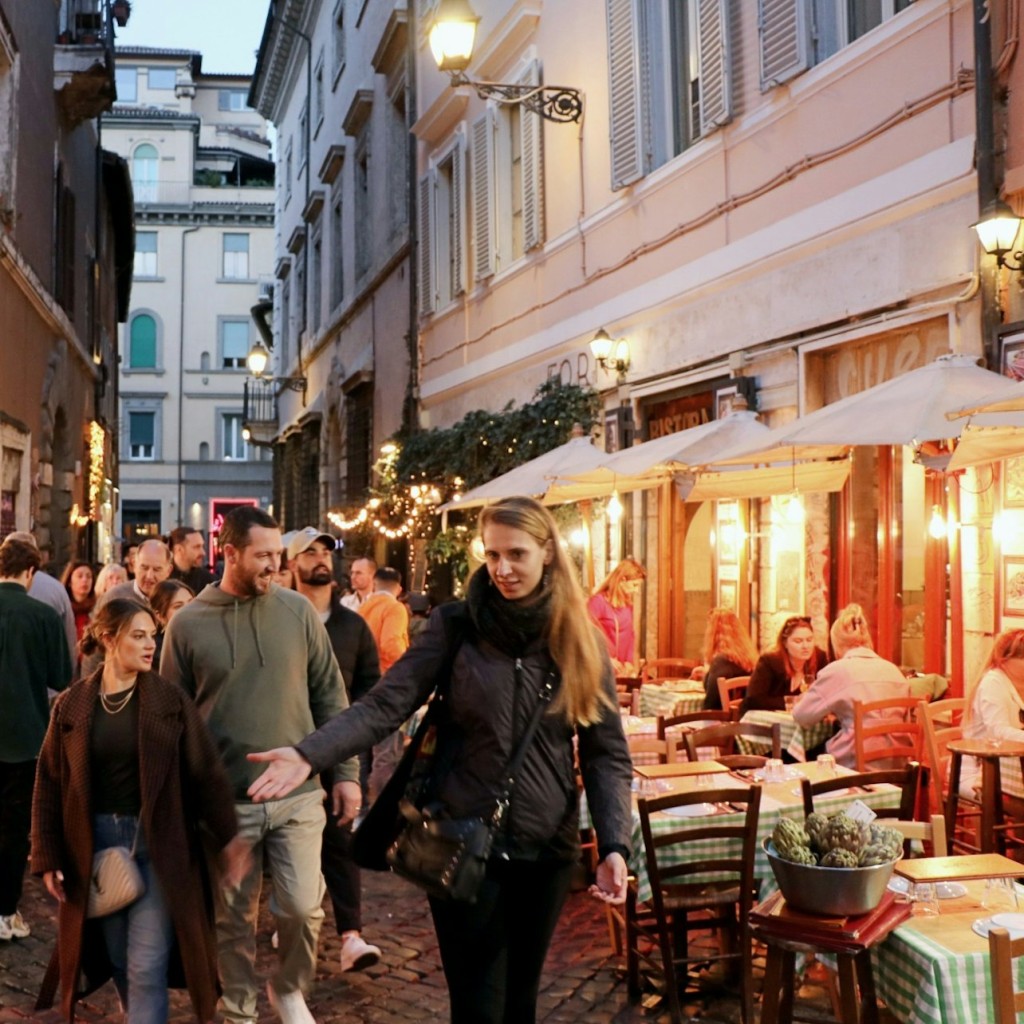
Посмотрите увлекательные изображения Трастевере, демонстрирующие его знаковые мощеные улицы, историческую архитектуру и яркую местную жизнь.
Исследуйте Трастевере, один из самых очаровательных и исторических районов Рима, известный своей оживленной атмосферой и подлинным римским шармом. Этот древний район, расположенный на западном берегу реки Тибр, предлагает увлекательный лабиринт узких, мощеных улиц, средневековых домов и живописных площадей. Трастевере — это центр кулинарных изысков, ремесленных мастерских и бурной ночной жизни, обеспечивающий полное погружение в местную римскую жизнь. От восхитительных гастрономических туров, которые познакомят вас с традиционными итальянскими вкусами, до вечерних прогулок по его освещенным переулкам, Трастевере обещает незабываемое путешествие во времени и культуре, позволяя посетителям по-настоящему почувствовать пульс Вечного города.
Для прогулок по Трастевере подойдет повседневный и удобный стиль одежды. Из-за мощеных улиц настоятельно рекомендуется удобная обувь для ходьбы. Если вы планируете посетить какие-либо церкви, например, Базилику Санта-Мария ин Трастевере, желательно одеваться скромно, убедившись, что плечи и колени закрыты. В остальное время легкая одежда подходит для теплых месяцев, а для прохладных сезонов, особенно по вечерам, рекомендуется многослойная одежда.
Трастевере, что означает «за Тибром», является свидетельством прочного наследия Рима, сочетая древнюю историю с современной яркостью. Его очаровательные улицы усеяны увитыми плющом зданиями, местными тратториями и скрытыми жемчужинами, ожидающими открытия. Некогда дом рыбаков и ремесленников, район сохранил свои рабочие корни, превратившись в богемный рай. Посетителей привлекает Трастевере своим уникальным характером, отличным от грандиозных памятников центрального Рима. Здесь темп кажется другим, более расслабленным, приглашая к исследованиям и случайным открытиям. От потрясающей Базилики Санта-Мария-ин-Трастевере, одной из старейших церквей Рима, до бесчисленных семейных закусочных, подающих традиционную римскую кухню, каждый уголок предлагает взглянуть на подлинную римскую культуру. Район по-настоящему оживает вечером, с уличными артистами, оживленными уличными кафе и дружелюбной атмосферой, которая идеально воплощает la dolce vita. Участие в экскурсии или гастрономическом туре по Трастевере позволяет гостям раскрыть его секреты, попробовать его кулинарные сокровища и оценить его глубокое историческое значение.
Бронирование туров и мероприятий в Трастевере онлайн предлагает удобство и душевное спокойствие. Заранее забронируйте место на популярных гастрономических турах, оперных вечерах или пеших экскурсиях, особенно в пик сезона. Онлайн-бронирование часто предоставляет мгновенное подтверждение и подробную информацию о маршруте, что позволяет эффективно спланировать ваш визит. Многие онлайн-билеты также предлагают гибкие условия отмены, что добавляет дополнительный уровень безопасности. Избегайте хлопот с ожиданием в очередях или языковым барьером, обеспечивая гладкое начало вашего погружения в очаровательные улицы и кулинарные изыски Трастевере.
Трастевере может похвастаться историей, столь же богатой и многослойной, как и сам Рим. Его истоки восходят к древнеримским временам, когда он считался «за Тибром» и населялся различными неримскими народами, включая этрусков и еврейские общины. Юлий Цезарь, по некоторым данным, владел здесь виллой. В имперскую эпоху он стал оживленным рабочим районом с доками, складами и домами для рыбаков и моряков. Его узкие, извилистые улочки и плотно расположенные здания в основном датируются средневековьем, отражая его органический рост и ограниченное пространство внутри городских стен. На протяжении веков Трастевере сохранял свою самобытность, часто воспринимаясь как место, отдельное от величия центрального Рима, гордящееся своими римскими корнями и диалектом. Традиционно это был центр для ремесленников и малых предприятий. В 20 веке, особенно после Второй мировой войны, он начал получать признание за свое очарование и аутентичность, превратившись в популярный, богемный район, которым он является сегодня, сохраняя при этом большую часть своего исторического характера и местных традиций. Базилика Санта-Мария-ин-Трастевере с ее древними основаниями служит выдающимся ориентиром, отражающим эту глубокую историческую родословную.
Поскольку Трастевере — это целый район, универсальных часов открытия и закрытия не существует. Общественные улицы и площади всегда открыты для прогулок. Однако конкретные заведения, такие как рестораны, бары, магазины и музеи в Трастевере, придерживаются собственного расписания работы. Большинство магазинов обычно открываются с 10:00 до 19:00, часто закрываясь на сиесту в раннее послеобеденное время. Рестораны и бары обычно открываются на обед около 12:30 и на ужин с 19:00, многие из них работают допоздна, особенно по выходным. Церкви обычно имеют определенные часы посещения, часто закрываясь во время обеда.
Трастевере предлагает различные впечатления в зависимости от времени суток и года. Для более спокойного, вдумчивого визита рассмотрите возможность исследования в конце утра или в начале дня, особенно в будние дни, когда улицы менее загружены. Это позволяет неспешно открывать его скрытые уголки и исторические места. Однако Трастевере по-настоящему оживает поздним днем и вечером. Именно тогда траттории открываются на ужин, площади заполняются людьми, и начинается яркая социальная жизнь. Более прохладные температуры делают вечерние прогулки более комфортными, а освещенные улицы создают волшебную атмосферу. Весна и осень обеспечивают самую приятную погоду для пеших экскурсий.
В Трастевере посетители могут погрузиться в богатое полотно достопримечательностей и звуков. Самая выдающаяся достопримечательность района — Базилика Санта-Мария-ин-Трастевере, прославленная своими сверкающими мозаиками и древним происхождением. Прогуливаясь, вы встретите многочисленные небольшие церкви и часовни, каждая из которых имеет собственное историческое и художественное значение. Сами узкие переулки являются изюминкой, открывая очаровательные дворики, мастерские ремесленников и независимые бутики. Пьяцца ди Санта-Мария-ин-Трастевере — оживленный центр, идеальный для наблюдения за людьми, а на Пьяцца Трилусса часто выступают уличные артисты. Для панорамного вида на Рим настоятельно рекомендуется подняться на холм Джаниколо (Яникул) на западной окраине Трастевере. Еда является неотъемлемой частью опыта Трастевере, с изобилием традиционных тратторий, пиццерий и джелатерий, предлагающих аутентичные римские вкусы.
При посещении Трастевере будьте готовы к прогулкам по неровным мощеным улицам; удобная обувь крайне важна. Район очень популярен, поэтому имейте в виду толпы, особенно по вечерам и в выходные дни. Многие местные закусочные могут принимать только наличные или предпочитать наличные для небольших покупок, поэтому разумно иметь при себе несколько евро. Хотя в целом это безопасное место, следите за своими вещами в людных местах, как и в любом популярном туристическом направлении. Чаевые приветствуются, но не обязательны; обычно достаточно округлить счет или оставить несколько евро. Многие небольшие магазины могут закрываться на несколько часов в начале дня, поэтому планируйте свои покупки соответствующим образом. Настоятельно рекомендуется бронировать столики на ужин, особенно в популярных тратториях.
Поскольку Трастевере является общественным и жилым районом, при его посещении действуют общие правила уважения. Соблюдайте разумный уровень шума, особенно поздно вечером, так как здесь живут люди. Не мусорьте и утилизируйте отходы надлежащим образом. Уважайте частную собственность и не беспокойте жителей. При посещении церквей соблюдайте требования к дресс-коду и поддерживайте приличие. Всегда будьте внимательны к пешеходному движению на узких улицах, тем более что их часто делят небольшие транспортные средства и скутеры. Курение, как правило, разрешено на открытом воздухе, но будьте внимательны к окружающим.
Трастевере, несомненно, стоит посетить всем, кто ищет аутентичный римский опыт вдали от основных туристических толп. Его бесподобное очарование, историческая атмосфера и яркая местная жизнь предлагают уникальное понимание души города. От восхитительной кулинарной сцены с традиционными римскими блюдами в уютных тратториях до оживленной вечерней атмосферы с уличными артистами и шумными площадями — Трастевере обеспечивает богатое культурное погружение. Возможность бродить по его древним улицам, открывать скрытые архитектурные жемчужины и общаться с местными жителями делает его обязательной остановкой для поистине незабываемого путешествия по увлекательному прошлому и настоящему Рима.
Трастевере предлагает разнообразные туры, включая гастрономические туры с дегустациями, вечерние прогулки, посвященные истории и культуре, оперные представления и даже подземные пешеходные экскурсии, исследующие его скрытые слои.
Безусловно. Трастевере известен как кулинарный центр Рима, славящийся своими аутентичными тратториями, пиццериями, продавцами уличной еды и традиционными римскими блюдами. Гастрономические туры здесь особенно популярны.
Да, Трастевере в целом считается безопасным, особенно в основных туристических районах и на оживленных площадях. Как и в любом популярном месте, рекомендуется быть внимательным к своему окружению и вещам, особенно в людных местах.
До Трастевере легко добраться на трамвае (линия 8), различных автобусных маршрутах или пешком из центра Рима. У него также есть собственная железнодорожная станция Roma Trastevere с сообщениями по всему городу.
Да, наиболее заметным является Базилика Санта-Мария-ин-Трастевере, одна из старейших церквей Рима. Вы также найдете небольшие церкви, древнеримские руины и очаровательную средневековую архитектуру по всему району.
Лучший способ познакомиться с Трастевере — это пешая прогулка, которая позволит вам бродить по его узким улочкам и открывать для себя скрытые жемчужины. Экскурсия с гидом может улучшить ваше посещение, предоставив исторический контекст и кулинарные знания.
Да, Трастевере может быть очень приятным местом для семей. Детям может понравиться оживленная атмосфера, мороженое и исследование очаровательных улиц. Некоторые гастрономические туры подходят для всех возрастов. Однако коляски могут быть проблемой на булыжных мостовых.
Трастевере хорошо связан с центральным Римом и легко доступен. Вы можете доехать на трамвае (линия 8 от площади Венеции) прямо в сердце Трастевере, или воспользоваться несколькими автобусными маршрутами, обслуживающими этот район. Прогулка от популярных мест, таких как Кампо-деи-Фьори или Еврейское гетто, также является приятным вариантом, обычно занимающим 15-20 минут. Для тех, кто приезжает издалека, в Трастевере также есть железнодорожная станция (Roma Trastevere), которая соединяет его с другими частями города и аэропортом Фьюмичино.
Для прогулок по Трастевере подойдет повседневный и удобный стиль одежды. Из-за мощеных улиц настоятельно рекомендуется удобная обувь для ходьбы. Если вы планируете посетить какие-либо церкви, например, Базилику Санта-Мария ин Трастевере, желательно одеваться скромно, убедившись, что плечи и колени закрыты. В остальное время легкая одежда подходит для теплых месяцев, а для прохладных сезонов, особенно по вечерам, рекомендуется многослойная одежда.