Neler Dahil
- Admissió per a tots dos edificis
- Accés a les exposicions temporals i permanents
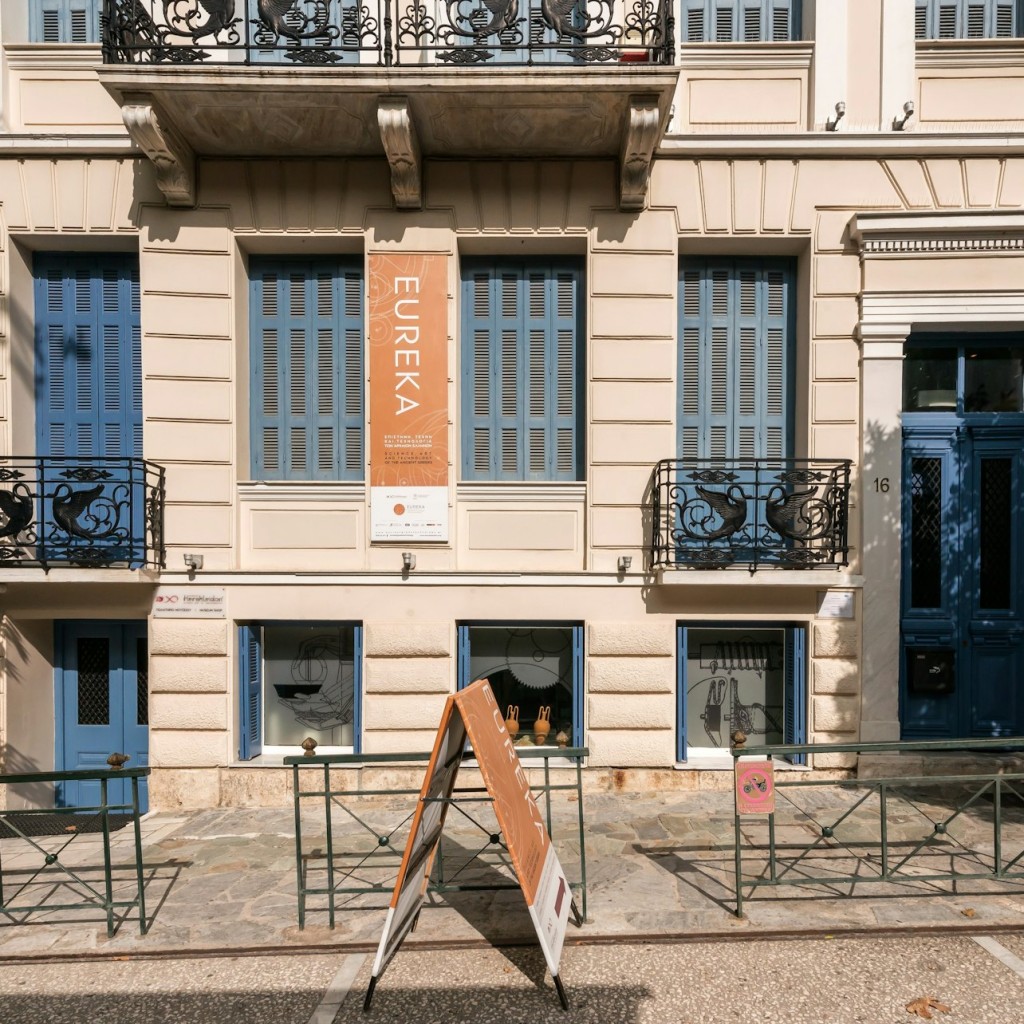
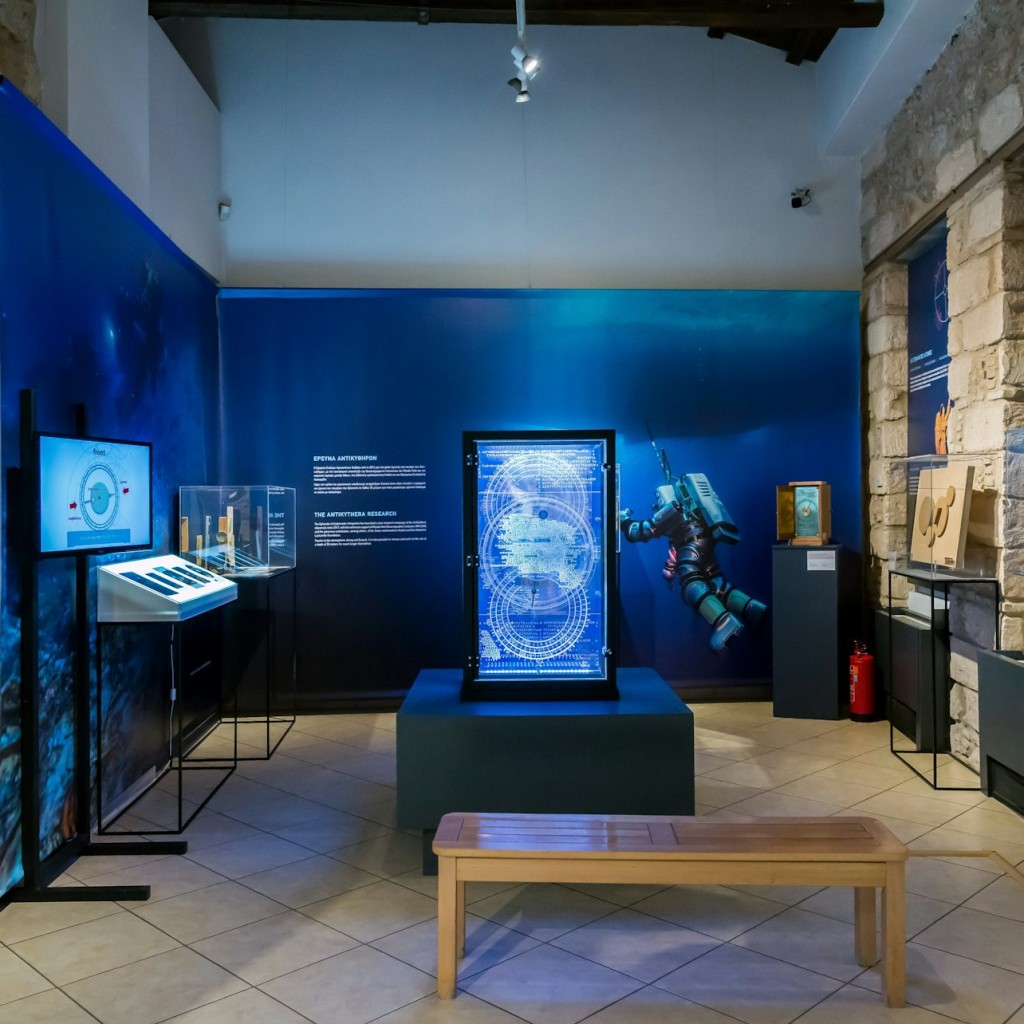
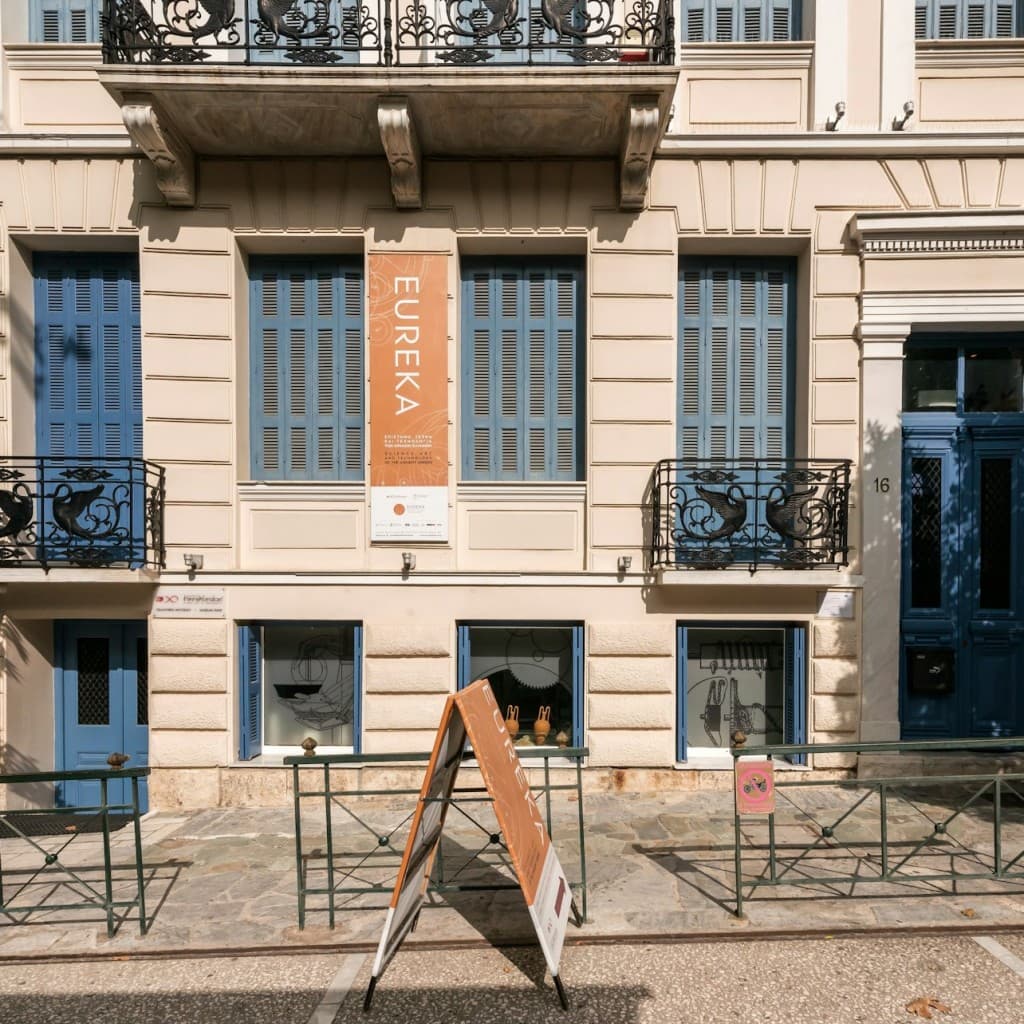
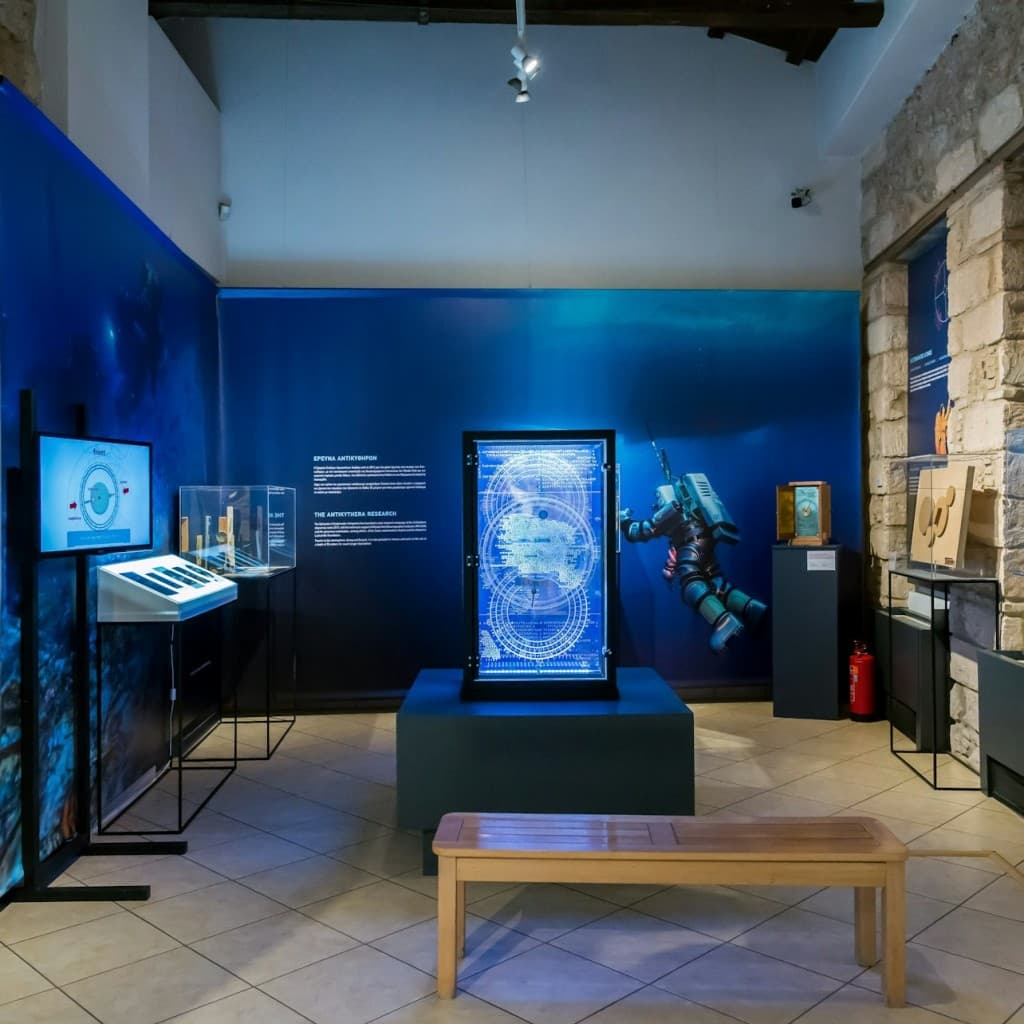
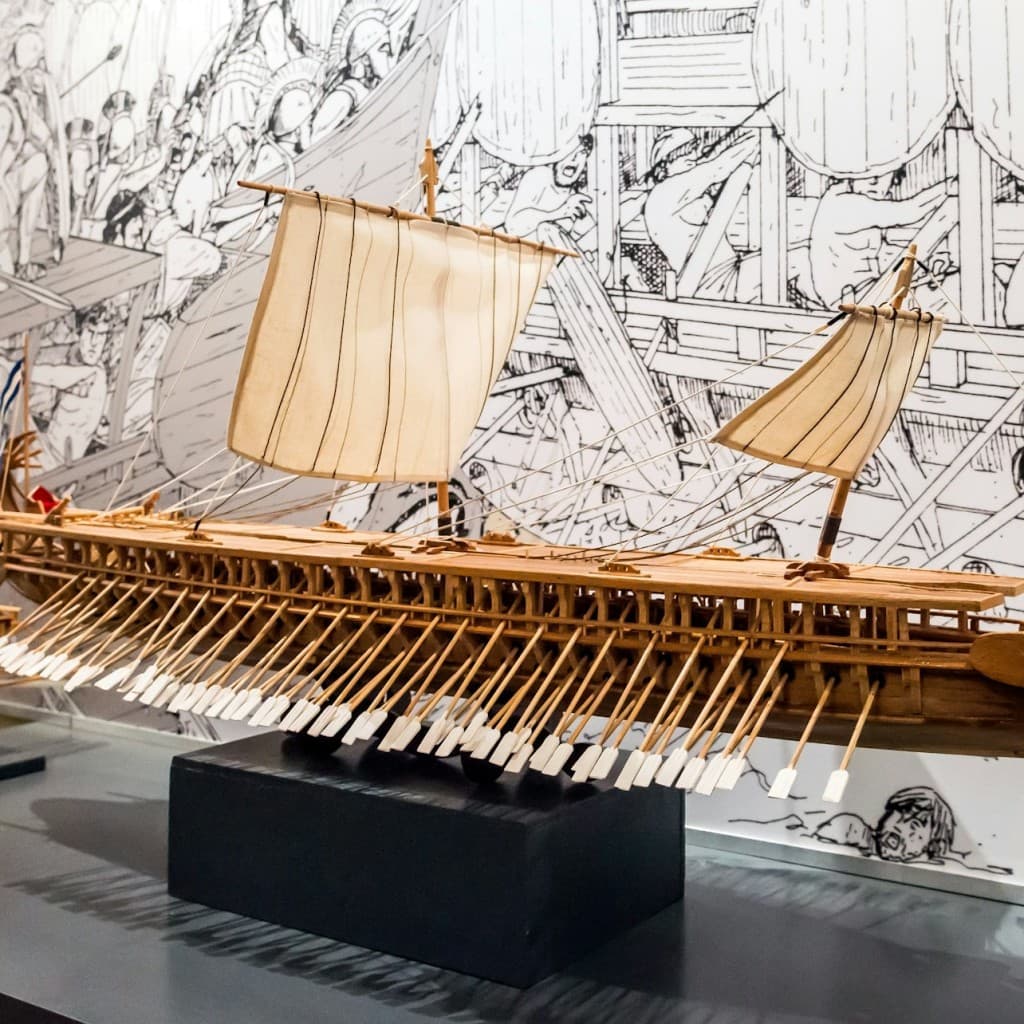
Explore the incredible innovations of ancient Greece through these captivating images of the Herakleidon Museum's exhibits and working models.
Step into the fascinating world of ancient Greek science and technology at the Herakleidon Museum in Athens. This unique cultural institution is dedicated to exploring the ingenious minds and groundbreaking inventions that shaped the ancient world. Through interactive exhibitions and meticulously crafted working models, visitors can witness the brilliance of ancient Greek engineers, mathematicians, and scientists. It offers an educational and engaging experience that bridges the gap between historical discovery and modern understanding, making complex scientific principles accessible to all ages. The museum serves as a vibrant hub for learning about the foundational contributions of Greek civilization to fields like engineering, astronomy, and robotics.
There is no formal dress code for visiting the Herakleidon Museum. Casual and comfortable attire is perfectly suitable. As you will likely be walking and standing for an extended period, wearing comfortable shoes is highly recommended. Layers might be useful depending on the season, as indoor temperatures can vary.
The Herakleidon Museum is a testament to the enduring legacy of ancient Greek innovation, focusing on the principles of Science, Technology, Engineering, and Mathematics (STEM). Located in Athens, it provides a captivating journey through the marvels of ancient Greek thought and craftsmanship. Visitors can explore a rich collection of exhibits, including accurate replicas of ancient mechanisms, interactive displays, and detailed explanations of their historical context and scientific significance. The museum's mission is to educate and inspire, showcasing how figures like Archimedes, Heron of Alexandria, and other lesser-known inventors developed tools and concepts far ahead of their time. From early automation and sophisticated astronomical instruments to ingenious military machines and practical devices, the Herakleidon Museum illuminates the often-overlooked technological prowess of ancient Greece. It's an ideal destination for families, students, and anyone with a curiosity for history, science, and the origins of modern technology.
Booking your Herakleidon Museum tickets online offers a seamless and efficient start to your visit. By purchasing in advance, you can often secure your preferred entry time, which helps in planning your day effectively, especially during peak tourist seasons. Online booking typically saves you time spent waiting in ticket queues upon arrival, allowing you to proceed directly to the exhibits. It also ensures guaranteed entry, providing peace of mind that your visit is confirmed. This convenient option helps you manage your travel itinerary more smoothly, allowing more time to immerse yourself in the museum's unique interactive displays.
The Herakleidon Museum was founded in 2004 by Paul and Anna-Belinda Firos, initially opening with a focus on art. Over time, its mission evolved to concentrate on the intersection of art, science, and technology. It transitioned into a museum primarily dedicated to ancient Greek technology and the STEM principles embedded within it. This shift allowed the museum to highlight the extraordinary intellectual achievements of ancient Greek civilization in fields like engineering, mathematics, and astronomy. Through continuous development and the acquisition of meticulously crafted working models, the Herakleidon Museum has established itself as a premier institution for understanding the practical applications of ancient Greek scientific thought. It aims to showcase how the foundations of modern science and technology were laid thousands of years ago in Greece, making this knowledge accessible and engaging for contemporary audiences.
The Herakleidon Museum generally welcomes visitors during standard museum operating hours, which often include daily openings from approximately 10:00 AM to 6:00 PM. Typically, the museum observes one closing day per week, often a Tuesday, and may have reduced hours on public holidays. It is recommended to plan your visit with these general timings in mind to ensure the museum is open. Extended hours might be offered during peak tourist seasons or for special events, while shorter hours could apply during off-peak times.
To fully appreciate the Herakleidon Museum's interactive exhibits and avoid large crowds, the best time to visit is during weekday mornings, shortly after opening. This allows for a more relaxed exploration of the displays and greater opportunity for engagement with the working models. Weekends and public holidays tend to be busier, especially with families and school groups. Visiting during the shoulder seasons (spring and autumn) can also offer a pleasant experience with generally moderate temperatures and fewer tourists compared to the peak summer months. Aiming for earlier in the week can also sometimes mean fewer visitors.
Inside the Herakleidon Museum, prepare to be amazed by a collection dedicated to the ingenuity of ancient Greek inventors. The exhibitions feature numerous working models of ancient Greek technological marvels, bringing history to life. You'll encounter recreations of Archimedes' screw, the Antikythera Mechanism, and various devices by Heron of Alexandria, such as his automatic doors and steam engine prototypes. Each exhibit is accompanied by clear explanations, often in both Greek and English, detailing the scientific principles and historical context. The museum also delves into ancient Greek achievements in astronomy, mathematics, and engineering, illustrating how these foundational concepts influenced the development of Western civilization. Visitors can engage with interactive displays that make learning about complex scientific ideas enjoyable and accessible for all ages.
When planning your visit to the Herakleidon Museum, consider that photography without flash is generally permitted for personal use, allowing you to capture memories of the fascinating exhibits. The museum is designed to be accessible to a wide audience, including children, with many interactive elements that make learning enjoyable. There is typically a gift shop where you can find unique souvenirs related to ancient Greek science and technology. While strollers are usually allowed, larger bags might need to be stored in lockers if available. Ensure you wear comfortable shoes, as you will be doing a fair amount of standing and walking through the various exhibition rooms. The museum is a non-smoking facility.
Visitors to the Herakleidon Museum are expected to follow general museum etiquette to ensure a pleasant experience for all. This typically includes refraining from touching the exhibits unless explicitly stated that they are interactive. Food and beverages are usually not permitted within the exhibition areas. Smoking is strictly prohibited throughout the museum premises. Please keep noise levels to a minimum to respect other visitors' experience. Large bags or backpacks may need to be checked at a cloakroom or stored in designated lockers if available. Visitors are encouraged to follow any instructions provided by museum staff.
The Herakleidon Museum is absolutely worth visiting for anyone interested in the foundational aspects of science and technology, or those seeking a deeper understanding of ancient Greek ingenuity beyond classical art and architecture. Its unique focus on STEM principles, brought to life through interactive exhibits and working models, offers a refreshing perspective on historical learning. It's an excellent destination for families, students, and curious minds looking for an engaging and educational experience. The museum provides tangible insights into how ancient civilizations laid the groundwork for many modern technological advancements, making it a truly enriching and memorable visit.
The Herakleidon Museum is renowned for its focus on ancient Greek science, technology, engineering, and mathematics (STEM), showcasing working models and interactive exhibits of ancient Greek inventions.
Yes, the museum is highly suitable for children, offering numerous interactive exhibits and engaging displays that make learning about ancient technology fun and accessible for young visitors.
Most visitors spend between 1.5 to 3 hours exploring the Herakleidon Museum, allowing ample time to interact with the exhibits and absorb the information.
Photography is generally allowed for personal use without flash. However, it is always a good idea to confirm any specific restrictions upon entry.
The Herakleidon Museum is situated in a central, historic area of Athens, easily accessible by public transport, particularly the metro.
Yes, the Herakleidon Museum typically features a gift shop where visitors can purchase souvenirs, books, and educational items related to ancient Greek science and technology.
While the museum offers extensive informational panels for self-guided exploration, specific guided tours may be available upon request or during certain periods. It is advisable to inquire directly for current offerings.
The Herakleidon Museum is conveniently located in central Athens and can be reached using various public transportation options. The most common method is via the Athens Metro system; the museum is within walking distance from several central metro stations. Depending on the specific building you wish to visit, Monastiraki or Thissio stations are generally the closest. From these stations, a short walk through the historic areas will lead you to the museum. Buses and trolleybuses also serve the nearby vicinity, with stops a few minutes' walk away. Taxis and ride-sharing services are also readily available throughout Athens for direct transport.
There is no formal dress code for visiting the Herakleidon Museum. Casual and comfortable attire is perfectly suitable. As you will likely be walking and standing for an extended period, wearing comfortable shoes is highly recommended. Layers might be useful depending on the season, as indoor temperatures can vary.