


Neler Dahil
- Accedeix a l'exposició Gemäldegalerie
Explore a visual journey through the exquisite masterpieces housed within the Gemäldegalerie, showcasing highlights from its renowned collection.
The Gemäldegalerie in Berlin houses one of the world's most significant collections of European painting, spanning from the 13th to the 18th century. Located within the Kulturforum complex, this renowned museum offers visitors an unparalleled journey through centuries of artistic brilliance. From early Italian Renaissance works to Dutch Golden Age masterpieces and German painting from various epochs, the gallery's extensive holdings feature iconic pieces by some of history's most celebrated artists. It is an essential destination for art enthusiasts and anyone wishing to delve into the rich heritage of European visual culture, providing a serene and enriching experience for all.
There is no formal dress code for visiting the Gemäldegalerie. Visitors are encouraged to wear comfortable and respectful attire suitable for walking and spending time in an indoor public setting. Layers might be useful as gallery temperatures can vary.
The Gemäldegalerie boasts an exceptional array of European paintings, meticulously organized to offer a clear chronological and geographical overview of art history. The collection is particularly strong in Italian, German, and Dutch painting, showcasing masterpieces by titans such as Rembrandt, Rubens, Botticelli, Raphael, Dürer, and Vermeer. Visitors can explore distinct sections dedicated to various national schools and periods, including early Netherlandish painting, German Renaissance art, Italian High Renaissance and Baroque works, and the rich tradition of Dutch and Flemish masters. The museum's layout allows for a comprehensive appreciation of individual artists' developments and broader stylistic trends. Beyond its permanent collection, the Gemäldegalerie frequently hosts special exhibitions, further enriching the visitor experience. It serves as a vital institution for research and conservation, contributing significantly to the understanding and preservation of European art.
Booking your Gemäldegalerie tickets online offers several advantages, ensuring a smoother and more convenient visit. By purchasing your admission in advance, you can often bypass long queues, especially during peak seasons or busy times, saving valuable time. Online booking guarantees your entry, providing peace of mind and allowing you to plan your day efficiently. Options such as the Gemäldegalerie: Entry Ticket + Exhibition offer comprehensive access, ensuring you don't miss any temporary shows. This streamlined process allows you to dedicate more time to appreciating the art rather than waiting.
The history of the Gemäldegalerie is deeply intertwined with the collecting efforts of Prussian rulers, particularly Frederick the Great, whose acquisitions formed a significant foundation for the collection. The roots of the museum can be traced back to the Electoral Brandenburg and Royal Prussian art collections. In 1830, the first dedicated royal museum, later known as the Altes Museum, was opened to the public, with a substantial part of its holdings forming the nascent Gemäldegalerie. The collection grew steadily through further acquisitions and donations throughout the 19th and early 20th centuries, establishing its reputation for European old masters. After suffering significant losses during World War II, the collection was split between East and West Berlin for decades. Following German reunification, the two parts were eventually reunited in 1998, finding their permanent home in a purpose-built gallery at the Kulturforum. This modern building was specifically designed to showcase the collection's chronological and regional diversity, providing an ideal setting for these priceless works.
The Gemäldegalerie generally welcomes visitors from Tuesday to Sunday. Opening hours are typically from 10:00 AM to 6:00 PM on most days, with extended hours until 8:00 PM on Thursdays. The museum is usually closed on Mondays. It is advisable to note that these hours can be subject to change, especially during public holidays or for special events. Please plan your visit accordingly, keeping in mind that the last admission is usually 30 minutes before closing time.
To fully enjoy the serene atmosphere and extensive collection of the Gemäldegalerie, planning your visit during weekday mornings is highly recommended. Arriving shortly after the museum opens allows you to experience the galleries with fewer crowds, providing a more intimate viewing of the masterpieces. Weekends and public holidays tend to be busier, especially in the afternoons. Mid-week visits, particularly Tuesday through Thursday, typically offer a more tranquil experience, allowing for a leisurely exploration of the artworks without feeling rushed.
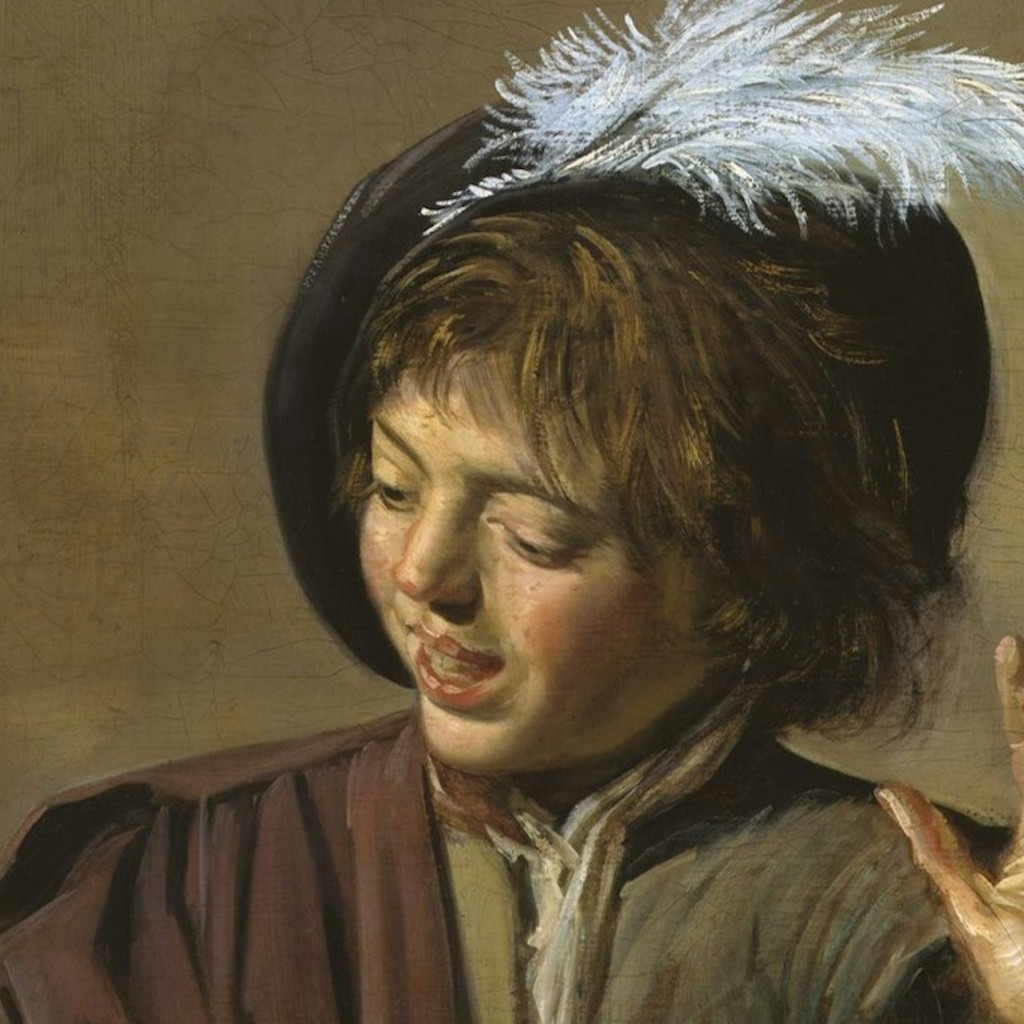
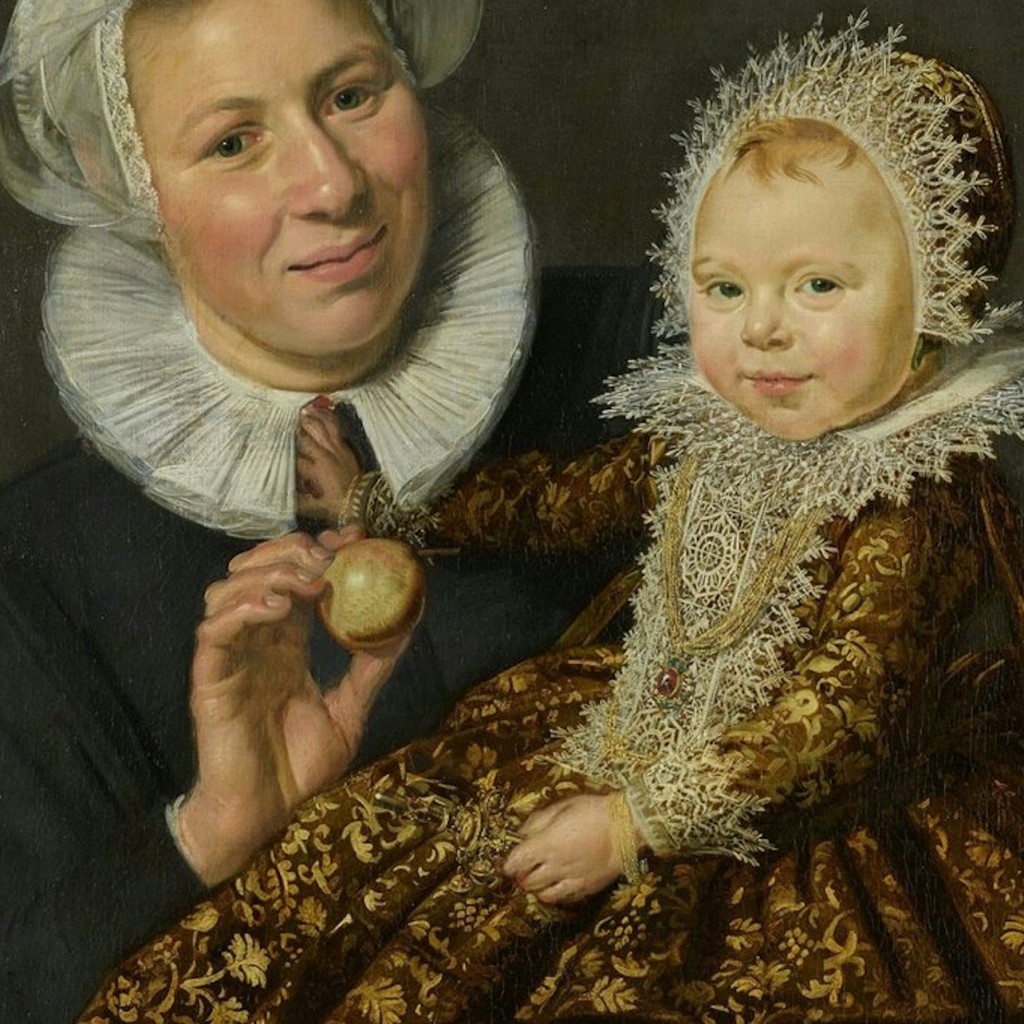
Inside the Gemäldegalerie, you will encounter a vast collection thoughtfully arranged across numerous halls. The museum features distinct sections dedicated to various art historical periods and regions. Highlights include the Italian Renaissance collection with works by Botticelli and Raphael, the robust German section showcasing Dürer and Cranach the Elder, and the incredibly rich Dutch and Flemish galleries. Here, you can admire numerous works by Rembrandt, including 'Saskia van Uylenburgh in Arcadian Costume,' and masterpieces by Rubens and Vermeer. The chronological flow guides visitors through the development of painting styles, themes, and techniques, offering insights into European history and culture through art. Each room provides a unique perspective on the artistic achievements of its time.
Plan to spend at least two to three hours to appreciate the vast collection. Audio guides are available for rent, offering insightful commentary on key artworks, which can enhance your understanding and experience. Large bags, backpacks, and umbrellas are not permitted inside the galleries and must be stored in the cloakroom or lockers, which may require a small coin deposit. The museum is generally wheelchair accessible, with elevators and ramps available. Photography is usually allowed without flash for personal use, but always check for specific exhibition rules. Comfortable shoes are recommended as you will be doing a significant amount of walking.
Visitors are expected to adhere to general museum etiquette. Please refrain from touching any artworks or display cases. Flash photography is prohibited to protect the delicate paintings. Food and drinks are not allowed in the exhibition areas. Large bags, backpacks, and umbrellas must be deposited in the cloakroom or lockers. Running and loud conversations are discouraged to maintain a peaceful environment for all visitors. Please respect the museum's security measures and staff instructions.
The Gemäldegalerie is absolutely worth visiting for its unparalleled collection of European old master paintings. It offers a profound cultural experience, showcasing artistic brilliance from the Middle Ages to the 18th century, with significant works by some of the most influential artists in history. For art enthusiasts, it's an essential stop, providing deep insights into art historical developments. Even for casual visitors, the beauty and historical significance of the masterpieces make it a rewarding and enriching experience, providing a quiet escape into centuries of human creativity.
The Gemäldegalerie exhibits European paintings from the 13th to the 18th century, featuring old masters from the Italian Renaissance, German Renaissance, and Dutch Golden Age, among others.
Yes, the museum houses works by many famous artists including Rembrandt, Rubens, Botticelli, Raphael, Dürer, Vermeer, Caravaggio, and Cranach the Elder.
While the museum primarily appeals to adults and art enthusiasts, older children with an interest in art history may find it engaging. It may be less suitable for very young children.
Yes, tickets can be purchased at the museum entrance, but booking online in advance is often recommended to save time and avoid potential queues.
Photography without flash is generally permitted for personal use in the permanent collection galleries. However, specific rules may apply to temporary exhibitions or certain artworks.
The Gemäldegalerie often offers public guided tours and audio guides. Check upon arrival for current availability and language options to enhance your visit.
Yes, the Gemäldegalerie is designed to be accessible, with elevators, ramps, and facilities for visitors with mobility impairments.
To thoroughly appreciate the collection, most visitors spend between 2 to 3 hours, though a more comprehensive visit could take longer.
The Gemäldegalerie is conveniently located in Berlin's Kulturforum, easily accessible by public transport. You can reach it via U-Bahn (U2 to Potsdamer Platz or Mendelssohn-Bartholdy-Park), S-Bahn (S1, S2, S25, S26 to Potsdamer Platz), or various bus lines (e.g., M48, 200, 300 to Kulturforum or Potsdamer Platz). From these stops, the museum is typically a short walk. Consider using local transport apps for the most current route planning.
There is no formal dress code for visiting the Gemäldegalerie. Visitors are encouraged to wear comfortable and respectful attire suitable for walking and spending time in an indoor public setting. Layers might be useful as gallery temperatures can vary.