

Neler Dahil
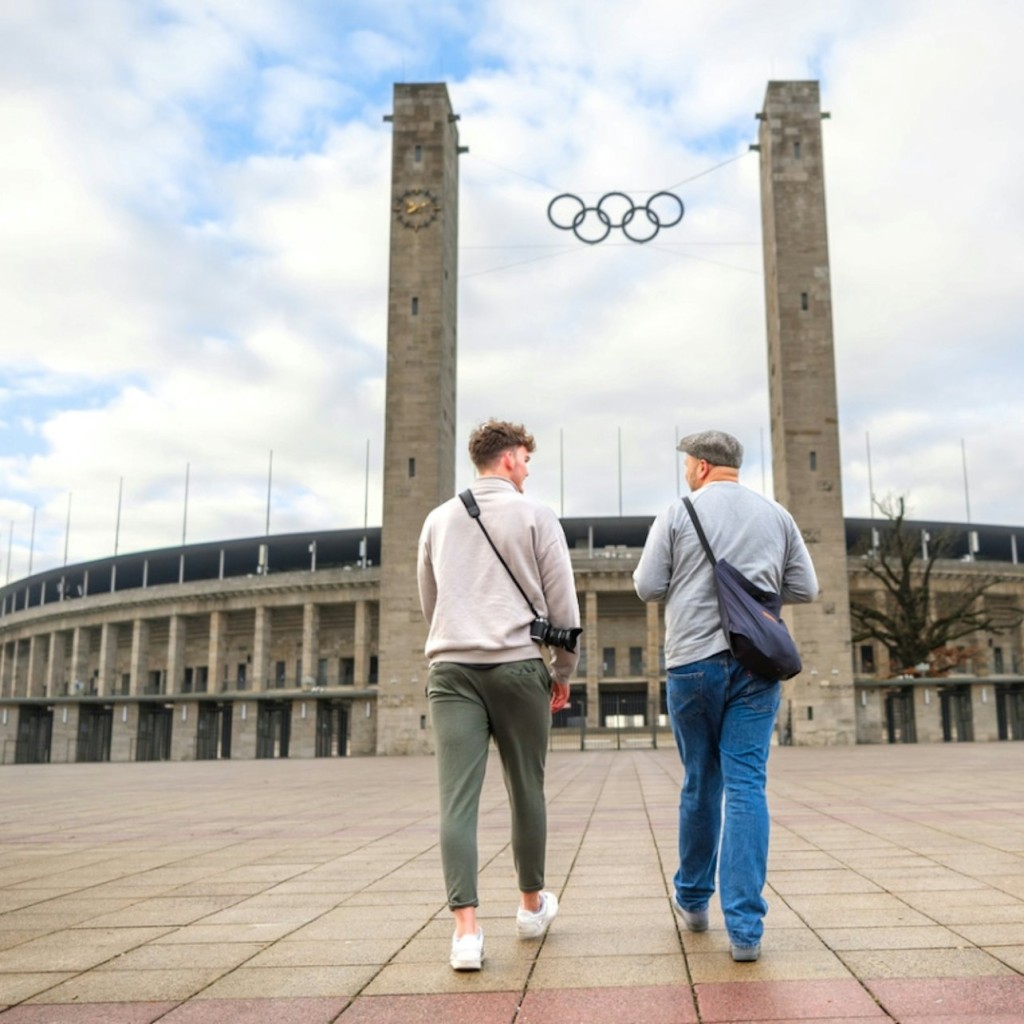
- Entrada a l'Estadi Olímpic de Berlín
- Accés a les zones exteriors, inclosos els estands
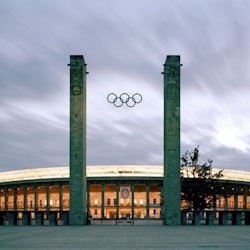
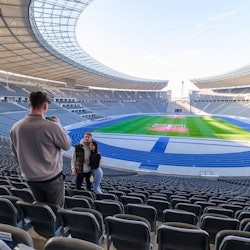
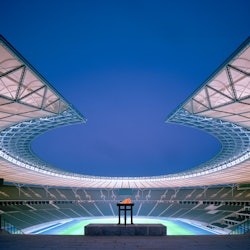
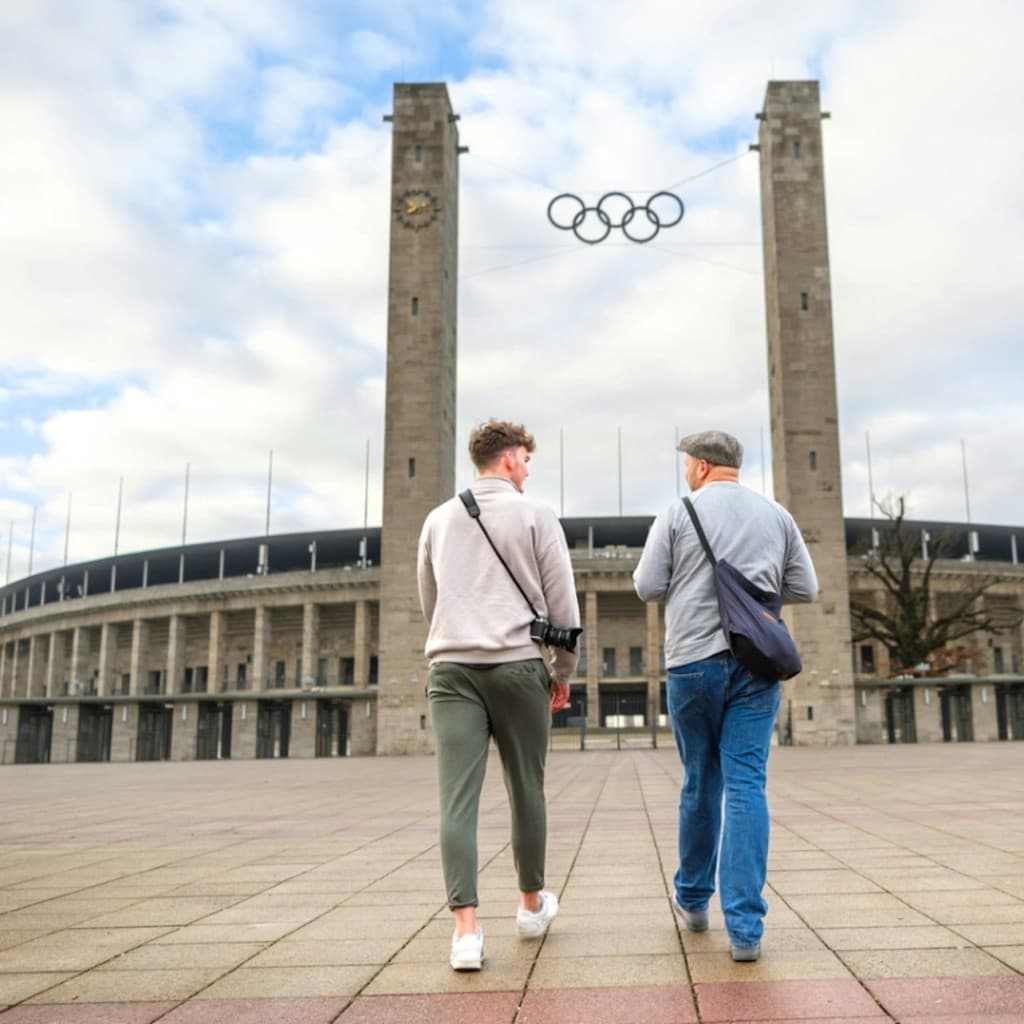
Discover the stunning architecture and historic grandeur of Olympiastadion Berlin through these captivating images.
Explore the legendary Olympiastadion Berlin, a site of immense historical significance and a marvel of modern architecture. Originally built for the 1936 Olympic Games, this stadium has witnessed pivotal moments in sports and culture throughout the decades. Today, it stands as a testament to Berlin's rich past and its vibrant present, serving as the home ground for Hertha BSC and a prestigious venue for international athletics, concerts, and major events. Visitors can delve into its captivating history, admire its grand scale, and walk in the footsteps of sporting legends. A visit offers a unique blend of architectural appreciation and an immersive journey through Germany's sporting heritage.
There is no formal dress code required to visit Olympiastadion Berlin. Comfortable and casual attire is recommended, especially as you will likely be walking for an extended period, potentially including stairs if you climb the Bell Tower. During warmer months, light clothing and sun protection are advisable for outdoor areas. In colder seasons, dress in layers to stay warm. Practical footwear is essential for navigating the expansive complex.
The Olympiastadion Berlin is more than just a sports venue; it is a monumental piece of architectural and historical heritage. Designed by Werner March, its construction was completed in 1936, incorporating elements of monumental classicism that reflect the era. The stadium complex spans a vast area, featuring impressive structures like the Bell Tower (Glockenturm) and the Marathon Gate, which add to its grandeur. Beyond its original controversial purpose, the stadium has been meticulously preserved and modernised, notably for the 2006 FIFA World Cup, ensuring it remains a world-class facility. It hosts major football matches, including the German Cup final, as well as a variety of international athletics events and large-scale concerts by global artists. Its capacity and design make it a versatile space, while its enduring historical presence offers a compelling narrative for every visitor. The blend of past and present, from its distinctive stone facade to its modern amenities, makes the Olympiastadion a truly unique landmark in Berlin.
Booking your Olympiastadion Berlin entry online offers several advantages, ensuring a smooth and hassle-free visit. By purchasing tickets in advance, you can secure your preferred visiting time and bypass potential queues at the entrance, especially during peak seasons or event days. Online tickets often provide immediate access upon arrival, allowing you to maximise your time exploring this historic venue. This convenience saves you valuable time and effort, letting you focus entirely on enjoying the architectural grandeur and rich history of one of Germany's most famous stadiums without any delays or uncertainties.
The history of Olympiastadion Berlin is deeply intertwined with pivotal moments of the 20th century. Its origins trace back to the German Stadium built for the canceled 1916 Olympic Games. However, the current structure was commissioned for the 1936 Summer Olympics, designed by architect Werner March. Its construction aimed to project an image of power and grandeur, featuring monumental classicism and a capacity of over 100,000 spectators. After the Second World War, the stadium fell under British administration and was used for various events, including football matches and military parades. It underwent significant renovation and modernization efforts in the run-up to the 2006 FIFA World Cup, where it hosted the final. This extensive refurbishment preserved the stadium's historic facade while updating its interior with state-of-the-art facilities, transforming it into a contemporary multi-purpose arena. Today, it stands as a powerful symbol of architectural endurance and a venue that has gracefully adapted through complex historical periods, continuing to host major international sporting and cultural events.
The Olympiastadion Berlin typically opens its doors for visitors daily, offering opportunities for tours and exploration. Standard operating hours are generally from 10:00 AM to 6:00 PM during summer months (April to October) and 10:00 AM to 4:00 PM during winter months (November to March). However, it is crucial to note that opening times can be subject to change, especially on days with major events like football matches, concerts, or athletics competitions. On such days, access for general tours might be restricted or adjusted. Visitors are encouraged to check the current daily schedule before planning their visit to ensure unrestricted access.
To fully appreciate the Olympiastadion Berlin without the distraction of large crowds, consider visiting during the late morning on a weekday. This period often sees fewer visitors, allowing for a more intimate and relaxed exploration of the stadium's extensive grounds and historical features. Spring and autumn months offer pleasant weather, ideal for walking around the outdoor areas, including the Maifeld and the Bell Tower. Weekends, public holidays, and days with major events will naturally be busier, potentially impacting accessibility to certain areas. If you wish to witness the stadium in action, planning your visit around a scheduled event provides a different, energetic experience, though general tours may be limited.
Inside the Olympiastadion, visitors can explore various areas that highlight its history and architectural significance. Begin your journey at the Marathon Gate, an imposing entrance leading to the Maifeld, a vast open space used for various events. Ascend the Bell Tower (Glockenturm) for breathtaking panoramic views of the stadium, the city, and the surrounding Grunewald forest. Inside the stadium itself, you can walk along the track, visit the VIP areas, and even get a glimpse into the 선수 locker rooms, imagining the pre-match atmosphere. The site also features several commemorative plaques and exhibits detailing its Olympic past and subsequent transformations. Throughout the complex, the blend of original 1930s architecture with modern renovations provides a fascinating backdrop for understanding the stadium's enduring legacy.
Before visiting Olympiastadion Berlin, wear comfortable shoes as there is a fair amount of walking involved, especially if you plan to explore the entire complex and ascend the Bell Tower. Consider checking the stadium's event schedule beforehand, as general tours might be limited or unavailable on days with major matches or concerts. Photography is generally permitted for personal use, allowing you to capture the stadium's impressive architecture. Facilities such as restrooms, cafes, and souvenir shops are available on-site. Guided tours are often offered and can provide deeper insights into the stadium's history and lesser-known facts.
Visitors to Olympiastadion Berlin are expected to adhere to standard venue rules to ensure a safe and enjoyable experience for everyone. This typically includes refraining from bringing large bags or backpacks, prohibited items such as weapons or pyrotechnics, and external food and drinks. Smoking is usually restricted to designated areas. While exploring, visitors should remain on marked paths and respect any cordoned-off areas, especially during self-guided tours. Please follow instructions from staff members and security personnel at all times. Pets are generally not allowed inside the stadium, with the exception of service animals.
Olympiastadion Berlin is undeniably worth visiting for its profound historical significance and impressive architectural design. It offers a unique opportunity to stand in a venue that has hosted some of the world's most memorable sporting and cultural events, providing a tangible connection to the past. The stadium's blend of monumental classicism and modern functionality is a visual treat for architecture enthusiasts. Moreover, the panoramic views from the Bell Tower are exceptional, offering a different perspective of Berlin. Whether you are a history buff, a sports fan, or simply seeking an iconic landmark, the Olympiastadion delivers an enriching and memorable experience.
Olympiastadion Berlin was originally built for the 1936 Summer Olympics. It has undergone significant renovations, notably for the 2006 FIFA World Cup, preserving its historic facade while updating it to a modern, multi-purpose arena.
Yes, the Olympiastadion offers tours and welcomes visitors year-round, even on non-event days. You can explore many parts of the stadium complex.
A typical visit, including a self-guided tour or a guided tour, usually takes between 1.5 to 2 hours to fully explore the main areas.
The Olympiastadion Berlin is generally accessible for visitors with disabilities, with ramps and elevators available in many areas. It is advisable to contact the venue for specific accessibility details regarding tours.
The best way to reach the stadium is by public transport. Take the U-Bahn (U2) or S-Bahn (S3/S9) to the 'Olympiastadion' station, which is a short walk from the entrance.
Yes, guided tours are often available, offering deeper insights into the stadium's history, architecture, and behind-the-scenes areas. Check for tour schedules and booking options.
Yes, visitors can typically ascend the Bell Tower (Glockenturm) to enjoy panoramic views of the stadium, the Maifeld, and the Berlin skyline. There is usually a separate entrance fee for the tower.
Smaller bags are generally permitted, but large backpacks and luggage may be restricted, especially on event days. It's best to travel light or inquire about locker facilities if needed.
The Olympiastadion Berlin is easily accessible via public transport. Take the U-Bahn (underground) line U2 directly to the 'Olympiastadion' station, which is a short walk from the entrance. Alternatively, you can use the S-Bahn (urban rail) lines S3 or S9 to 'Olympiastadion' station, also providing convenient access. Buses also serve the area. The stadium is well-signposted once you exit the public transport stations.
There is no formal dress code required to visit Olympiastadion Berlin. Comfortable and casual attire is recommended, especially as you will likely be walking for an extended period, potentially including stairs if you climb the Bell Tower. During warmer months, light clothing and sun protection are advisable for outdoor areas. In colder seasons, dress in layers to stay warm. Practical footwear is essential for navigating the expansive complex.